



Kenya’s social capital, its audiences, is now a cultural weapon that determines what travels globally and what does not. What remains is the question of what to do with this advantage.
By Frank Njugi
As a Kenyan literati, I can now admit that 2022–23 felt like an interregnum, the kind of uneasy pause when a culture senses itself changing. Gen Z writers were coming of age into a literary landscape that no longer had the scaffolding earlier generations leaned on. Platforms like Kwani? existed mostly as legend by then, stories passed down with reverence. The more recent fixtures of the 2010s—such as Jalada, Down River Road—had begun to suffer the familiar fate of many literary outfits: dormancy, becoming defunct, or institutional exhaustion.
What emerged in that vacuum was a shift in how literature imagined its relationship to the audience. When a fellow young literati, Keith Ang’ana, launched Qwani, it read at first like an attempt to fill the space these earlier institutions had left behind. But its reception quickly revealed something else. The platform’s rapid growth and its later expansion into other forms of art suggested that Kenyan literary culture was both undergoing a generational change and a structural one. Audience appetite now appeared to outpace the inherited habits of curation that had long governed what was published, staged, or legitimised.
The centre of gravity of this unsureness in the early 2020s can be traced slightly earlier, to the period of the death of Binyavanga Wainaina in 2019, which signaled the final unravellings of an era, Kwani?. What remained for us was a literary scene haunted by its former rooms, and there was a low-grade anxiety in the air, a sense of voices multiplying without a place to land them. Our literature, for a moment, seemed to float.
Yet, the groundwork for what followed had already been laid in the 2010s, when a different model was being rehearsed. Figures like Clifton Gachagua—whose Sillerman Prize win in 2014 marked an important moment of international recognition— might have embodied literary artists from a period of shift toward an online-first literary life. When he later co-founded Down River Road, the platform mirrored the decade’s dominant logic: digital circulation first, print after or alongside. Curation during this period was still gatekept, but the gates were now URLs. Blogs, online journals, and social media pages proliferated, many announcing themselves as curatorial projects, though their authority rested less on institutions than on consistency, taste, and proximity to specific writers and readers.
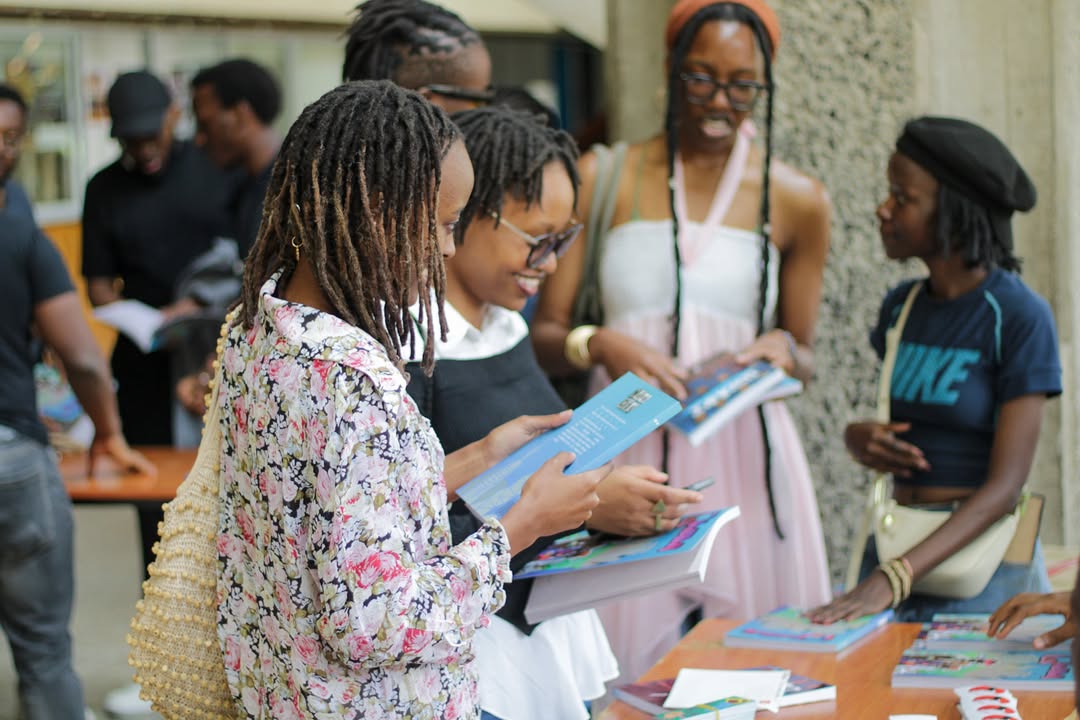
What changed in this period was the nature of curation itself. It became relational. Editors were no longer distant arbiters but visible presences, online, sometimes indistinguishable from their audiences. Writers and readers occupied the same comment sections, the same timelines, the same WhatsApp groups. Crucially, the audience did not need convincing. It was already there, reading, sharing, arguing, waiting for momentum.
So by the time Ang’ana launched Qwani, this momentum had matured. A ready audience that the earlier platforms used to dream of assembling was now available, and of age, and ready to spend on art.
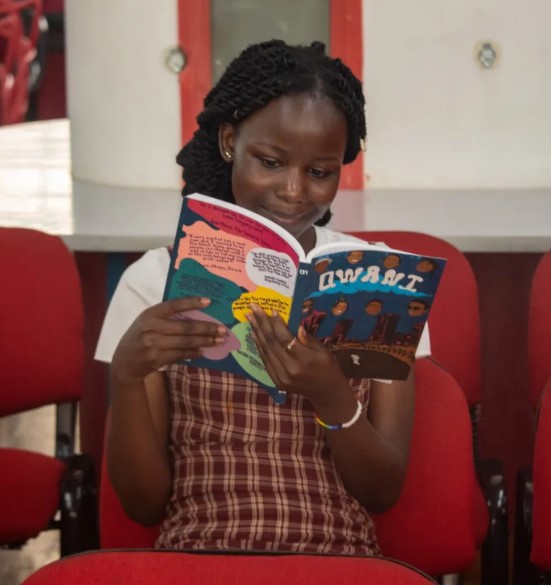
The reversal was striking. Print returned with their first issue, maybe as nostalgia, maybe as a fetish for the book-as-object, but most of all as evidence of an audience ready to consume continuously with accumulated trust. Each successive Qwani print issue—one through four—has now appeared more confident, more carefully produced, and more widely received, as a new generation print has reclaimed some authority, and a country’s social capital has already done work of validation.
And when this literature proved that audiences could carry form through the presence of a ready audience, Film made the case louder –and messier—by spreading out. Across Kenyan cities and towns, something profound has happened in recent times. Film festivals have been popping up everywhere. Not grandly or ceremonially. They have arrived regionally, almost casually, a circuit not descending from above but a pattern revealing itself from the ground up.
Nairobi, of course, has moved first, and predictably so. The NBO Film Festival now strives to present itself as a serious continental and international player. But the real story is what happens once you look out of the capital city. Kitale Film Week has taken root in the western highlands. The African Film Festival in Kisumu has turned the lakeside city into a seasonal rendezvous. Kilifi Creek Festival has claimed the coast, while there is also a Mombasa International Film Festival. Festivals that did not bloom where funding was visibly thickest or infrastructure most polished, but where an audience is waiting.
And this matters because nothing here feels accidental. Spend a day at any of these festivals, and the proof announces itself quickly. Curators are not summoning audiences out of thin air but responding to a population that seems to be impatient for the next time they get to consume art.
Filmmakers across the continent have noticed too. Kenya has become a testing ground, a place where films can be read— or sometimes dismantled—by audiences before they settle into their home circuits. It’s no longer strange to encounter a film screening in Nairobi, ahead of its run in its country of origin. Over the Bridge, the Nigerian film being one such example, first screened in Nairobi before anywhere in Nigeria. And what draws these films is an audience sharp enough to argue with a film, to push back if needed, and to carry the work forward only if it earns the right.
Just as revealing is where all this happens. Film culture in Kenya has never been precious about the sanctity of the cinema hall. We also have pop-up screenings, outdoor projections and improvised venues. Even Qwani, which began as a literary intervention, eventually grasped that its audience’s appetite spilled beyond the page, expanding into film screenings and play reading productions in Nairobi and its many offshoots in other Kenyan cities.
Their literature revealed how audiences could resurrect form, and film showed how they could reorganize space, and this is while another art, music, makes the economic logic unmistakable. Kenya is a genre factory in a way much further than Nigeria or South Africa are often imagined to be. And is a place where music lands, circulates, sells, and returns amplified.
The regional gravity is hard to miss. For Bongo Flava, Kenya has become the most reliable market, a second home that sometimes feels more attentive than the first. Diamond Platnumz, Harmonize, and Rayvanny at this point seem to perform here with the regularity of local acts, their presence normalized by the certainty of turnout. They know the audience’s mathematics, a crowd that knows the songs, shows up, and pays.
Afrobeats followed a similar trajectory, using Nairobi as a touring stop. Acts like Asake, Rema, Burna Boy, Tems, and a steady procession of others have found in the city a receptive, plugged-in audience fluent in the genre’s codes. The saturation has become palpable. What once felt on demand now edges toward excess, and with that comes a revealing shift in appetite as there grows hunger for homegrown performers who might finally claim the stage long occupied by visitors. The audience, having learned to consume globally, is beginning to demand locally.
This logic extends even more sharply in niche spaces. House music, still a minority genre across much of the continent if Southern Africa is excluded, has found in Kenya not just listeners but pilgrims as well. Concerts and Festivals like Gondwana, Kilele Summit, and inclusive ones like Beneath the Baobabs thrive not because the genre is dominant, but because the audience is committed. Kenya, in this sense, has become a destination culture as people travel for sound, for atmosphere, for the promise of a crowd that knows why it has gathered.
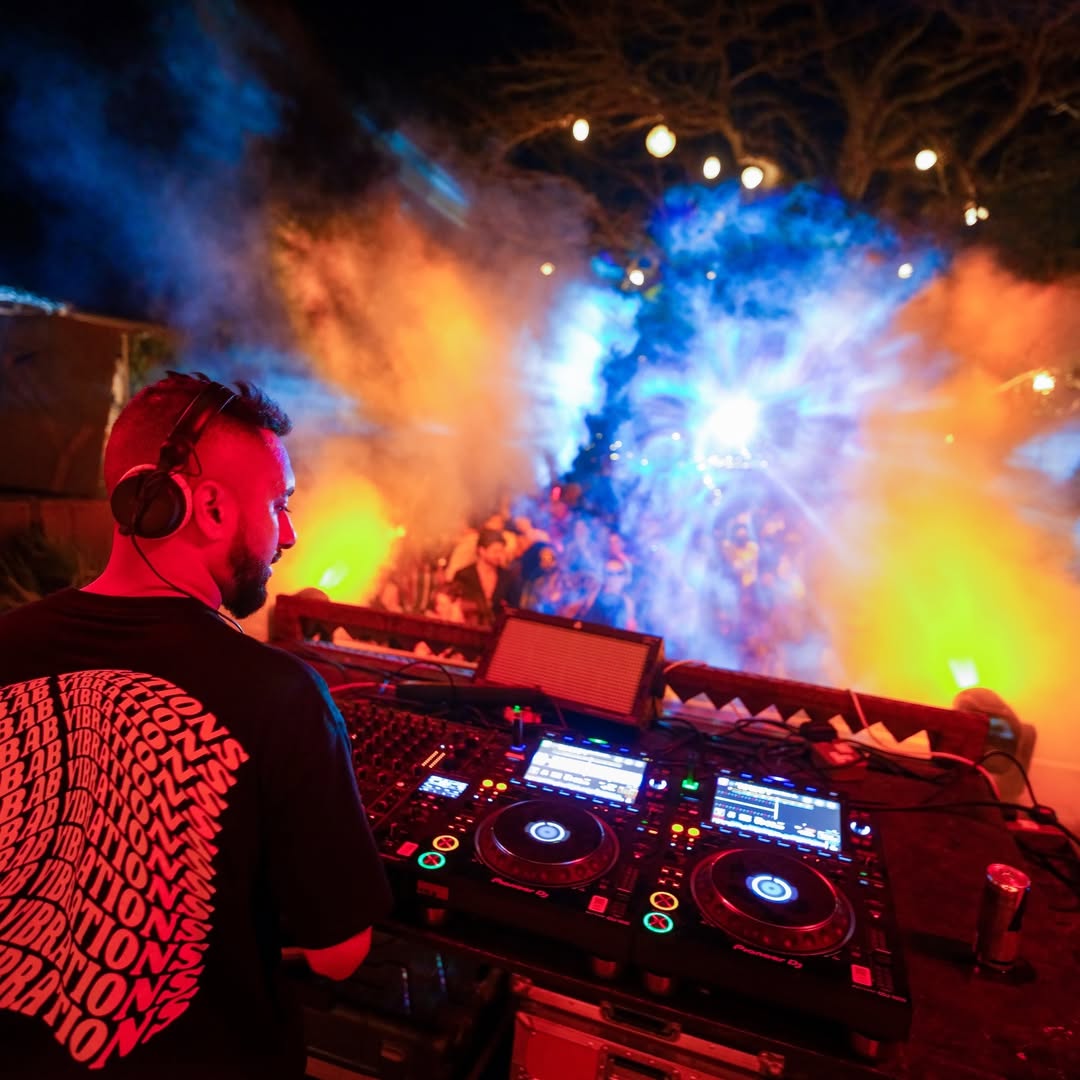
What makes this endurance more striking is the policy friction it survives. Festival regulations remain inconsistent, at times disappointing. Events like Blankets & Wine seem to navigate controversy, occasionally drawing criticism for their customer experience. Yet, the crucial fact persists: the policy has not killed demand. Their tickets still sell. Crowds still gather.
And as music reveals economically, streaming is also exposing technologically. Kenya has become a launchpad for visibility, where social capital converts almost instantly into platform metrics, views, streams, and virality.


Streaming culture has never been one to thrive on passive spectatorship. It depends on the crowds that draw attention. Viewers who understand that participation is itself a form of content. Kenya’s urban youth culture is especially fluent in this language. The evidence is scattered across platforms, as if you just scroll through TikTok, you will find even foreigners producing Kenyan-coded content because there is an audience here ready to be monetized. Attention has become a currency, and Kenyan audiences spend it generously.
The recent IShowSpeed moment made this impossible to ignore. During a stop on his ongoing African tour, his visit to Nairobi generated what can only be described as a spontaneous cultural event. Within a day, millions of views had been generated. And what mattered was not the streamer alone, but the city’s response.
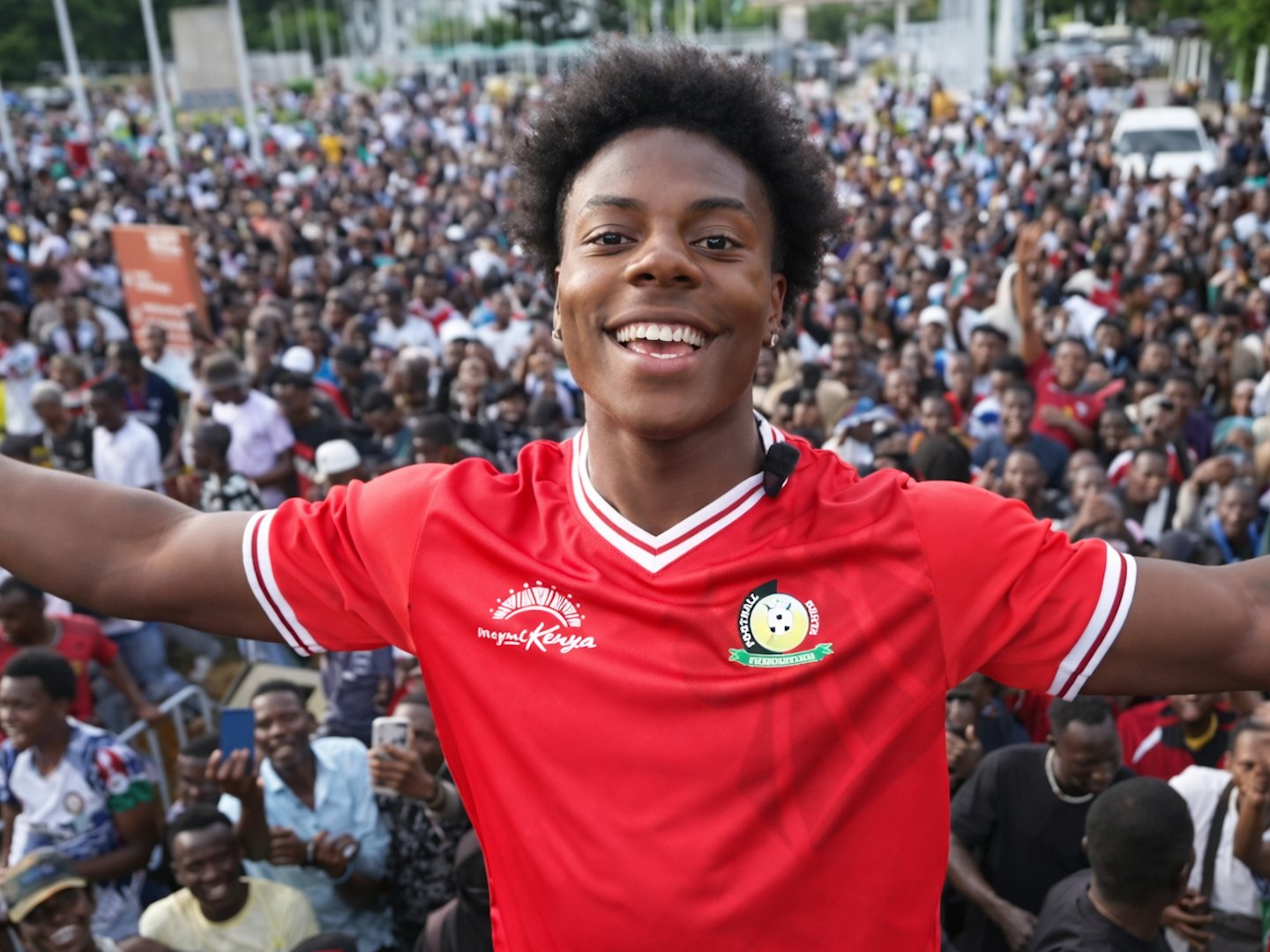
The crowd’s willingness to recognise itself as part of the performance went viral. The city became content because its people understood, intuitively, how attention now moves. The same audiences that fill readings, festivals, and screenings are equally at home in the logic of virality, knowing when to film, when to share, when to gather again.
Literary traction online finds its way back into print. Film festivals translate into international attention and early premieres. Music scenes evolve into touring circuits. Streaming collapses distance altogether, delivering instant global reach. Across forms, the mechanism is the same: as attention accumulates, trust follows, and visibility expands. Culture circulates because the audience here knows how to carry it.
The figures matter as well. In 2026, it is said that Kenyans spend 76 percent of their entertainment budget simply to get online, to access content, to participate, and stay connected. This is the cultural investment and connectivity that is the price of entry into contemporary cultural life, and Kenyan audiences have chosen to pay it.
That digital commitment does not remain abstract, though. Online discovery feeds physical attendance. It is said Kenya’s ticket revenue is projected to grow at a rate of 2.1 percent all through to 2029, slightly outpacing Nigeria’s 1.8 percent, despite Nigeria’s much larger population. The distinction is telling.
Another generation — Gen Alpha, they call them— also waits in the wings, more digitally fluent, more hyper-connected, bringing new tastes and larger numbers. The cultural social capital already in place will only intensify. Kenya’s social capital, its audiences, is now a cultural weapon that determines what travels globally and what does not. But weapons require strategy. What remains is the question of what to do with this advantage.
Institutions, platforms, and artists can choose to leverage this culture rather than merely react to it. This asset is rare, effective, and tangible. The challenge now is to recognise it and scale it with care.
Frank Njugi, an award-winning Kenyan writer, culture journalist, and critic, has written on the East African and African culture scene for platforms such as Debunk Media, Republic Journal, Sinema Focus, Culture Africa, Drummr Africa, The Elephant, Wakilisha Africa, The Moveee, Africa in Dialogue, Afrocritik, and others.