



The longlisting of Gbenga Adesina and Nick Makoha signals a notable moment as two distinct yet resonant poetic visions, both rooted in African and diasporic experience, now sit on one of the most visible stages in poetry.
By Abioye Damilare Samson
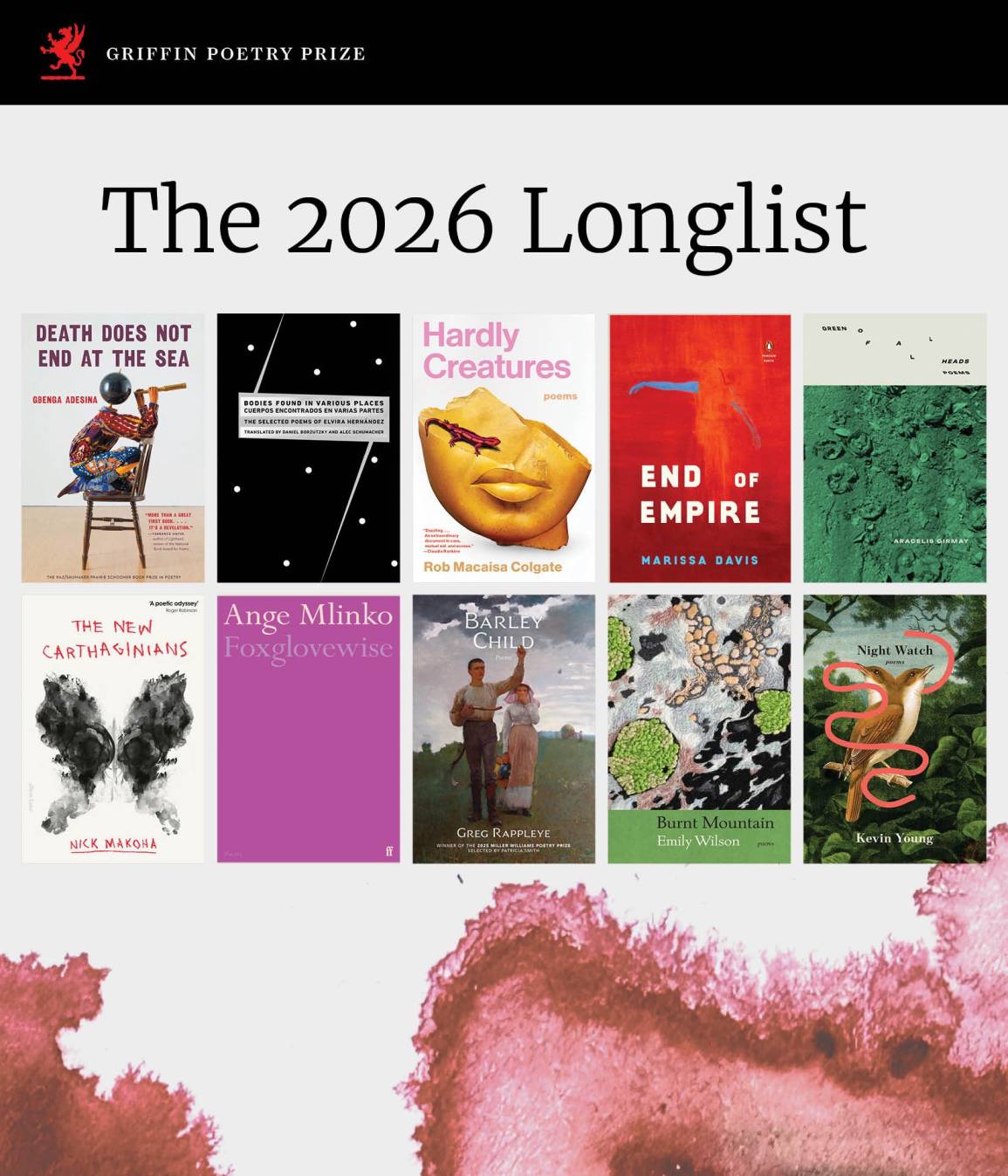
Nigeria’s Gbenga Adesina and Uganda’s Nick Makoha have been longlisted for the 2026 Griffin Poetry Prize, one of poetry’s most significant international stages.
Adesina’s debut collection, Death Does Not End at the Sea (University of Nebraska Press), and Makoha’s The New Carthaginians (Allen Lane), appear on a ten-book longlist announced on March 25, 2026, by judges Andrea Cote, Luke Hathaway, and Major Jackson. The judges considered 461 books of poetry, including 34 translations from 19 languages, submitted by 219 publishers across 42 countries. That both collections emerged from this field underscores the strength and reach of contemporary African and diasporic poetry.

Founded in 2000 by Scott Griffin, the Griffin Poetry Prize is the world’s largest international prize for a single collection of poetry written in or translated into English. The winner receives $130,000 CAD, with shortlisted finalists each receiving $10,000. The shortlist will be announced on April 22, ahead of the prize ceremony at Koerner Hall in Toronto on June 3, 2026.
Death Does Not End at the Sea is, in every sense, a book of crossings. Its poems move between continents and generations: a son dreams of his dead father across the sea; a young Black father travels with his son through Paris, the south of France, Istanbul, and Senegal in pursuit of the ghost of James Baldwin; and sequences of migrants crossing the Mediterranean echo the long history of the Middle Passage. The collection meditates on exile, grief, citizenship, and the ties between the living and the dead, what Adesina has described as an “African chorus” in which “ghosts were citizens too”.
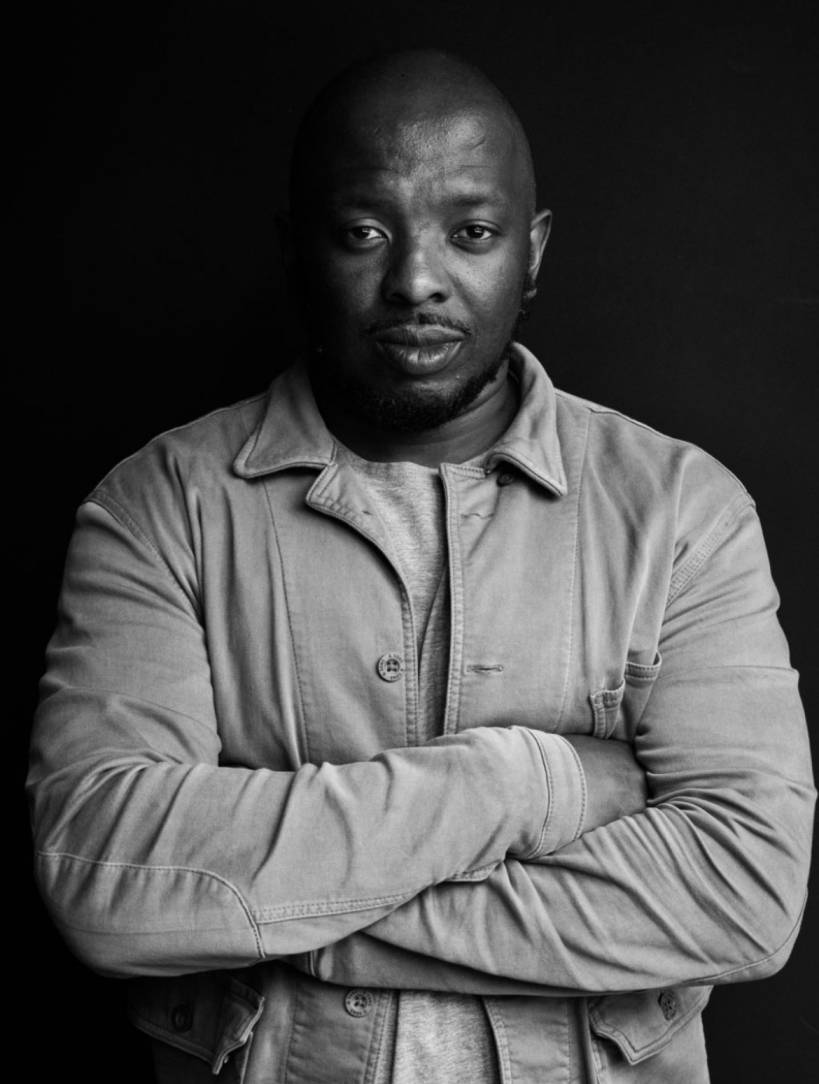
The New Carthaginians, by contrast, turns its attention to empire, migration, and memory through a sharply political and historical lens. Makoha’s poems reimagine ancient and modern geographies, drawing connections between Carthage and contemporary diasporic life, while interrogating violence, displacement, and belonging. The collection extends his longstanding engagement with exile and identity, offering a work that is both formally controlled and globally attuned.


Adesina, a Nigerian poet and essayist, is the inaugural Mellon Postdoctoral Fellow in Global Black and Diasporic Poetry at the Furious Flower Poetry Centre. He completed his MFA at New York University, where he studied with Yusef Komunyakaa, and his work has appeared in The Paris Review, The New York Times Magazine, and The Best American Poetry, among others. The book has already won the Raz/Shumaker Prairie Schooner Book Prize in Poetry and was longlisted for both the 2025 National Book Award for Poetry and the 2026 PEN/Voelcker Award for Poetry Collection.
Makoha, a Ugandan-born poet based in London, is widely recognised for his earlier collection Kingdom of Gravity, which was shortlisted for the Felix Dennis Prize for Best First Collection and established him as a major voice in contemporary poetry. With The New Carthaginians, he deepens that trajectory, bringing historical imagination and diasporic consciousness into urgent conversation with the present.
Together, the longlisting of Gbenga Adesina and Nick Makoha signals a notable moment as two distinct yet resonant poetic visions, both rooted in African and diasporic experience, now sit on one of the most visible stages in poetry.