


In the past four years of a generational run, M$NEY captures an artiste settled into cash-heavy success, even if that sense of arrival comes at the cost of the inventive spark that once made his music feel compelling.
By Abioye Damilare Samson
One of the defining constants in Afro-Pop is that money remains one of its most persistent motifs. Whether it’s a reflective song, a romantic one, or even a record rooted in faith, the pursuit of money or the ostentatious display of it continues to guide the storytelling. Asake’s fourth album, M$NEY, is a blunt extension of that tradition.
For anyone paying keen attention, Asake’s fixation on wealth is not new; it has been central to his writing from the very beginning of his career. Aside from adopting “Mr Money” as a moniker, on “Omo Ope”, the breakout record that pushed him into the mainstream in 2022, he sings on the hook, “Won so ‘pe kin malo sun le / Wi pe kin order Rosé / Moni mo like Champagne / Emi omo ope oh /(Mo saare f’owo mi sh’aye) / Gb’omo mefa lo’le / Mr. Money, oshey o”. It is a line that distils his early imagination of success into something vivid and performative, where pleasure and wealth exist as proof of arrival. With M$NEY, that early language of performing wealth and embodying affluence solidifies into the persona he has been carefully constructing.
After the chart-topping success of his last album, Lungu Boy in 2024, and his exit from his former label, YBNL, there have been visible attempts to recalibrate the persona around his next phase. There was the “military era”, where he appeared in camo fits and released “Military” in early 2025 as an extension of that identity.
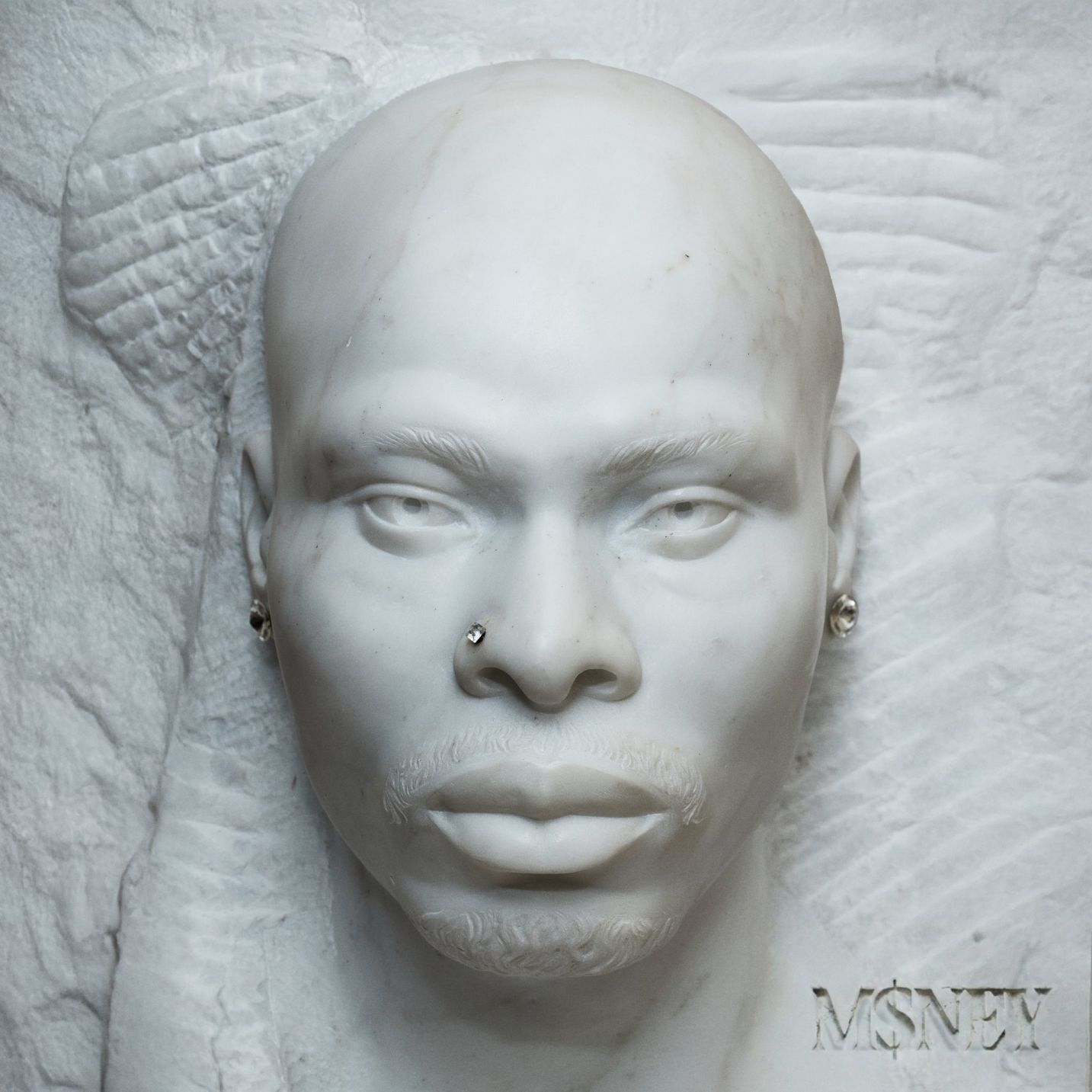
However, the direction would shift again following the announcement of his new album, with each move since then leaning more openly into the display of wealth. From curated visuals to rollout choices, including a listening party hosted at a private jet hangar, the emphasis has increasingly been on projecting affluence at scale.
Even in the pre-released “Badman Gangsta”—which samples Amerie’s 2005 record “1 Thing” on the intro—he slides into a laid-back flex: “stacking paper, play nicely, Leo Messi.” The intro itself, led by a choir of isiZulu voices, is sonically rich and soul-stirring, though it lands as one of his least compelling opening statements across his last three albums.
Throughout his work, Asake has also consistently anchored his sound in spiritual acknowledgement. On the pre-released “Worship” featuring DJ Snake, he opens with a deeply grounded declaration: “Alhamdulillah/ Praise be to God, no matter your condition, stay close to God”. It is a moment of gratitude and reflection, carried by a sincere devotional tone. That same current of gratitude flows into the more celebratory Magisticks-produced “Gratitude”.
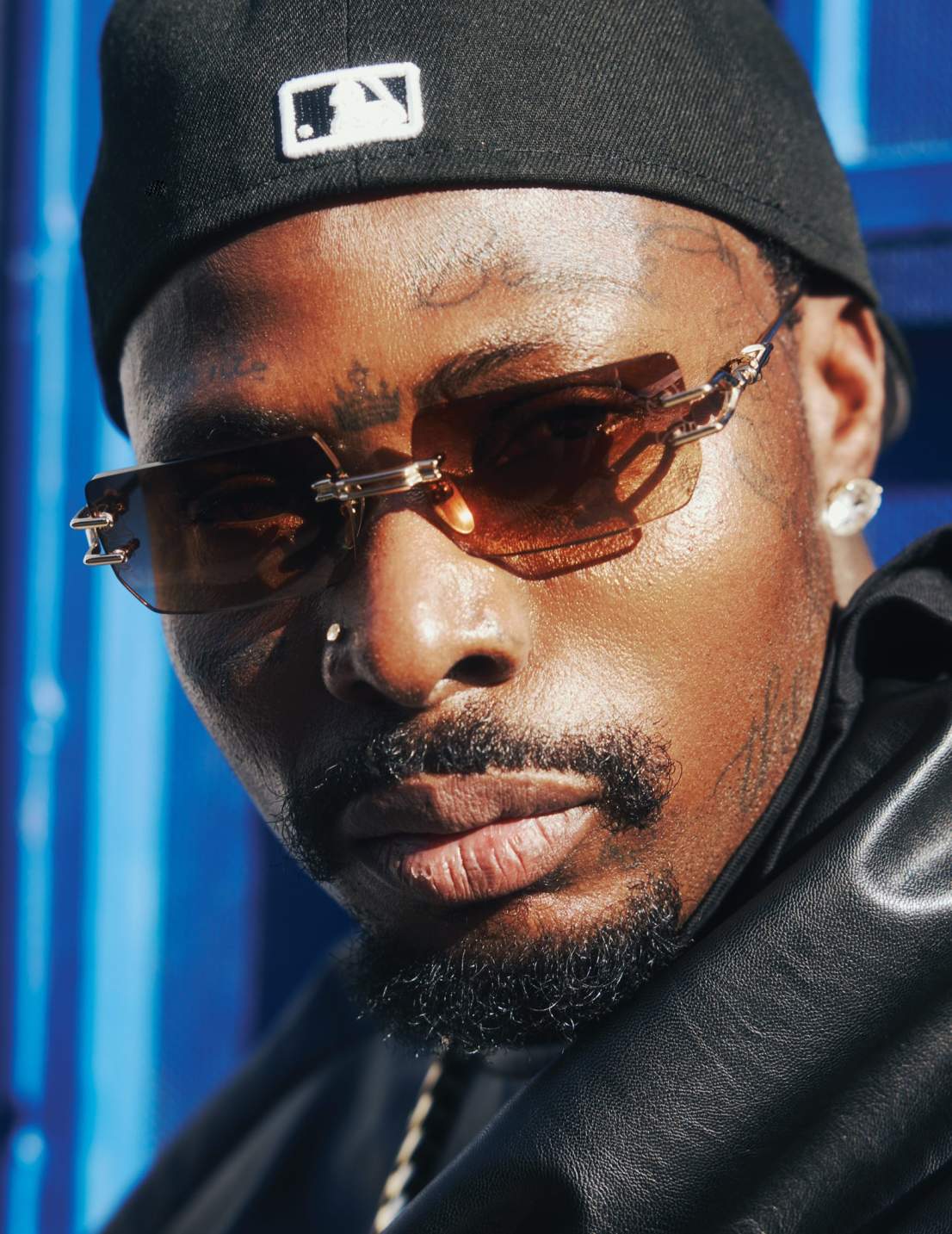
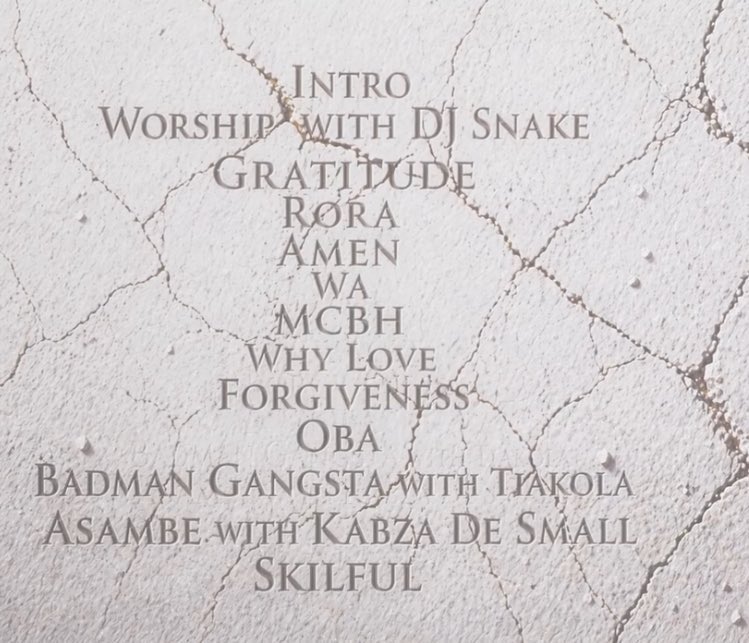
Sonically, M$NEY stretches across familiar territory with varying levels of impact. “Rora” stands out for its groove, with saxophone runs, shakers, and an EDM-leaning undercurrent that gives it a textured, kinetic feel. “Amen” feels less assured in its writing, but tracks like “Wa”, “MCBH”, and “Forgiveness” lean into his now familiar blend of futuristic percussion, Amapiano-Fuji hybrids, and street-rooted slang, reinforcing his signature sonic palette even when the songwriting wavers.
“Oba” carries a jazzy feel and braggadocio-led writing that is passable rather than striking, while “Asambe”, featuring South African producer Kabza De Small, pushes further into Afrobeats and amapiano fusion at scale. The album closes with “Skilful,” a log-drum-heavy, hedonistic record where pleasure sits at the centre: “I get many things I want to try, my lady / Man gat many skills, I no fit lie my baby,” he croons, sealing the project in familiar indulgence.
For all that M$NEY sets out to affirm, the album lacks the exploratory edge that defined his last project, Lungu Boy, where he stretched across a wider range of styles and genres. Here, he retreats into a safer, more recognisable framework that recalls the sonic identity of his first two albums without significantly expanding on it. To borrow from an earlier assessment of mine on his last album, Lungu Boy, I wrote that it marked “his first nuanced shift from the formulaic cadence that once served as the gateway to his mainstream success”. M$NEY marks a step back into that cadence rather than a continuation of its evolution.
That sonic restraint seeps into the songwriting. There is a noticeable paleness to the writing as it lacks the zestfulness and immediacy that made Mr. Money With The Vibe and Work of Art feel alive and sharply defined. Yet, the album is not without its high points.
On “Forgiveness”, “Gratitude”, and “Wa”, Asake finds pockets of clarity where the delivery aligns more convincingly, offering glimpses of the sonic liveliness that has defined his best work. Even when the lyrics falter elsewhere, the production remains a steady force. Longtime collaborators like Magicsticks and Blaisebeatz anchor the album with vibrant, percussive arrangements that feel built for music that would thrive in live settings.
Thematically, the album remains fixated on money, desire, and the familiar loop that ties both to divine acknowledgement. Wealth is pursued, displayed, and then folded into gratitude, often within the same breath. Still, in the past four years of a generational run—with groundbreaking chart records, Grammy nominations, and a cultural footprint that stretches well beyond Lagos—M$NEY is a reflection of where he currently stands. It captures an artiste settled into cash-heavy success, even if that sense of arrival comes at the cost of the inventive spark that once made his music feel compelling.


Lyricism – 0.7
Tracklisting – 1.3
Sound Engineering – 2.0
Vocalisation – 1.4
Listening Experience – 1.5
Rating – 6.9/10
Abioye Damilare Samson is a music journalist and culture writer focused on the African entertainment industry. His works have appeared in Afrocritik, Republic NG, NATIVE Mag, Newlines Magazine, The Nollywood Reporter, Culture Custodian, 49th Street, and more. Connect with him on Twitter and IG: @Dreyschronicle