

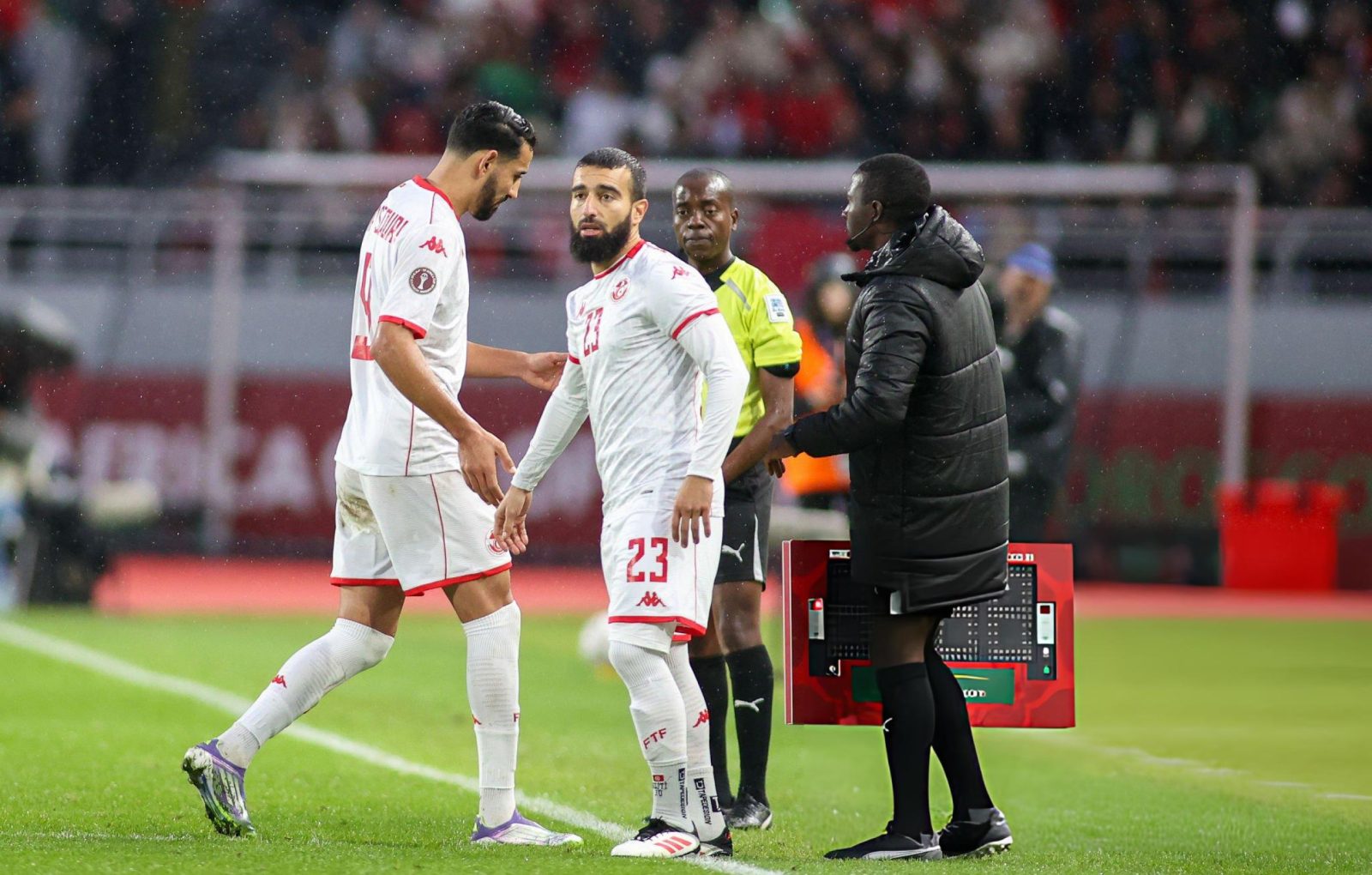

CAF’s responsibility should extend beyond arranging fixtures; it should involve examining how that calendar serves the development and preparation of national teams.
By Tuka Letura
FIFA handed national teams something unusual with this break: a longer September–October window, running from 21 September to 6 October, that replaces the two shorter breaks that used to occupy those months. It creates room for teams to play more international matches before heading back to their clubs, and UEFA is taking full advantage of it.
National teams in Europe, under UEFA, will be using this international window to play four competitive fixtures. Africa is using the same period to play two. It’s quite a contrast, and says something about how UEFA and CAF are approaching the international calendar.
The UEFA Nations League league phase already kicked off during this window, with matchdays one through four scheduled between 24 September and 6 October. That’s four competitive fixtures for European teams, each with consequences for qualification, promotion, relegation and, eventually, seeding.
Other regional federations will also have access to the same window, including Africa’s CAF. Yet for the 2027 Africa Cup of Nations qualifiers, it’s using only two of the available match slots. Why?
CAF doesn’t need to spawn a new competition to make better use of this window. It needs to recognise the opportunity already available and organise its calendar around it.
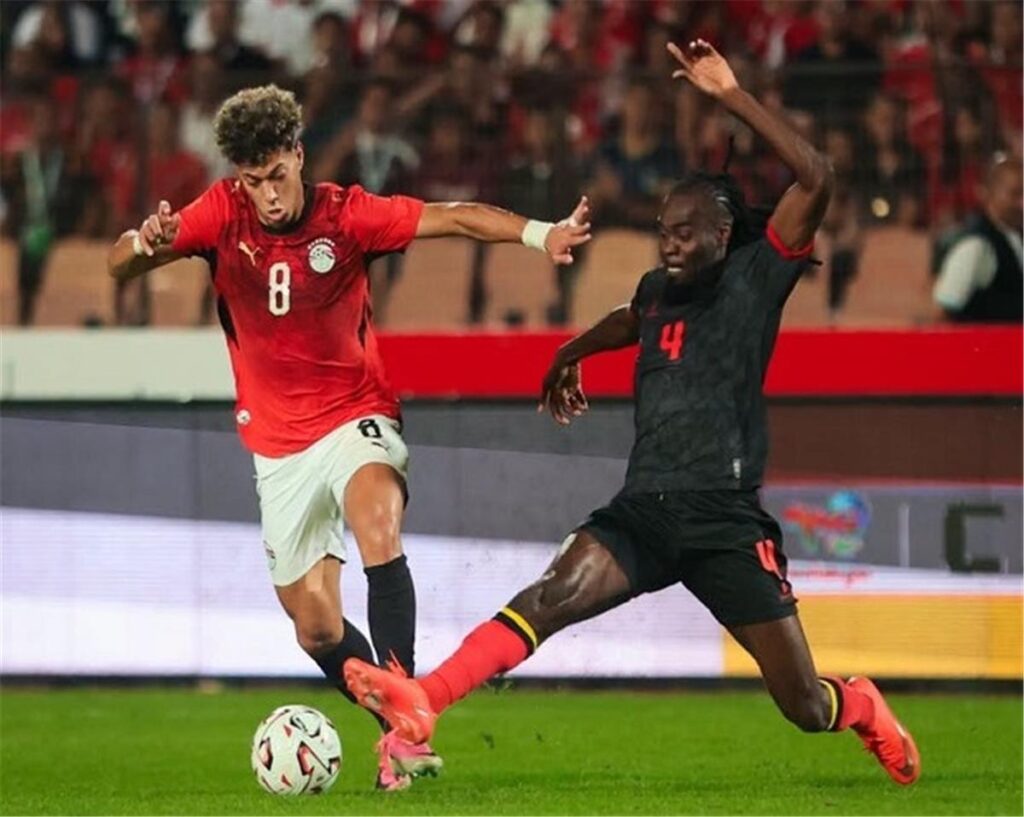
The 2027 Africa Cup of Nations qualifying campaign consists of six matchdays spread across three international windows: matchdays one and two in the current September–October window, three and four in November, and the final two in March 2027. Six games because each team is in a group of four and plays each other once away and once at home.
That structure isn’t unreasonable. Spreading six matches across three windows gives national teams time to prepare, recover and manage their squads. But a reasonable structure isn’t necessarily the most efficient one. This is even more worth examining after the extension of the international break.
The extended September–October window creates an opportunity to reconsider how those fixtures are distributed. CAF could have explored a format placing three qualifying matches in the current window and the remaining three in November, bringing the qualification campaign to a close before the end of 2026. That would have freed up the March 2027 window for international friendlies, AFCON preparation and, perhaps, an earlier start to 2030 World Cup qualifying.
There are different ways to arrange the fixtures, and the argument here isn’t that one particular distribution is automatically superior. It’s that CAF had a chance to use the additional dates more ambitiously. Instead, the current arrangement pushes qualification into March 2027, just months before the tournament begins in June.
That’s not inherently a problem, but it raises legitimate questions: why let a longer international window pass without exploring whether more competitive fixtures could be accommodated? What difference does an extended window make for the Confederation that previous ones didn’t??
Three games is not an unreasonable ask
Take Nigeria as an example. The Super Eagles beat Madagascar 2–1 on 22 September and are scheduled to face Guinea-Bissau on 29 September. That’s all the competitive fixtures they have to play this window. Their next game? A friendly against Russia. That’s already three international fixtures.
Nigeria’s schedule doesn’t prove every African national team can accommodate three competitive matches: different teams face different travel demands, squad circumstances and logistical challenges. But it supports the idea that a third match within this window wouldn’t be inherently excessive. European sides are playing four competitive fixtures; several African teams are already scheduling three, including friendlies. So why not use that additional fixture for competitive football, given circumstances allow it?
CAF could easily have set a minimum of three matches for teams. Four would probably be too much for teams to be able to meet the logistical and sporting requirements, given that logistics in Africa are arguably a step behind Europe, rather than letting a significant portion of the window go to fixtures that don’t contribute to AFCON qualification. The question again is: is CAF making the most effective use of a limited and unusually long international opportunity? The answer is no.*
Remember, this comparison with UEFA accounts for the differences between European and African football. African national teams face logistical challenges that cannot be dismissed: travel distances can be considerable, visa requirements complicate arrangements, and the availability of suitable venues and training facilities varies across the continent. Understandably, a four-match European schedule can’t be transferred to Africa without adjustment.
But that doesn’t eliminate the argument for using the additional days more effectively. The longer window gives teams more time to arrange travel, coordinate fixtures and manage recovery, and players have already begun their club seasons, meaning many arrive with some competitive fitness rather than coming off an extended off-season.
None of that removes the risks of additional matches. Injuries, fatigue and travel demands remain genuine concerns, and they should be part of CAF’s planning rather than dismissed in pursuit of a fuller schedule. The real question is whether those risks make three matches impossible, or whether better scheduling could make them manageable. There’s a difference between acknowledging the challenges and treating them as a reason not to explore the available options.


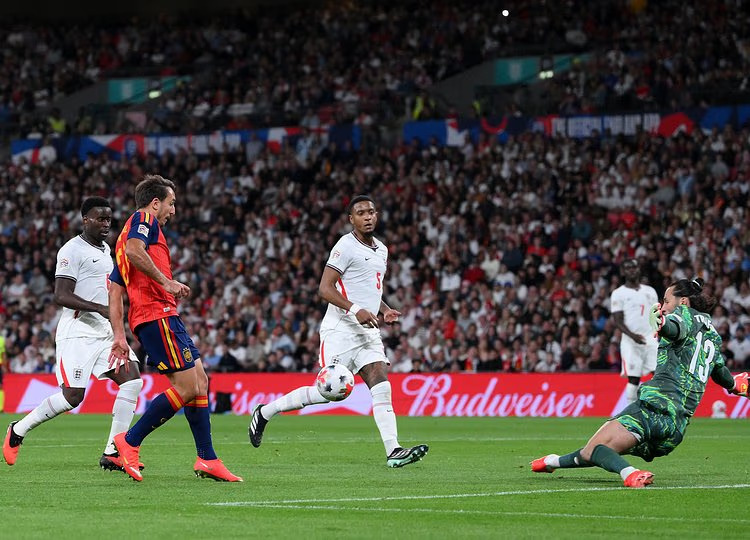
The value of this proposal isn’t just about completing qualification earlier. National teams have limited opportunities to train and play together: international windows bring players from different clubs, leagues and footballing environments into the same squad, and competitive fixtures help coaches assess combinations, establish tactical principles and build familiarity within the team.
Is this to say more matches automatically produce a better national team? No. But a carefully planned schedule could give teams more opportunities to develop within a competitive setting, a consideration that deserves attention for African teams preparing for AFCON and future World Cup campaigns.
CAF’s responsibility should extend beyond arranging fixtures; it should involve examining how that calendar serves the development and preparation of national teams. The confederation doesn’t need to replicate the UEFA Nations League like-for-like. What it can do is learn from the principle behind UEFA’s use of the window. Since additional international dates have become available, they should be examined for their competitive value rather than treated as ordinary scheduling space.
What should happen in March 2027?
Had CAF completed the AFCON qualifying campaign in 2026 as proposed here, the March 2027 window could have been used differently. Teams could have arranged friendlies against opponents with similar playing styles, prepared for the tournament and given coaches a chance to assess players outside the pressure of qualification. The window could also have been considered for a preliminary phase of 2030 World Cup qualification, subject to FIFA’s calendar and the relevant qualification structure.
That would have created a clearer separation between qualification and preparation, and given national teams a more predictable route towards the tournament.
In summary, this isn’t an appeal for CAF to copy Europe directly. That isn’t necessarily the most logical way to approach the issue, all things considered. The bigger point is that African football should be making the most of the opportunities available.
And that is ultimately where CAF’s decision comes into question. With a longer international window available, CAF had the opportunity to use more of it for competitive football and move the AFCON qualification process further along instead of leaving more of it for March 2027. The issue, then, is not that CAF chose a different approach from Europe. It is that, when presented with a longer window and an opportunity to give its national teams more meaningful competition, CAF chose not to make fuller use of it.
For a confederation seeking to improve the competitive environment for its national teams, that is the part of the decision worth questioning.
Tuka Letura is an experienced sports writer with over five years of experience in the craft. He uses data and statistics to provide analysis and commentary. From regional to worldwide competitions, he has covered a wide range of sports-related events and topics. He is devoted to sharing his enthusiasm for sports with his audience and engaging them with interesting anecdotes and viewpoints.