

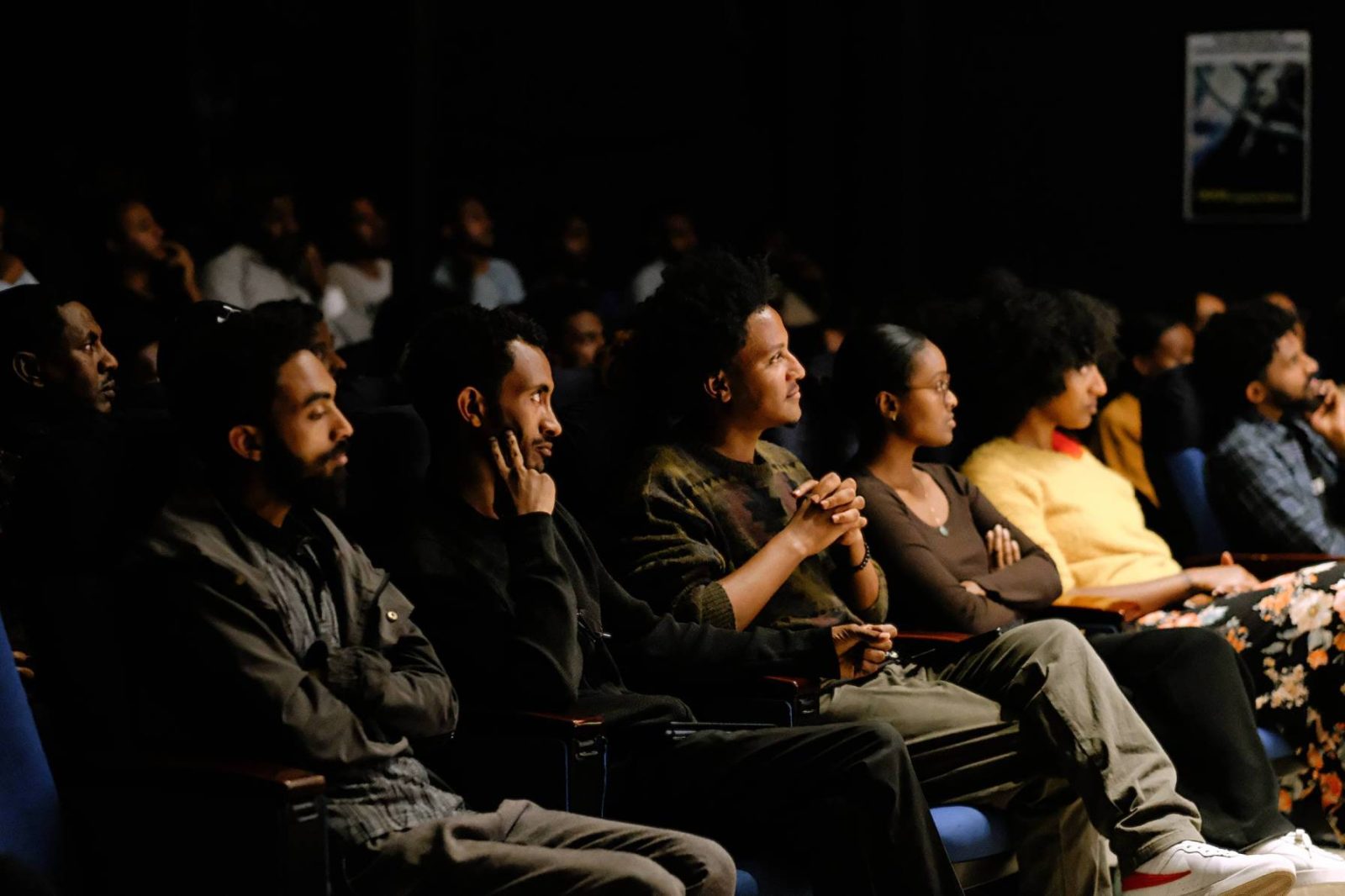


The joint effort of Beza Hailu Lemma and Bandamlak Yimenu, and the launch of Videobet, is an inspiration to other African arthouse cinema enthusiasts.
By Adedamola Jones Adedayo
While Ethiopian filmmaker Beza Hailu Lemma and freelance film critic Bandamlak Yimenu may have crossed paths traipsing around festivals in Europe, they met through a mutual friend who introduced them to each other six years ago. It was the sort of inescapable friendship fermented from an obsessive drive for cinema culture and development. Bonded also by shared homeland, the need to create a sustainable space came from a natural place.
They identified what was odd about cinema in Addis Ababa: the absence of an equivalent arthouse theatre. The film ecosystem was long dominated by mainstream releases and scattered viewing spaces, but a quiet, carefully measured shift was needed. This laid the foundation for Videobet Cinema, an abode for arthouse films.
Videobet, geared towards celebrating and promoting film culture in Ethiopia, began as a bi-monthly screening initiative at a local multiplex at the end of January, 2025. Over the past year, it drew a slate of notable screenings, including co-founder Lemma’s short film Alazar (2024), which was part of the Cannes Critics Week program; Tamara Mariam Dawit’s Finding Sally (2020), a Canada-Ethiopia co-production and political documentary which previously screened at the Durban International Film Festival; and Jessica Beshir’s Faya Dayi (2021), an Ethiopia-US-Qatar co-production that premiered at the Sundance Film Festival.
Other titles, films like Ousmane Sembène’s Mandabi (1968), and Diaspora ones such as Kathleen Collins’ Losing Ground (1982), Wim Wenders’s Paris, Texas (1984) and Wendell B. Harris Jr.’s Chameleon Street (1989) also made the year-long lineup.
“We already had the plan to start the cinema,” recalls Lemma, “but we had no scope for the market or whether there was an appetite for it. Initially, we began with a short film in December, where we invited the film industry community, friends and family for one screening. That motivated us to move into feature films.”
Born in 1993 in Ethiopia, writer-director Beza Hailu Lemma has engaged deeply with documentary and fiction, with several short films defining his trajectory. His films include Ballad of the Spirits (2016), Katanga Nation (2022) and Alazar (2024). Katanga Nation has premiered at over 20 film festivals globally, including Visions Du Reel and FESPACO, where it won the Silver Prize for Best Documentary Short.
Lemma’s journey as a filmmaker has also taken him to Berlinale Talents, TIFF Filmmakers Lab and L’Atelier by the Cannes Film Festival. Through Videobet, and together with his founding partner, he became a stakeholder in two key phases of the film industry: production and distribution.
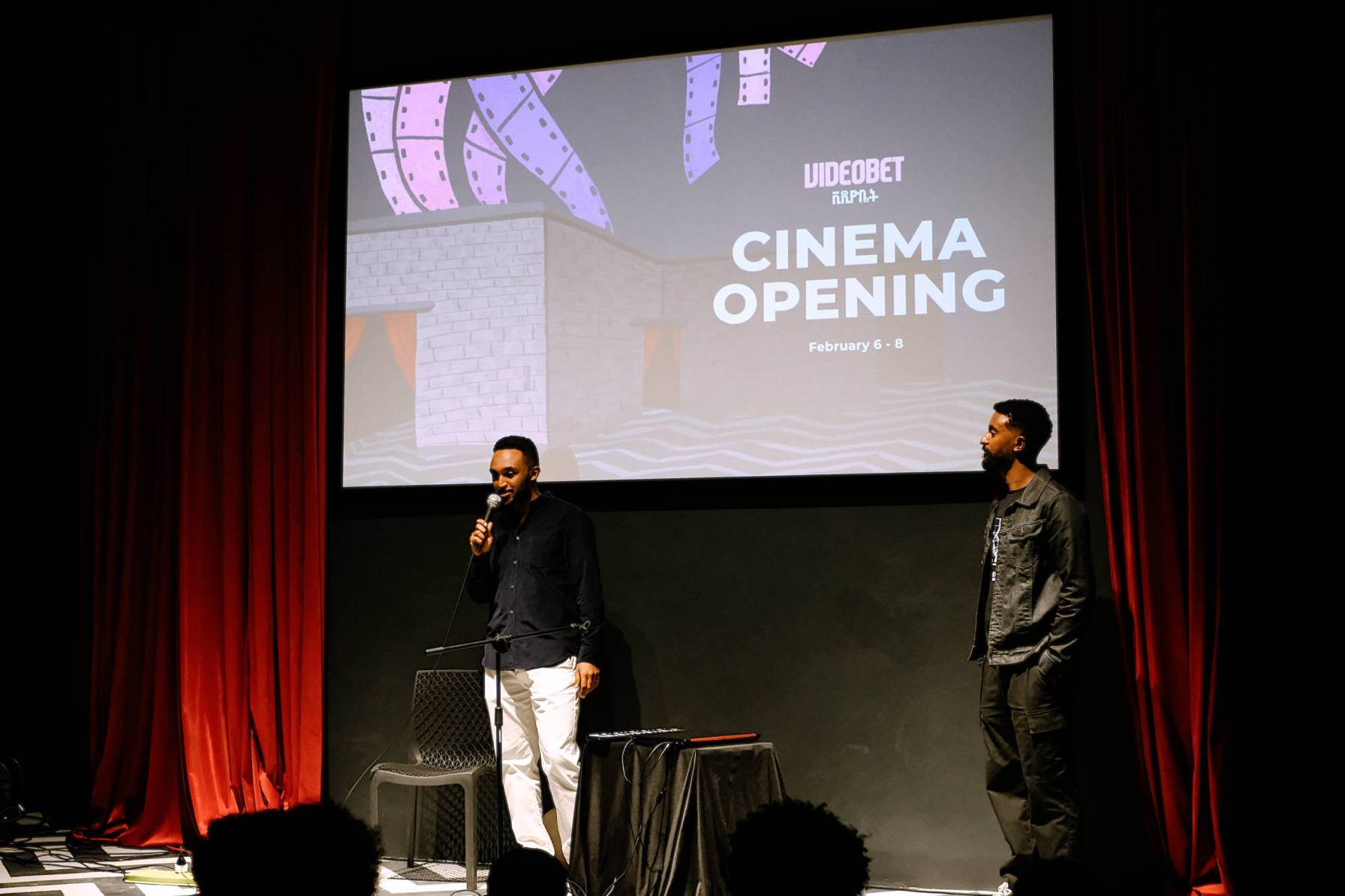
With a venue of its own inside the Red Terror Martyrs Memorial Museum building, right in the heart of Addis Ababa, Videobet Cinema kept an open door for the first time on February 6th, 2026, a laudable move towards fostering an eclectic film atmosphere. “Having our own place was very important for us”, Beza Hailu Lemma says, “because the previous place was a bit out of the way with transport and logistics problems”. In its opening weekend, the Cinema featured 13 contemporary Ethiopian short films, alongside panel discussions with the filmmakers.
On strategy and operations, Lemma points out that there will be at least one to three screenings for each day, with a focus on the local filmmaking community, particularly those that are experimental or challenging in style.
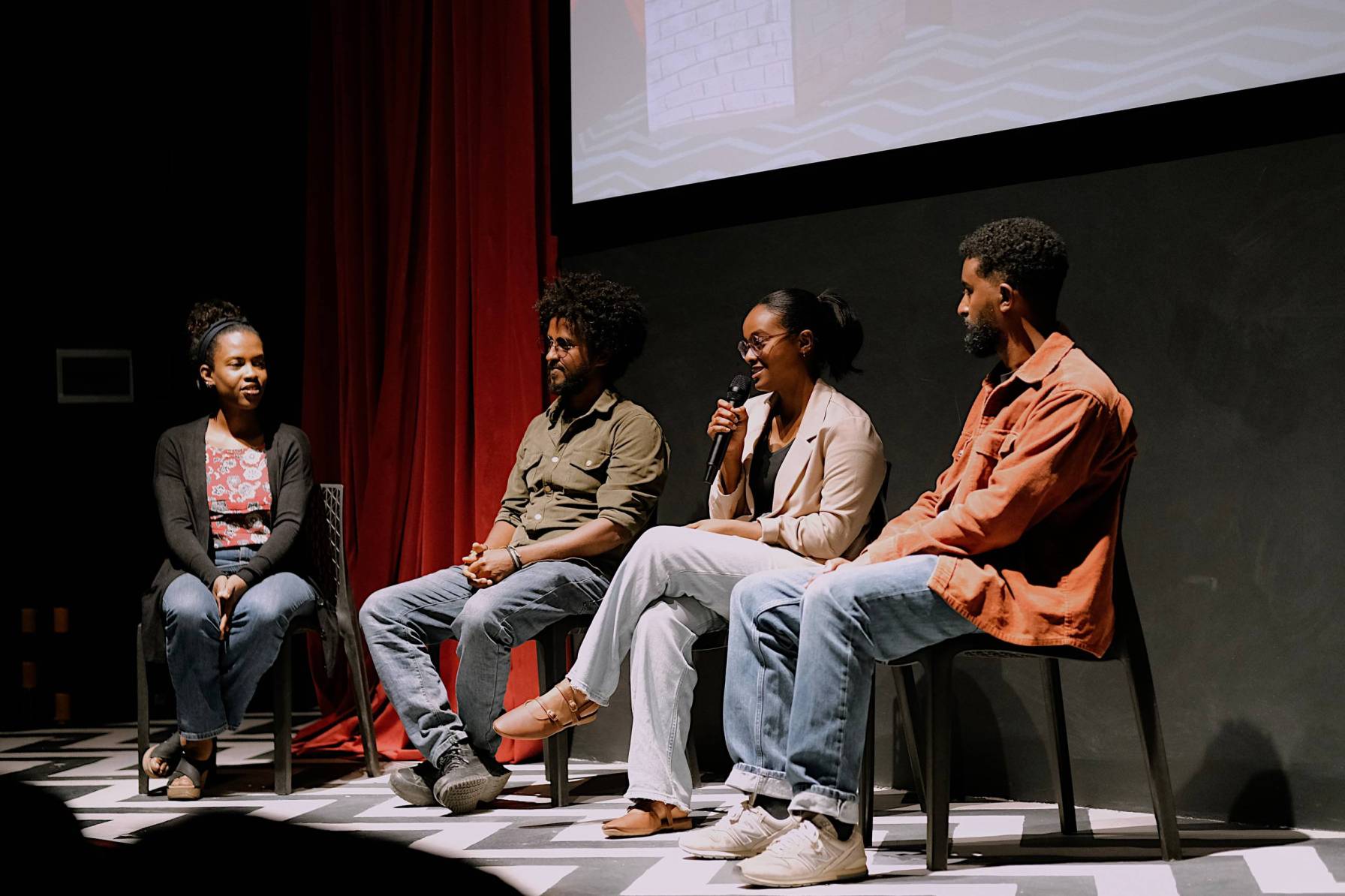
Priority will go to films that do not have the platform and clout on their own to reach wider audiences. “But we still have a lot of work to do in terms of acquisitions and licensing, so it will also depend on what we can access”. Lemma admits. The goal is to cultivate a centre where, according to the co-founder, “filmmakers, film lovers, the film community at large and artists can meet, discuss films and develop new things together.”
But Videobet’s scope will not be limited to contemporary films, as the exhibitors intend to show old films or classics from not only the Ethiopian film industry but also across other African film hemispheres and the Diaspora. “It is going to be a mix of different things,” Lemma adds. “We will also regularly have panel discussions and screenings of new short films made by the filmmaking community here”.
Funding for Videobet comes entirely from its founders’ purses. Yet it runs on a familiar self-sustaining economic model: sales of concessions like popcorn and coffee, renting of space to individuals and organisations in need for related occasions, and, essentially, ticket sales for screenings.
There are undisclosed plans for partnerships with embassies so as to have access to certain kinds of films, and collaborations involving NGOs, festival programmers and other cinema organisations in Addis Ababa. Concerning the possibility of expanding to other parts of the country, Bandamlak Yimenu responds that while he and Lemma have not decided yet, they might consider a mobile cinema strategy rather than an entire physical set-up. “There is a lot of cinema culture in other parts of the country going back 30 years, so it would be nice to reinvigorate that somehow,” Yimenu says, fixated on the present but also mindful of what the future could offer.
Ethiopian cinema has a rich history dating back to the 19th century. But like her African counterparts, the industry stood out in the 1990s and early 2000s, when we had the initial presence of VHS tapes in the 90s, giving way to a fully-fledged digital revolution that accelerated the rate of feature-length film productions from young filmmakers in the country. By the mid-2000s, theatrical distribution blossomed, encouraged by the government lifting its previous embargo on socially conscious cinema. Addis Ababa, the capital city, flourished as the stronghold of the country’s cinema culture.
Festival programmer and founding director of the Ethiopian International Film Festival (ERTHOPIAN) Yirgashewa Teshome observed an increase in theatres in the state from four to thirty-nine, with ownership and administrative affairs divided between the government and private individuals or groups. Cinema culture peaked around this period, yielding commercial box office hits Yewendoch Guday (2007), Silanchi (2010) and Lishan (2017), before capitulating to challenges such as poor services at cinema houses and reduced viewership. Teshome reported a rise in the number of moviegoers from about 861,648 in 2009 to over 1,056,503 in 2015, with total box office revenue across Addis Ababa-based cinemas moving from 8 million ETB (Ethiopian Birr) to 11.7 million ETB within this period.

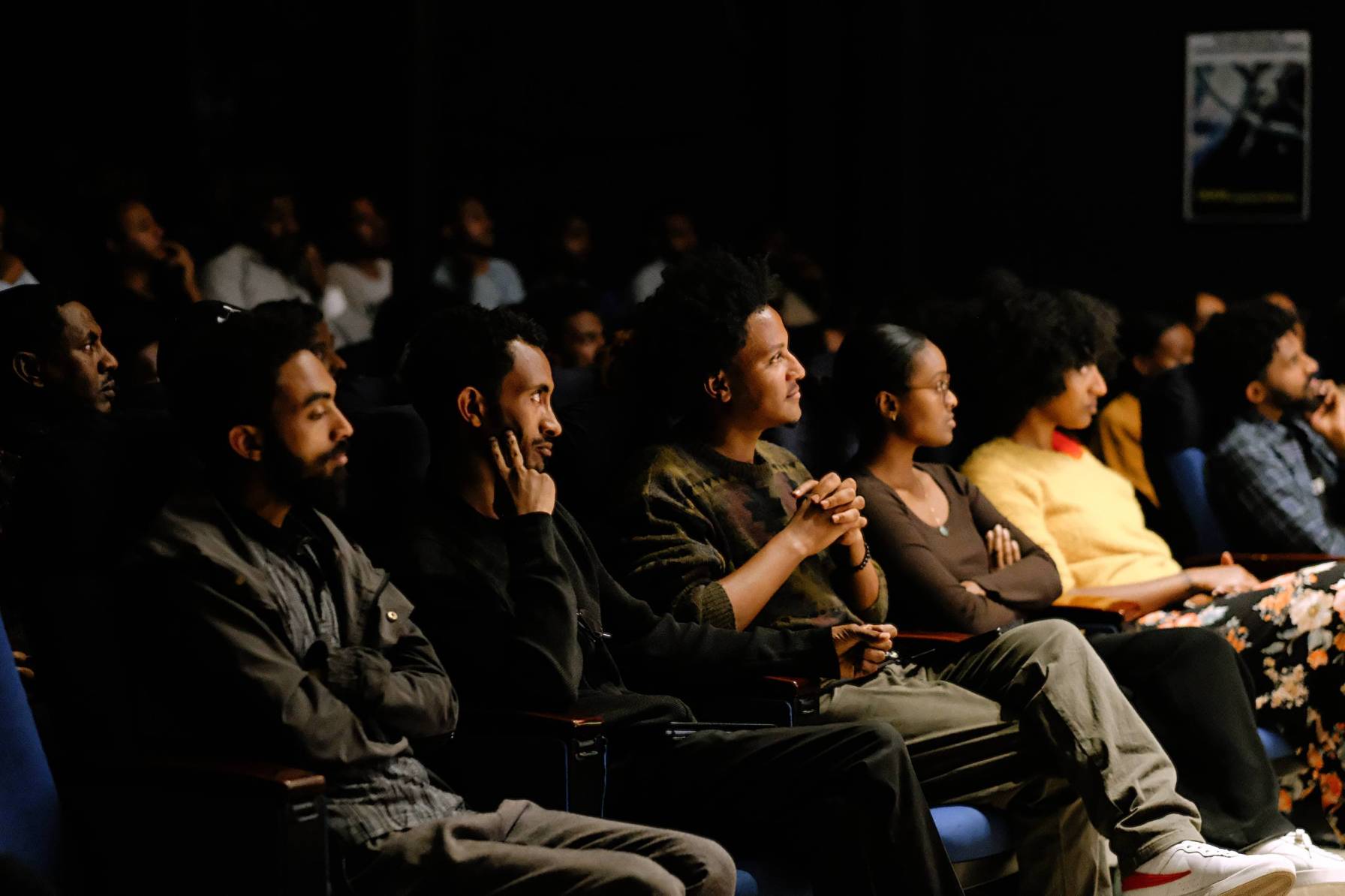
The recent decline in multiplex patronage is also partly blamed on COVID-19 and the rise of digital streaming, with platforms like HabeshaView and Showmax providing easy alternative access so people can now watch films from their homes and private spaces. “Gradually, over the past five to ten years, because of the internet and YouTube and all of that, cinema attendance has decreased a little,” Lemma reminisces. “People still watch films on YouTube and other online platforms, but cinema-going has dropped, especially in the last five years.”
Ethiopians’ appetite for films has, however, not really waned. Local cinema houses are divided between exhibitions of indigenous films and foreign titles. Ideally, the foreign slate is dominated by Hollywood blockbusters. With Videobet, Beza Hailu Lemma and Bandamlak Yimenu envisage a bridge, through which both African and international titles can simultaneously travel.
Beza Hailu Lemma insists, “Our mandate is not only to bring European, Asian or American films, but to also give a platform to African and Ethiopian films that do not always get the chance to screen here.” This belief is grounded in his impression of Ethiopian youth culture as a sophisticated one.
Though Bandamlak Yimenu’s commitment to film criticism comes with a great deal of intentionality on his part, the same cannot be said for other film lovers in his country. Ethiopia has a precariously weak film criticism culture, which Yimenu hopes to strengthen with Videobet. “That is part of the reason why we need a platform like Videobet, because we can do workshops and help build that space,” Yimenu says. “Films cannot live in a bubble. They need discourse to keep them alive.” He says he has benefitted immensely from his work with the Locarno Critics Academy in the past summer, learning to tailor his writing to an international audience.
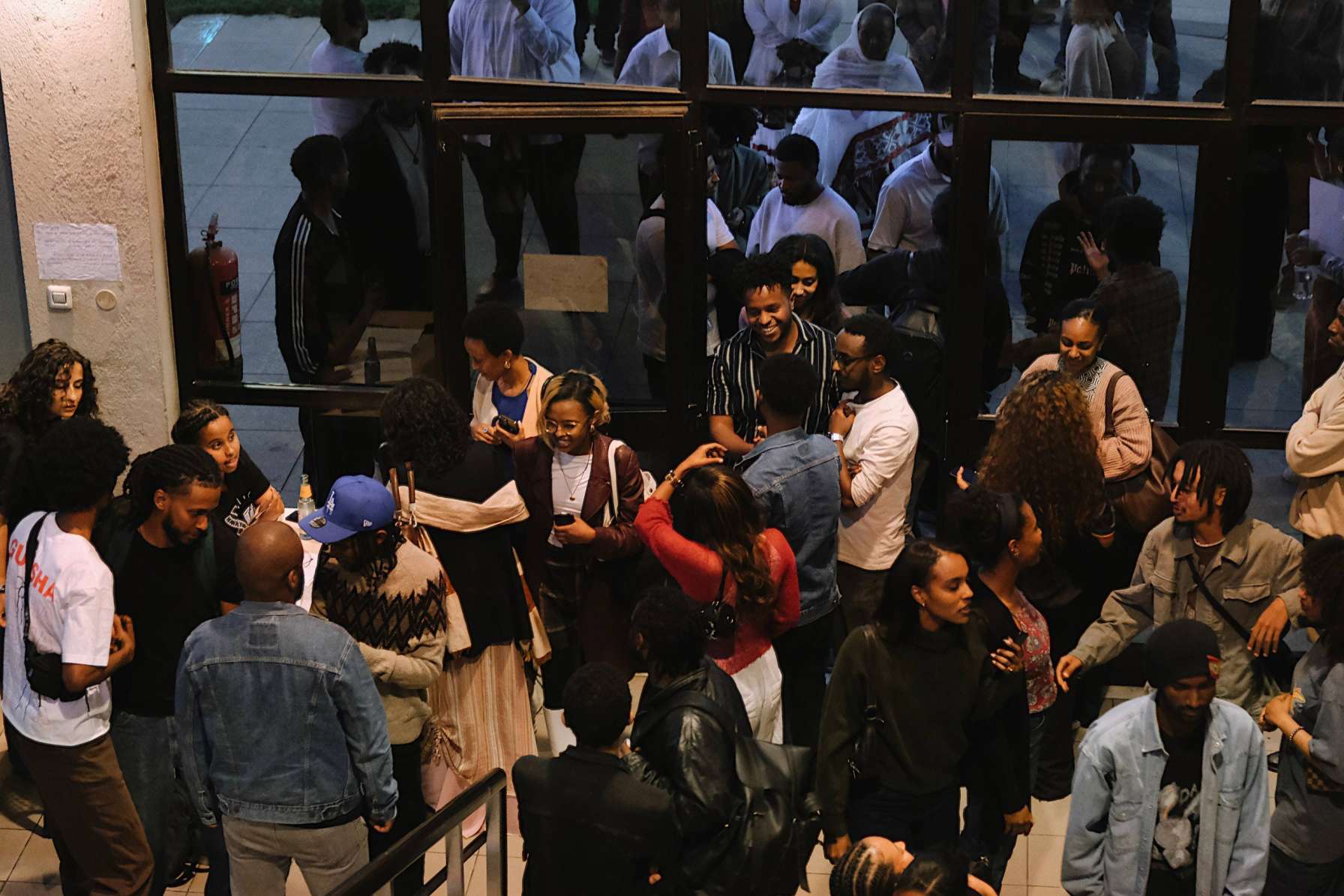
The joint effort of Beza Hailu Lemma and Bandamlak Yimenu, and the launch of Videobet is an inspiration to other African arthouse cinema enthusiasts. For long, indie and arthouse filmmakers here have been conditioned to an uncertain exhibition trajectory, having to take their films to festivals across and beyond the continent. When they reach the theatres after the festival run, they often cannot compete favourably with other mainstream projects from established filmmakers.
This is because they lack the star power, popularity and budget for proper marketing to attract the required audiences to the cinemas. What Videobet, then, offers is hope and opportunities for the big screen. This is similar to the undertaking of the S16 Film Festival, an annual festival based in Nigeria, offering screening avenues for artistically audacious indie filmmakers.
Ultimately, platforms like Videobet remind the continent of its many hidden, untapped film potentials and the need for the continent’s film executives to continually take matters into their hands, leveraging available local resources and opportunities to ensure that the cinema remains alive.
Adedamola Adedayo is a film journalist and critic with a special interest in African cinema. Through writing and audiovisual mediums, he creates conversations around cinema in Africa and the Diaspora. You can find him on Instagram @jonesthegoodboy and X on AdedamolaAdeda4.