

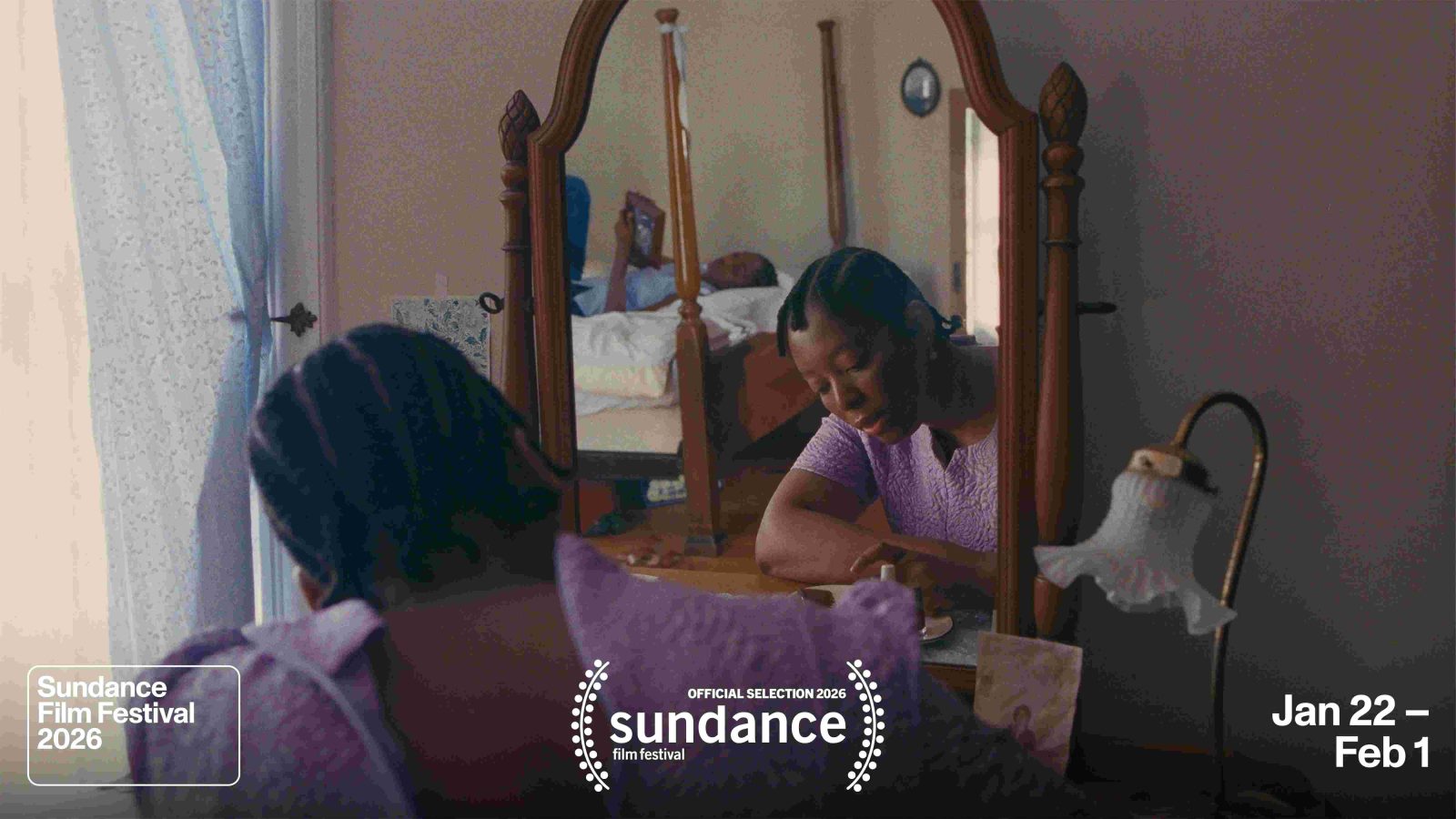

Birdie positions itself within the terrain of historical reckoning, seeking to illuminate a fractured moment in Nigeria’s past.
By Jerry Chiemeke
In the annals of Nigerian history, few events cast a shadow as long and haunting as the Civil War, a 30-month conflict that tore families apart, displaced millions, and left indelible scars on the national psyche. It is this turbulent backdrop that Nigerian-born filmmaker Praise Odigie Paige chooses for her 18-minute short film, Birdie (2026), produced by Sisi Films.
Paige, whose previous works include the shorts, Simoune (2019) and Goodnight Mary (2019), as well as the award-winning documentary series, Imagining Abolition (2022), often probes the inner worlds of marginalised women, turns her lens here to the limbo occasioned by emigration.
Starring Eniola Abioro, Precious U. Maduanusi, Sheila Chukwulozie, and Said Marshall, the film attempts to unpack the fragile interplay of agency and selfhood in the face of protracted uncertainty. It is ambitious in its aims: seeking to illuminate the nuances and emotional dimensions of refugee life during one of Nigeria’s bloodiest chapters.
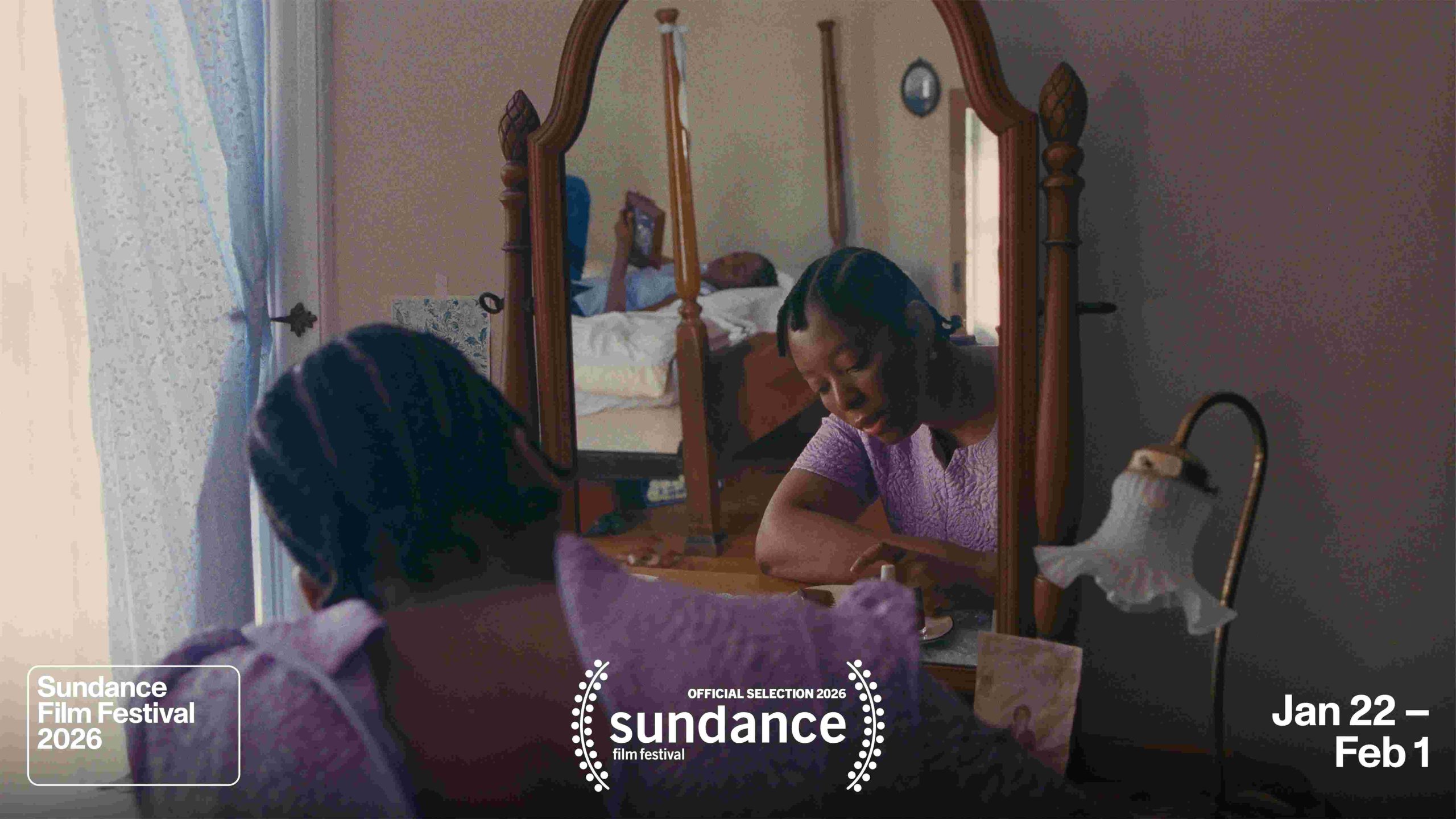
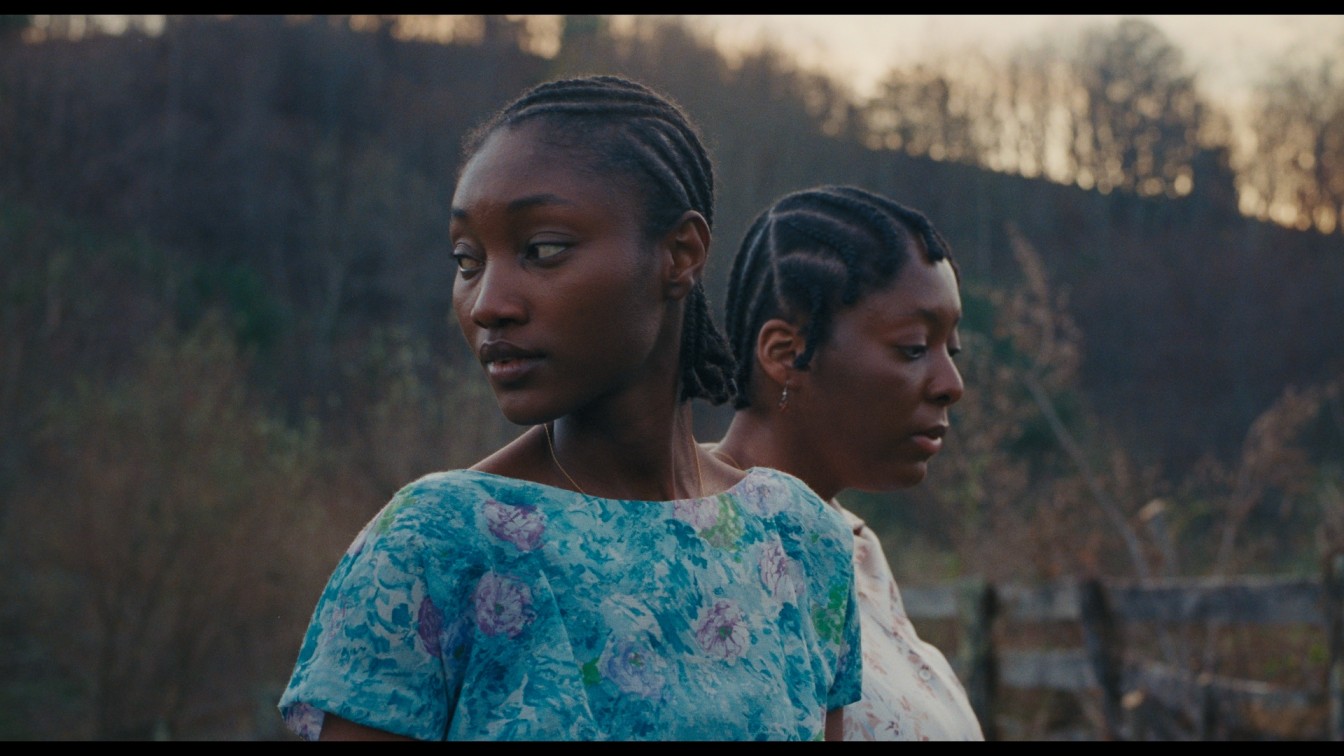
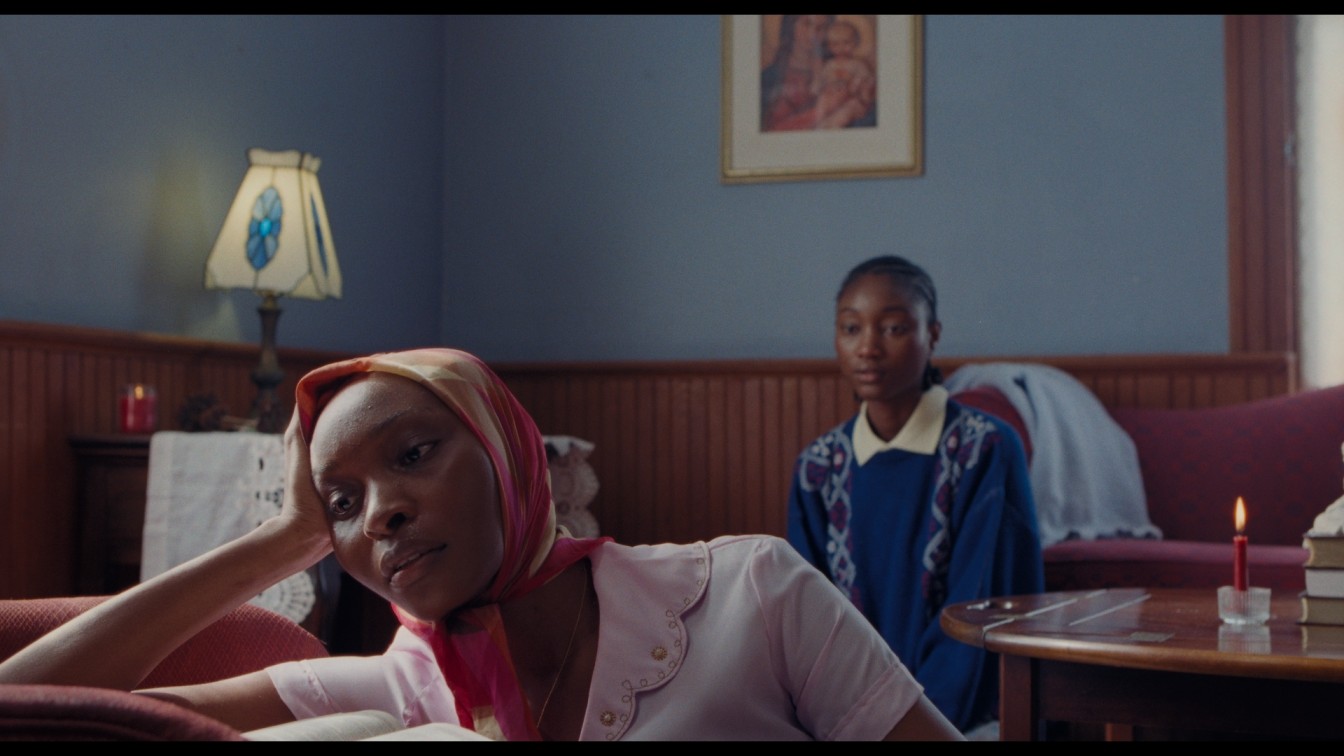
Birdie follows sisters English (Abioro) and Birdie (Maduanusi), alongside their mother Celeste (Chukwulozie), as they take refuge in a Virginia convent during the Nigerian Civil War. The family waits for the patriarch to return, their days punctuated by prayers, radio broadcasts, and the fading resonance of old music recordings.
English’s voiceover narration guides us through the emotional landscape, and after the war ends, optimism curdles into resignation as months bleed into one another. Birdie, the more pragmatic of the sisters, grows restless, her impatience fueled by a budding connection with Justus (Marshall), a passing soldier, prompting her to contemplate leaving the convent’s confines.
Paige’s thematic preoccupations are clear. Her film attempts to encapsulate the peculiarity of hope in conditions where it has no rational basis, where a family fractured by war must navigate the liminal space between home and exile.
Abioro’s performance as English is the film’s most effective instrument. She captures the quirks of a girl caught in an emotional impasse, neither fully able to grieve nor to move forward. Her facial expressions and eye movements convey a pensive quality, her moments of levity providing fleeting relief as her buoyancy contrasts with the cynicism of Maduanusi’s Birdie. Both young women are burdened by their father’s absence, but they metabolise it differently, and this divergence makes for the film’s narrative fulcrum.
Birdie thrives on the effectiveness of its technical layout. Old radio broadcasts are intercut with gunfire and bomb sounds, building a palpable atmosphere of wartime dread. Andrew Stephen Lee’s editing provides moments of grace, particularly in Birdie’s final cuts, where Lidia Nikonova’s cinematography does its best work. Nikonova attempts to paint a portrait of innocence upended, a young girl whose worldview has been altered by the devastation of war. The soundtrack, featuring Formulars Dance Band’s “Never Never Let Me Down” gestures toward nostalgia, albeit at the risk of undermining its potency through repetition.
The dialogue is primarily in English, with only a scant degree of Igbo, and what little of the latter is here flows with an acute uncertainty, as though the characters themselves are unsure whether to speak it.
One could argue, as some might, that displacement affects language and being uprooted from home might loosen one’s grip on the mother tongue. But this line of reasoning doesn’t hold water. Language is one of the things you cling to when everything else has been stripped away. It is a tether to identity and the very notion of home. For a family holding on to vestiges of their former life, this tension could have been explored with more fluidity.


Where this film falters is in its historical inaccuracy. According to English’s narration, Biafran soldiers surrendered in the summer, but the Nigerian Civil War ended in January 1970. For a film that seeks to illuminate a specific chapter of Nigerian history, one still fraught with trauma and political resonance, this kind of error sticks out like a sore thumb. History buffs will probably roll their eyes, and in the context of short films, that blunder could be a tad jarring.
Still, there is potential here. The intensity, though it operates largely in the undercurrent, is palpable. Birdie’s focus on interiority, on the anguish that unfolds behind closed doors while history thunders outside, represents its most promising impulse. If Paige were to expand this into a feature-length project, as the material seems to demand, and if she were to address the historical and linguistic gaps, the result could be something revelatory.
By posing important questions about hope, displacement, and familial bonds, this film emerges as a sketch for something that could be more profound. At the very least, its director exhibits a commitment to excavating overlooked narratives, to asking what happened to the women and children scattered by the war and insisting that their stories matter. In a landscape hungry for nuanced depictions of African women’s wartime experiences, Birdie opens a door, even if it doesn’t fully step through.
*Birdie screened in the Short Film programme at the recently concluded 2026 Sundance Film Festival.
Jerry Chiemeke is a Nigerian-born writer, film critic, journalist, and lawyer based in the United Kingdom. His writing has appeared in Die Welt, The I Paper, The Africa Report, The British Blacklist, Berlinale Press, The Johannesburg Review of Books, Culture Custodian, Olongo Africa, and elsewhere. Chiemeke’s work has won or been nominated for the Pushcart Prize, Ken Saro Wiwa Prize, Diana Woods Memorial Award for Creative Nonfiction, Best Small Fictions, and the Quramo Writers Prize. He is the author of the critically-acclaimed short story collection, Dreaming of Ways to Understand You.