


African filmmakers are no longer waiting for permission or validation from foreign gatekeepers; they’re building the infrastructure, audiences, and creative networks necessary to tell their stories on their own terms.
By Afrocritik’s Film Board
African cinema demonstrated remarkable resilience and ambition in 2025, achieving significant milestones that signaled both artistic maturation and commercial viability. Akinola Davies Jr.ʼs My Father’s Shadow made history as the first Nigerian film to feature in the Cannes Film Festival’s official selection, premiering in the Un Certain Regard section. Damien Hauser’s Memory of Princess Mumbi pushed creative boundaries with its Afrofuturist mockumentary exploring artificial intelligence ethics in contemporary filmmaking. Meanwhile, box office successes continued to prove that African stories resonate powerfully with local audiences when marketed effectively.
Yet beneath these victories lie persistent challenges: global streaming platforms tightening their African content budgets, the Canal+ acquisition of MultiChoice creating uncertainty, and ongoing struggles with sustainable distribution infrastructure. Despite these obstacles, filmmakers across the continent are responding with strategic innovation, building alternative pathways, and deepening their commitment to culturally-rooted storytelling.
As the industry builds on 2025’s momentum, what new trends, collaborations, and strategies will define African cinema in 2026? How will filmmakers navigate an evolving landscape while creating work that resonates both locally and globally?
Surge in Collaborative Projects
2026 will be defined by unprecedented collaboration—both across borders and within national film industries—as filmmakers recognise that partnership offers strategic advantages in an increasingly competitive landscape.
Pan-African collaborations, particularly between Ghana and Nigeria, will intensify significantly. Ghanaian film and theatre journalist Alice Johnson predicts stronger collaboration between Ghana and Nigeria, with filmmakers becoming far more comfortable crossing borders to shoot, produce, and collaborate. Nigerian filmmakers will increasingly come to Ghana to make films, and Ghanaian artists; actors, writers, directors, and crew will continue to be exported into Nollywood spaces.
Such collaboration will manifest across platforms. Johnson notes, “This (collaboration) will show up strongly on YouTube platforms, where many of these films are already finding audiences, but also in cinemas. I see more Ghanaian creatives making YouTube films within the Nollywood (YouTube) system while also transitioning into theatrical projects, as the boundaries between these spaces continue to blur”. This is particularly notable considering that the 2025 Nigerian Box Office Yearbook by FilmOne shows that 23 Ghanaian titles screened in Nigerian cinemas, grossing approximately ₦88.8 million from 9,375 admissions in 2025.
Within Nigeria specifically, major production companies will partner on ambitious projects that pool resources, talent, and distribution networks. The January 2026 announcement that EbonyLife Group is producing the screen adaptation of Lola Shoneyin’s novel, The Secret Lives Of Baba Segi’s Wives, in partnership with Genesis Group, Nile Media Entertainment Group, and Silverbird Group, exemplifies this trend. Such collaborations allow companies to share financial risk while leveraging each partner’s unique strengths.
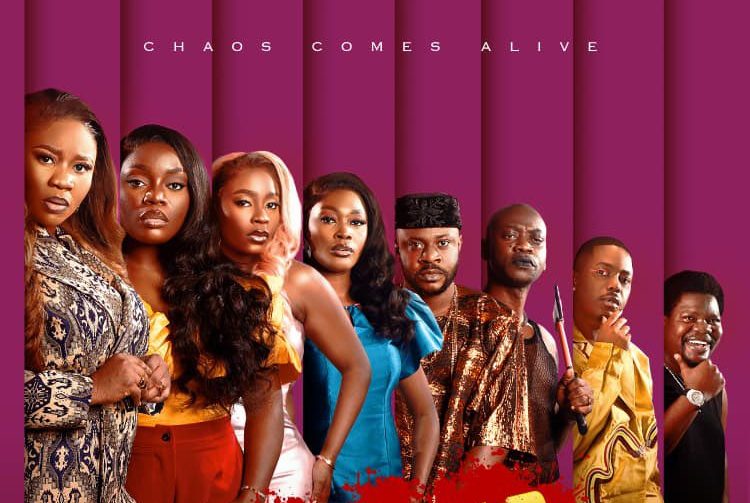
Actor-driven collaborations will also proliferate, building on the success of films like 2025’s Gingerrr, which had Wunmi Toriola, Bukunmi “KieKie” Adeaga-Ilori, Bolaji Ogunmola, and Bisola Aiyeola star in and executive produce the film. The project grossed ₦522 million, demonstrating that established actors combining their fanbases and creative vision can achieve significant commercial success. This model reduces investor risk by attaching multiple bankable names to a single project while giving actors greater creative control and profit participation.
Ikeade Oriade, Founder and Editor-in-Chief of What Kept Me Up, sees collaboration as both a creative and competitive strategy: “There are now perceived box-office ‘giantsʼ people feel compelled to go up against. Individuals and projects that must be beaten to prove commercial and cultural worth. For some films, collaboration will be the answer to making a mark in cinemas, both pan-African and international co-productions. This could also mean another major Nigerian film in sustained international conversation”.
Alternative Distribution Avenues Multiply
With global streaming platforms pulling back and traditional distribution proving increasingly unreliable, 2026 will witness an explosion of alternative distribution models as filmmakers take control of how their work reaches audiences.
Nigerian-owned streaming platforms will emerge as key players, though many will be experimental and unstable. Filmmaker Taiwo Egunjobi predicts, “With global streamers pulling back, 2026 will see more Nigerian-owned platforms and hybrid distribution models. Most will be experimental, unstable, but necessary for long-term ecosystem learning”. While platforms like Kava and Circuits TV have already launched in West Africa, the year will see new entrants testing different business models, content strategies, and revenue-sharing approaches. Though not all will succeed, this experimentation is essential for building sustainable infrastructure independent of foreign platforms.
Oriade is watching closely for major shifts at Canal+, and how those changes may reshape the streaming and broader film landscape across Africa following the French conglomerate’s acquisition of MultiChoice. How Canal+ manages this transition will significantly impact distribution opportunities for African filmmakers throughout 2026.
Film festivals and alternative screening spaces will proliferate across the continent. Filmmaker and festival organiser Sele Got predicts there will be more festivals across Africa as cultural institutions recognise cinema’s growing importance. In Nigeria, film critic Seyi Lasisi observes that “we are going to see more alternative indie screening spaces and film communities coming up”. The 2025 launch of Visions, a film society in Port Harcourt (not particularly known for being a film hub), exemplifies this trend: grassroots organisations creating sustainable screening infrastructure outside traditional cinema circuits.
Community cinema will also gain traction as both a distribution strategy and audience engagement tool. Nigerian film journalist, Esther Kalu, points to Femi Adebayo’s success with Ageshinkole 2 (2025), which utilised community screenings effectively. “Considering the cost of frequenting multiplexes and the harsh economic realities of most African societies, community cinema feels like a timely intervention and cost-effective viewing option for audiences”, she notes. This model allows filmmakers to reach underserved communities while building direct relationships with viewers, particularly valuable for films that may not secure wide theatrical releases.
More Projects Emerging From Film Labs and Production Funds
Film labs, production funds, and talent development initiatives will play an increasingly central role in nurturing African cinema, providing not just financing but also mentorship, creative development, and professional networks essential for sustainable careers.
Got predicts more projects emerging from film labs and production funds, emphasising that these institutional supports have become crucial pathways for filmmakers—particularly those working outside commercial mainstream structures—to develop ambitious projects that might otherwise struggle to find backing.
The impact extends beyond individual films. Ugandan film critic and filmmaker Timothy Niwamanya recognises a real renaissance of African cinema studies and journalism, one that considers the expanding digital media space. This infrastructure development would create ecosystems where filmmakers can learn, collaborate, and refine their craft before committing to production. “I think there will be a lot of interesting creative foundations on a variety of topics making waves internationally over the next few years,” Niwamanya says.
Film labs provide something money alone cannot: time for creative development, feedback from experienced mentors, and connections with potential collaborators and financiers. As more African filmmakers achieve international recognition through lab-supported projects, these programs will attract increased funding and institutional support, creating a virtuous cycle that strengthens the entire ecosystem.
Nigerian Indie Filmmakers Being Spotlighted Nationally
Independent Nigerian filmmakers will gain unprecedented national visibility in 2026, moving beyond festival circuits to reach mainstream audiences through innovative partnerships and expanding exhibition infrastructure.
The most significant development is S16’s proposed partnership with the Nigerian Television Authority (NTA) to distribute Nigerian films. Lasisi explains the implications: “S16 is going to be in partnership with NTA to distribute Nigerian films. So what that means is that we might see a wave of Nigerian indie filmmakers getting national distribution because NTA has been touted as the largest television network in Nigeria, so whatever distribution arm and distribution channel that NTA has, it means Nigerian indie filmmakers can benefit from what they have to offer.”
This partnership could transform indie cinema’s accessibility within Nigeria. While festival screenings reach limited audiences in major cities, NTA’s broadcast infrastructure can deliver films to viewers across the country, including regions with minimal cinema access. Whether this translates to sustainable revenue for filmmakers remains uncertain, but the visibility alone represents significant progress.
Beyond NTA, the proliferation of alternative screening spaces predicted by Lasisi means indie filmmakers will have more venues to showcase their work within Nigeria itself. This domestic spotlight matters enormously; not just for ticket sales, but for building local audiences, attracting Nigerian investors, and proving that experimental, auteur-driven cinema can find audiences beyond international festival circuits.
Oriade is particularly interested in seeing how S16 develops its audience-engagement strategies throughout the year, recognising that festivals must evolve from annual events into year-round platforms that actively cultivate audiences for indie cinema. If successful, these strategies could create sustainable domestic markets for non-commercial filmmaking—a development that would fundamentally reshape Nigerian cinema’s economics.
Marketing Becomes Decisively Central
Marketing will transition from a supporting element to an essential determinant of success in 2026, as filmmakers recognise that even excellent films fail without strategic, sustained promotional campaigns.
The box office and festival successes of films like Behind The Scenes (2025), Oversabi Aunty (2025), and My Father’s Shadow demonstrated the power of intentional marketing. Each benefited from sophisticated campaigns that built anticipation months before release and maintained momentum through theatrical runs. These weren’t accidental successes, they were engineered through careful audience targeting, influencer partnerships, social media strategy, and traditional media buys.

Kalu is emphatic about marketing’s new importance: “No matter how good a film is, African filmmakers can no longer afford to take chances and must be intentional about marketing it. This will be instrumental to the trajectory of African cinema this year.” The days when quality content could rely on word-of-mouth alone are over; audiences face overwhelming entertainment options, and films must fight aggressively for attention.
Got predicts more innovative ways to market films as competition intensifies and filmmakers experiment with approaches beyond conventional advertising. This might include immersive social media campaigns, interactive audience experiences, strategic partnerships with brands and influencers, and creative publicity stunts designed to generate viral moments.
The challenge is that effective marketing requires resources many filmmakers lack: dedicated teams, significant budgets, and industry relationships. This creates potential stratification where well-funded projects benefit from professional campaigns while smaller films struggle for visibility. Still, the democratisation of digital marketing tools means even independent filmmakers can reach audiences directly through social platforms, email lists, and community engagement, if they invest the time and effort required.
Intentional Storytelling and Genre Experimentation
African filmmakers will pursue more intentional, culturally-rooted narratives in 2026, moving beyond formulaic plots to explore diverse genres and experimental forms that expand the continent’s cinematic vocabulary.
Nigerian film and culture journalist Shalom Tewobola attributes this shift to the rise of independent filmmakers and the presence of film festivals like S16 that nurture their work. These institutional supports allow filmmakers to take creative risks without immediate commercial pressure, developing distinctive voices and exploring subjects that mainstream cinema often avoids.
Filmmaker Benneth Nwankwo sees this intentionality as reflecting a growing acknowledgement that audience ownership will inform storytelling choices. Rather than chasing international festivals or streaming platform algorithms, filmmakers are creating work grounded in specific cultural contexts, trusting that authenticity will resonate with audiences.
Genre diversification will be particularly notable. Kalu predicts increased attention to historical romance, psychological thriller and African epic fantasy, citing the zombie apocalypse film recently released, Alive Till Dawn, and the post-Biafran War romance drama, To Adaego With Love, as well as anticipated films like Timini Egbuson’s Love and New Notes. Ghanaian film critic Tony Asankomah expects increased engagement with genres such as science fiction and Afrofuturism and films based on social advocacy.

These aren’t just aesthetic choices; they represent filmmakers claiming creative territory previously dominated by Western cinema. African science fiction, horror, fantasy, and thrillers bring culturally-specific perspectives to genres that have universal appeal, potentially reaching both continental and diaspora audiences hungry for fresh narratives.
Nwankwo anticipates emotionally honest stories that reflect everyday African life without exaggeration or stereotypes. There will also be more character-driven stories that explore love, work, family, faith, and survival in modern African cities. This grounded storytelling approach—neither sensationalising nor romanticising African experiences—offers audiences the opportunity to see their own lives reflected with nuance and complexity.
Assessing the Middle East and North African region, Egyptian film critic Rama Kelana foresees a continued drive towards unconventional, genre-defying narratives, pointing to works like Egyptian-Saudi Arabian fantasy drama Seeking Haven for Mr. Rambo (2024). The Red Sea Film Festival’s collaboration with Sundance programmers to establish the Red Sea Horror and Thriller Focus Fund signals institutional recognition of these evolving tastes and willingness to support genre experimentation.
Box Office Growth with Uneven Distribution
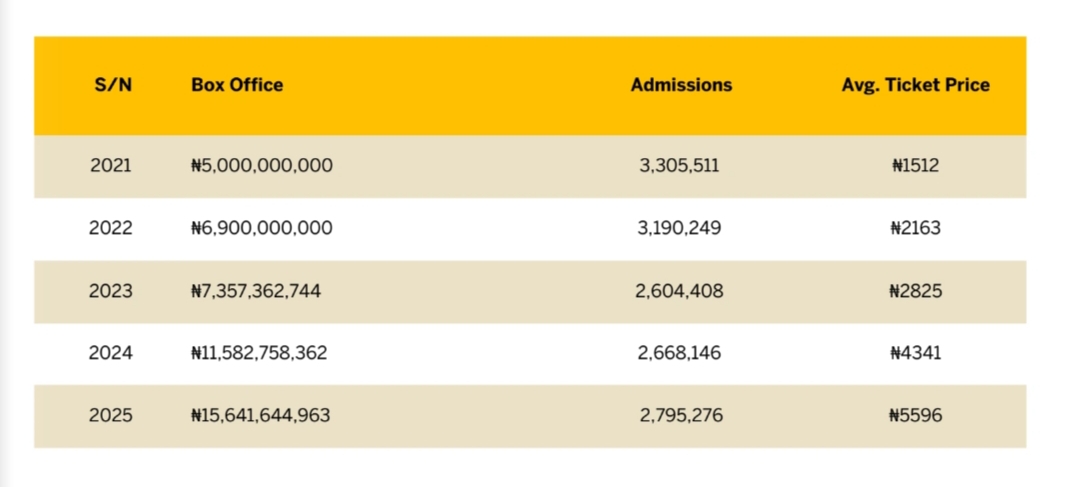
Over the past five years, the Nigerian box office has experienced remarkable growth, rising from ₦5 billion in 2021 to ₦15.6 billion in 2025. These figures are expected to grow even further in 2026, both locally and in select international markets, though this growth will be distributed unevenly, with fewer films capturing the majority of gains.
Egunjobi predicts: “Nigerian box office revenues will continue to grow locally and in select international markets, though unevenly. Fewer films will capture most of the gains, reinforcing a winner-takes-most dynamic.” While the total box office expands, the gap between top-performing films and mid-tier releases will widen. Established filmmakers with proven track records, star power, and marketing resources will dominate earnings, while smaller films struggle for screen time and audience attention.
This concentration reflects broader industry trends. “More films will be built around actors with established fanbases, as studios prioritise bankability over novelty. Star power becomes a hedge against box office uncertainty,” Egunjobi notes. In risk-averse investment climates, attaching recognisable names to projects reduces financial exposure, but it also limits opportunities for emerging talent and unconventional narratives.


Oriade anticipates more films in cinemas as streaming slowdowns force projects originally intended for platforms to pursue theatrical releases instead. “Audiences should be prepared for a fuller cinema slate,” he says, though he cautions that the competitiveness and box office worthiness of the said films is another question. Simply having more releases doesn’t guarantee quality or commercial success, it may just intensify competition for the same audience attention and discretionary spending.
The number of large-budget Nigerian films will actually decline, according to Egunjobi, as investors become more cautious. “Capital will flow only to projects with clearer commercial logic, proven talent, or brand leverage”, he notes. This suggests that while overall box office grows, the industry is becoming more conservative in what it finances, favouring safe bets over ambitious experimentation.
YouTube Production Continues Rising Despite Quality Concerns
YouTube film production will continue its upward trajectory in 2026, driven by accessibility and direct monetisation opportunities, though concerns about declining average quality will intensify as the space begins self-correcting.
Egunjobi offers a nuanced prediction: “YouTube film production will keep rising, driven by speed and accessibility, but average quality will continue to drop. By 2026, the space begins to self-correct as audience fatigue exposes weak storytelling and unsustainable output”. The platform’s low barriers to entry enable filmmakers to produce and distribute content quickly, but the pressure to maintain high upload frequencies often comes at the expense of craft and storytelling depth.
This self-correction won’t happen through regulation but through market dynamics; audiences growing tired of repetitive content and gravitating toward creators who prioritise quality. Filmmakers who invest in stronger scripts, better production values, and distinctive voices will rise above the noise, while those relying on volume and clickbait will plateau.
Johnson sees YouTube as a valuable training ground and transition space: “In Nigeria especially, filmmakers are becoming more confident about returning to cinemas. The strong audience numbers they are recording on YouTube have proven that the audience exists and that digital success can translate into theatrical attendance. That confidence is likely to encourage more cinema releases and push filmmakers to experiment with less conventional genres, rather than playing it safe.”
The boundaries between YouTube and theatrical filmmaking will continue to blur as filmmakers move fluidly between platforms based on project requirements and strategic considerations. Some will use YouTube to build audiences before transitioning to cinema; others will do both simultaneously, leveraging each platform’s unique advantages.
Sophomore Projects Testing Filmmaker Longevity
The return of filmmakers with their second features will reveal crucial insights about career sustainability and artistic development within African cinema, testing whether debut successes can evolve into lasting directorial voices.
Oriade is looking forward to the return of filmmakers like Damilola Orimogunje and the Esiri brothers (Arie and Chuko Esiri) with their sophomore projects. He notes that “Sophomore films matter because they reveal more about a filmmaker’s style, ambition, and long-term intent”. First films can succeed through novelty, passion, or fortunate timing. The second films demonstrate whether directors can sustain quality, develop artistically, and navigate increased expectations.
Both Orimogunje and the Esiri brothers released their debut features in 2020: the critically acclaimed For Maria Ebun Pataki and Eyimofe (This Is My Desire), respectively. Orimogunje’s sophomore project Dear Ajayi was announced to be in principal photography last year, and just recentl,y American film production and distribution company Neon announced acquiring worldwide rights to Clarissa, the Esiri brothersʼ sophomore.
These sophomore efforts will face particular scrutiny in 2026’s more cautious investment climate. If they succeed both critically and commercially, they’ll prove that African cinema can build lasting careers rather than producing one-hit wonders. If they struggle to secure financing or audiences, it will highlight persistent infrastructure gaps that prevent even recognised talent from working consistently.

Beyond sophomore films specifically, there’s anticipation for new work from filmmakers who have previously achieved major festival breakthroughs but have yet to release new work. C.J. “Fiery” Obasi, whose third feature, Mami Wata, premiered at Sundance in 2023, has a couple of projects in the works, including La Pyramide: A Celebration of Dark Bodies currently in development, while Babatunde Apalowo, whose debut All the Colours of the World Are Between Black and White screened at Berlinale the same year, had in 2024 announced In the Shadows of Good Fortune as his sophomore project.
Both filmmakers have begun work on these projects, yet neither has released new work since 2023. Their eventual releases will be closely watched, not just for artistic merit, but as indicators of whether festival-recognised filmmakers can maintain consistent output or whether production challenges create extended gaps between projects even when funding is secured.
The outcomes of these sophomore projects and follow-ups will influence investor confidence in emerging filmmakers generally, either encouraging support for new voices or reinforcing the industry’s tendency to concentrate resources on established commercial names.
African cinema enters 2026 with momentum from 2025’s international recognition and box office growth, but also with sobering awareness of persistent challenges: unreliable platform funding, limited distribution infrastructure, and uneven resource distribution. The trends emerging this year reflect strategic adaptation: filmmakers collaborating to pool resources and audiences, building alternative distribution channels, deepening institutional support through labs and festivals, and committing to culturally-specific storytelling.
Whether these developments create sustainable ecosystems or temporary workarounds remains uncertain. What seems clear is that African filmmakers are no longer waiting for permission or validation from foreign gatekeepers. They’re building the infrastructure, audiences, and creative networks necessary to tell their stories on their own terms. The success or failure of these experiments will shape not just 2026, but the trajectory of African cinema for years to come.
Adedamola Adedayo is a film journalist and critic with a special interest in African cinema. Through writing and audiovisual mediums, he creates conversations around cinema in Africa and the Diaspora. You can find him on Instagram @jonesthegoodboy and X on AdedamolaAdeda4.
Joseph Jonathan is a historian who seeks to understand how film shapes our cultural identity as a people. He believes that history is more about the future than the past. When he’s not writing about film, you can catch him listening to music or discussing politics. He tweets @Chukwu2big
Cover photo credit: Who Owns Whom