
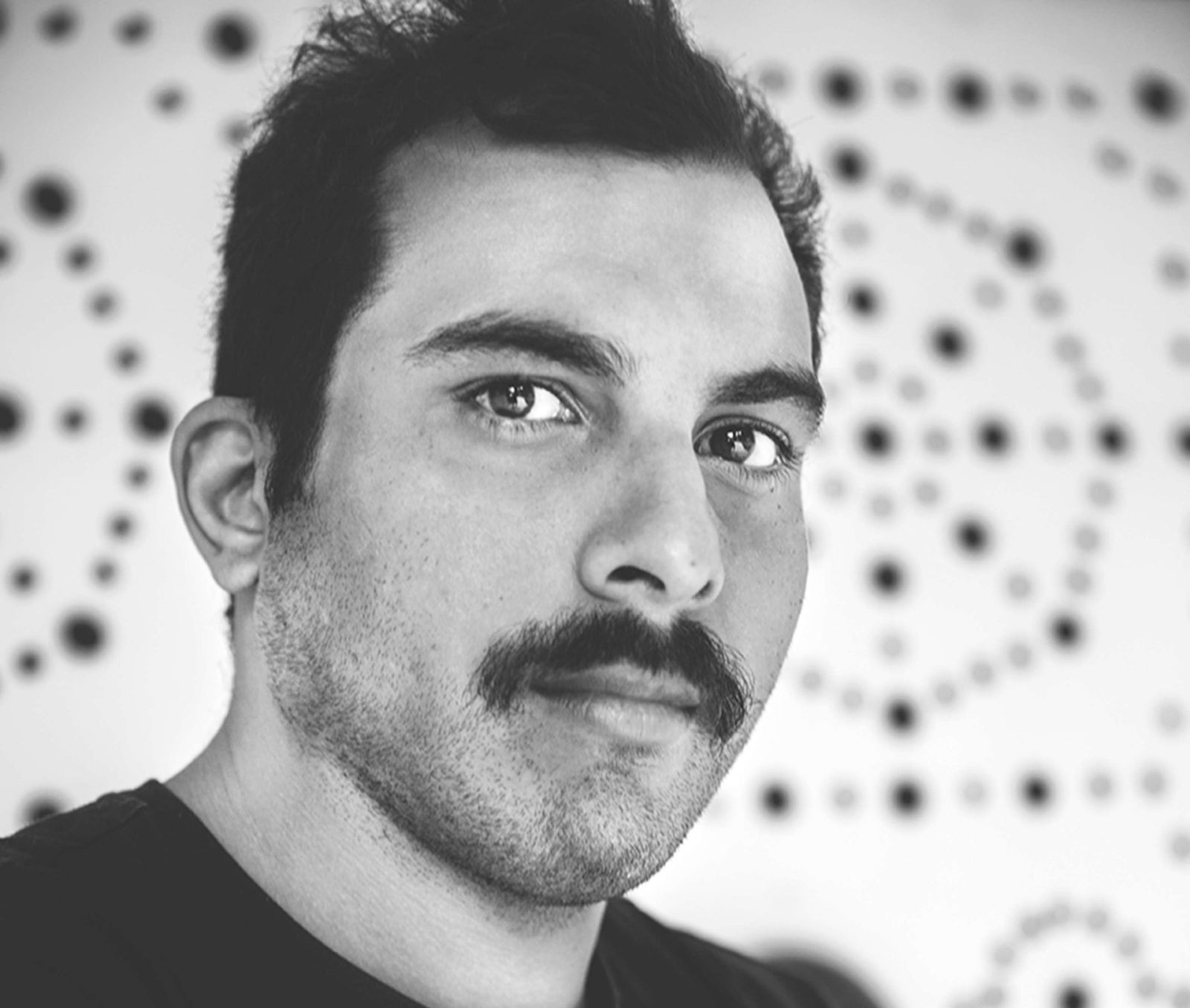

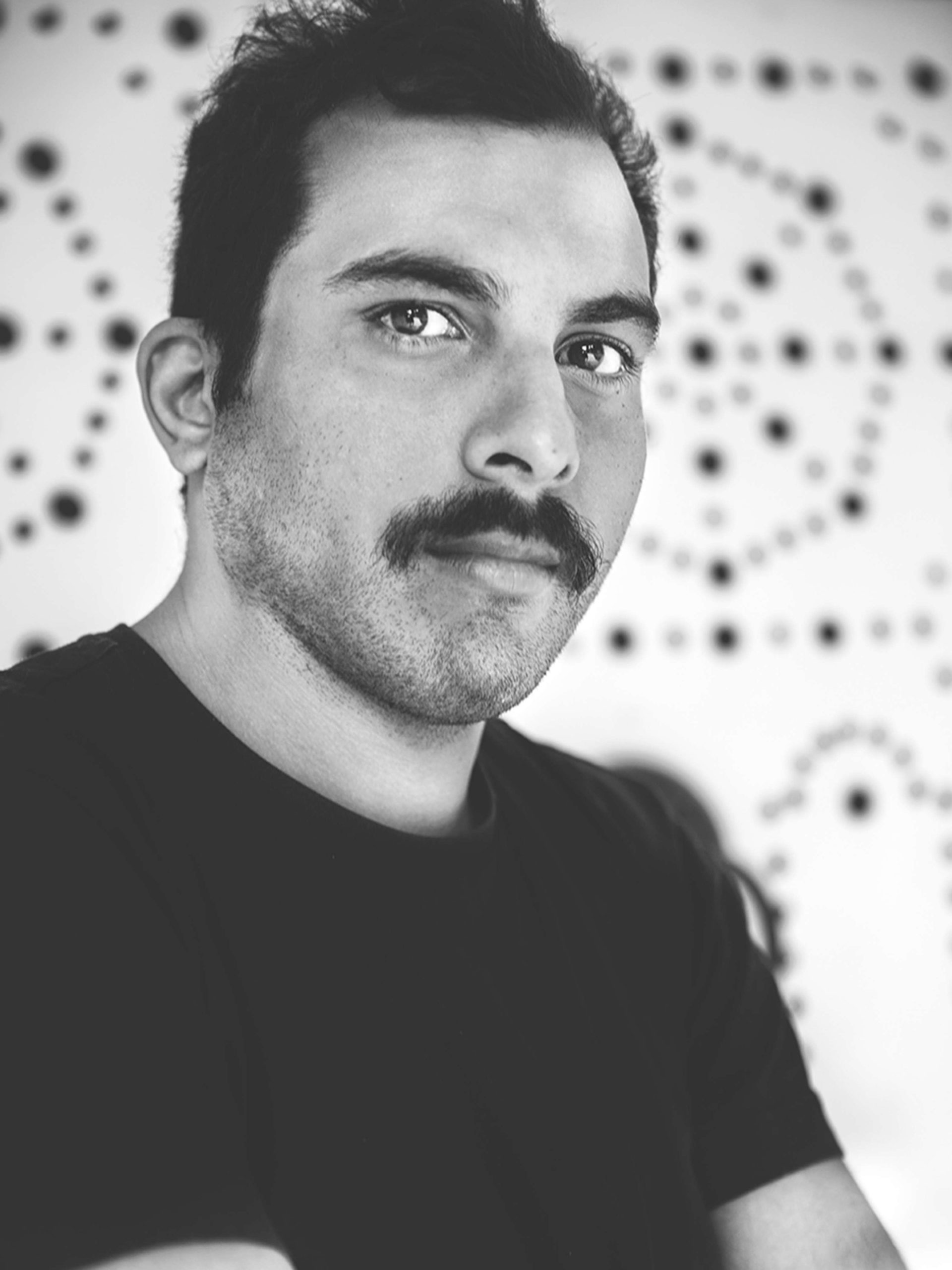
“I think, in every African country, we have this kind of mindset that we are born in the country as a waiting room. It’s like, ‘Yeah, it’s not good, so I’m waiting until I go to Europe to live my life.’” – Rami Jarboui
By Vivian Nneka Nwajiaku
Immigration remains a pre-occupation of African cinema, routinely featured across a variety of film genres and mediums, but especially in African films that travel and enjoy international recognition or acceptance. The Bird’s Placebo, the sole African animated short film at the 2026 Sundance Film Festival, is one such film.
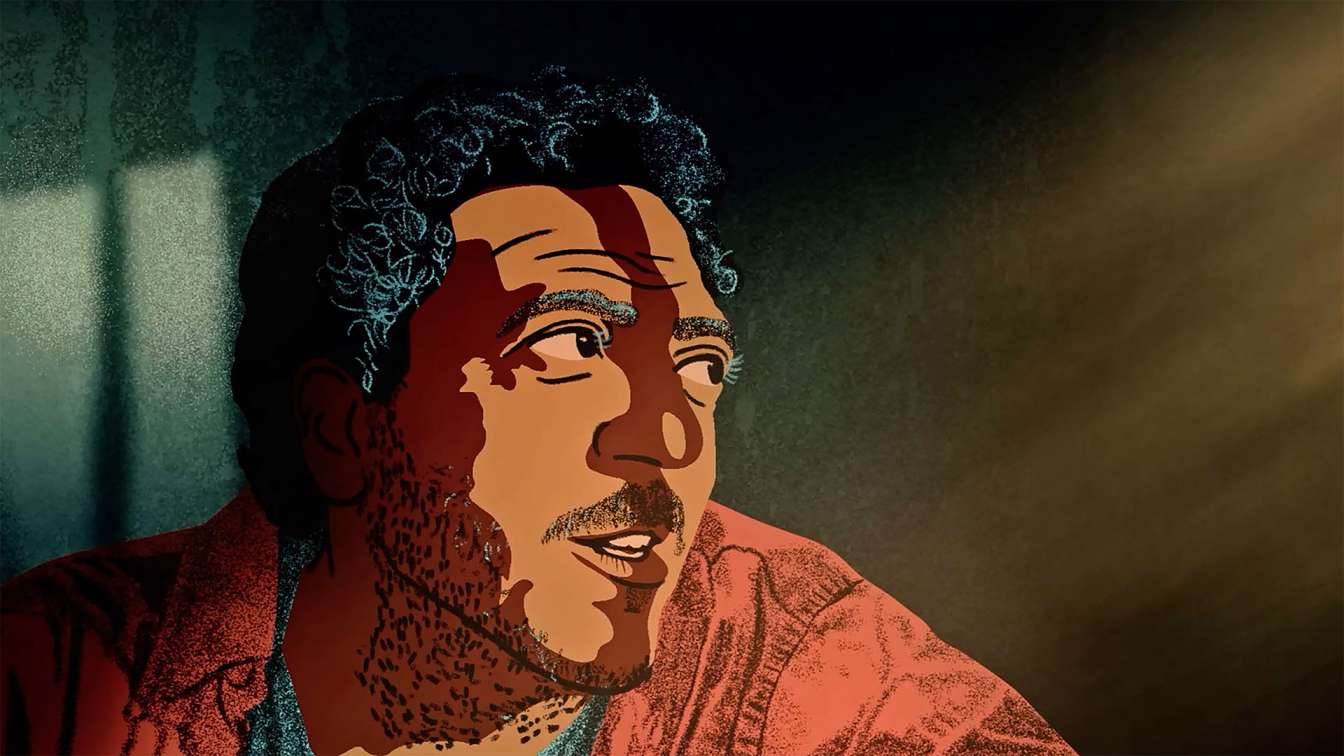
A Tunisian production from writer-director Rami Jarboui, The Bird’s Placebo approaches migration from the point of view of freedom, exploring both its joys and challenges but also the impossibility of escaping one’s reality and origin. Jarboui’s film is an immersive experience realised through animation so vivid and detailed that even the tiniest of nuances in expressions are captured.
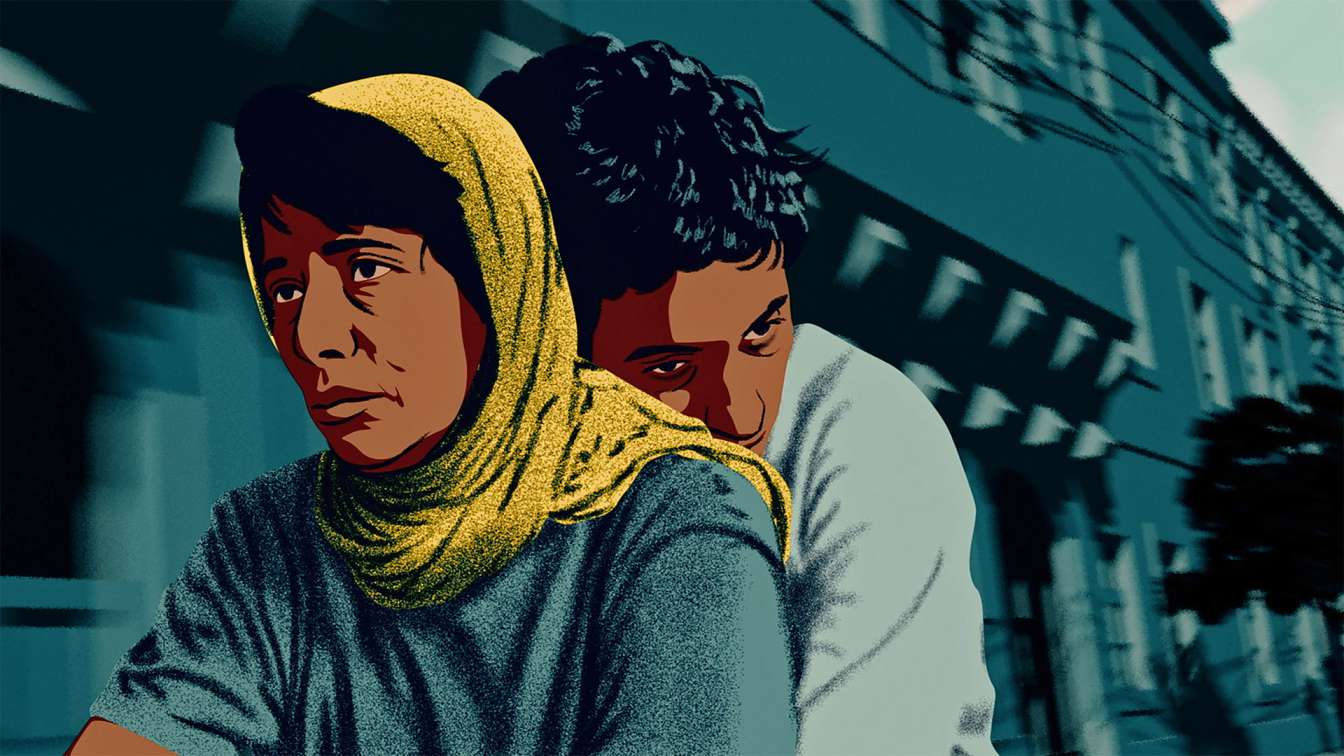
The short follows a young disabled man from a rough Tunisian neighbourhood. Confined to his wheelchair, living with his mother, who sells food at a roadside restaurant, and grappling with the absence of his father, who is serving time in prison, Yahya yearns for freedom until he comes into possession of a rare, magical bird that grants him the opportunity to see the world.
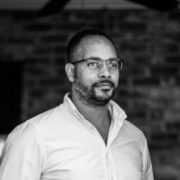
In this interview with Afrocritik, Rami Jarboui talks through his inspiration and vision for The Bird’s Placebo, his philosophy on migration, and his use of the rotoscoping technique in crafting an authentic African animation.
How does it feel to have The Bird’s Placebo premiere at Sundance?
Wow, let me tell you, this is like a dream come true. It’s huge. It’s so much different from where I used to be. You know, I’ve been, like, into this small stuff. And then you find yourself in Sundance, which is really big. I get to meet Elijah Wood from The Lord of the Rings. So, it happens, that kind of stuff.
You’ve been making short films for quite a while, but The Bird’s Placebo is your first animated short. What’s your reasoning behind choosing this medium for this particular story?
Actually, I’m from conventional cinema. So, I do live-action films. This film, in particular, came after I lost my brother years ago in Switzerland as an immigrant. This has really changed my life. Before this film, I used to make this kind of, let’s say, dark comedy to criticise politics in my country. That event changed my life forever.
I decided to make this film where I took the metaphor of a bird to talk about the immigration experience through a more spiritual lens. Because when you know death, you are closer to the spiritual world than to the living world.
I found animation gave me the power to express myself in a clearer way. Because some things you want to talk about can be surrealistic for other people or metaphysical, and I thought animation could build that bridge between our living world and those deep spiritual worlds that we want to talk about. I think that’s why I got into this animation world.
Also, because when I was young, I was a fan of anime, manga and animation. But this time, it was an adult animation kind of film. Yeah, children could like it, but it’s more adult. Very serious themes. I always thought animation gives you that magic stick to do whatever you like.
I come from a country where we don’t have a lot of budget for films. I’m sure I was [at] Sundance because of animation. Because sometimes, even if we have a good story, we don’t have the budget. With animation, you can make a difference. A filmmaker from Africa or America, everybody has the same kind of power to do whatever they like.
The Bird’s Placebo is very interested in freedom as a concept, but it also has a strong sense of awareness of place. How much of Tunisia’s socio-political environment fed into the film?
I come from a country where we have a dictatorship situation. The film is also about the lack of freedom, individual freedoms in our country. That’s why, I think, in every African country, we have this kind of mindset that we are born in the country as a waiting room. You know, when you go to a doctor, there is a waiting room. It’s like, “Yeah, it’s not good, so I’m waiting until I go to Europe to live my life.”
We have that in the younger generation, and I’m telling them, even if you travel, you will face another type of problem. If you are in Europe, you will be judged by the origin of who you are. You are from Africa. You will not have the same rights as the other ones. So it’s like a placebo. It’s kind of like a treatment that is not there.
“I’m going to go to Europe, and I will do something with my life,” is not true for Africans like us. You will also suffer there. And you have to understand that. I know your country is not great, but there, you will have another kind of problem. I think my film is [about] searching for a place to call home.
The film leans heavily on symbolism rather than exposition. Why did you take that approach to telling the story?
I thought a lot of films about immigration are already there, and I didn’t want to talk about immigration. I want to talk about freedom. I want to talk about what people really want as a spiritual being going to other places. The bird was a kind of metaphor [for] that call for freedom from our spirit.
The idea is that I will take the boy—and it was very risky for me to do because it’s a short film and I’m killing the protagonist in the first five minutes—and he will be reincarnated into a bird. His last action before he died, he opened the cage and he freed the bird. As we understand in the middle of the film, the bird is very special. He is from a rare species. His soul before he died, he went into this bird.
It’s like a kind of purgatory, like he has to solve something before the salvation of his soul. He needs to visit his family, to know the truth about his feelings, to understand what is going on with this crazy modern world. It’s like this coming-of-age story full of spiritual and political reflection.
The Bird’s Placebo has a very unique visual style, especially in how it captures movement like a camera would and how it details the nuances in the facial expressions of the animated characters. How would you describe the film’s visual style and how did you achieve it?
From African cinema, we have a lot of talent. Sometimes, the budget can be a problem. In this case, I wanted to show that, as African cinema, with animation, we can have [as] much power of cinematography as an American or European film. We can be so strong. We have a lot of imagination like everyone else. It’s just a matter of budget.
That’s why I want the film to be very cinematic. When we go to New York, and then we go to Brazil, and in the other scene, we are in the Netherlands, I want the film to feel epic. We’ll go on this epic journey of the bird. We’re gonna travel with him. And that’s why there is a lot of subjective field. Sometimes, we see the bird; sometimes, we are inside the bird.
The idea is, if you watch it on a big screen in a cinema, you almost feel like you are flying with the bird. I really wanted the audience identify with the idea of flying, of freedom. We’re gonna travel with him on this journey, and we are gonna live off this adventure.
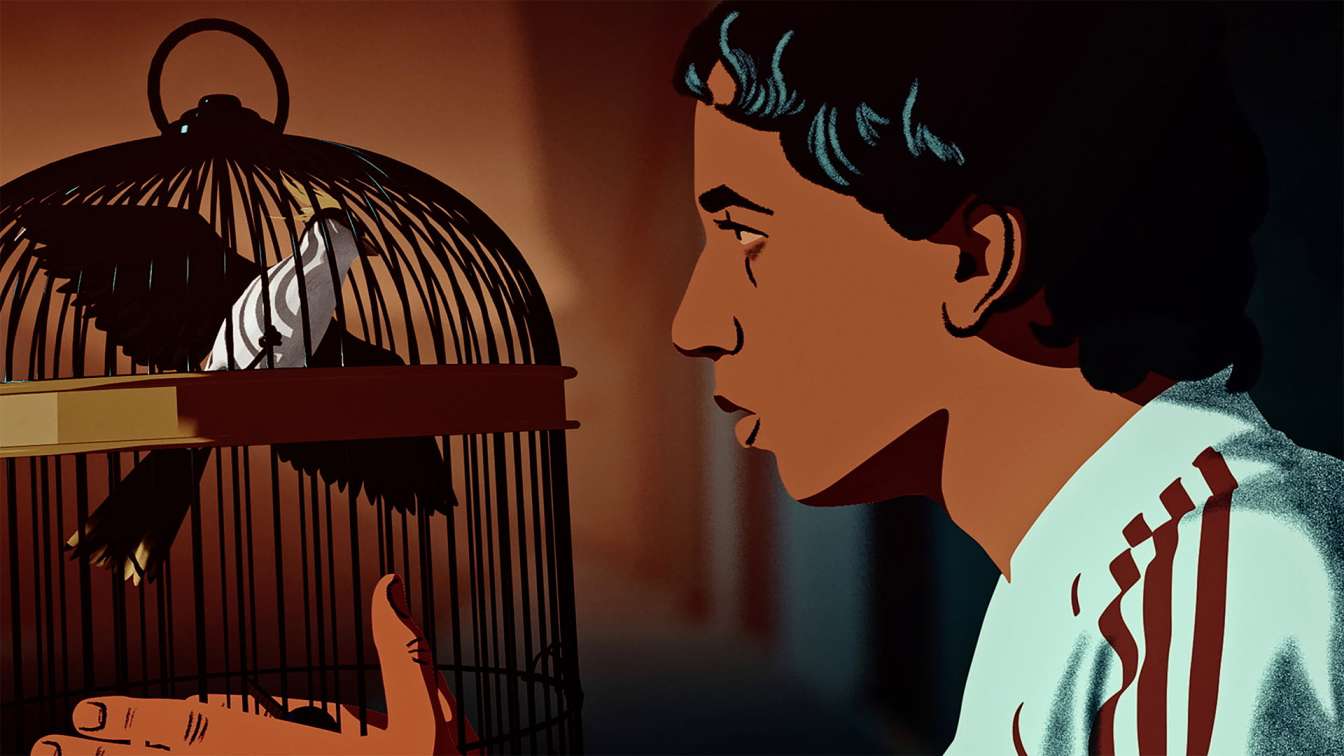
That’s why the cinematography was between these warm emotional colours [when] we’re with his family, and then these dark blue travel scenes where we are all over the world living this epic adventure. Also saying, we have the same right as everyone [in] the world to live this experience.
That’s why I used the technique, rotoscoping. We used real actors, and we shot them on a green screen for a week. So, every close-up, and the emotion and the dialogue, is with real actors. And then, there [are] animators who draw frame by frame over the actor’s face. Every blink of the eye, every smile, every tear, we draw it. And then, we add the 3D, the setting and everything else.

It’s a bridge between the real conventional cinema and animated cinema. The idea is to keep the emotion of real actors, of real humans. Because it’s a very emotional story, I wanted real actors to portray the real emotion of the father, of the son, of the mother.
Last year, we spoke to animators across the continent about their challenges, and the same issues kept coming up. What were the biggest challenges you encountered in making an animated film, especially considering that this is your first?
After I wrote the script, we had a lot of offers from European studios to do the post-production. Me and my producer, Sarra Ben Hassen, said no, because if we accept that a foreign studio [does] the animation, it would not be an African film.
In the end, I would be the writer and director, and I would have a foreign team do the whole thing, and it would be [a] technical quality not of African animation. So, I said, “No, I would not be proud. Maybe it would be good work, but I would not be proud.” We toured the country to find like five best animators, this new generation.
This is a Tunisian animation film. It has to be like this. If I will only be the writer or director, it will not be very authentic for me. It’s not just the story but also, it’s a showcase of the level of technicality we have in the African continent, in the animation world. That was very important for us to show.
Can we expect more animations from you after this experience, then?
I am going to be honest. I spent five years doing this film. I am going to do a feature documentary now and then a feature film, because animation takes a lot of time. I was so tired. I had to work five years. It is not the same.
Now I want to make our next film, a live-action one. And then, I will go back, hopefully, to animation. I am going to take a little pause. I am so tired. I am so happy how it went, but it takes a lot of time.
If you have more budget, it takes less time, but we didn’t have a lot of budget. You know, African cinema? So, if I am going to do animation next time, I need to have more budget.
What do you hope audiences take away from The Bird’s Placebo?
The film asks a basic philosophical question. Because now, with the internet, everybody travels in his mind, but we live in a world where inequality and the domination system are putting this rule that not every “body” is allowed to travel freely in the world despite [that] this is the oldest action or movement of the human species.
From where humanity started, everybody can move freely. But now, we are judged [on] who are allowed to move freely in the world, who aren’t allowed to move freely in the world, based on domination and power and politics. This is a call for freedom.
Vivian Nneka Nwajiaku is a writer, film critic, TV lover, and occasional storyteller writing from Lagos. She has a master’s degree in law but spends most of her time watching, reading about and discussing films and TV shows. She’s particularly concerned about what art has to say about society’s relationship with women. Connect with her on X @Nneka_Viv