


For a new generation of musicians navigating a global industry, understanding royalties is therefore not merely a technical detail. It is a fundamental part of professional practice.
By Deborah Oyedijo
For many artistes, “royalties” is one of the most frequently used words in conversations about music income. Yet the term is often treated as a single pool of money rather than a set of distinct revenue streams generated by different uses of music. In practice, royalties are triggered by specific activities: when a song is streamed, broadcast, performed publicly, printed as sheet music, or licensed for film and television. Each of these uses produces a different category of payment, administered through different structures.
Understanding these payments requires first recognising that music copyright exists in two layers. The first layer is the musical composition, which covers the lyrics and melody created by songwriters. The second is the sound recording, commonly called the master, which captures the recorded performance of the song. Because these two rights operate separately, different royalties may flow to different people depending on how the music is used.
One of the most important categories is mechanical royalties. These are generated whenever the composition of a song is reproduced or distributed. Historically, the term “mechanical” came from the mechanical pressing of vinyl records and CDs. Today, it applies primarily to digital reproduction through streaming and downloads.
Every time a listener streams a track on platforms such as Spotify, Apple Music, or Boomplay, the underlying composition generates mechanical royalties for its songwriters and publishers. For example, when a song like “Last Last” (2022) by Burna Boy is streamed millions of times, the streaming activity reproduces the composition repeatedly, triggering mechanical payments through publishing structures that track and distribute these royalties to the relevant writers.
In Nigeria, the collection and administration of publishing royalties, including mechanical income, is handled largely through the Musical Copyright Society Nigeria (MCSN). In the United Kingdom, these royalties are collected and administered primarily by the Mechanical-Copyright Protection Society (MCPS), which works alongside PRS for Music. In the United States, mechanical royalties from digital streaming are administered through the Mechanical Licensing Collective (MLC), while traditional mechanical licensing historically passed through agencies such as the Harry Fox Agency.
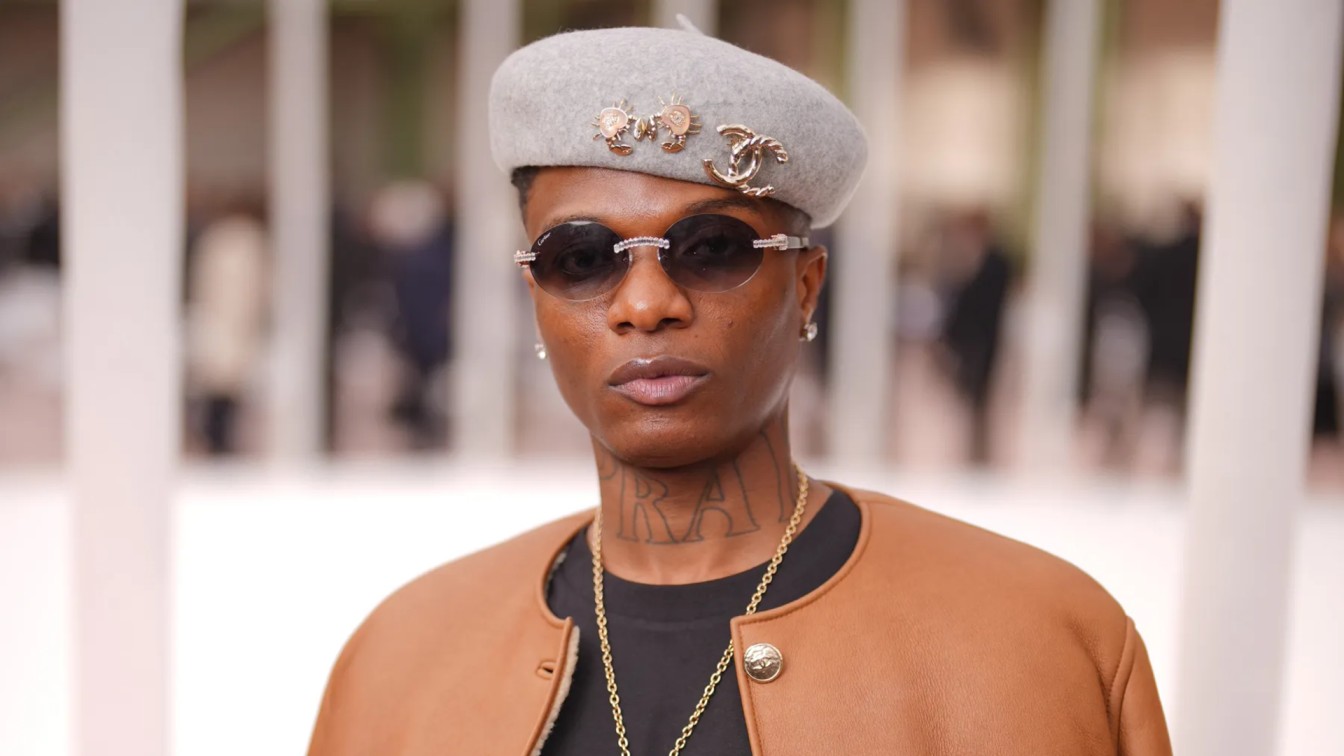
Closely related but distinct are performance royalties. These arise whenever a composition is publicly performed or communicated to the public. The word “performance” here does not refer only to live concerts. It includes radio airplay, television broadcasts, music played in public spaces such as restaurants and clubs, and even streaming services. For instance, when “Essence” (2020) by Wizkid is broadcast on radio stations or played in venues around the world, the composition generates performance royalties for its songwriters and publishers.
These royalties are typically collected by performance rights organisations or collective management organisations responsible for tracking public usage of music. In Nigeria, this function is carried out by collective management organisations such as the Copyright Society of Nigeria (COSON) and the Musical Copyright Society of Nigeria (MCSN). In the United Kingdom, performance royalties are administered by PRS for Music, while in the United States, they are collected by performing rights organisations including ASCAP, BMI, and SESAC.
At this point, it becomes important to distinguish performance royalties from neighbouring rights royalties, which are often confused with each other. The key difference lies in who receives the payment and which right it relates to. Performance royalties are tied to the composition. They belong primarily to the songwriters and publishers responsible for creating the lyrics and melody.
Neighbouring rights, on the other hand, relate to the sound recording itself. They compensate the performers and producers whose recorded performance brings the composition to life. In other words, neighbouring rights recognise the contributions of artistes, session musicians, and record producers who appear on the master recording.
Consider a radio broadcast of “Last Last”. The broadcast generates performance royalties for the songwriters behind the composition. At the same time, in territories where neighbouring rights are enforced, the same broadcast can also generate neighbouring rights royalties for the performer Burna Boy and the producers responsible for the recording. This means a single broadcast may generate two different payments tied to two different rights: one for the composition (performance royalties) and another for the recording (neighbouring rights).
The distinction can be subtle, which is why confusion around neighbouring rights remains common even among industry professionals. In the United Kingdom, neighbouring rights royalties are collected and distributed by Phonographic Performance Limited (PPL).
In the United States, SoundExchange administers neighbouring rights royalties for digital performances of sound recordings, particularly from satellite radio and streaming services. Nigeria also recognises neighbouring rights through organisations such as the Musical Copyright Society Nigeria (MCSN) and the Performers’ Rights Society of Nigeria (PRSN), though the enforcement and distribution systems are still evolving compared to more mature markets.
Another important category is synchronisation royalties, often shortened to “sync”. Synchronisation occurs when music is paired with visual media such as films, television programmes, advertisements, or video games. Unlike mechanical and performance royalties, which are triggered automatically by usage, synchronisation rights are usually negotiated through direct licensing agreements.

A clear example is the use of Burna Boy’s “Alone” in the soundtrack of Black Panther: Wakanda Forever (2022). When a song is licensed for inclusion in a film or television production, producers must obtain permission from the owners of the composition. In many cases, they must also secure separate approval from whoever controls the master recording. These agreements often involve upfront payments and negotiated licensing terms.


Finally, there are print royalties, a category that receives less attention in modern discussions but still exists within music publishing. Print royalties are generated when musical compositions are reproduced in printed formats such as sheet music, lyric books, educational materials, or songbooks.
For example, if the composition of a well-known song, such as “Lady” (1972) by Fela Kuti, is published in a printed anthology or music textbook used in schools, the reproduction of that composition generates print royalties for the songwriters or their publishers. Although print income is smaller today compared to streaming revenue, it still forms part of the broader publishing system that protects and monetises musical compositions. In many cases, these royalties are administered through music publishers, though organisations such as PRS for Music in the United Kingdom and ASCAP or BMI in the United States may also play a role in tracking usage where applicable.
When these different royalties are placed side by side, it becomes clear that a single song can generate income in several ways at once. A track streamed online produces mechanical royalties. The same song played on the radio generates performance royalties for the composition and neighbouring rights for the performers. If that track is licensed for a film or series, synchronisation royalties enter the picture. If its notation appears in printed music collections, print royalties are triggered as well.
Despite this complex ecosystem, awareness of these revenue streams remains uneven across the industry. Nigerian producer, Masterkraft, recently shared that for many years in his career, he did not fully understand the difference between publishing income and master royalties, despite producing several successful records. The observation reflects a broader reality in which many talented creators spend years making music without a full understanding of how their work generates income beyond performance fees or streaming numbers.
This knowledge gap becomes more serious as African music continues to expand globally. Songs released today can travel across international platforms, appear in films, circulate on radio stations in different territories, and generate income for years through multiple licensing structures. When rights are not properly managed or understood, artistes risk leaving significant revenue unclaimed.
For a new generation of musicians navigating a global industry, understanding royalties is therefore not merely a technical detail. It is a fundamental part of professional practice. Music may begin with creativity and passion, but once a song enters the marketplace, it becomes part of a rights system designed to ensure that everyone involved in its creation is fairly compensated.
Royalties are the mechanism that keeps that system functioning. The more artistes understand how they work, the better positioned they are to protect their music, negotiate their agreements, and build careers that remain sustainable long after the first release.
Deborah Oyedijo is a music business writer and entertainment lawyer-in-training with a focus on the African music industry. When she is not writing about music rights and culture, she is watching K-dramas, or absorbing yet another documentary. Connect with her on IG and X: ayooyedijo