


Understanding splits is not simply about dividing percentages. It is about ensuring that every person who contributes to a song knows how their work will be recognised and compensated once the music begins to generate revenue.
By Deborah Oyedijo
A song is recorded in the studio. The beat is produced by one person, the hook comes from another, and the verses are written collaboratively during the session. Everyone leaves the room satisfied with the final record, confident that they have created something special. Months later, the song begins to gain traction. Streams rise, the track appears on playlists, and the possibility of licensing opportunities emerges. Yet one of the contributors soon discovers that they are not receiving any royalties from the record.
Situations like this are more common than many artistes realise. In the music industry, contribution does not automatically translate into compensation. The way income from a song is divided between creative contributors depends on agreements that determine who owns what share of the work. These agreements are known as splits, and they form the foundation of how songs generate income for the people involved in their creation.
In simple terms, a split refers to the percentage of ownership that each contributor holds in a song. Whenever multiple people collaborate on a track—whether by writing lyrics, composing melodies, producing the instrumental, or performing vocals—the ownership of the work must be divided between them. The agreed percentages determine how royalties from the song will be shared over time. If two songwriters collaborate equally on a composition, they may decide to split the publishing fifty–fifty. If three writers contribute to the record, they might divide ownership into different percentages depending on their respective contributions. Once those percentages are agreed upon, they determine how income generated by the song flows back to each contributor. For these percentages to be enforceable in practice, the split agreement must also be formally documented—typically through a written split sheet or contractual agreement that records the ownership shares of everyone involved.

Notably, understanding splits requires recognising that every song exists in two distinct layers of copyright. The first is the musical composition, which covers the lyrics and melody created by songwriters. The second is the sound recording, commonly called the master, which captures the recorded performance of the song. Because these two rights operate separately, the ownership of each can be divided separately among the creative participants involved. The composition is typically controlled by the songwriters and their publishers. The sound recording, on the other hand, is usually owned by the performing artiste, a record label, or whoever financed the recording process. As a result, the percentages assigned to each contributor may differ depending on whether the discussion concerns the publishing side or the master side of the song.
This distinction matters because different streams of income flow through these two rights. Publishing ownership determines how songwriting royalties are distributed among writers. Master ownership determines how revenue generated from the recording itself is shared between artistes, producers, and labels. A person involved in the creation of a song may therefore hold rights on one side of the equation but not the other.
The lead artiste often occupies a central position within this structure. In many cases, the artiste both performs the song and contributes to the songwriting. When that happens, the artiste may receive income from both sides of the split: a share of the master recording as the performer and a portion of the publishing as a songwriter. Co-writers also play an important role in the creative process. When multiple writers collaborate on lyrics or melodies, they become joint authors of the song, and their contributions must be reflected in the publishing split that determines how royalties from the composition will be divided between them.
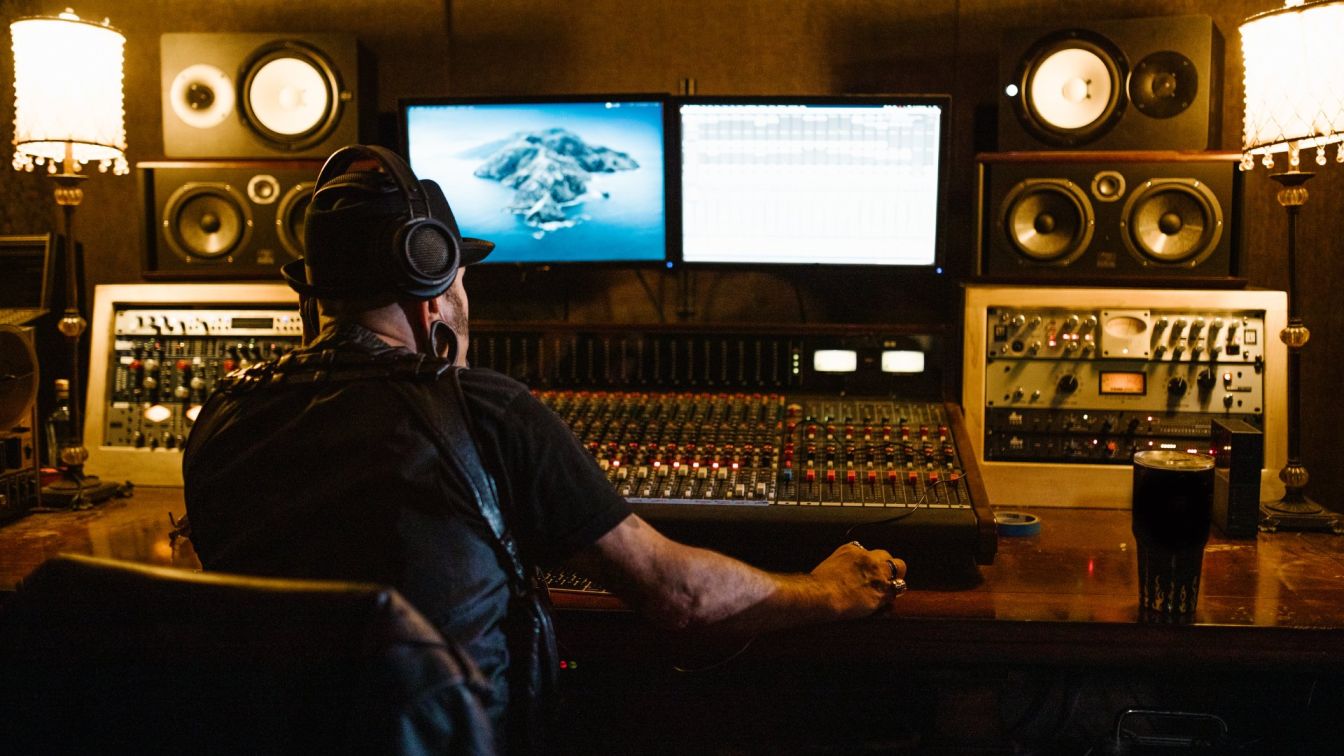
Producers occupy a particularly significant position in modern music creation. In many genres, producers do more than simply oversee the recording process. They often construct the instrumental foundation of the song, creating the beat, arranging musical elements, and influencing the final structure of the record. Because these contributions can influence the composition itself, producers frequently negotiate a share of the publishing rather than relying solely on a production fee. In addition, producers may also receive points on the master recording, which entitles them to a percentage of revenue generated by the recording.
Featured artistes typically participate differently. Their role is usually limited to performing a verse or hook on the recording rather than contributing to the songwriting. As a result, featured artistes generally receive a negotiated share of the master recording rather than a portion of the publishing. However, if a featured artiste contributes lyrics or melody during the songwriting process, they may also receive a publishing split. Record labels can also influence how master ownership is divided. When an artiste signs a recording agreement, the label often finances the production, marketing, and distribution of the record. In exchange, the label acquires ownership or control of the master recording. This arrangement affects the master split by determining what percentage of recording revenue ultimately flows back to the artiste.
Many of the disputes that arise in the music industry stem from the failure to agree on splits early in the creative process. Recording sessions are often driven by creative energy, and discussions about ownership are sometimes postponed until later. Unfortunately, leaving these conversations unresolved can create serious complications once the music begins to generate income. When no split agreement exists, copyright law in many jurisdictions treats co-authors of a composition as equal owners by default. This legal assumption may not reflect the actual contributions made during the writing process, but without a written agreement, it can be difficult to establish otherwise.
Unresolved splits can delay royalty payments, stall licensing opportunities, and create tension between collaborators. In some cases, royalties remain uncollected because the ownership of the song was never properly documented and registered with collecting societies. What began as a collaborative creative process can quickly become a source of conflict.
These issues are particularly relevant in Nigeria and across the broader African music industry, where informal working relationships have historically been common. Many artistes and producers collaborate on the basis of trust, assuming that financial arrangements can be settled later. While this approach may work in the early stages of a career, it becomes increasingly risky as songs begin to attract commercial attention. The rapid global expansion of African music has made clarity around ownership more important than ever. International labels, publishers, and film studios often require accurate split information before approving licensing agreements or distribution deals. Without clear documentation of ownership, songs may struggle to move through these professional channels.



For this reason, many industry professionals encourage artistes and producers to document splits through a simple but effective tool known as a split sheet. A split sheet records the agreed percentages of ownership for each contributor and provides a written reference that can be used when registering the song with collecting societies or publishers.
Agreeing on splits early is not merely a legal precaution. It is also a sign of professionalism and mutual respect between collaborators. When everyone involved understands how ownership has been divided, creative partnerships can move forward with clarity and confidence.
In the end, deciding who gets what from a song is much more than dividing percentages. It is about recognising the contributions of everyone involved in the creative process and ensuring that those contributions are reflected when the music begins to generate income.
As African music continues to reach wider audiences around the world, understanding how splits work will become an increasingly important part of professional practice. The earlier artistes and producers learn to formalise these agreements, the better positioned they will be to protect their work and sustain the collaborations that bring great music to life.
Deborah Oyedijo is a music business writer and entertainment lawyer-in-training with a focus on the African music industry. When she is not writing about music rights and culture, she is watching K-dramas or absorbing yet another documentary. Connect with her on IG and X: ayooyedijo.
Cover photo credit: OIART