

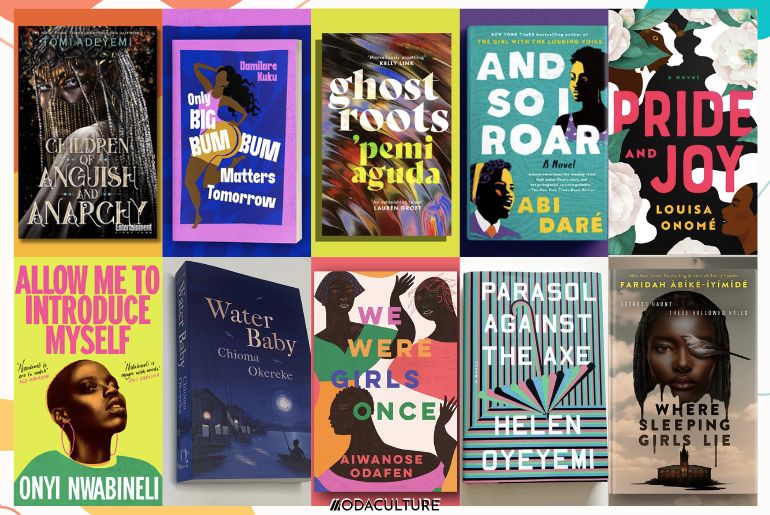

Nigerian novels are not unfinished blueprints awaiting visual realisation. They are finished architectures of thought.
By Tomilola Adejumo
Before there is plot, before there is violence, and before there is revelation, there is interior weather. Nigerian literature has long trusted this weather, allowing thought to gather slowly, silence to carry meaning, and a character’s inner life to become its own kind of landscape. Film, by contrast, demands climate. It asks for what can be seen, what can be staged, what can be made immediately legible.
Each time a cherished Nigerian novel like Chimamanda Ngozi Adichie’s Americanah (2013) is announced for a screen adaptation, it arrives almost casually, and then the noise begins. Casting debates bloom on Twitter. Someone posts a mock poster. Another insists that if a British accent slips into the dialogue, the whole thing will collapse. There is joy in this anticipation. There is also apprehension, though it is harder to admit.
Because what, exactly, are we hoping to preserve?
When readers speak about adapting Purple Hibiscus, they often summarise the plot. The tyrannical father. The silent daughter. The refuge of Nsukka. But the plot is not why the novel endures. Plot is scaffolding. What endures is interiority. What endures is the slow, almost imperceptible shift in Kambili’s consciousness. The book does not move at the pace of events. It moves at the pace of fear dissolving into recognition.
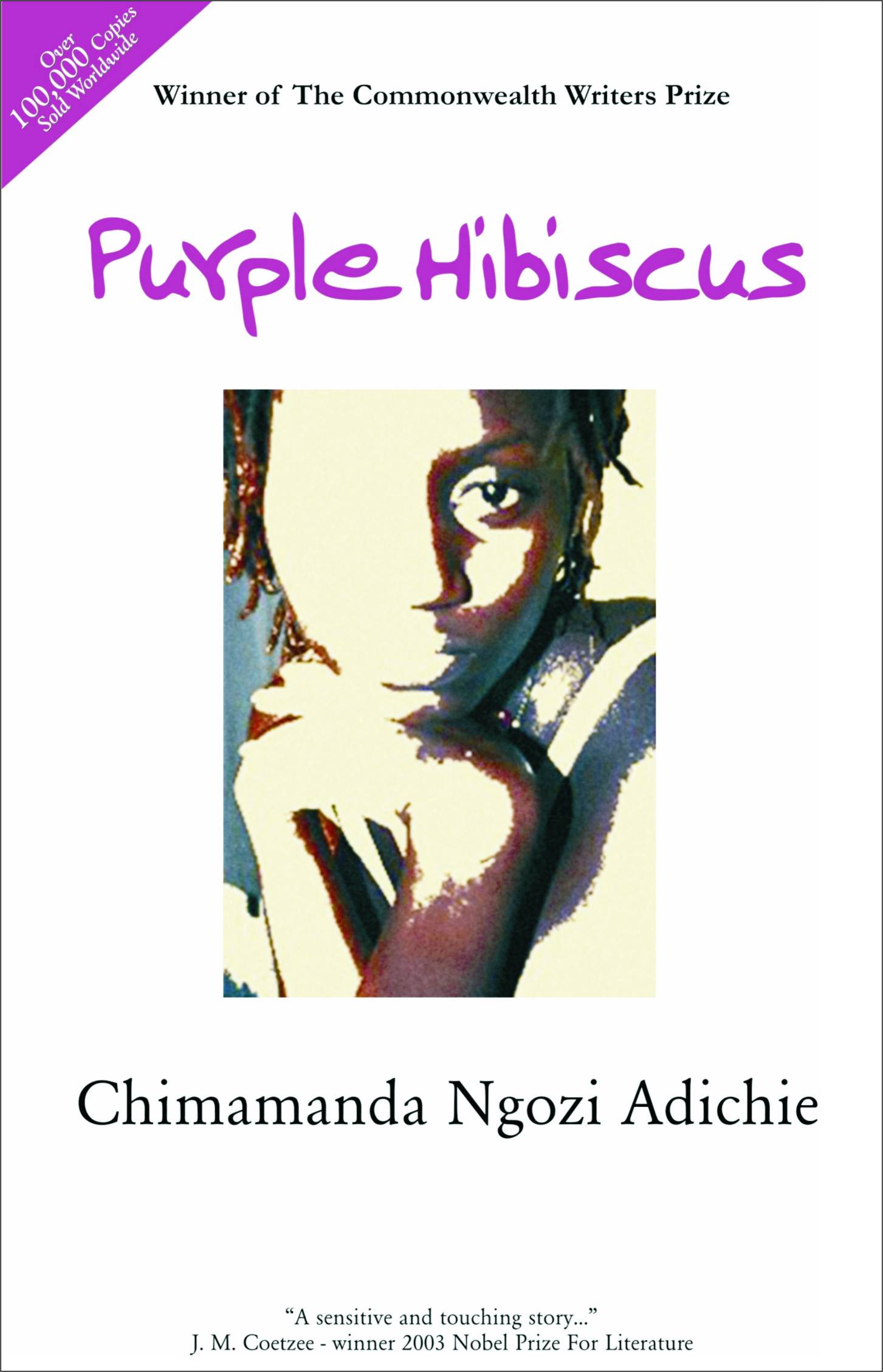
Kambili’s awakening is not dramatic. It is incremental. A glance held a second too long. A laugh that escapes before it can be swallowed. A sentence that feels dangerous in her mouth. These are small rebellions. On screen, smallness is difficult. A camera waits for action. Silence risks being mistaken for emptiness.
In the novel, silence has texture.
This tension is not accidental—different necessities shaped Nigerian literature and Nigerian cinema. The early novelists wrote into a world that doubted the intellectual seriousness of African interior life. Chinua Achebe’s prose insisted on cultural dignity through patience. Flora Nwapa allowed domestic worlds to unfold without apology. Wole Soyinka’s density demanded slow reading. These writers believed that interiority itself was political.
Nollywood, decades later, was born under economic constraint and technological improvisation. It needed to be accessible, fast, and emotionally legible. It entered living rooms across the continent not as a meditative form but as a communal spectacle. It privileged momentum. It relied on clarity. Its genius lay in immediacy.
When a Nigerian novel crosses into film, these genealogies collide. The novel asks the reader to linger. The film must keep moving.
Consider how Purple Hibiscus handles violence. Much of it occurs in implication. We understand Eugene’s brutality not only through action but through anticipation. The dread builds in advance. The air tightens. Kambili’s internal calculations become the real drama. If adapted faithfully, a director would need to resist the temptation to externalise everything. But cinema thrives on visibility. What is suggested on the page becomes explicit on screen.
Something is inevitably lost in that translation.
The same fragility surrounds Sefi Atta’s Everything Good Will Come (2005). Enitan’s development is not marked by grand gestures. It accumulates through thought, through private revision of belief. Her feminism grows unevenly, shaped by friendship, disillusionment, and memory. On screen, such evolution risks being condensed into symbolic scenes. A confrontation. A declaration. A montage of transformation. But the novel’s power lies in the hesitations before the declaration.
Film compresses. The novel expands.
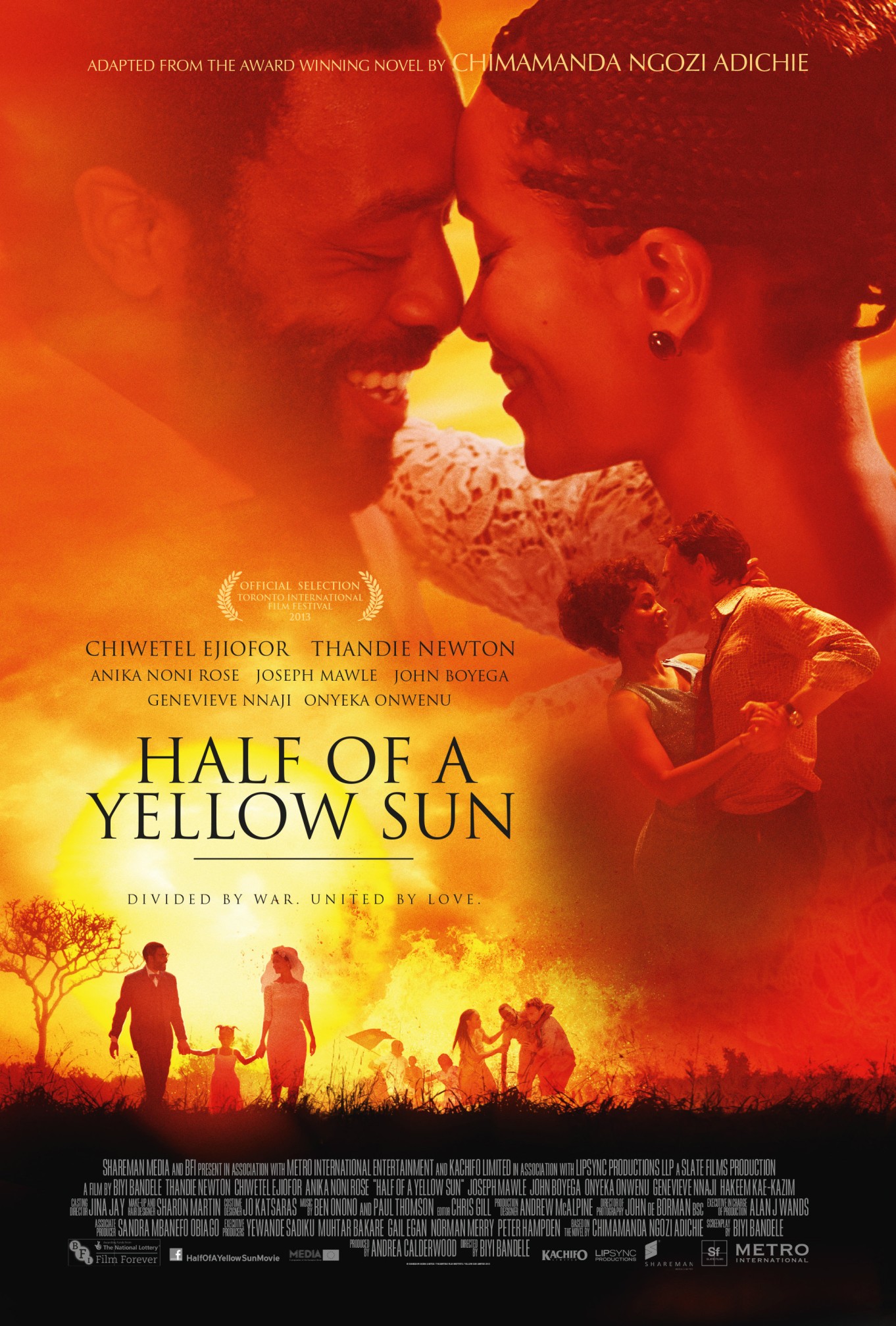
This compression becomes even more evident in large historical narratives. Chimamanda Ngozi Adichie’s Half of a Yellow Sun (2006) sprawls deliberately. It allows the Biafran war to rupture its characters in different registers. Ugwu’s moral descent unfolds gradually, almost imperceptibly, until the reader is forced to confront complicity. Olanna’s grief seeps into the domestic space. The war is not merely a backdrop but an atmosphere, infecting thought.
The film adaptation had to be selected. It had to streamline. War became spectacle. Emotional complexity became legible but thinner. Viewers could understand what happened. They did not always feel the slow corrosion the novel renders so carefully.
Or consider Swallow, directed by Kunle Afolayan (2021). The film is visually assured. Lagos in the 1980s is rendered with texture and colour. Yet Tolani’s interior struggle, her wrestling with dignity in a city that offers opportunity and danger in the same breath, moves quickly. Her hesitation, which stretches across pages in the novel, contracts into plot progression.
The difficulty is structural. Novels grant access to consciousness. Films grant access to surfaces.
This distinction becomes even sharper when we think about language. Nigerian novels do not merely tell stories. They cultivate rhythm. Proverbs carry layered meaning. Code-switching reveals social negotiation. Cultural silence is as communicative as speech. In Things Fall Apart, meaning resides in cadence as much as in events. Okonkwo’s tragedy is inseparable from the linguistic environment that frames him.
A film can reproduce dialogue. It struggles to reproduce cadence.
There is also the question of sensory intimacy. When we read about Aunty Ifeoma’s compound in Nsukka, we build it ourselves. The dust. The laughter. The particular way afternoon light rests on cement. The smell of jollof rice drifts from the kitchen. Each reader constructs a slightly different space. The novel collaborates with imagination.
Film fixes the image. It offers one compound. One arrangement of light. One interpretation of atmosphere. That definitiveness, though powerful, closes certain possibilities.
This is not a uniquely Nigerian predicament. F. Scott Fitzgerald’s The Great Gatsby (2013) dazzles on screen but rarely captures the unease of Nick Carraway’s narration. Morrison’s Beloved resists containment because its power lies in language that oscillates between memory and haunting. Interior trauma is not easily visualised without simplification.
Yet in Nigeria, the stakes feel heightened. Nollywood continues to negotiate its global legitimacy. Adaptations of celebrated novels appear to offer cultural prestige. A literary classic translated into film signals seriousness. It signals exportability. It signals that Nigerian stories deserve cinematic budgets.
But the desire for validation can obscure a subtler truth. Not every art form needs to prove itself through another medium.

When discussions arose around adapting Tomi Adeyemi’s Children of Blood and Bone (2018), enthusiasm was braided with anxiety. Would casting honour the world the novel imagined? Would Yoruba cosmology remain textured, or be diluted for accessibility? Beneath these concerns lies a deeper fear. That specificity, which gives Nigerian literature its vitality, may be smoothed into a generic spectacle.

Global platforms reward universality. Nigerian novels often thrive on particularity.
Perhaps the most radical aspect of Nigerian literature is its insistence on interior dignity. These books linger inside consciousness. They allow characters to contradict themselves. They trust readers to sit with discomfort. A novel does not rush you. You may pause. You may reread a sentence until it yields a new meaning. The time of the text bends to the reader’s pace.
A film moves forward regardless of your hesitation. Its rhythm is collective.
This difference in temporality matters. Much of the beauty of Nigerian literature resides in slowness. In repetition. In thoughts that circle before resolving. In private awakenings that are invisible from the outside. Adaptation often demands visible transformation.
Perhaps this is why certain novels feel sovereign. They do not resist adaptation out of fragility, but out of completeness. Their magic is inseparable from the act of reading itself.
The excitement surrounding adaptations is understandable. We want Nigerian stories to travel. We want recognition. We want to see our landscapes on international screens. But in celebrating cinematic possibility, we must resist the assumption that the screen is the ultimate destination of narrative success.
Some stories are most powerful in solitude. In the quiet space between writer and reader, where silence expands without explanation, where proverbs echo privately, where interior shifts matter more than spectacle.
Nigerian novels are not unfinished blueprints awaiting visual realisation. They are finished architectures of thought.
To insist that every great book become a film may be to misunderstand what makes it great. Their beauty is not cinematic. It is intimate. And intimacy does not always survive translation.
Tomilola Adejumo is a Nigerian writer whose fiction and essays have appeared in Omenana, African Writer, Brittle Paper, Efiko Magazine, Afritondo, Kalahari Review, The Shallow Tales Review, Akpata Magazine, and Punocracy. She writes across fiction and cultural criticism, with particular interest in the politics of narrative form. She is the author of The Thoughts Archive, where she reflects on literature, film, and the aesthetics of storytelling.
Cover photo credit: Prime Progress