

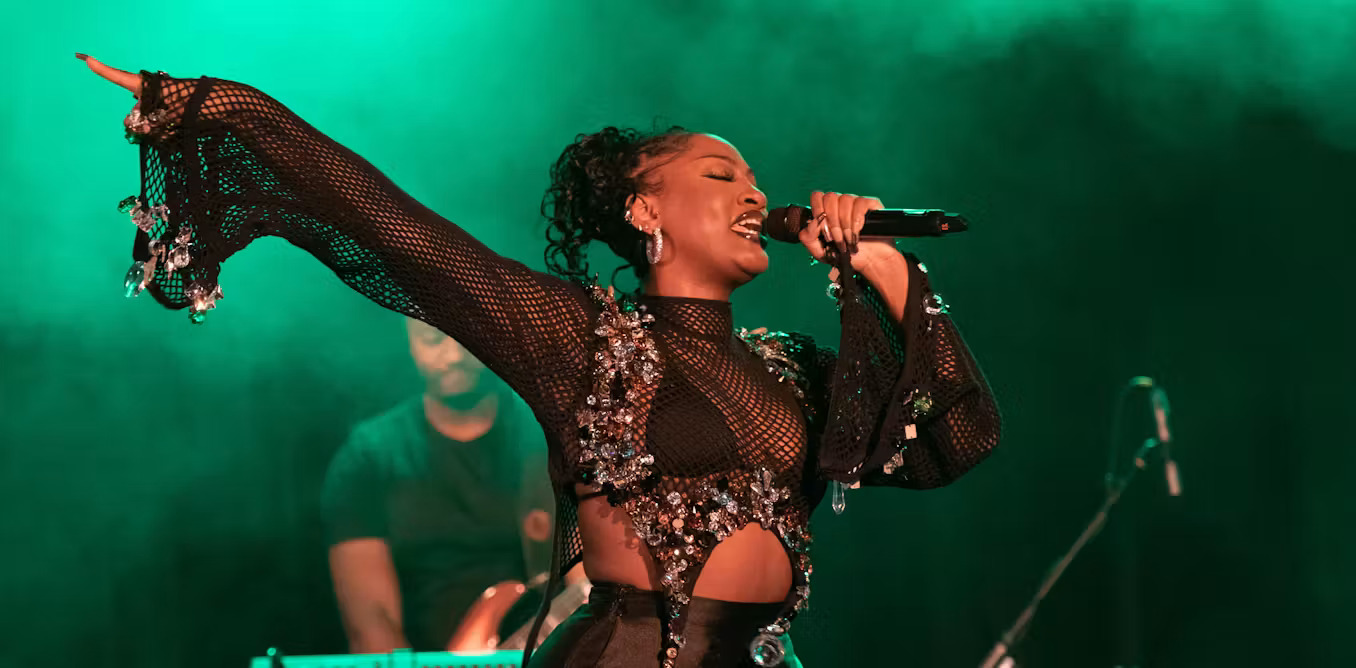

Is Afrobeats losing its creative spark, or is it in a decrescendo? These questions go beyond music, exposing perennial patterns in Nigerian popular culture, including our tendency to overlook history and rush past craftsmanship. By examining Afrobeats’ current state, past cycles of Popular African Music, and the forces shaping it from within and without, we can better understand the trajectory of contemporary Nigerian music, particularly Afrobeats.
By Dami Ajayi
Is African Music a Monolith?
African music is not a monolith. Neither homogeneous nor static, African music is a catchall category that requires imagining a sonic fare that brings together the music of over 55 countries under one umbrella.
Lumping African music is reductive and often results from large-scale injustices dating back to the Berlin Conference, where European powers scrambled for control of Africa. Preceded by centuries of the Atlantic Slave Trade, Africa’s colonisation left its enduring legacy of artificial borders on the continent, as chattel slavery left scars on the bodies and psyche of Africans in the diaspora.
Music, that universal language that eschews barriers, is an intangible form of culture and heritage that tells the collective histories of injustices inflicted on African bodies and borders. To think of African music in defiance of slavery and colonisation is one legitimate way of celebrating the resilience of African humanity and spirit, yet even this cannot be removed from capitalism’s gaze; it exists as a category in your local record store or a product sitting in wait on your digital streaming platform.
Afrobeats to the World?
Afrobeats emerged from Ghana and Nigeria, and their diaspora at the end of the 20th century. A dynamic dance music, Afrobeats is fusionist in its ethos, adapting musical genres, traditional and contemporary, to suit its needs. Afrobeats fuses ‘60s Highlife with ‘70s Afrobeats, ‘70s Roots Reggae with Noughties Jamaican Dancehall, ‘90s and ‘00s R&B and American Hip-Hop with Yoruba music genres Juju and Fuji—in fact, the list of influences is endless—to arrive at a mutable music popular among youth in Africa and the Black Diaspora.
In the last decade, Afrobeats has attracted global pop’s attention. Although Afrobeats’ global ascent crystallised with “One Dance”, a song by Canadian Rapper Drake featuring Afrobeats’ biggest star, Wizkid, the journey to that international attention was slow and incremental and involved a cohort of musicians older than Wizkid.
“One Dance” topped the US Billboard Hot 100 for 10 non-consecutive weeks and has been followed by significant landmark achievements for Afrobeats, including international record label deals, brand endorsements, media appearances and well-publicised tours at coveted venues and arenas both in Europe and North America.
This has led to a scramble among international record labels that have returned to the continent, particularly Nigeria, the central hub of Afrobeats. Record labels like Universal, Sony, and Warner have local operations in Nigeria, scouting for new talent. In 2024, Universal Music Group purchased a majority stake in Mavin Records, a local record label home to Afrobeats popstars Rema and Ayra Starr.
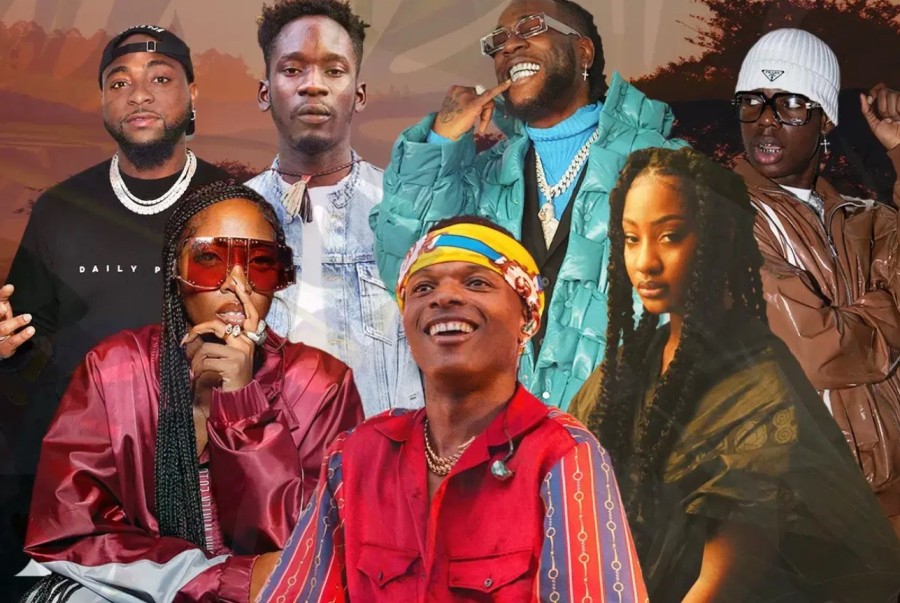
The last five years have seen a sustained rise in digital streaming of Afrobeats worldwide. Afrobeats was streamed about 13 billion times in 2022. In 2024, revenue from music in Africa surged by over 22 per cent, and Afrobeats, included in over 117 million playlists, enjoyed a 34 per cent increase in global streams. Streaming of homegrown talent on Spotify increased by 146 per cent in 2024, and this trend continued in 2025. In January 2026, Wizkid crossed the 10 billion streams mark on Spotify, becoming the first African artiste to do so.
James Foley, lead of Global Editorial Strategy for Spotify, noted in Spotify’s 2025 Wrapped that Afrobeats “…morph further out of its West African roots into a staple of mainstream culture…now firmly part of mainstream pop and rap in North America and Europe”. He also identified the “cross-pollination happening with Latin artistes such as Kapo and Beéle, who interpret Afrobeats through their own lens”.
The Amapiano Dynamic: Local Tensions and Global Influence
Amapiano, the slowed-down variant of House music developed in Soweto, which fuses kwaito, gqom, jazz, soul, and lounge into a tapestry of synths and intermittent percussive bassline breaks, is following a trajectory similar to that of Afrobeats.
Standalone genres, Afrobeats and Amapiano, have been successfully cross-pollinated by their elite practitioners. A slew of zeitgeist-making Afrobeats songs has borrowed heavily from Amapiano, necessitating the coinage of Afro-Piano, a subgenre of both genres, which has worsened already fraught tensions between Nigeria and South Africa.
When South African singer Tyla’s breakout single “Water” won the inaugural Grammy Award for Best African Music Performance in 2024, there was an uproar on social media, championed by Nigerian music industry insiders who took Tyla to task for accepting an “Afrobeats award.” In truth, “Water”, a masterful song, blends American Pop and R&B elements with both Amapiano and Afrobeats. However, the Grammy for the Best African Music Performance category is not exclusive to Afrobeats records; it is given in the “hono[u]r quality African music performances in any given year”. Tyla has won that Grammy award yet again in 2025 for her monster hit, “Push 2 Start”.

Despite these ongoing tensions, Amapiano has had a charmed year in 2025, with Kabza De Small named as the most-streamed South African artiste on Spotify. Overall, streaming numbers in South Africa are up by 37 per cent from last year. Local artistes accounted for 70 per cent of the most-streamed artistes in 2025, reversing the trend of 70 per cent of streaming being attributed to international artistes the previous year. Nigeria’s Spotify chart also saw a heavy presence of homegrown musicians.
The Local Scene: Infrastructure, Economics, and Innovation Anxiety
Since 2016, the festive period marking the end of every year has featured a month-long series of events in West African coastal cities —fashion shows, parties, concerts, social gatherings—called Detty December. In 2019, the Ghanaian government supported this tourism attraction through its Year of the Return Campaign.
Lagos State reported in 2024 that Detty December injected about 71 million dollars into the local economy, with most of this revenue bagged by hotels, bed-and-breakfasts, nightclubs, and party venues. The popularity of Afrobeats has benefited this campaign as much as it has boosted orders of Jollof Rice and Egusi soup among non-Nigerian patrons of Nigerian restaurants based in the United Kingdom during the COVID-19 pandemic.
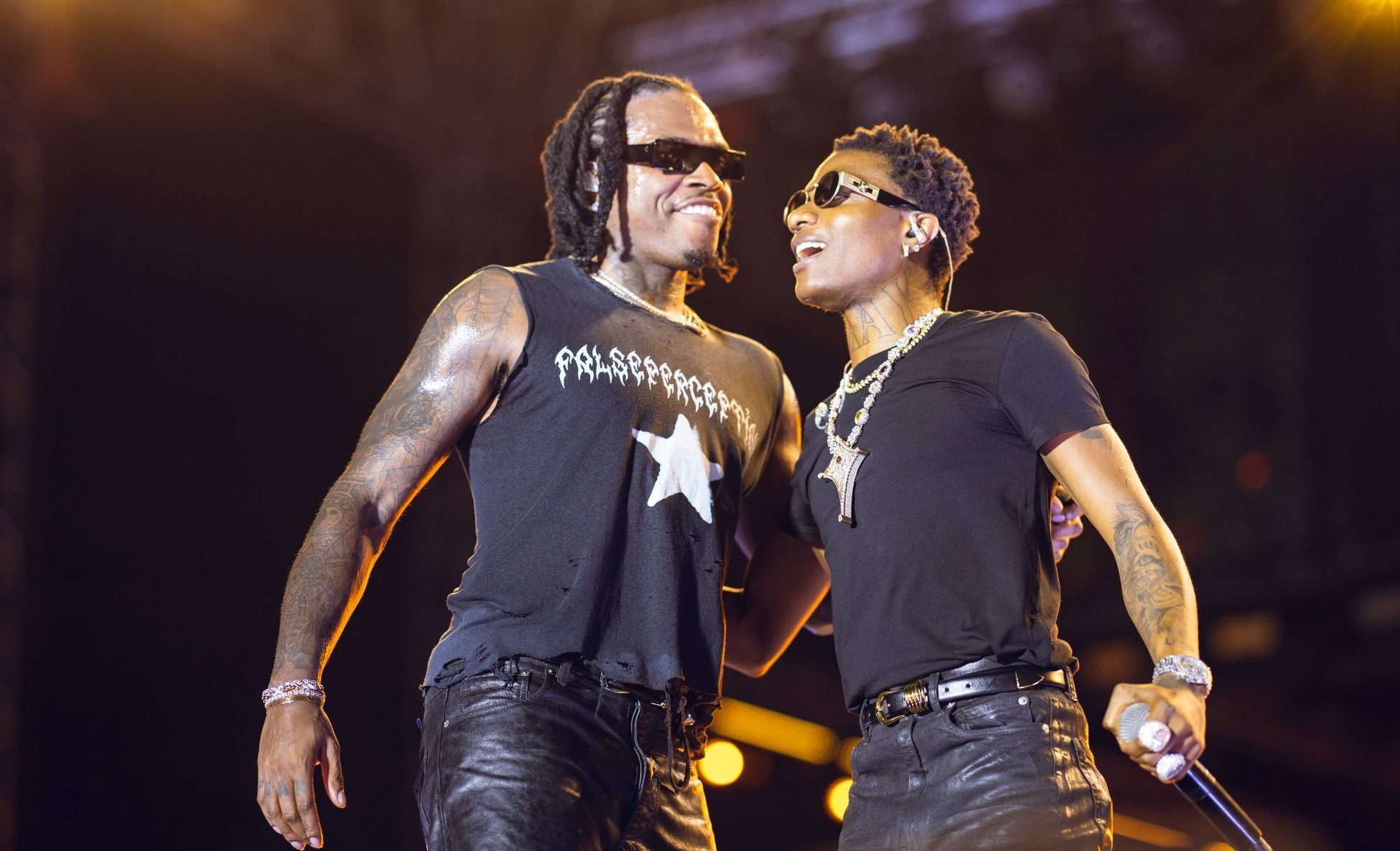
The local music industry in Nigeria is plagued by inadequate infrastructure and obsolete legislation, affecting business ownership, intellectual property rights, and workers’ welfare within the ecosystem. These difficulties have meant that the forex earnings from Afrobeats do not effectively trickle down to the local industry that drives Afrobeats innovation.
Additionally, widespread anxiety has troubled the Nigerian Afrobeats community in the last two consecutive years. Since 2024, Afrobeats has neither produced a global hit song with the impact of Rema’s “Calm Down” nor launched a debutant recording artiste of Asake’s meteoric rise and status.
Realistically, those feats are extraordinary and difficult to reproduce—but this has not assuaged the pervading uneasiness. To add salt to injury, musical innovations have been stagnant. Since the Afropiano craze that propelled the likes of Asake, Lojay, Omah Lay and Victony into the Afrobeats mainstream post-COVID-19, there have been no legible innovations in the Afrobeats sound.
2026 Afrobeats releases continue to draw inspiration from South Africa’s Amapiano. This begs the question: why is Afrobeats not looking inwards at its own two-decade-strong discography and the over 100-year catalogue of popular West African music that precedes it?
World Music and Previous Cycles of Global Attention
The general sense in Afrobeats, as with most innovations in show business, including cinema and television as practised in Nigeria, is to reject every connection to the past. It is as though industry insiders are either ahistorical or shun the lessons from their forebears.
Afrobeats is not the first (and may not be the last) popular African music genre to catch some global attention. In 1991, a talented singer/songwriter and guitarist described by his former bandmate as a “Bob Marley and Jimi Hendrix” creation signed with the American record label Interscope Records. His name was Majek Fashek, and Spirit of Love, his first international album, was also credited to his 12-man band, Prisoners of Conscience. Overall, the album was well received, supported by a tour with Tracy Chapman and late-night American television appearances.
After Bob Marley died in 1981, Island Records, responsible for popularising Reggae on the global stage, turned its gaze to Africa, ostensibly searching for the next global music star from the “Third World.” Fela Anikulapo-Kuti was already signed to Arista Records, so they signed King Sunny Ade, a handsome Ondo Kingdom prince turned Juju music royalty.



Ade released three albums—Juju Music (1982), Synchro System (1983), and Aura (1984) —in three years. Top-shelf media appearances, including contributions to soundtracks and cameo roles in Hollywood films, supported these album releases and helped secure an encouraging reception for Juju Music, which, to date, is a cult classic. Ade and his 21-man band also went on a multi-city tour in America, covered by late culture journalist Greg Tate whose 1983 reportage for The Village Voice, “King Sunny Ade: ‘Him Cool, Him Wicked’; Are You Ready for Juju?”, was a moving reflection of his reckoning with his identity as a person of African descent in the Diaspora.
What do these Cycles Teach the Present?
On Aura, King Sunny Ade’s final album with Island Records, Ade and his producer, Martin Meissonnier, experimented beyond the boundaries of Juju music, with spooky dub effects, indulgent synths, and off-kilter Linn drums. Assists from American R&B royalty Stevie Wonder and Cameroonian saxophonist Manu Dibango could not save Aura, and Island Records dropped Ade after the album failed to chart.
Juju musician and bandleader Segun Adewale was also signed to Sterns Music, a British record label established in 1983 and home to Salif Keita, Youssou N’Dour, and Franco & OK Jazz. Although Juju failed to capture global attention, it brought African music to the forefront.
American singer/songwriter Paul Simon, and half of the duo Simon & Garfunkel, encountered South African music, mbaqanga, in 1984. Graceland, his next album heavily influenced by mbaqanga, won the Album of the Year at the 1987 Grammy Awards. With over 16 million copies sold worldwide, Graceland remains Simon’s bestselling record.
The Rhythm of the Saints, Simon’s subsequent album, also borrowed influences from the continent and her diaspora. The tune “Spirit Voices” borrowed its melody from “Yaa Amponsah,” a song first recorded by Kumasi Trio in 1928 in London. Simon paid an initial 16,000 dollars to the Ghanaian Copyright Administration and further royalties of up to 80,000 dollars to the Ghanaian government once the commission determined that the musical style in “Yaa Amponsah” was part of Ghanaian cultural heritage.
African music’s explosion on the global stage necessitated a marketing label, World Music, a catchall phrase coined by American anthropologist Robert Brown in the 1960s, which was mobilised in the 1980s to describe music from non-Western countries that was not sung in English. A ready synonym for World Music is Ethnic Music. When performed by Western musicians like Paul Simon, World music can achieve unprecedented success, winning the most coveted award at the Grammys. Still, when performed by a non-Western musician, it competes in the Grammys’ World Music category.
Elias Leight, in their 2018 seminal report for Rolling Stone Magazine, “Why Isn’t Jamaican Dancehall Bigger in the US?”, performed a postmortem on Dancehall’s stateside excursion. They noted that since the Noughties, there has been a tradition of letting one Jamaican record climb up the US charts during the summer. The article argued that a diverse range of non-Caribbean chancers from Afrobeats artistes to Western pop superstars like Drake and Ed Sheeran have co-opted the Dancehall template.
Reggaeton, a genre that emerged in the late 80s from Panama, also borrows heavily from Dancehall. The piece concluded that, “The best way for Jamaican artistes to reach U.S. listeners, counterintuitively, may be turning their eyes elsewhere – towards South and Central America.” Eight years later, Leight’s logic is spot on: Puerto Rican musician and Reggaeton star Bad Bunny was the most-streamed artiste on Spotify in 2025 with 19.8 billion streams, and his sixth album, DeBÍ TiRAR MáS FOTos, was the Global Top Album. In the same vein, James Foley’s aforementioned Latin artistes have begun to interpret Afrobeats, which should run shivers down the spine of the Afrobeats production chain.
Considering the foregoing, Afrobeats’ anxiety about the genre’s future in global pop is well-founded. But there is nothing new under the sun that African music has not already lived through. For more than 100 years, African popular music has been exploited by the suits in the West. Now, what is different is how technology has disrupted the status quo. From consumer content overload to poor revenue for producers, there is a growing disillusionment with digital streaming, the predominant way we currently consume music.
Nevertheless, record companies always find dynamic ways to keep their doors open. Sony Music Publishing has been acquiring and managing the catalogue of legendary musicians in Nigeria, living and deceased, since it opened its doors in Lagos in 2022. It is a wise investment to acquire intellectual property from the past and present while awaiting clarity on the direction of music technology. Without a vibrant ecosystem and required infrastructure in its home base and a clear anchor within the global pop realms, Afrobeats might suffer a fate like that of Jamaican dancehall and Juju music: to exist at the pleasure of hegemonic capitalism.
*This essay, among other cultural essays, is published in The Afrocritik Report 2025. Download the report here.
Dami Ajayi is a Nigerian writer, poet and author of three award-winning volumes of poetry. His essays on literature, music, film, and popular culture have appeared in Chimurenga Chronic, Guardian UK, The Africa Report, Lost in Lagos Magazine, The Elephant, Bakwa Magazine, Afropolitan Vibes Magazine, and Das Goethe. He writes the Substack newsletter, London Listening Sessions.