

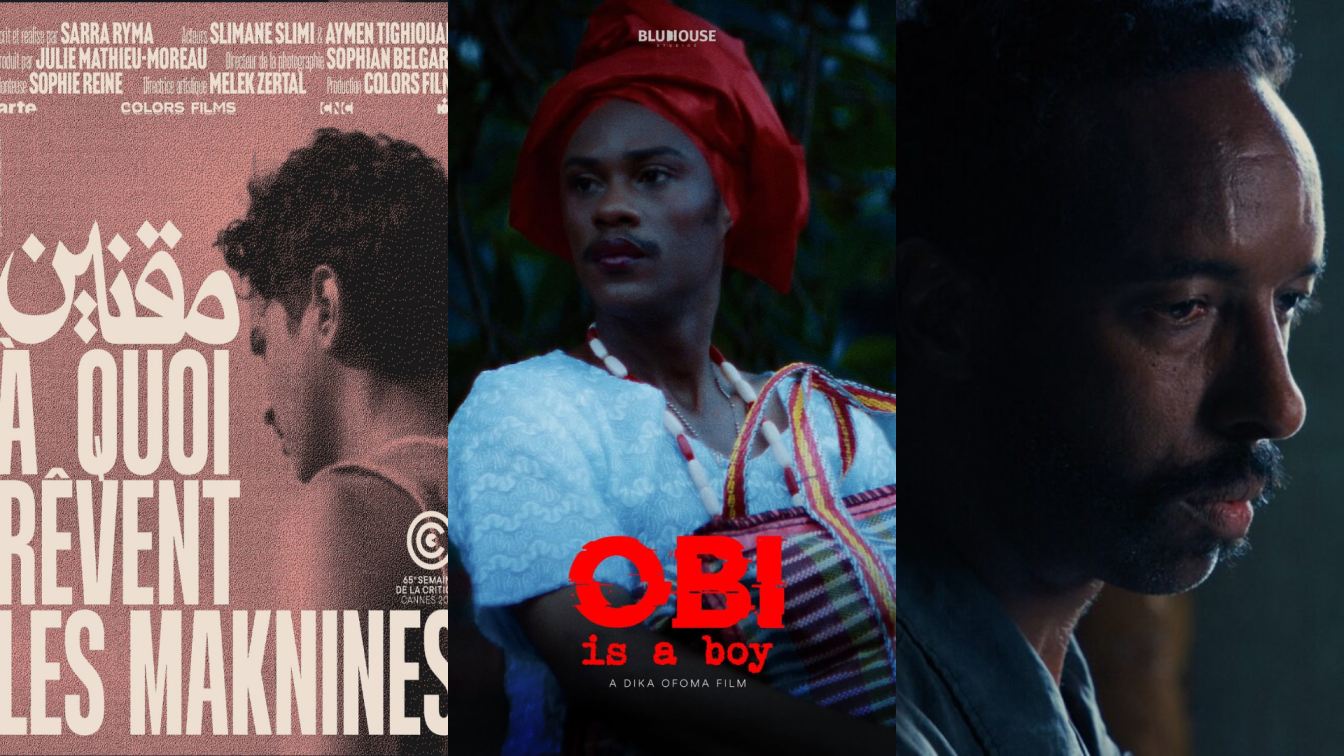

Whether contemplating migration, gender identity, or an unconventional romance, What Do the Maknines Dream Of, Obi Is a Boy, and Whispers of a Burning Scent resist easy answers, choosing instead to linger in the emotional ambiguities that accompany every act of becoming.
By Joseph Jonathan
Cinema has long been fascinated with departures. Some are geographical, others emotional; some demand crossing oceans, others merely stepping beyond the expectations imposed by family, society, or love itself. Yet all departures require a kind of mourning, an acknowledgement that leaving something behind often means carrying part of it forever. Three short films at the 2026 Melbourne International Film Festival (MIFF)—from Algeria, Nigeria, and Somalia—approach this idea from strikingly different directions. Whether contemplating migration, gender identity, or an unconventional romance, What Do the Maknines Dream Of, Obi Is a Boy, and Whispers of a Burning Scent resist easy answers, choosing instead to linger in the emotional ambiguities that accompany every act of becoming.
What Do the Maknines Dream Of (Algeria)
Sarra Ryma’s What Do the Maknines Dream Of (À quoi rêvent les Maknines) is, at its heart, a film about waiting. Waiting to leave. Waiting to become someone else. Waiting to discover whether the future can ever justify abandoning the place that made you.
Across twenty-two quietly observed minutes, Ryma follows Kacim (Slimane Slimi) and Malek (Aymen Tighiouart), two young Algerians spending what may be their final day wandering through Algiers before attempting the perilous crossing of the Mediterranean. Migration has become one of the defining realities of contemporary North Africa, but rather than dramatise the journey itself, Ryma remains with the emotional space immediately before departure; the suspended moment where dreams of elsewhere collide with an unexpected tenderness for home.
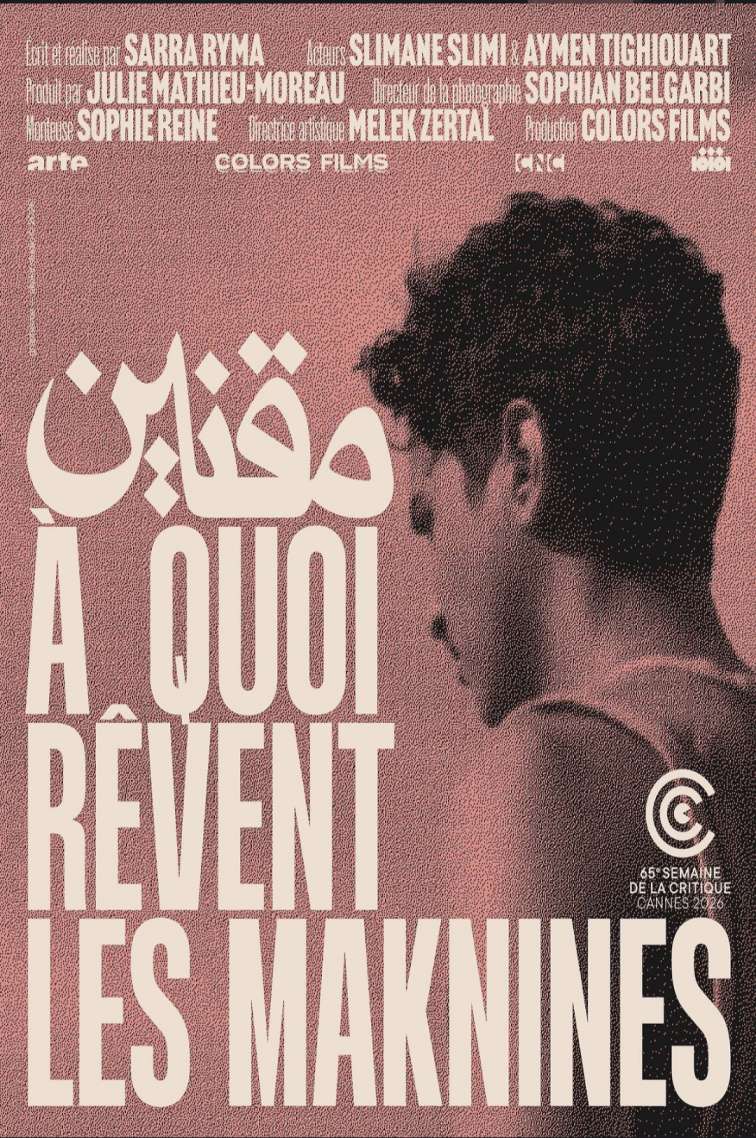
The film is remarkable for how little it explains. Much of the relationship between Kacim and Malek exists in glances, silences, and gestures rather than exposition. Whatever passes between them hardly needs to be verbalised. Ryma trusts the audience to inhabit the emotional spaces left deliberately open, and the film is richer for that restraint.
Its most distinctive formal device lies in its treatment of the maknines, the goldfinches whose songs repeatedly punctuate the soundtrack. Their singing transforms Algiers into more than a backdrop; the city becomes an active participant in the story, its ambient sounds carrying memories the protagonists have not yet realised they will miss. Ryma invites viewers to listen as carefully as they watch, constructing a cinematic experience where sound itself becomes an archive of belonging.
The film’s most affecting sequence arrives through its bird-singing competition, a moment that initially appears to promise triumph before quietly subverting those expectations. Ryma later echoes this emotional inversion in the closing moments, creating a poignant juxtaposition that captures the paradox confronting many young North Africans: the desire to leave is often accompanied by a grief for the very place one feels compelled to escape.
Rather than presenting migration as either liberation or tragedy, What Do the Maknines Dream Of inhabits the difficult territory between both. It recognises that departure often begins long before the journey itself.
Obi Is a Boy (Nigeria)
Few contemporary Nigerian short films have explored gender identity with the emotional precision of Dika Ofoma’s Obi Is a Boy. Rather than constructing its narrative around public persecution or overt political confrontation, the film locates its deepest conflicts within the domestic sphere, where family expectations quietly determine who is allowed to exist without apology.
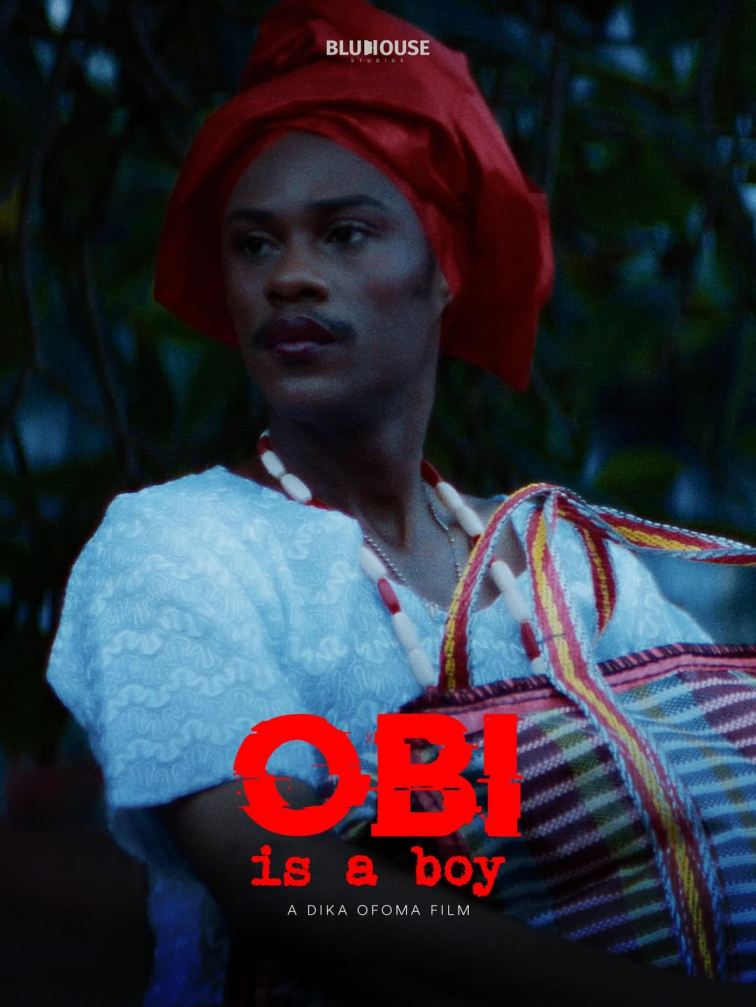
The sixteen-minute drama follows the eponymous Obi (Uche Uba), a young gender non-conforming hairdresser who returns home for his mother’s funeral and is forced into an uneasy reunion with the father whose rigid understanding of masculinity has shaped much of his life. The funeral becomes less a narrative destination than a catalyst, reopening emotional wounds neither father nor son knows how to address.
What distinguishes Ofoma’s screenplay is its refusal to sensationalise. The film understands that for many queer Africans, violence is not always spectacular. It often arrives through accumulated silences, withheld affection, disappointed glances, and the exhausting demand to perform an acceptable version of oneself. Obi’s struggle is therefore not one of self-discovery but self-permission. He already understands who he is.
The greater challenge lies in living authentically within a family and society that continually insist otherwise. Remarkably, Ofoma achieves this emotional complexity with striking economy. Every scene advances character rather than merely plot, allowing viewers to understand years of fractured relationships without the burden of excessive exposition.
The performances remain beautifully measured throughout. In his screen debut, Uche Uba brings remarkable vulnerability to Obi, communicating volumes through restraint rather than theatrical expression. Ofiafuluagu Mbaka as the father avoids becoming a simplistic villain, embodying instead the contradictions of a man imprisoned by inherited notions of masculinity. Ebele Okaro similarly lends warmth and quiet authority to the family dynamic.


Its final sequence is quietly devastating. Entering his late mother’s wardrobe, Obi wraps himself in her crimson ìcháfù and bùbá before walking silently past his father and leaving on the back of an okada (motorcycle). No declaration accompanies the moment. None is necessary. Without uttering a word, Obi chooses himself. It is a conclusion that feels less like rebellion than release.
Whispers of a Burning Scent (Somalia)
Mo Harawe’s Whispers of a Burning Scent begins with a premise capable of inviting immediate moral judgement. Hanfade (Omar Abdi), a thirty-five-year-old wedding musician, stands accused of exploiting his seventy-five-year-old wife, whose dementia has raised troubling questions about the legitimacy of their marriage. As he moves between courtroom, city streets, and an evening wedding performance, the film gradually reveals a portrait far more emotionally elusive than its premise initially suggests.
Harawe resists the temptation to resolve the ethical uncertainties surrounding the relationship. Instead, he asks a more difficult question: can genuine devotion exist within circumstances that remain deeply uncomfortable?
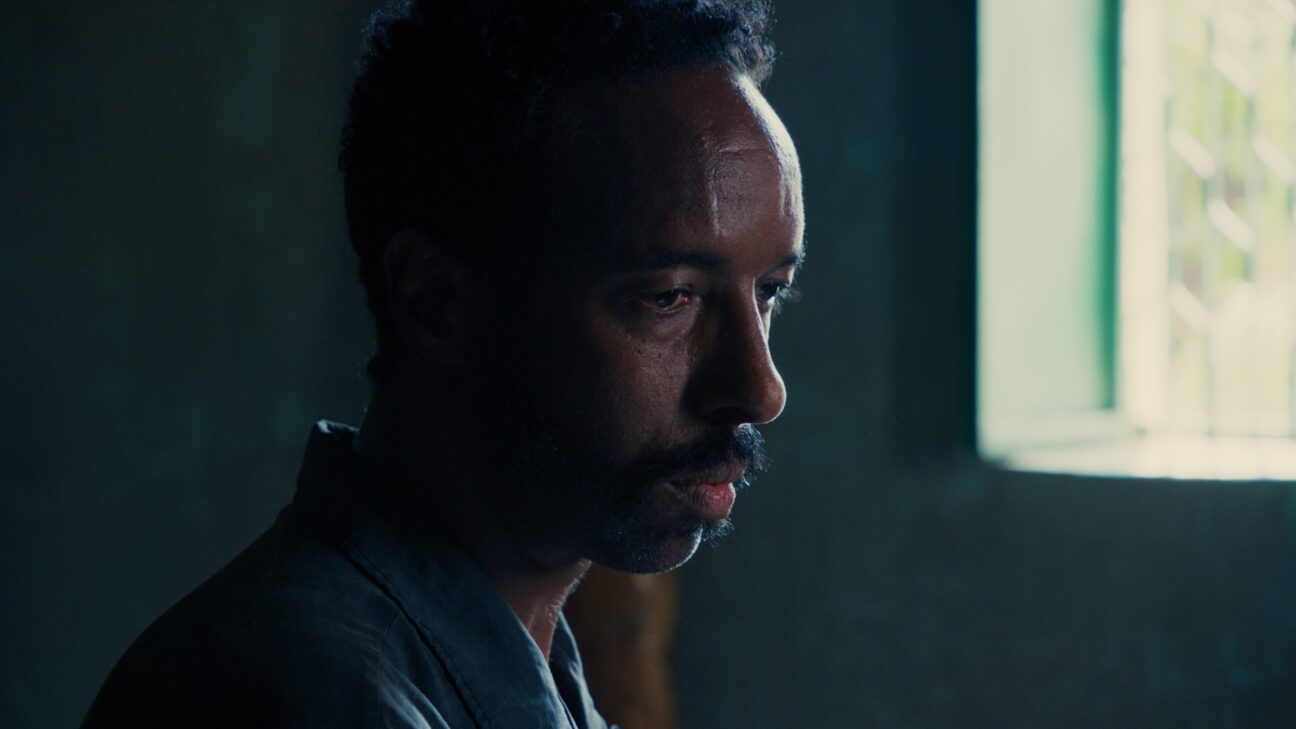
Omar Abdi delivers a remarkable performance. Few actors communicate interiority with such economy. His face, particularly his eyes, carries an extraordinary emotional weight, allowing silence itself to become dialogue.
The film’s most revealing moment arrives during Hanfade’s conversation with his wife’s children. Having previously been asked to justify the relationship, he responds not with grand declarations but with intimate observations: she prefers warm showers in the evenings; she likes frankincense burning in her room. These tiny domestic details become unexpectedly persuasive evidence of care, revealing a form of love expressed through attention rather than rhetoric.
Yet Harawe wisely refuses to allow these moments to settle the film’s moral ambiguity. Public suspicion remains understandable. The legal and ethical questions surrounding the marriage remain unresolved. Instead of choosing certainty, the film continually redirects viewers towards ambiguity, asking them to inhabit discomfort rather than escape it. Like the finest short films, Whispers of a Burning Scent trusts uncertainty as a dramatic principle. It recognises that not every story exists to provide answers. Sometimes cinema’s greatest achievement is simply expanding the questions we are willing to ask.
Joseph Jonathan is a historian who seeks to understand how film shapes our cultural identity as a people. He believes that history is more about the future than the past. When he’s not writing about film, you can catch him listening to music or discussing politics. He tweets @Chukwu2big