

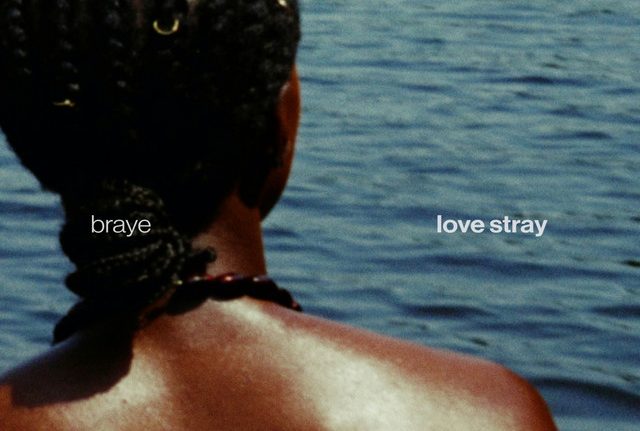

With Love Stray, Braye continues to position himself as one of the more compelling storytellers emerging in contemporary Nigerian music.
By Yinoluwa Olowofoyeku
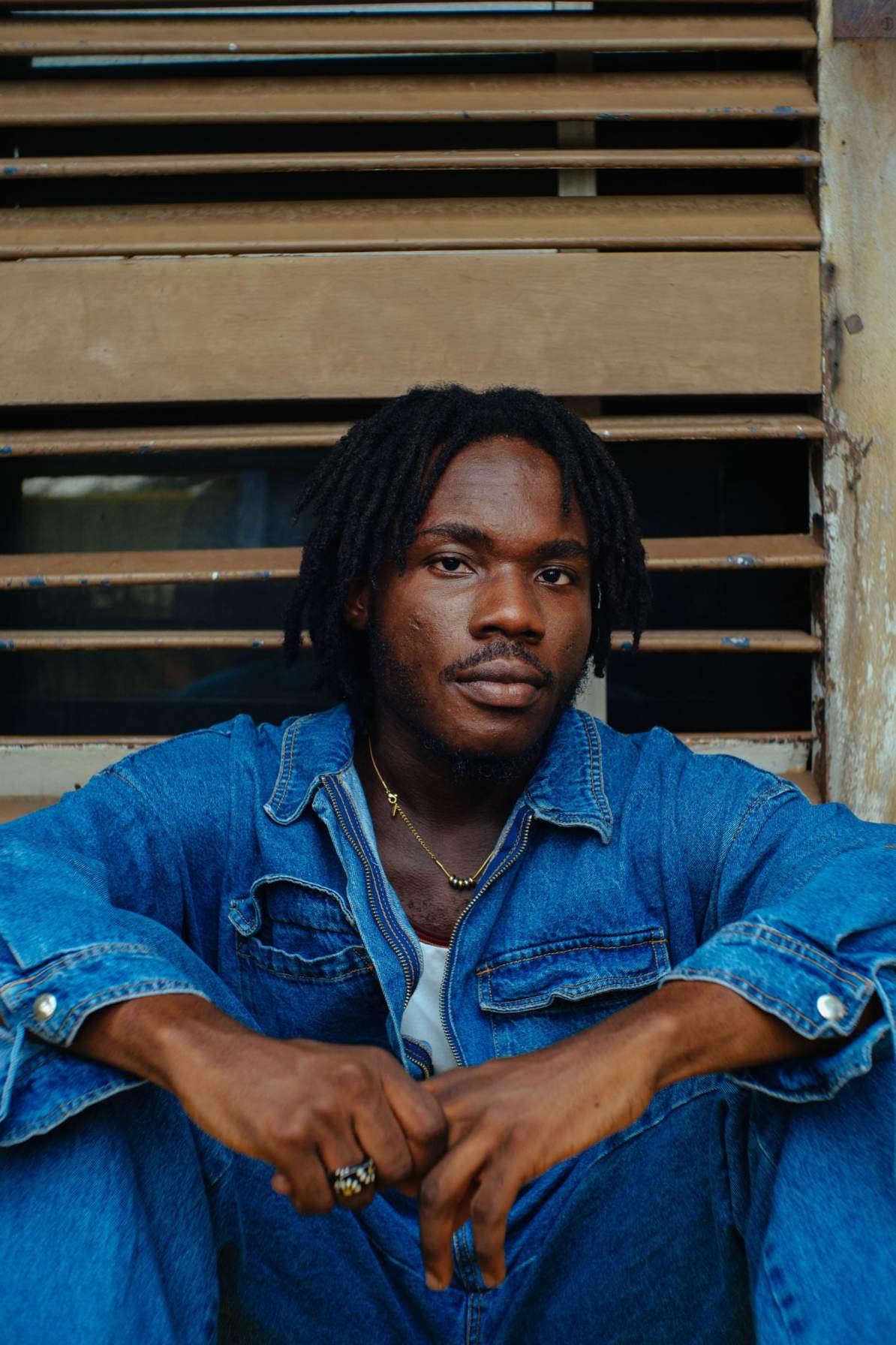
For Nigerian singer and songwriter Braye, born Okiakpe Braye Frank, music has long been less a career choice than a deeply ingrained instinct, a calling shaped by movement, solitude, and a restless curiosity about sound. Born and raised in Port Harcourt and spending formative years between Nigeria and Accra, Ghana, Braye grew up immersed in the emotional pull of music, absorbing the sounds that drifted through church services, neighbourhood speakers, and his father’s eclectic listening habits.
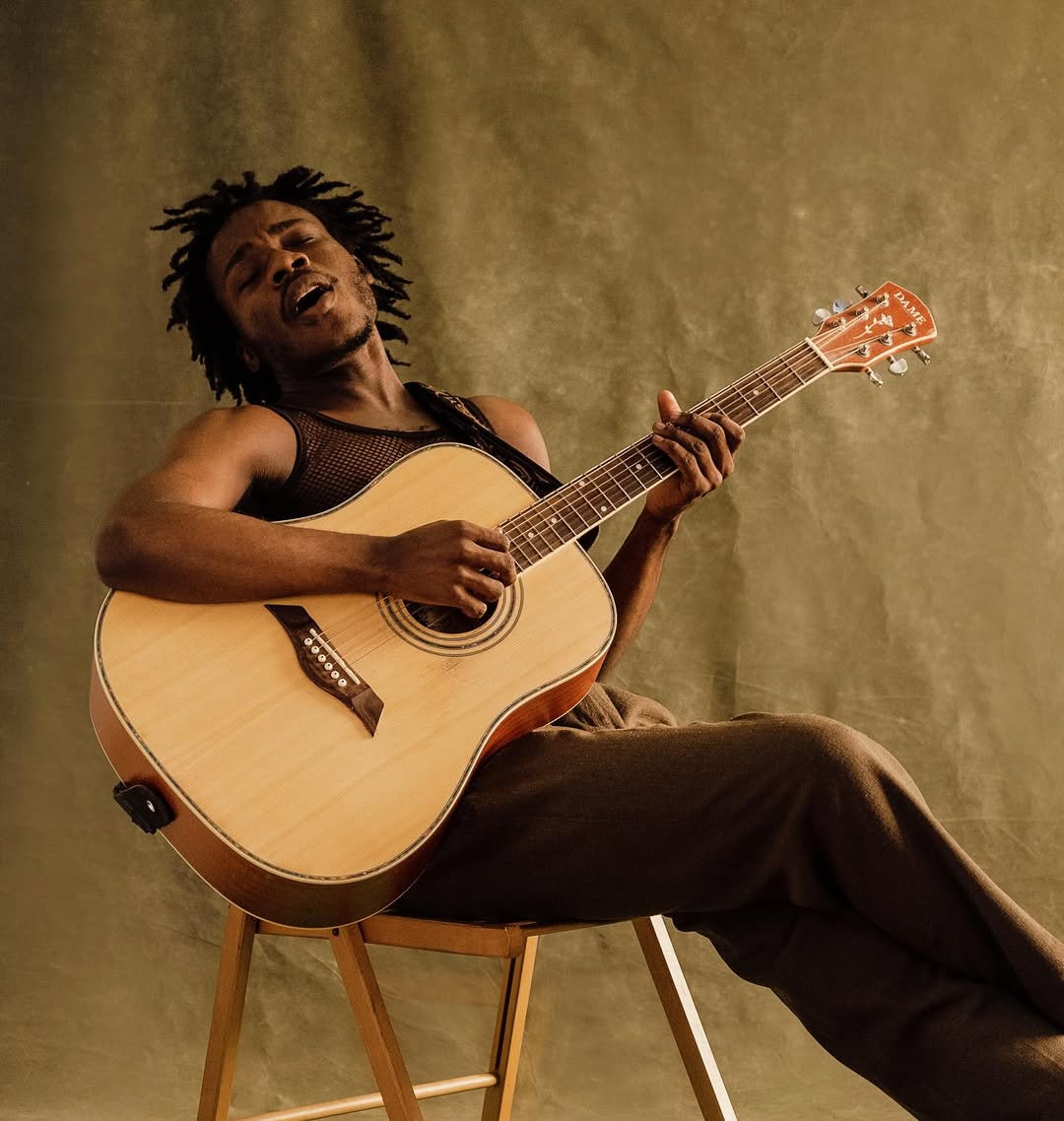
That early exposure matured into a creative pursuit in his teenage years when he began writing poetry and rap verses before gradually discovering his voice as a singer and songwriter, a transition that broadened his artistic palette and pushed him toward the genre-blurring approach that now defines his music. Largely self-taught, he used the internet as his classroom, teaching himself guitar and piano while studying the songwriting traditions of artistes as varied as Ray Charles, Bob Marley, Dennis Brown, Amy Winehouse, and Kendrick Lamar, influences that echo through his blend of Reggae, Soul, Jazz, Hip-Hop, and Afro-Fusion textures.
After years of quietly refining his craft and navigating a difficult path that at times included homelessness and uncertainty, Braye began to attract attention through snippets shared online, eventually catching the eye of alté figure BOJ and finding his way into Nigeria’s wider music ecosystem. His debut project, I Wish I Had More Time (2025), introduced listeners to a delicate, jazz-tinged soundscape anchored by vulnerable storytelling and introspective songwriting, positioning him as one of the more intriguing new voices emerging from the country’s alternative scene.
Now, with the release of the EP Love Stray, Braye returns to expand that artistic identity further, situating the project within a young but steadily developing catalogue that continues to explore intimacy, longing, and emotional honesty while refining the genre-fluid sonic language that has come to define his work.
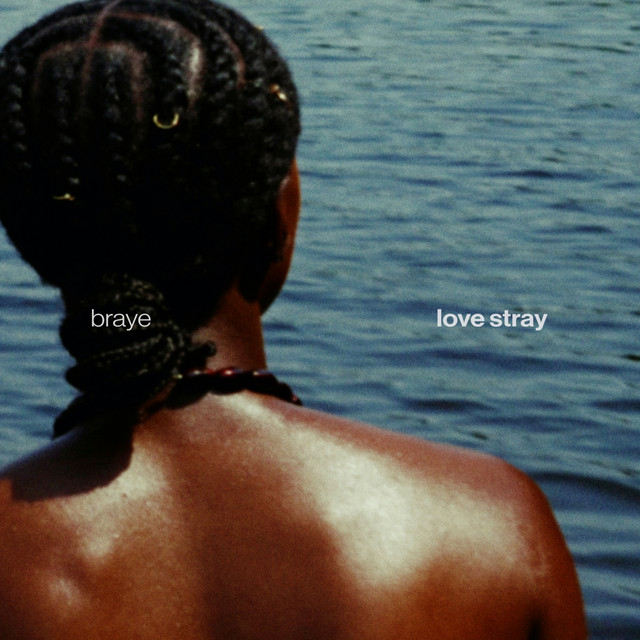
“Deeper Than Love” opens Love Stray with a lively jumping bass guitar line and bright, stereorized Latin percussions that immediately establish movement and warmth. Spacious electric piano chords spread gently beneath the groove before Braye’s smooth, buttery voice glides into the mix, quiet and almost whispery in tone.
As the song unfolds, his vocal range gradually expands while delightful backing vocals creep in behind him. Bright trumpet accents arrive soon after, mirroring his agile staccato melodies while adding their own melodic tension and texture through harmonies and quick backing runs. The rhythm section completes the picture as drums enter with rapid sixteenth-note hi-hats and a buoyant bossa-style arrangement built on punchy kicks and a snappy rimshot.
Together, the ensemble creates a jazzy, lively palette that feels almost designed to invite the listener into a gentle salsa sway. Over this warm instrumental landscape, Braye waxes lyrical about a connection with Nina that seems to reach beyond the conventional boundaries of love. “Oh Nina, how you got a hold on me?/ Maybe this could even be/ Something deeper than love … I’ve got nowhere to go/ Love in a deeper way/ Tell me what you want, and then I find a way”.
The performance feels so intimate that it scarcely sounds like singing at all. His delivery comes across as genuine and personal, almost as if the listener is eavesdropping on a private conversation between him and Nina, yet that conversation unfolds through some of the smoothest melodies, varied vocal inflections, and broad expressive range one might hear in a song this relaxed.
“Are You On The Way” continues the emotional thread established at the beginning of Love Stray, though it settles into a more subdued mood. Acoustic guitars lead the introduction with gently strummed patterns while soft saxophone runs drift quietly in the background. The drums enter alongside Braye’s vocals, their syncopation recalling the rhythmic character of the opening track, yet the overall atmosphere feels calmer and more restrained.
The backing vocals carry a slightly sombre tone, the guitars sound faintly filtered, the saxophone lingers further behind the main arrangement, and the bassline moves with less animation. Within that softened space, Braye’s delivery leans heavily into longing and desire. His subdued vocal performance draws attention to his signature vocal fry and his habit of pairing poetic lyricism with a relatable storytelling perspective. The central question lingers through the song with quiet urgency as he asks, “Are you on the way? / Are you on the way? / How much longer do I / Do I gotta wait for you you you.” The simplicity of the refrain allows the yearning in his voice to carry the emotional weight.
“Bossa Nova” returns on Love Stray as Braye’s biggest hit so far, built around a song-length metaphor that compares romantic interaction to the rhythms and moods of musical genres. The lyric frames intimacy through sonic imagery: “Bossa Nova in the morning/ Moaning in the evening/ That’s the rhythm of my loving, girl… Let me be your DJ for the night/ Let me play you something that you never heard in your life/ Something to ease your mind”.
Interestingly, the instrumental itself is not strictly bossa nova, though it borrows from the style while blending it with Afrobeats sensibilities. Clacking three-two rimshots and a steady four-four kick pattern provide the rhythmic backbone, supported by subtle shakers and occasional hip-hop drum switch-ups.
Above that rhythm sits a progression of airy electric guitar chords, a walking bass guitar line, and large yet carefully controlled brass passages. Subtlety defines the song’s arrangement. Even the backing vocals and group harmonies occupy a restrained position in the mix, rarely expanding into large harmonic layers and instead acting as gentle accents that colour Braye’s silky, understated main melodies.
“Swim With Me” closes Love Stray with a piece that feels closer to a stream-of-consciousness poem than a conventional song structure. Traditional verse and chorus patterns are largely abandoned in favour of a free-flowing expression that unfolds like pillow talk caught mid-transmission.
Braye moves through confession, reflection, questioning, and digression as he addresses the person at the centre of his emotions. “Throw me up, Hold me down/ Show me your power/ There’s too many shades and colours to this thing/ But you’re all that I need, Come around”. His vocal styling mirrors the looseness of the writing. The delivery feels improvisational, as though a jazz singer were freestyling over an interlude.
Lines shift between half-spoken and half-sung phrases, extended through held notes, smooth runs, tender vibrato, and spontaneous rhythmic turns. The instrumental mirrors that same sense of freedom. Incessantly strummed acoustic guitars provide the primary motion, supported by a plucked bass, intermittent muted brass wails, and subtle piano accents that slip in and out of the texture. Past the halfway point, a drum break introduces a steadier pulse that pushes the track forward briefly before Braye eases the momentum again, gradually bringing the song to a quiet landing that leaves the lingering questions of his confession resting gently at the feet of his lover.
EPs like Love Stray often thrive on their ability to deliver a short, focused journey, and Braye leans fully into that strength here. The project feels like a carefully curated sonic exhibition of a particular slice of his artistry. Even the title sets the tone.
Love Stray can be interpreted in multiple ways, and that sense of multiplicity finds expression across the four tracks as Braye explores different shades of intimacy, longing, and emotional connection. Despite those shifting emotional angles, the sonic and thematic direction remains remarkably consistent.
On a longer album, that level of uniformity might risk feeling limiting, but on this brief and contained project, it works to the EP’s advantage. The consistency keeps the experience tidy and cohesive, allowing the entire run of Love Stray to feel like a single piece of art unfolding from beginning to end.
The production plays a key role in securing that light and breezy atmosphere. With one production team overseeing the sound, the EP maintains a unified instrumental palette that ties the songs together sonically while still allowing for variation in mood, tone, colour, and timbre from one track to the next.
Each arrangement shifts subtly, introducing different textures and emotional shades, yet the sonic framework remains familiar enough to hold everything together. That consistency provides Braye with an adaptable musical canvas, giving him room to explore the nuances of his storytelling without the project losing its sense of cohesion.
Within that subtle soundscape, Braye himself becomes the centrepiece. His delivery is unmistakably the star of the show. What stands out most is how naturally he sings without sounding like he is singing at all. The performance often feels conversational, as if he is speaking directly to the subject of his affection rather than performing for the listener.
Even when the melodies stretch into fluid and expressive territory, he rarely pushes his voice into heavy belting. Instead, he maintains a relaxed tone that preserves the intimacy of the songs. His technique reveals itself quietly through the details. There is the delicate control of vibrato, the textured use of vocal fry, the breath control that allows him to glide through longer staccato passages, and a rhythmic command that feels loose and free while never slipping off beat. The result is a delivery that feels natural, smooth, and deeply personal.
That vocal approach complements the autobiographical and diaristic quality of his writing. Braye’s lyrics often feel like pages from a journal, where poetic phrasing and everyday reflection coexist comfortably. The poetics arrive with the cadence of spoken word, and the emotion within the words becomes amplified through the way he delivers them.


His songwriting voice feels idiosyncratic, shaped by a blend of poetic instincts and conventional song structure that reflects the diverse influences in his upbringing. Across Love Stray, every component seems to align toward the same expressive goal. The instrumentals, the melodic phrasing, the lyrical construction, the vocal delivery, and even the placement of backing vocals all feel intentionally coordinated. The harmonies drift in and out without sounding formulaic, adding colour and depth without ever becoming predictable or distracting, even when multiple layers are present.
That level of cohesion speaks to the technical care happening behind the scenes in the engineering process. The relaxed atmosphere that defines Love Stray does not appear by accident. It is the product of careful sonic balancing and thoughtful layering. Whispery and delicate vocal passages remain crystal clear while still sitting comfortably within the mix when Braye pushes slightly more power into certain lines.
The instruments move around his voice with equal precision, stepping forward when they need to add colour or emphasis and retreating seamlessly when the focus returns to the vocal performance. The result is a soundscape that feels effortless while remaining technically precise.
With Love Stray, Braye delivers a concise yet thorough exploration of a single emotional theme. The EP locks firmly onto its central idea and uses every tool available to examine it from multiple angles. His songwriting, vocal delivery, and production choices work together to create a smooth musical thesis that unfolds almost like a sonic short film, carrying the listener through moments of affection, longing, and quiet emotional reflection.
In doing so, Braye continues to position himself as one of the more compelling storytellers emerging in contemporary Nigerian music. His uniqueness and bold artistic instincts have already set him apart for listeners searching for something different, and they have helped him capture the curiosity and admiration of an audience drawn to that sense of novelty.
Those qualities also suggest that he would thrive within live performance circuits across the country, where this style of intimate and expressive music often resonates strongly with audiences. With appetites now whetted by Love Stray, many listeners will likely be waiting with anticipation to see what direction he chooses next. A future pivot in sound or theme could open yet another corner of the ever-unfolding artistic enigma that is Braye.
Lyricism – 1.7
Tracklisting – 1.5
Sound Engineering – 1.8
Vocalisation – 1.7
Listening Experience – 1.6
Rating – 8.3/10
Yinoluwa “Yinoluu” Olowofoyeku is a multi-disciplinary artist and creative who finds expression in various media. His music can be found across all platforms and he welcomes interaction on his social media @Yinoluu.