

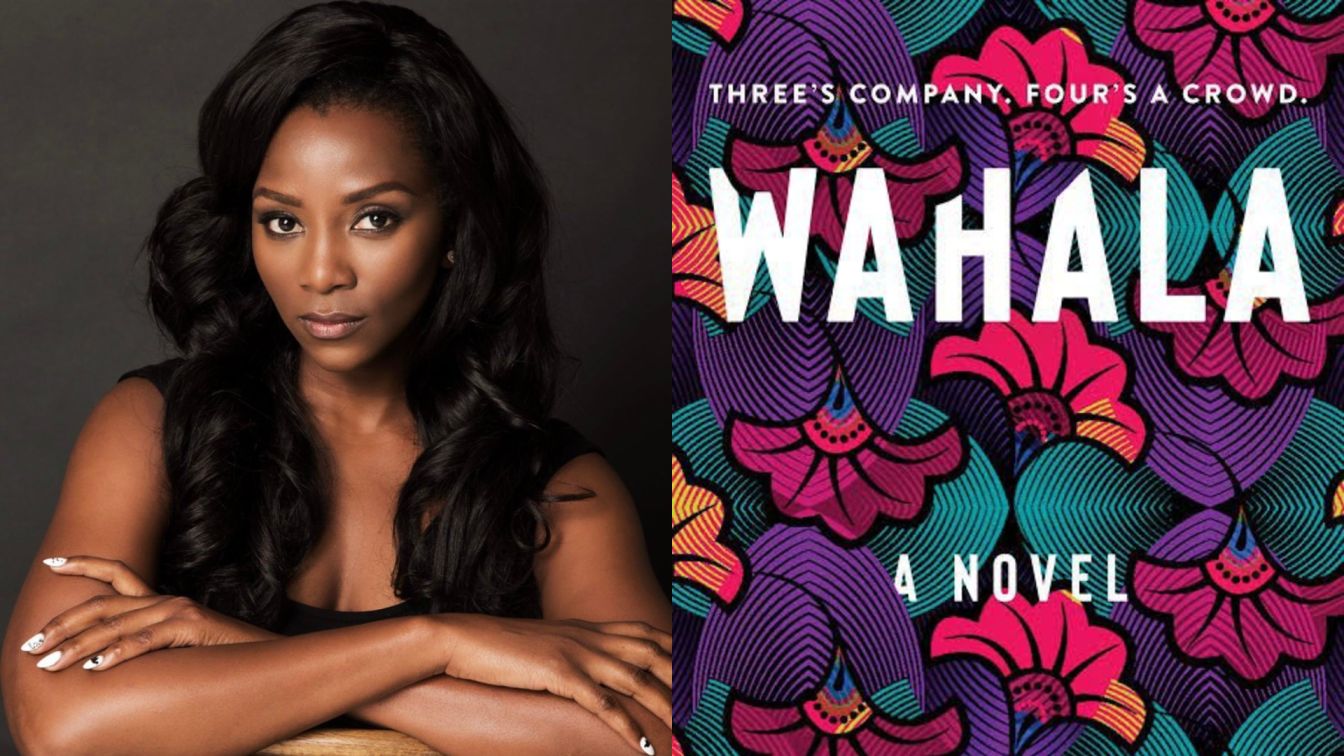

For Genevieve Nnaji, whose career has largely been defined by her work in Nigerian cinema, this return to television (on a British platform, within a diasporic narrative) feels less like a detour and more like an expansion.
By Joseph Jonathan
Acclaimed Nigerian actress and filmmaker Genevieve Nnaji is set to return to television for the first time in nearly four decades, joining the cast of Wahala, a new BBC drama adapted from Nikki May’s bestselling debut novel. The six-part series, created by BAFTA-nominated writer Theresa Ikoko, marks a notable moment in Nnaji’s career, bringing her back to the small screen for the first time since her childhood appearance in Ripples (1987).
Produced by Firebird Pictures, part of BBC Studios, Wahala will air on BBC iPlayer and BBC One, and is already shaping up as a character-driven thriller rooted in the complexities of diasporic identity, friendship, and memory.

At its centre are four British-Nigerian women in their thirties—Simi, Boo, Ronke, and Isobel—played by Adelayo Adedayo, Cush Jumbo, Susan Wokoma, and Deborah Ayorinde, respectively. Each of the lead actors shares Nigerian heritage, grounding the series in a lived familiarity with the cultural tensions it explores. Their lives, split between present-day London and the lingering shadows of their childhoods, begin to unravel when a new arrival disrupts their carefully balanced relationships.
Adapted from May’s novel, whose title borrows from the Nigerian pidgin word for “trouble”, Wahala traces how intimacy can fracture under the weight of buried histories. What begins as an exploration of friendship gradually deepens into something more unsettling, as secrets resurface and loyalties are tested.
Nnaji’s casting, while still under wraps in terms of character details, adds a significant layer of intrigue. Long regarded as one of Nollywood’s most influential figures, her involvement signals a convergence between Nigerian screen legacy and diasporic storytelling. More importantly, it positions her within a narrative that reflects the transnational realities Nollywood has increasingly begun to engage with; stories not confined to geography, but shaped by movement, memory, and cultural inheritance.
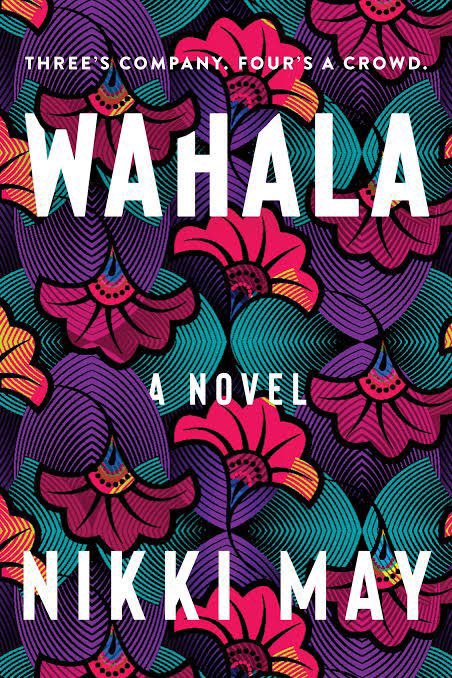
For Ikoko, whose work has consistently explored the intersections of race, class, and belonging in contemporary Britain, Wahala extends a growing body of stories about the African diaspora that resist flattening. Here, identity is not a static marker but rather something negotiated across friendships, histories, and continents.
“I can’t wait to bring Wahala to life with this amazing cast, wonderful directors and brilliantly talented crew,” Ikoko said in a statement.
The ensemble cast echoes that excitement. Adedayo describes the project as “a thrilling ride,” while Ayorinde hints at a departure from her previous roles, promising a character audiences “haven’t seen” from her before. Jumbo and Wokoma similarly frame the series as both a creative challenge and a collaborative high point, with Wokoma noting her long-standing admiration for Ikoko’s writing.

BBC Drama Director Lindsay Salt describes the scripts as “riveting, full of rich and complex characters”. At the same time, Firebird Pictures’ Elizabeth Kilgarriff positions the series as “entertaining, gripping and epic”: language that gestures toward both its emotional stakes and narrative ambition.
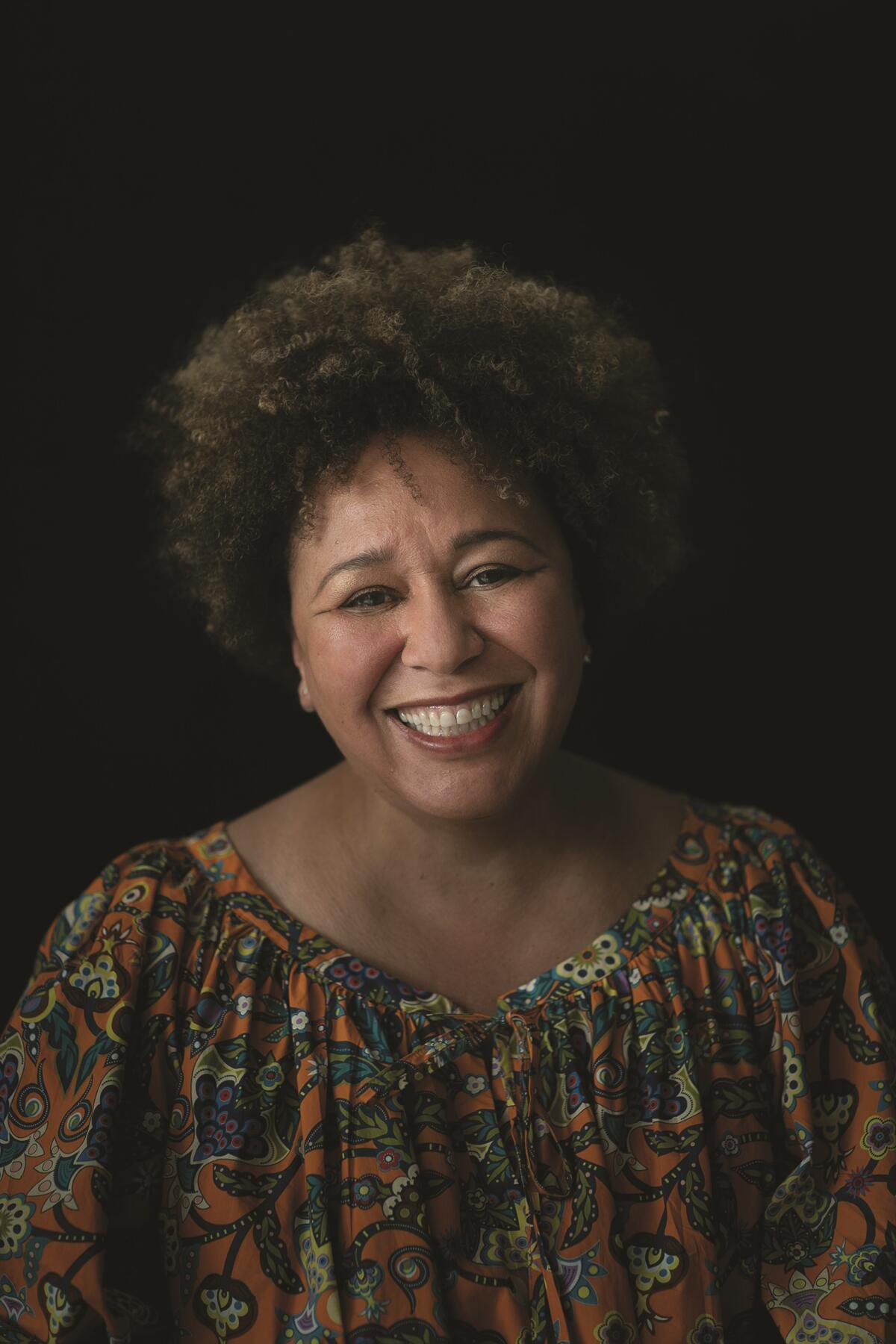
Directed by Leonora Lonsdale, Remi Weekes, and Ikoko herself, Wahala is executive produced by Nawfal Faizullah for the BBC, alongside Kilgarriff and Craig Holleworth for Firebird Pictures. BBC Studios will handle global distribution, positioning the series for international reach.
Yet, beyond its industrial framing, Wahala arrives at a moment when stories about African and diasporic women are gaining new visibility, even as they continue to negotiate questions of authorship and representation. With a cast that is both globally recognisable and culturally specific, the series leans into that tension between who gets to tell these stories and how they are told.
For Nnaji, whose career has largely been defined by her work in Nigerian cinema, this return to television (on a British platform, within a diasporic narrative) feels less like a detour and more like an expansion. If Wahala is, as its title suggests, about trouble, then it is also about the kinds of disruptions that reveal deeper truths: about friendship, about identity, and about the shifting terrains of African storytelling today.