

Sync licensing is one of the few revenue streams where the income is not only substantial but also long-lasting, if the business side is handled correctly.
By Deborah Oyedijo
Over the years, Afrobeats has grown beyond spontaneous, leisurely listening. As the genre continues to penetrate global markets, its utility has expanded too, showing up not just on playlists but across films, TV series, adverts, video games, streaming trailers, TikTok campaigns, and even stadium highlights. Nigerian songs are now travelling in ways that would have sounded unrealistic years ago, and the results are obvious: greater global visibility, stronger cultural influence, and increased international demand.
There is a silent question behind all of that growth, and it is one that many Nigerian artistes still do not ask early enough: when your song enters these global spaces, what deals can it unlock beyond streaming?
That is where sync licensing comes in.
Sync licensing, short for synchronisation licensing, is simply what happens when a song is legally cleared to be used alongside visual content. That visual content could be a film, a TV series, a documentary, an advert, a trailer, or even a video game. The moment your music is paired with moving images, you are no longer dealing with streaming rules; you are dealing with licensing rules. And the difference between the two worlds is not small.
Streaming revenue is mostly volume-based. You need numbers — millions of streams, repeated plays, long-term consistency. Sync is different. Sync is negotiation-based. Someone wants to use your song for a particular project, and they have to pay for the right to do so. That means one placement can sometimes earn what thousands of streams would struggle to generate.
What makes sync even more interesting is that it is not driven by hype alone; it is driven by need. A filmmaker needs a party song for a scene. A TV editor needs something emotional for a character’s breakdown. A brand wants something confident and youthful for an advert. A game developer wants a soundtrack that reflects modern culture. The song is not chosen because it is trending; it is chosen because it fits a moment. And once the right song fits the right moment, the process moves quickly.
That process is often led by music supervisors, licensing executives, or production teams responsible for selecting songs and clearing them. They are not only thinking about vibe, but also about legality. They are considering who owns the song, who controls the rights, how quickly it can be cleared, and whether the paperwork is clean enough to avoid problems later. Because in film and television, delays are expensive, and no one wants a legal dispute after a project has already been released.
This is why sync licensing is not as simple as saying, “my song was used in a Netflix show”. There is an entire clearance system behind it, and if you do not understand it, you may lose out even when your song is selected.
At the centre of the clearance process is one reality many Nigerian artistes still overlook: every commercially released song has two separate rights attached to it. There is the master recording, which is the actual sound recording people hear on Spotify or Apple Music, and there is the underlying composition — meaning the lyrics and melody, the song as an idea. The master is usually owned by a label, or by the artiste if they are independent. The composition is typically controlled by songwriters and publishers.
For a sync deal to proceed properly, both sides must be cleared. It is not enough for the artiste to approve. It is not enough for the label to approve. If the production company cannot obtain permission for both the recording and the composition, they cannot legally use the song. This is why sync is sometimes described as a “two-door” system. If one door is locked, the placement dies.
This is also why Nigerian music sometimes loses opportunities, even when demand exists. If a song has multiple writers but no clear publishing structure, the clearance becomes stressful. If a producer is owed credits but was never properly documented, it becomes risky. If a label is involved but communication is slow, deadlines are missed. In the sync world, deadlines are not negotiable. A song that does not scale through the clearing process risks being replaced almost immediately.
Once a song is cleared, the next question becomes the more interesting one: payment. Sync licensing revenue typically comes in two layers. First, there is the upfront fee, which is what the production company pays to secure the right to use the song. This fee depends on the project’s budget, the popularity of the song, the type of usage, and the territory. A background use in a small-budget film is not priced the same way as a prominent use in a Hollywood blockbuster or a global campaign.
However, the upfront fee is not the only benefit. The second layer is royalties, especially performance royalties. If a song is used in a film or series that airs repeatedly or streams globally, it may continue generating royalties long after the project is released. This is where proper documentation becomes crucial. Film and TV projects rely heavily on cue sheets, which are records of every song used in a production, including who owns what and who should be paid. If your metadata is incomplete, your royalties may never reach you, even if your song was clearly used.
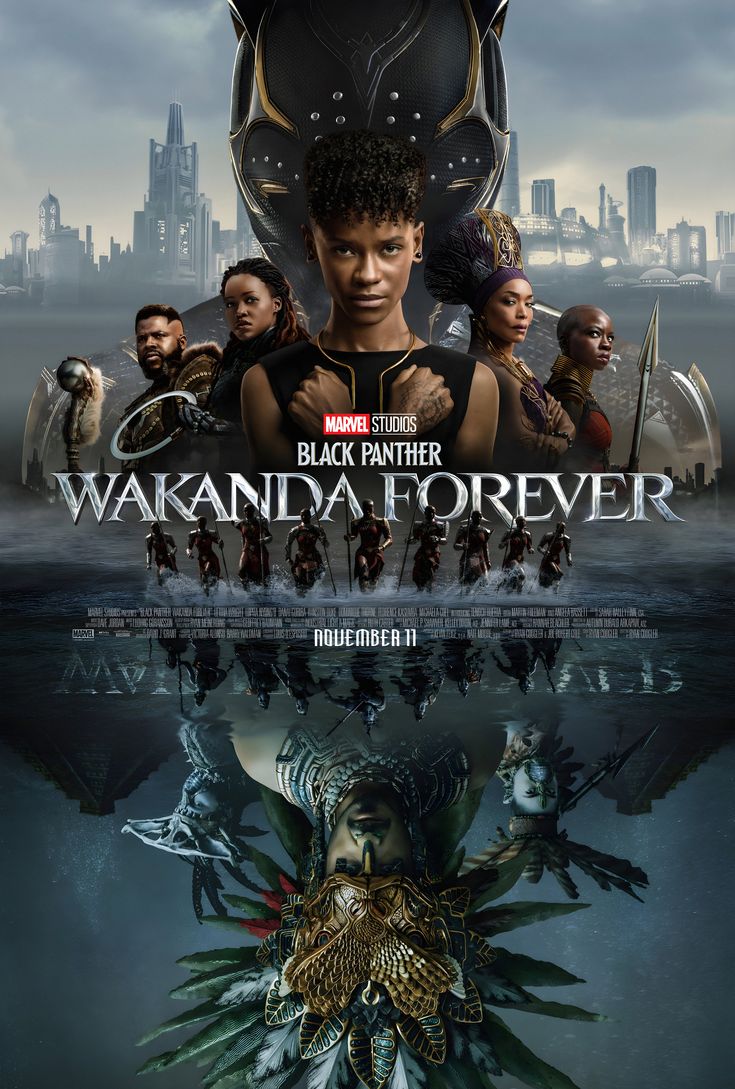
This is why sync licensing is one of the few revenue streams where the income is not only substantial but also long-lasting, if the business side is handled correctly. And the reality is that Nigerian music is already active in this space. Burna Boy’s “Alone” appeared in Black Panther: Wakanda Forever. Davido’s “Assurance” and Tiwa Savage’s “Koroba” both featured in Coming 2 America. Fireboy DML also made the Black Panther soundtrack cut. These are not casual placements. They are global productions that require proper clearance and structured licensing.
Nigerian songs have also found their way into international TV series, with Davido’s “Fall” appearing in Sex Education and Tekno’s “Enjoy” landing in Ted Lasso. Even gaming has entered the fray, expanding the sync portfolio of Nigerian creatives: Rema’s “Dumebi” is used in Grand Theft Auto Online, and Oxlade’s “Ku Lo Sa” appears in FIFA 23.
The point is not to celebrate these placements as trophies. The point is to recognise what they signal. Nigerian music is now part of global storytelling, with Afrobeats no longer operating outside the room. In fact, it is now part of the soundtrack.
What makes this moment even more significant is that sync is not restricted to Hollywood. Brands are also paying heavily for music licensing. Global campaigns often command high fees because they are not only licensing sound; they are licensing identity. A song becomes a marketing tool, a cultural stamp, a way to speak to young audiences without sounding out of touch. This is why Afrobeats has become attractive to advertisers and platforms. It carries youthful energy, global cool, and cultural currency.

Yet despite all this growth, the uncomfortable truth is that many Nigerian artistes are still not properly positioned to benefit from sync opportunities — not because they lack talent, but because they lack structure. In many cases, the song is good enough, but the business is not clean enough.
This is where the conversation becomes serious.
Sync licensing rewards organisation. It rewards artistes who know who owns their master, who wrote the song, who produced it, and who controls the publishing. It rewards artistes who can provide clean documentation immediately. It rewards artistes whose rights information and metadata are accurate and traceable, because music supervisors rely on data to clear songs quickly. Incomplete credits and ownership splits create confusion, and confusion kills deals.
It also rewards artistes who understand that not every sync deal is automatically good. Some deals may offer money upfront but demand excessive rights. Some may lock a song into long exclusivity periods. Some may limit future licensing opportunities. Others may involve buyouts that cut off long-term royalties. Without legal awareness, an artiste can easily sign away more than they realise, especially when the placement feels like a career milestone.
This is why sync licensing is not just a creative opportunity, but also a legal and business opportunity. Nigerian artistes must therefore begin treating it with the same seriousness they give to streaming deals and distribution contracts.
The smartest approach is to stop seeing sync deals as a lucky bonus and instead take a strategic view of them. Artistes who want sync placements should be intentional about making their music usable in visual media. That includes having clean versions and alternate edits available, ensuring the sound quality is high, keeping song credits, splits, and metadata properly documented, and building relationships with the right industry players such as music supervisors, sync agents, publishers, and licensing executives. Labels already do this because they understand how profitable sync can be. Independent artistes can compete too, but only if they treat their catalogue as a business, not just as art.
The truth is that, as Afrobeats’ global reach steadily increases, we can only optimise value when our earning structures are well developed and clearly defined, and sync licensing is one of the clearest ways Nigerian artistes can earn properly from the global movement they have helped to build.
At this point, the question is no longer whether Nigerian music can travel. We already know it can. The real question is whether Nigerian artistes are ready to collect what their music is worth when it does.
Deborah Oyedijo is a music business writer and entertainment lawyer-in-training with a focus on the African music industry. When she is not writing about music rights and culture, she is watching K-dramas, or absorbing yet another documentary. Connect with her on IG and X: ayooyedijo