

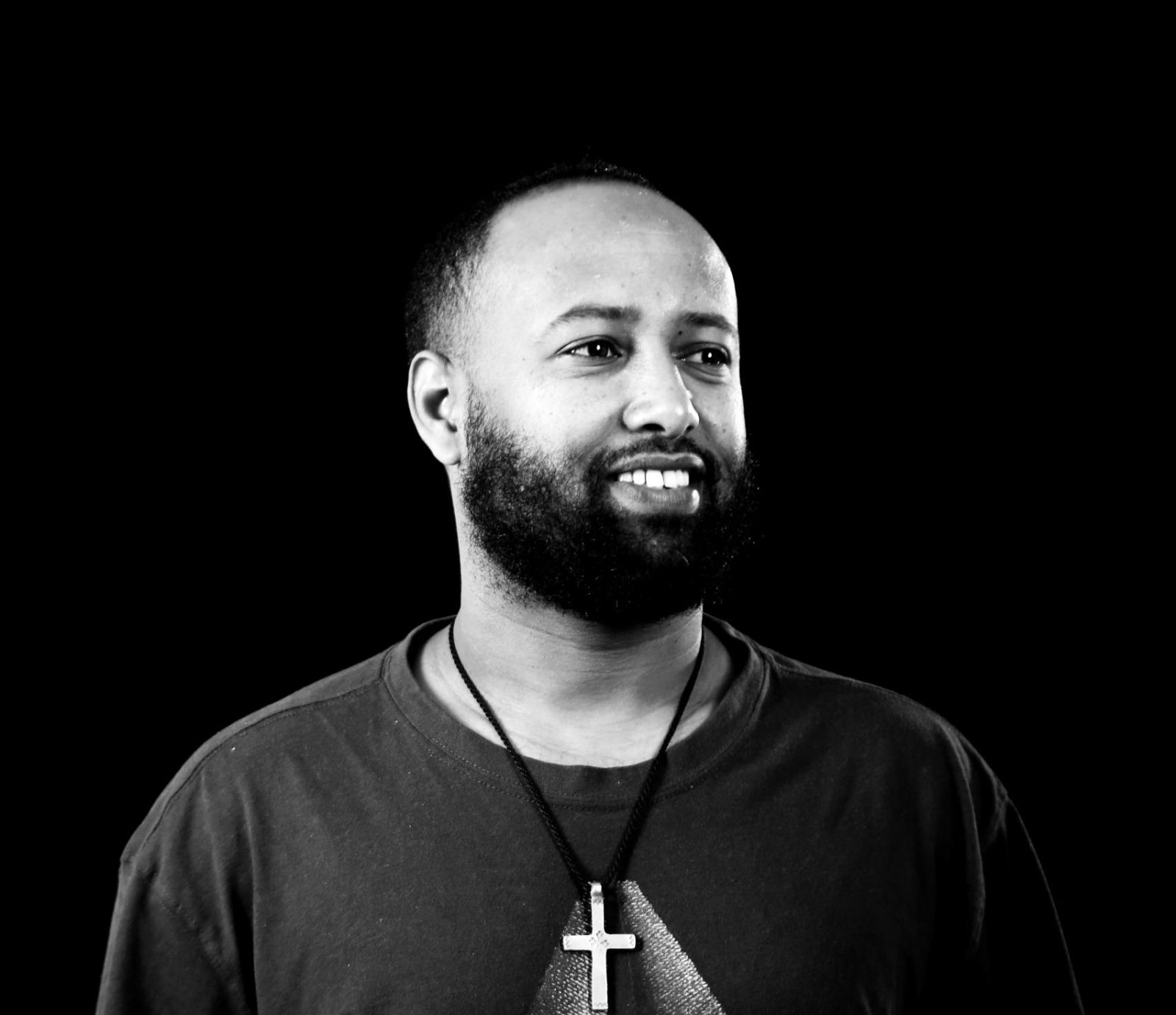

“Anyone can make a film if they can afford it and cover the finances. It’s really difficult to say we have a strong industry, but there are so many films that are produced in Ethiopia, all of which are produced independently” – Moges Ababu Belachew
By Adedamola Jones Adedayo
Spoiler alert: This article contains key plot details from Mother Country.
For decades, Ethiopia has faced internal tensions and armed conflicts involving various factions and groups. A significant episode in the country’s modern history was the Ethiopian Red Terror, a campaign of oppression and mass killings that lasted from 1976 to 1978 under the military dictatorship of the Derg, during which opposition groups were largely targeted. The most conspicuous enemy of the Derg government was the Ethiopian People’s Revolutionary Party (EPRP), as members of both the EPRP and the Derg carried out a series of executions against each other.
While the Derg remained in power until 1991, it also faced confrontation from the Ethiopian People’s Revolutionary Democratic Front (EPRDF). This resistance movement dominated Ethiopian politics from 1991 until its dissolution in 2019. Another major conflict occurred between Ethiopia and Eritrea, beginning with Eritrea’s armed struggle for independence in 1961, culminating in the secession of Eritrea in 1993 and a subsequent three-year war from 1998 to 2000. More recently, conflicts have emerged between Ethiopia’s federal and regional governments, including the Tigray War, which began in November 2020, and tensions in the Amhara Region driven by the Fano militia.
Mother Country, a film written and directed by Moges Ababu Belachew, leans into a fraction of Ethiopia’s political fragilities, the Red Terror campaign, through the story of a family torn apart by the political allegiances of two brothers. Bezabeh (Kassahun Bogale), the older brother, serves as a government soldier loyal to the Derg regime, whereas his brother Solomon (Henok Chane) is a member of the Ethiopian People’s Revolutionary Party (EPRP).
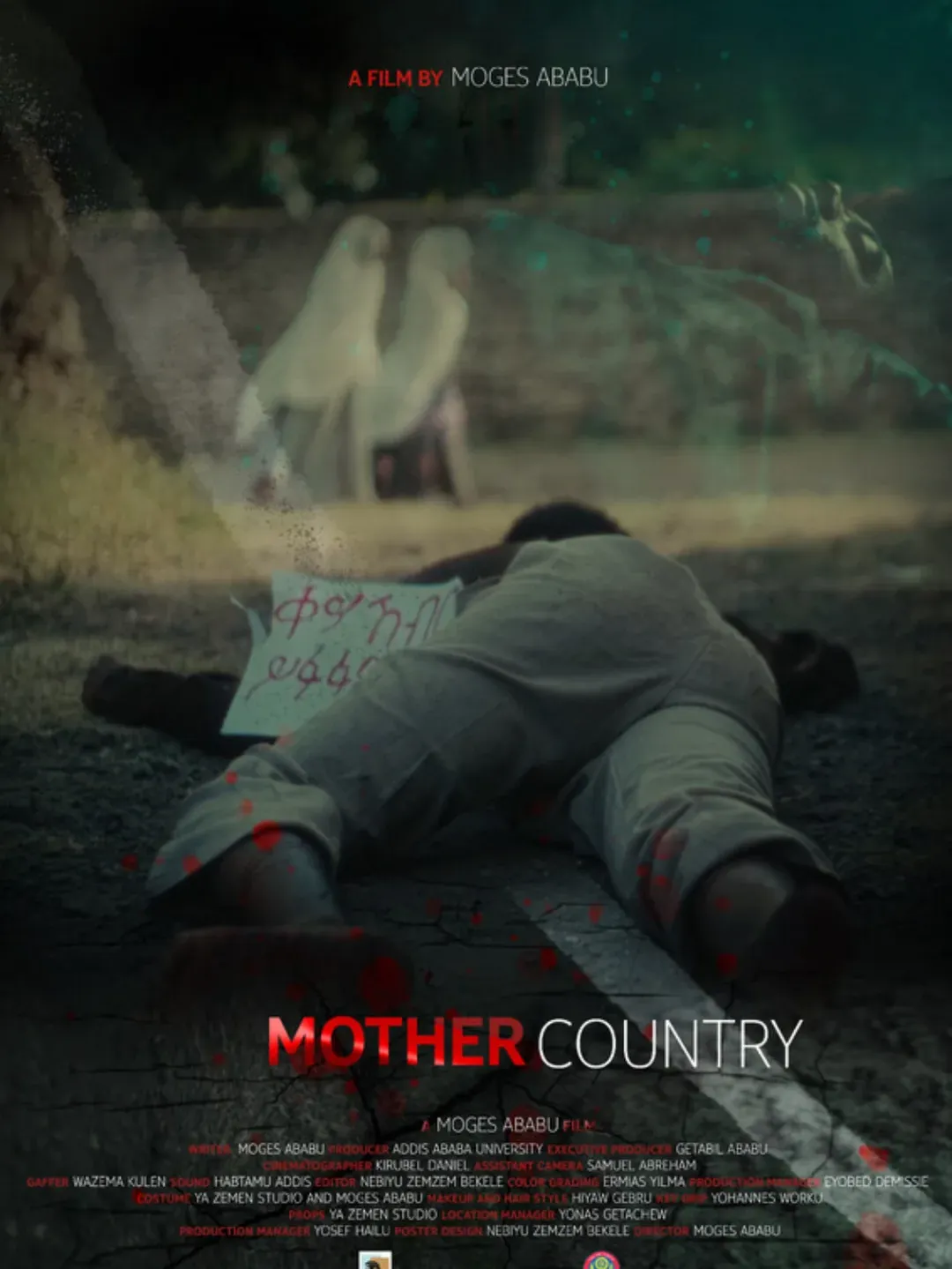
Their ideological difference leads to a deadly confrontation. In a tragic climax, Bezabeh searches for his injured brother, confronting their mother, Tewabu (Meserete Hiwot), who loses her life while protecting Solomon. The title of the film resonates profoundly here, serving as both a literal and metaphorical representation of Ethiopia itself, a country whose economic and social well-being suffers with each cycle of internal conflict.
“In my film, the character of the mother represents the country itself,” Belachew explains. “When the two brothers fight each other, they are not only hurting themselves; they are hurting their mother, who represents the country.”
Rather than focusing on large-scale battles and the theatre of war, Belachew presents a semi-intimate portrait of violence, stressing how national commitments may influence family relationships. Through the brief marriage of family and politics, the film explores loyalty and survival in a volatile social atmosphere.
The inspiration for Mother Country came from Moges Ababu Belachew’s childhood encounter with a maternal uncle. Initially absent for over a decade, this uncle later re-established contact via a letter in which he recounted his personal struggles and his association with the EPRP. Belachew’s interest was piqued as he began learning about the Derg era, discovering similar stories shared by other families—of many young, educated people who lost their lives due to ideological differences.
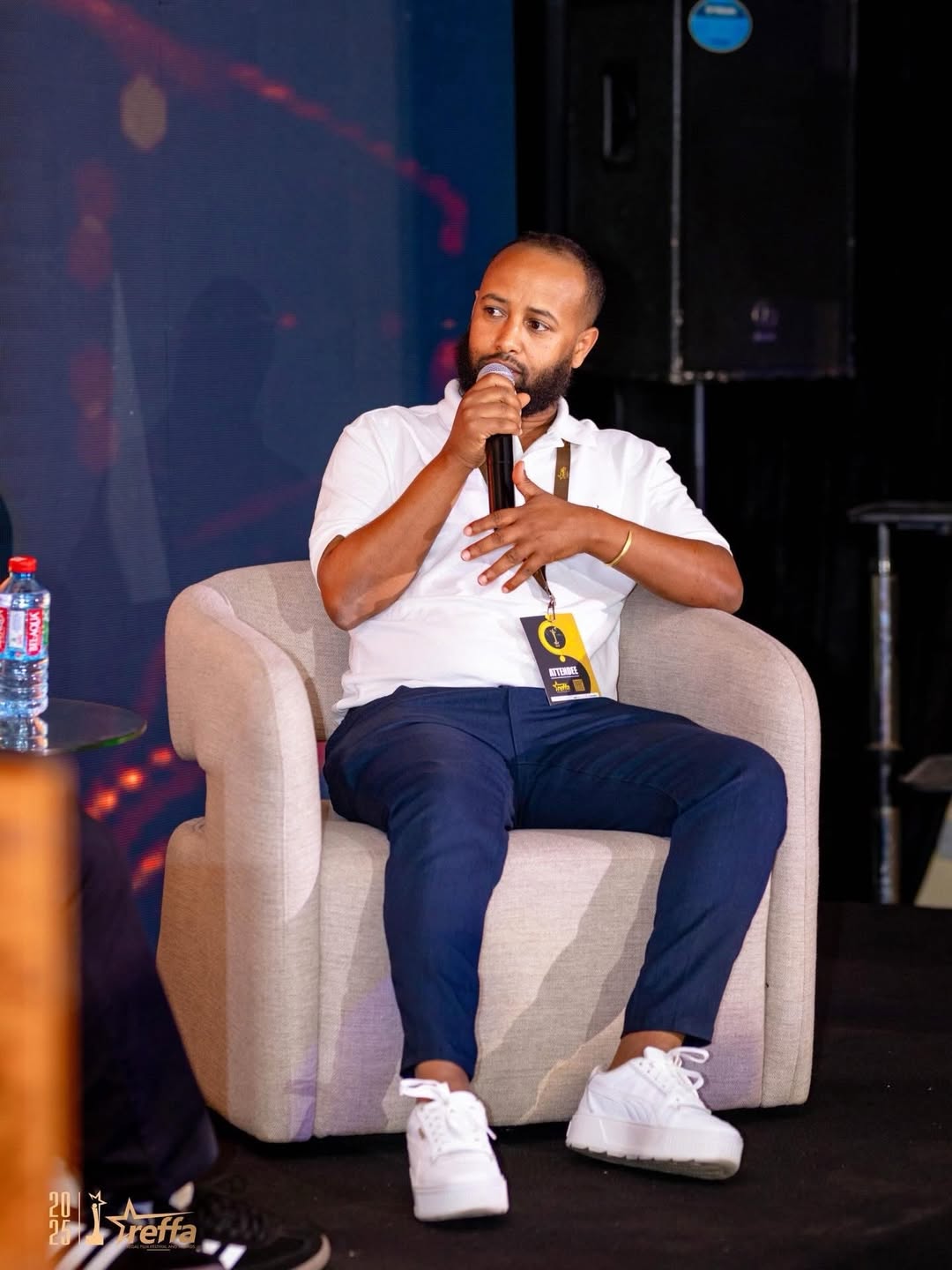
In 2024, during his MFA programme, Belachew’s screenwriting instructor asked each member of the class to submit a story idea. He recalled his childhood memories of the EPRP and decided to develop that story exclusively. Once he began writing, he did so multiple times, producing about ten drafts, pitching them to his classmates, and incorporating their feedback. This was when the real story began to take shape.
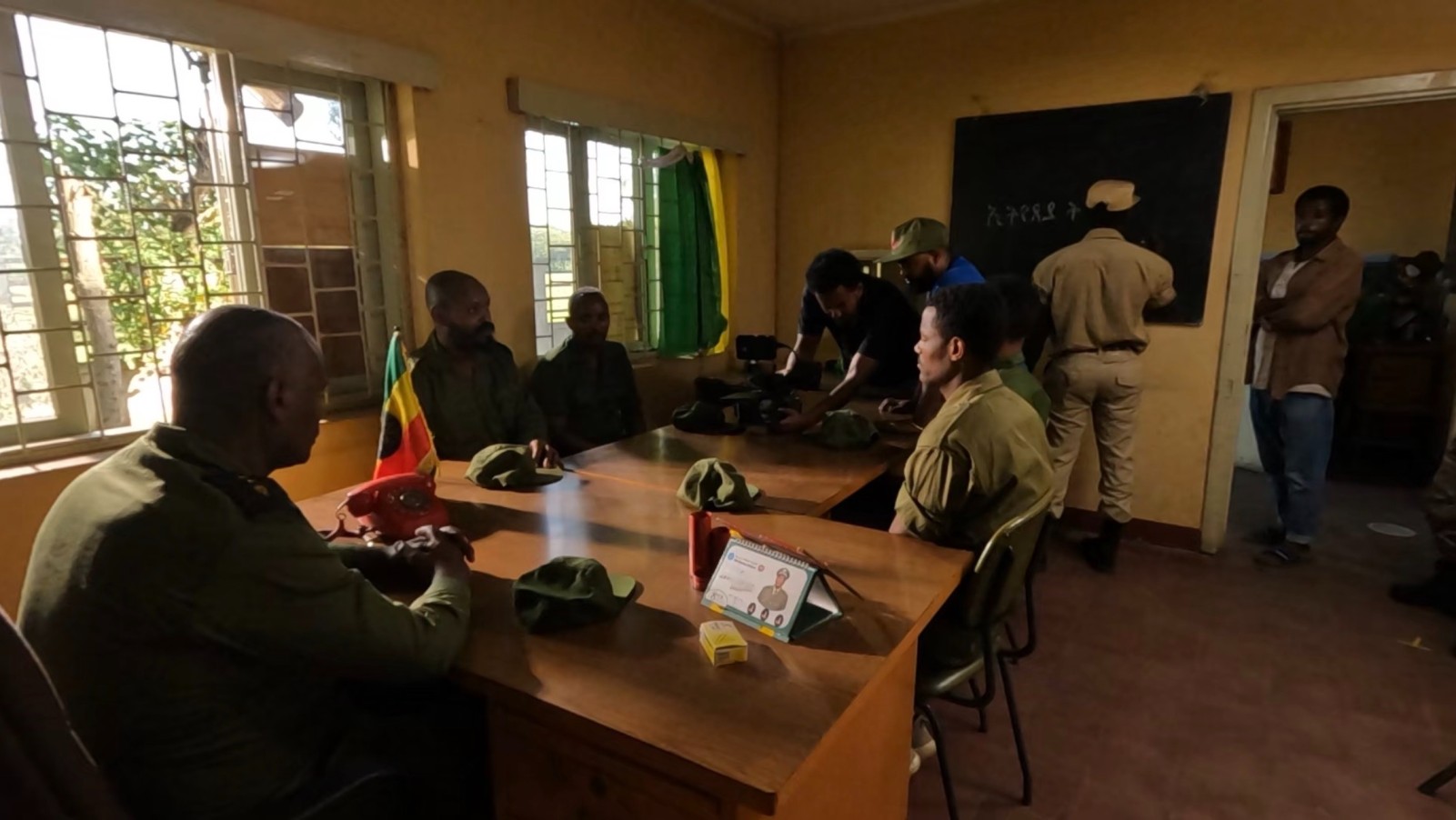
The production team of Mother Country is both a marriage of necessity and intentionality. As a student project, the producer is Addis Ababa University. To translate the script to film, Belachew had peers volunteer as his crew. Nebiyu Zemzem Bekele, the editor, is an associate of his. Kirubel Daniel, a close friend and the cinematographer, brought his experience in documentaries and TV productions to capture the film’s nighttime nuances and largely tense atmosphere. The film’s executive producer, Getabil Ababu, Belachew’s Canada-based younger brother, provided financial support, which mostly went towards covering costs for equipment, locations, transportation, and catering, while the cast contributed on a voluntary basis.
In aiming for realism during production, it was important to find a location that could convincingly capture the atmosphere of the Derg regime. Because much of contemporary Addis Ababa, where the filmmaker lives, has significantly changed, Belachew and his team travelled about forty kilometres from the capital to shoot near Bishoftu (formerly Debrezeit), incurring additional expenses in the process.
Being an independent filmmaker in a country with little infrastructure for mainstream cinema validated Belachew’s need to improvise and experiment in a way that truly mattered to him without restraints. Asked about the fate of filmmakers like himself, he opens up: “Anyone can make a film if they can afford it and cover the finances. It’s really difficult to say we have a strong industry, but there are so many films that are produced in Ethiopia, all of which are produced independently”.
Although Mother Country is primarily rooted in the filmmaker’s homeland consciousness, it raises concerns around the prevalence of violence and a politically charged atmosphere in Africa. “This is not only an Ethiopian problem,” Moges Ababu Belachew says. “In many African countries, people are fighting each other.”
Nigeria’s sovereignty is threatened by Boko Haram, an insurgency that has ravaged the northern part of the country for over a decade. Neighbouring West African countries such as Mali, Burkina Faso and Nigeria also battle jihadist insurgency, with militant groups linked to Al-Qaeda and Islamic State operating across several rural communities.

In Sudan, conflicts persist between the Sudanese Armed Forces and the Rapid Support Forces. In the Democratic Republic of the Congo, armed groups such as the M23 rebel group and the Allied Democratic Forces are constantly at loggerheads, with the conflict largely concentrated in North Kivu, South Kivu, and Ituri. For Belachew, the most important message of his film is the need to avoid serious conflicts like these and to work in harmony towards creating a stable economy.
After earning him an excellent grade for his thesis project, Mother Country quickly moved beyond the classroom and into the international festival circuit. What started as an academic requirement is now becoming a career milestone for Belachew. The film screened at the Joburg Film Festival 2026, after earlier appearances at the Bournemouth International Film Festival and Indie Short Fest. It has won Best Student Film at the CUT International Film Festival in the United States; received Best International Screenplay at the MYTH Social Impact Film Festival; and won Best Social Justice Short at the World Film Festival in Cannes.
At Indie Short Fest in Los Angeles, it earned the Best Achievement Award and was runner-up for Best Short of the Season, while at the SDGs Film Festival, it placed second runner-up for Best Social Equity and Good Governance. Mother Country was also recently nominated in six categories at the Olympia International Film Festival for Children and Young People in Greece.
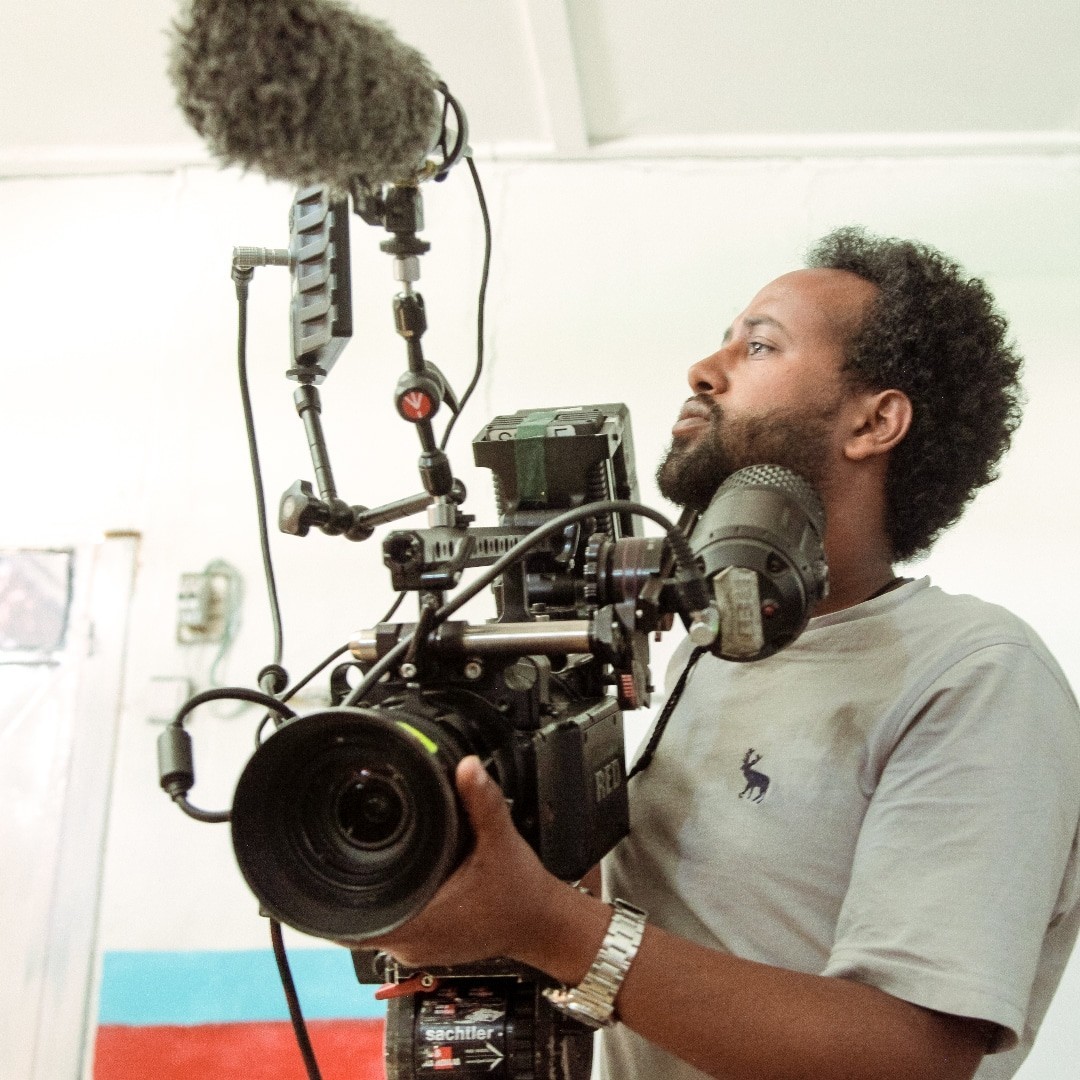
Moges Ababu Belachew, now head of the film department at John Paul II Film College and a part-time lecturer at Addis Ababa University, is pursuing other distribution opportunities for Mother Country. “I’m trying to negotiate with Netflix,” he reveals. He says John Jangu, a UK-based Zimbabwean filmmaker and producer of the short film Rise, is instrumental to this negotiation with the international streamer. Plans are in place to expand it into a feature-length film, while he is already on a new short film intended for another festival circuit run.
Having earned recognition from Mother Country, Belachew is now thinking about ways to strengthen Ethiopia’s film ecosystem. His main idea is to create a sustainable festival dedicated to only short films in his country. “Right now in Ethiopia, there are film festivals, but most of them focus on full-length feature films,” he explains. “There aren’t any festivals specifically for short films, so I’m trying to organise one”.
Despite her rich roots, Ethiopian cinema currently comes off as an underdeveloped ecosystem with insufficient government-backed opportunities for mainstream initiatives. Moges Ababu Belachew’s rise mirrors this state: resilient, privately funded, and still in need of institutional leverage. His work doubles as a creative breakthrough and a gesture towards industry building. As Mother Country continues its journey across the globe, it also positions the filmmaker as one interested in carving a path against institutional barriers.
Adedamola Adedayo is a film journalist and critic with a special interest in African cinema. Through writing and audiovisual mediums, he creates conversations around cinema in Africa and the Diaspora. You can find him on Instagram @jonesthegoodboy and X on AdedamolaAdeda4.