

All three African projects selected for La Fabrique Cinéma are part of a 10-title slate that also includes projects from Turkey, Brazil, Haiti, Palestine, Vietnam, Venezuela/Peru and Ecuador.
By Adedamola Jones Adedayo
Three African filmmakers from Nigeria, Kenya and Morocco have been selected for the 18th edition of La Fabrique Cinéma, joining a cohort of ten emerging filmmakers whose projects will be showcased at the Marché du Film during the Cannes Film Festival in May 2026.
An initiative of the Institut Français, La Fabrique Cinéma is designed to elevate filmmakers from developing and emerging countries by providing privileged access to international industry stakeholders, including producers, distributors and financiers. Each year, the programme selects ten first or second feature film projects and supports their presentation within the Cannes market ecosystem.
Representing Nigeria, Dika Ofoma will present Till The Morning Comes, a feature set across two timelines and produced by Blessing Uzzi of Bluhouse Studios. The film follows two young men whose love defies societal norms in pre-colonial Igbo society and continues into a contemporary setting, where it is confronted by faith and entrenched cultural taboos.

The project arrives with strong international momentum, following Ofoma’s selection for Berlinale Talents 2026 and its triple win at Locarno Open Doors 2025, where it secured the Open Doors Grant, ARTEKino International Award and Sørfond Award.
Also selected is Kenyan filmmaker Lydia Matata, co-writer of Country Queen, Netflix’s first Kenyan original drama series. This time around, the filmmaker will present Strong Wind, a film about a Nairobi mother learning to ride a motorbike to complete her late daughter’s journey, at the international market, alongside producer Ivy Kiru (AQ Pictures). Matata’s filmmaking trajectory is also defined by the success of her project Pepo Kali at the 2024 Red Sea Souk, where it won the Red Sea Labs Production Award.
In addition, Moroccan cinematographer and director Kenza Tazi is joined by producer Ayoub El Jamal (under the aegis of production outfit Arts Et Techniques Audiovisuels (ATA Production)) as they set out to present Left Behind, seeking co-producers, distributors, and financial partners for the project.
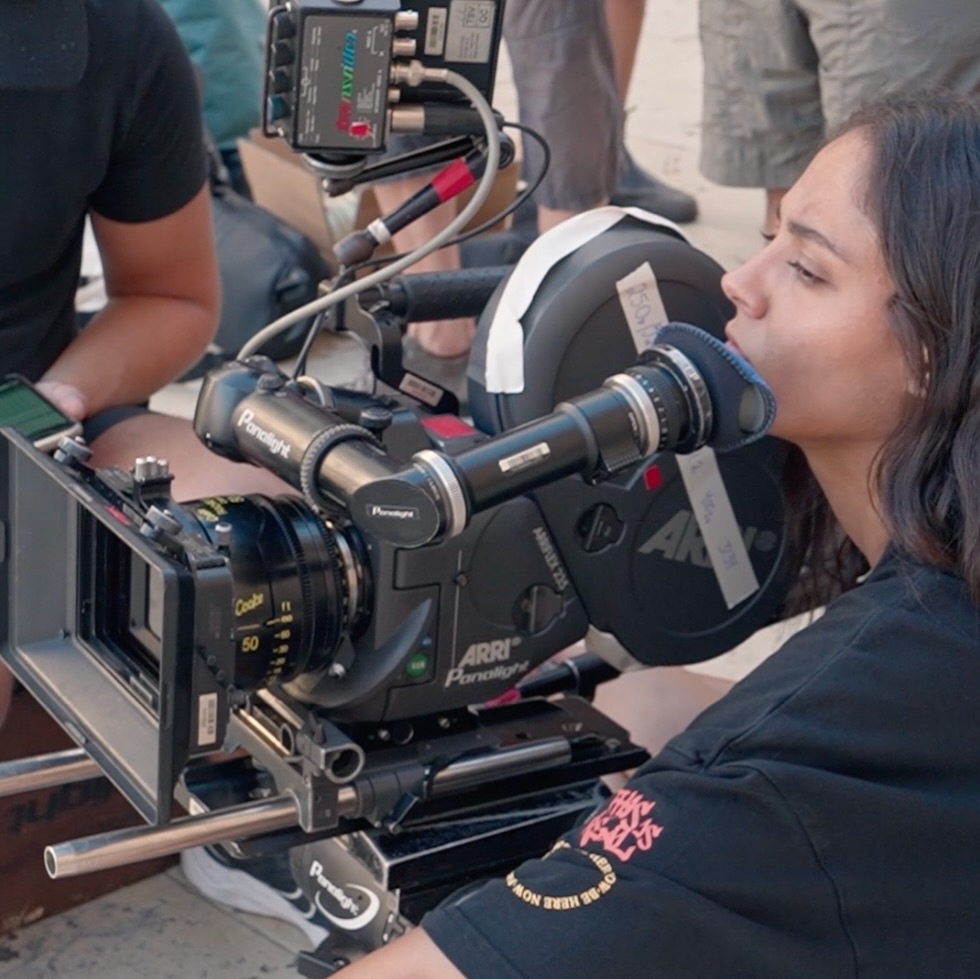
Currently in its first-draft stage, Left Behind centres on four women brought together in a waiting room, all connected by the case of unwanted pregnancy, following a police raid on a doctor performing illegal abortions. As a homegrown filmmaker with international affiliations, Tazi has previously enjoyed production support from the Moroccan Cinema Centre for her first short film, Brothers of Milk (originally titled Frères de Lait) and has had her second short film BARZAKH, workshopped at the Festival International de Films Marocains (FIFM).
All three African projects selected for La Fabrique Cinéma are part of a 10-title slate that also includes projects from Turkey, Brazil, Haiti, Palestine, Vietnam, Venezuela/Peru and Ecuador.
La Fabrique Cinéma is an initiative of the French Institute, dedicated to cultivating and projecting emerging filmmakers from developing countries on the international market. Developed in close collaboration with the Cannes Film Festival and its Film Market, this initiative selects ten first or second feature film projects each year, giving them privileged access to the industry and key players during the festival, thereby facilitating their search for co-production and investment deals.
The Marché du Film, Cannes’ prestigious film market, is scheduled to hold from 12th to 20th May, 2026.