

The question, then, is not whether Nigeria’s creative industries will continue to attract investment. The real question is what that investment will encounter when it arrives.
By Samson Jikeme
There is a widely held belief that Nigeria’s creative industries are one breakthrough investment away from excellence. That if only more money flowed consistently into Nollywood, music, and the broader cultural economy, the problems we see today would begin to resolve themselves. It is an appealing narrative, but it is also a convenient one because it suggests that the crisis is external and that what we lack is capital and not character.
Scarcity, historically, has not been the enemy of creativity. It has been its testing ground. A popular Nigerian comedian, Gandoki, famously said: “When owu beat you, you go discover your talent”. It is a crude way of saying that when you are truly desperate and have no money, your brain suddenly becomes hyper-creative. You “discover” things you never knew you could—like finding ingenious ways to survive just because you have no other choice.
Scarcity forces precision and demands intentionality. It reveals who understands the work and who is merely participating in it. When those conditions do not produce rigour, the introduction of money does not correct the problem, it conceals it—and eventually magnifies it. I have observed this pattern across Nigeria’s creative industries.
Nollywood’s Subpar Structure and Its Crisis of Storytelling
A conversation broke out on X last month about Nollywood’s storytelling struggles that involved film enthusiasts and key industry stakeholders, including director Niyi Akinmolayan. What was striking about that conversation was that it reinforced the narrative earlier stated by suggesting that Nollywood’s storytelling struggles are primarily a function of underinvestment.
Yes, filmmaking requires capital. Yes, better funding can improve production quality. But storytelling is not a byproduct of budgets; it is a function of discipline, vision, and craft. If a culture does not produce strong storytelling under constraint, there is little reason to believe it will suddenly produce excellence under abundance.
Nollywood, for all its growth and global visibility, has long operated within similarly fragile professional structures.
It is not uncommon to hear of films where contracts are informal or non-existent, and where questions of credit, ownership, and distribution rights remain unclear long after production has wrapped. In some cases, films circulate across platforms without proper agreements, with revenue flows that are difficult to trace and even harder to enforce.
These are symptoms of a creative industry that has grown in output faster than it has developed systems, and this is precisely the point: when structure is weak, scale becomes dangerous. The introduction of more money into such a system does not resolve these issues; it expands their consequences. What might have once been small disputes become larger conflicts; at scale, it becomes a source of instability. The problem, again, is not the absence of capital but the absence of enforceable standards.
Blaqbonez vs Odumodublvck: Basic Propriety Standards in Music Business
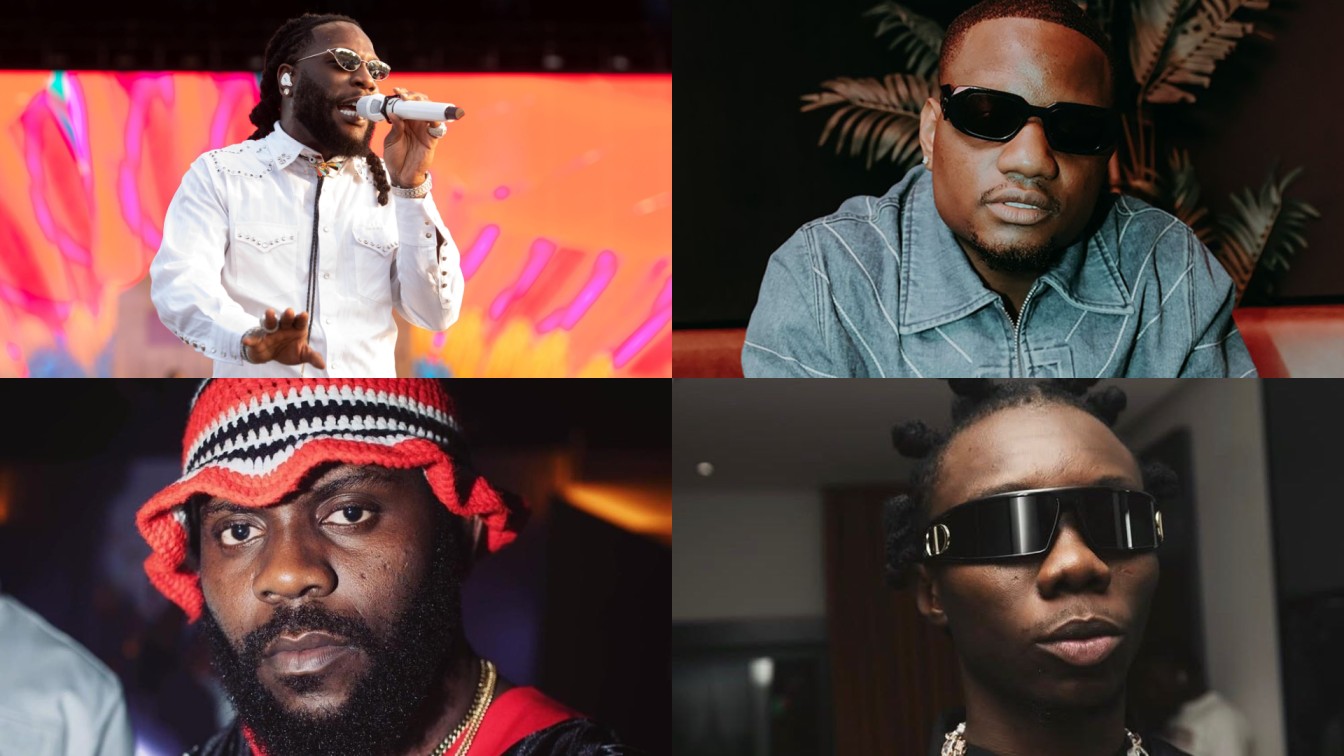
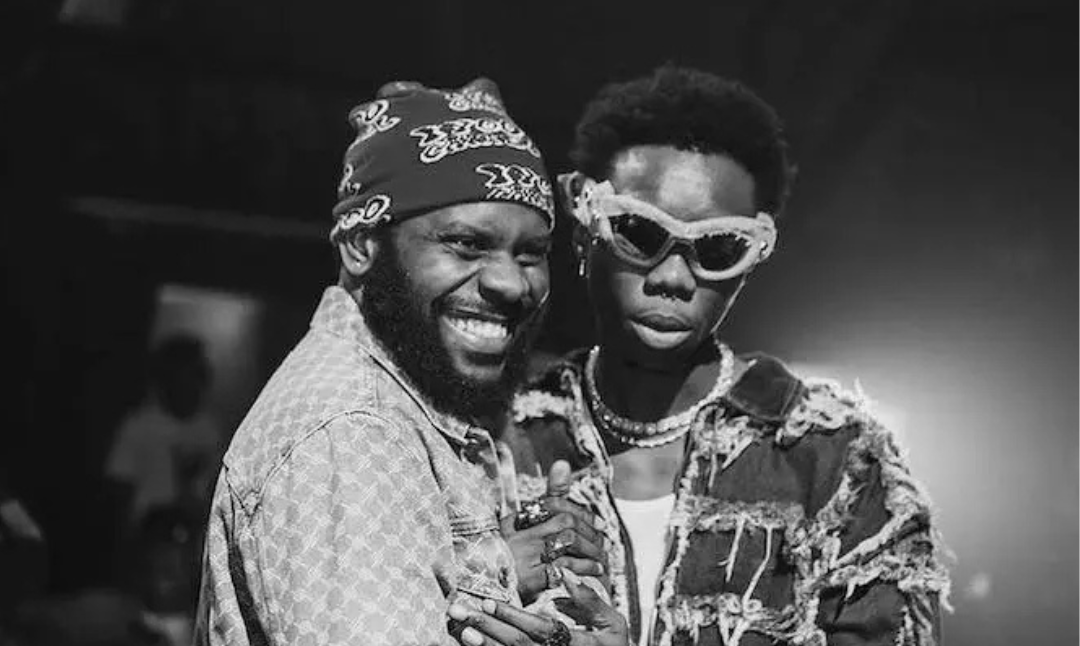
A recent dispute broke out on social media involving Nigeria’s top rappers Blaqbonez and Odumodublvck, where a diss track spiralled into controversy over beat usage and the question of authorisation. Odumodublvck allegedly purchased the beat from the producer, and the diss track was taken down on Spotify.
Questions emerged as to whether the instrumentals had been properly cleared or authorised, with conversations spilling across social media as fans, collaborators, and industry observers attempted to piece together what had happened. On the surface, this may read as a familiar episode within rap culture that survives on provocation, response and spectacle. But beneath it lies something more instructive—a casual relationship with intellectual property, a blurred understanding of ownership, and a weak culture of professional accountability.
This is not a funding issue; it is an ethics and leadership one.
How is it that in 2026, a top Nigerian artiste signed to one of the biggest record labels on the continent is still entangled in something this basic? In an industry that has more than enough examples of what happens when business is not done properly? Now, imagine an industry like this meets serious funding: do we really expect it to resolve the mediocrity and leadership crisis we have or simply amplify it?
Burna Boy vs DJ Tunez: The Lack of Reliable Conflict Resolution Models
The recent situation involving an incident between Burna Boy and DJ Tunez, which played out publicly, points to the same underlying issue: an industry where professional boundaries, communication, and conflict resolution are often reactive rather than structured. What should ordinarily be handled through clear agreements, defined expectations, and internal processes instead spills into the public, becoming a spectacle. And while such moments are often dismissed as part of the culture, they reveal something more fundamental—an absence of structures robust enough to contain and resolve conflict before it escalates.


This is not peculiar to Nigeria. Even in more developed creative industries, conflicts exist. But the difference is structure: there are clearer processes, enforceable agreements, and institutional mechanisms that contain these tensions before they spiral into public disorder.
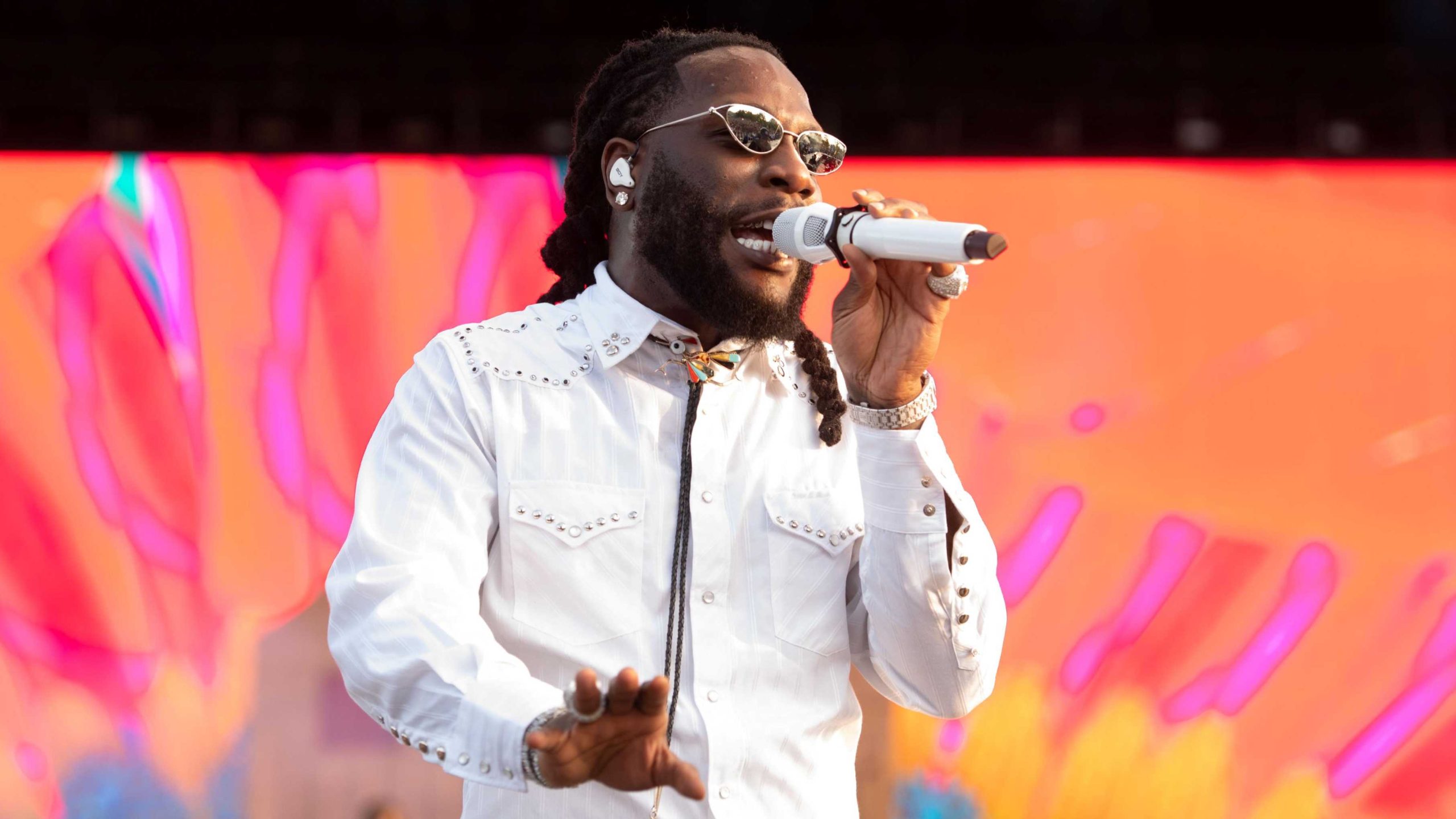
I often ask myself: do Nigerian artistes operate within any system of accountability beyond themselves? Are there cultural figures, institutions, or governing bodies whose authority is respected enough to mediate conflict? Too often, respect in our creative industries is not tied to character or professionalism, but to success—to money, visibility, and status. And where this is the case, leadership becomes hollow.
We are left with individuals who have influence but no responsibility. Figures who command attention but are not anchored by standards. This is the leadership crisis. An industry cannot rely on influence where it lacks leadership.
The question, then, is not whether Nigeria’s creative industries will continue to attract investment. The real question is what that investment will encounter when it arrives. Because capital does not transform an industry; it reveals it. It scales whatever already exists. Whether discipline or disorder, structure or chaos, professionalism or its absence.
The future of Nigeria’s creative industries will therefore not be determined by how much money flows into them, but by whether they can build the ethical and professional foundations required to sustain them. Without that, growth will only make existing failures more visible, more expensive, and more difficult to ignore.
In the end, money does not fix culture. It only reveals it.
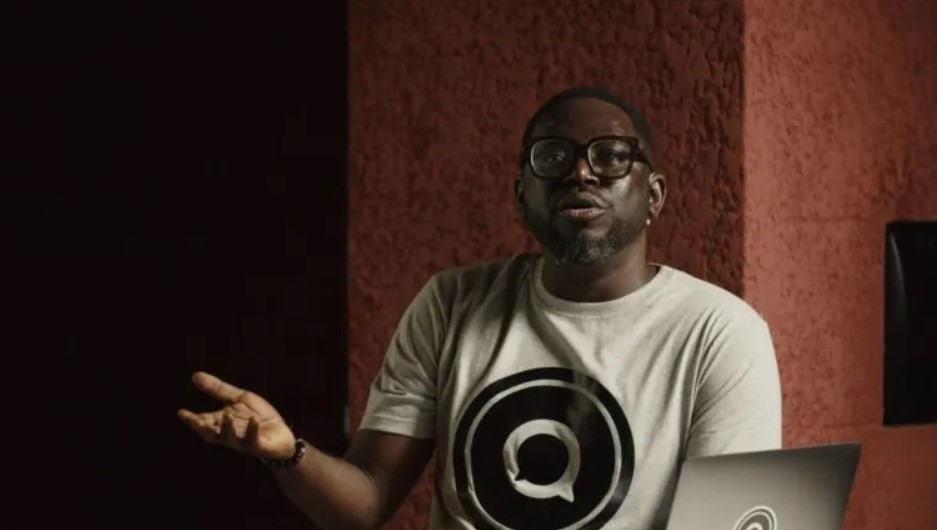
Samson Jikeme is an entertainment lawyer, cultural critic, and Institution builder. He’s also Editor-in-Chief of Afrocritik. Find him on X: @sjikeme and IG: @sam_culture