

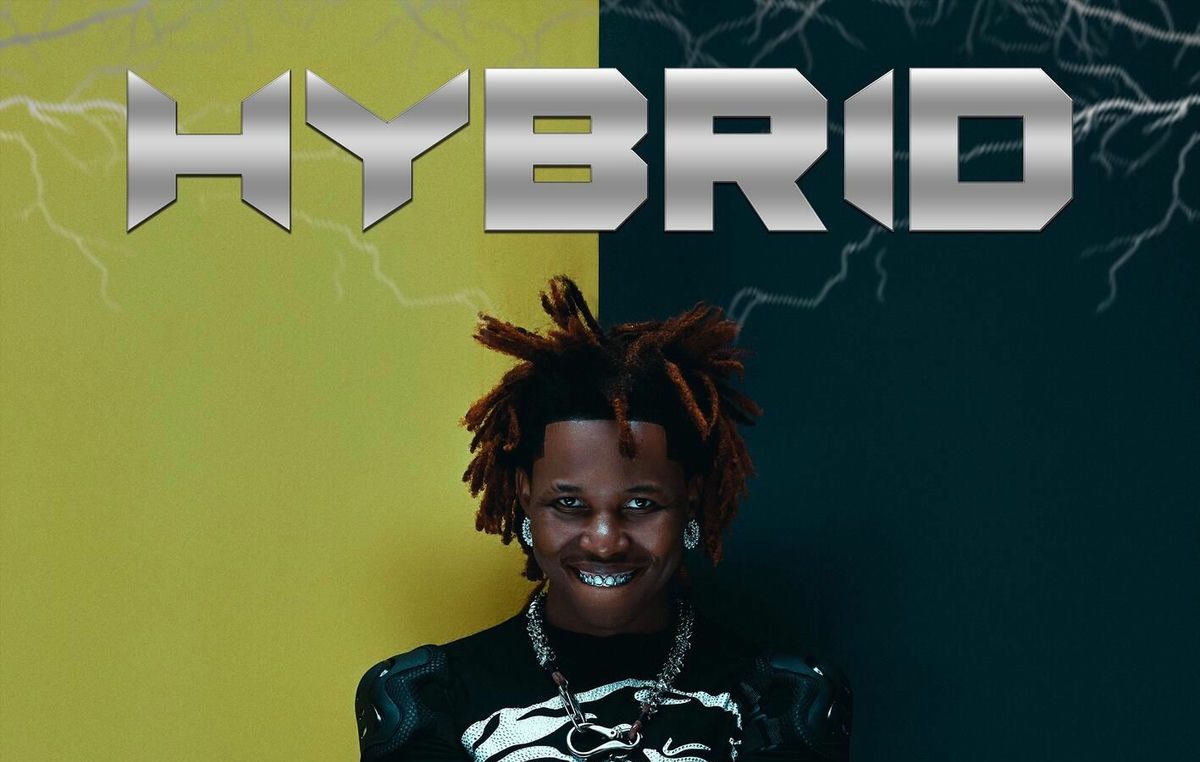

The consistent throughline across Hybrid is Shoday himself and the strength of his vocal work.
By Yinoluwa Olowofoyeku
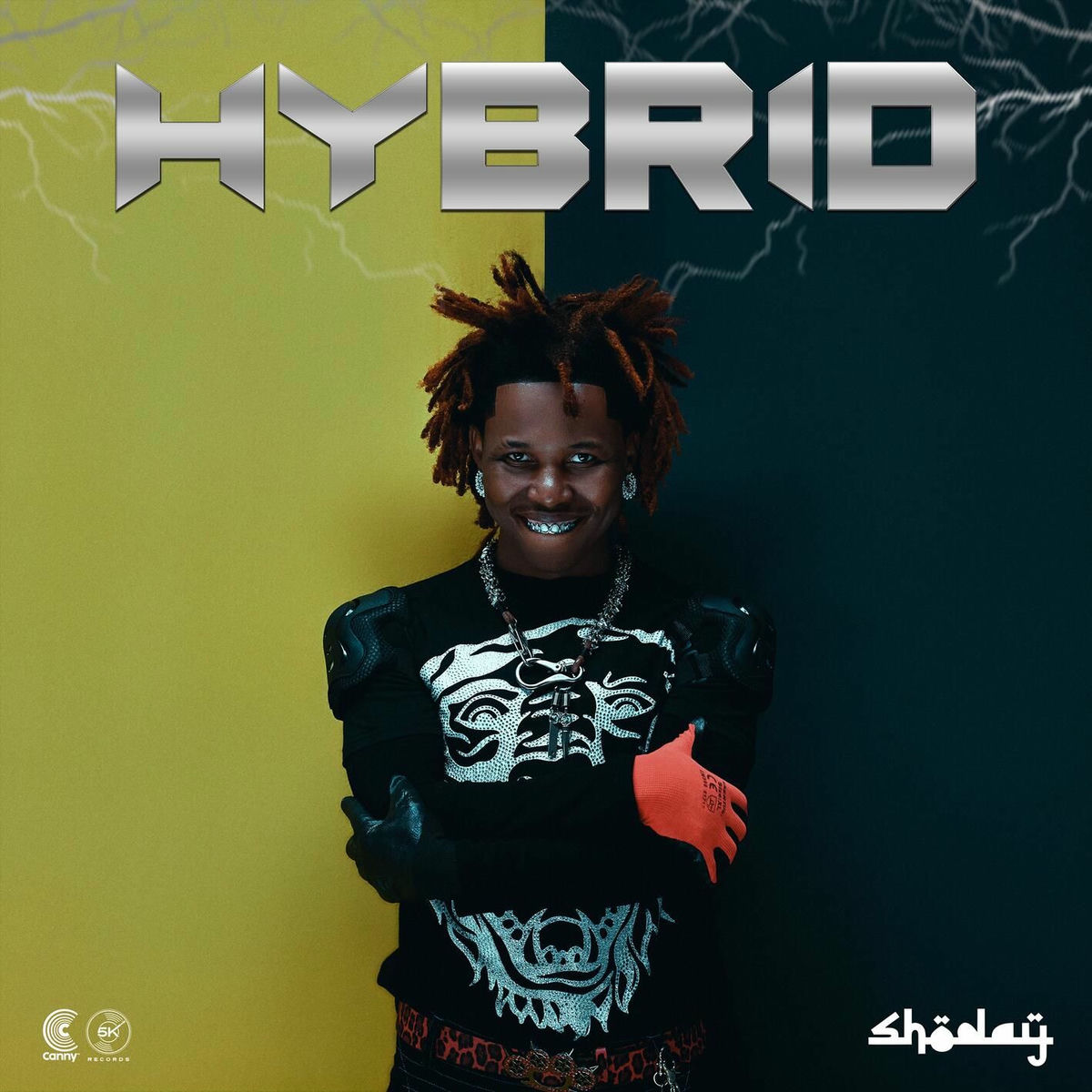
Shodade Solomon Segun, professionally known as Shoday, has steadily emerged as one of the most compelling voices in Nigeria’s new generation of melodic Street-Pop artistes, a cohort reshaping Afro-Pop through emotional candour, sonic hybridity, and an instinctive understanding of digital era virality.
Shoday began gaining traction through social media freestyles and independently released singles that foregrounded his soft-grained tenor, diaristic lyricism, and an ease with fusing Afrobeats percussion, R&B chord progressions, and street-leaning cadences.
His early breakout moment arrived with the viral success of “Caution”, a track whose conversational vulnerability and melodic intimacy resonated widely on TikTok and streaming platforms, positioning him not merely as a one-off viral act but as a developing songwriter with emotional range. Subsequent releases such as “Kolorado”, “Screaming Beauty”, and a run of collaborative singles further demonstrated his instinct for hook construction and his ability to oscillate between romantic yearning and braggadocious self-assertion without losing tonal cohesion.
Rather than rushing into an album, Shoday spent his formative years refining a catalogue of singles and EP-length offerings that allowed him to test textures, build an audience, and sharpen his thematic preoccupations around love, ambition, betrayal, and self-definition within Nigeria’s hypercompetitive music ecosystem.
This careful incubation now culminates in Hybrid, a project that functions both as an artistic thesis and a career inflection point. The title itself gestures toward multiplicity, signalling an intentional blending of sonic lineages and emotional registers, and situates the album within a broader moment in Afro-Pop where genre boundaries have become increasingly porous.
“Glam And Fame” opens Hybrid with an emotive sonic palette that immediately sets a sombre tone. Reverbed strummed guitars stretch gently across a deep bass pad, creating a reflective atmosphere before the Afrobeats drums settle in with triplet percussion, soft shakers, and gentle kicks.
Hoodini’s production feels intentionally spacious, allowing the stripped-back chorus to land with deeper impact. That chorus is centred around a heartfelt saxophone solo and instrumental interlude, letting the mood and atmosphere convey the emotion without overcrowding it. Shoday meets that space with an earnest, introspective delivery that is melodically subdued yet quietly pleading.
Soft humming, wailing backing vocals, and carefully placed adlibs keep everything geared toward vulnerability and sincere expression. The emotional weight rests squarely in the storytelling: “Pressure from fans, make you drop jam/ But some of the fans no go stream am … I be human too, and I dey tire too/ Somebody help me now”. As the saxophone carries the track out, it grounds the listener in that emotional moment and establishes a vulnerable starting point for Hybrid.
“Joy” shifts into a generally brighter tone while remaining cut from the same emotive and introspective cloth. Semzi begins with warm pads and a muted vocal sample before bright synth plucks enter, supported by wailing strings and a light synth bassline. As the chorus arrives, additional bright synth layers expand the sonic field.
The plucks move in tight syncopation with the chords, matched by a unique percussion-heavy drum pattern that is heavily syncopated, layered with overlapping percussion hits and anchored by a thumping kick drum. The rhythmic movement gives the track momentum, yet Shoday keeps his melodies heartfelt and his delivery subdued.
He speaks plainly about the value of joy in his life, tying it directly to the money he earns and the lifestyle it affords him: “They say true happiness, underrated / Joy overflow for my mind when I see the paycheck / Only thing that bring me peace, I don’t mind”. The chorus leans into repetition, with “joy joy” echoing in a mantra-like way.
On “Somebody”, Niphkeys builds the groove on rattling shakers and a simple Afro-Swing drum pattern marked by a sharp, clacking snare. Thumping log drums and sporadic amapiano snares add bounce, while various drum accents animate the familiar Street-Hop and Afro-Adura style.
The instrumentation complements that style with simple pad chords, synth strings, and subtle melodic additions that never overwhelm the rhythm. The melodic thrust rests on Shoday’s performance, where he shows his chops within this lane through brief melodic phrases layered with strong Yoruba aspirational lyricism: “One motor o se convoy/ There is no member, there is no boss/ If you show me love, I go show more/ Omo talaka le di somebo’/ Somebody”. Choral group vocals and bright harmonising backup vocals tie everything together, giving the song that aspirational lift and allowing it to do exactly what it is meant to do.
“Paparazzi” continues in the same vein, bringing back the soft intro and vocal sample approach. SB keeps the instrumental palette consistent with the previous track, lightly retreading the Afrobeats and Afro-Adura textures that have already been established. The difference here lies in the lyrical focus, which shifts more clearly toward a love interest rather than aspirational themes.
Shoday sings, “Sexy lady, ko fa mo mi/ Cause I’m happy, and I’m not on molly/ Rara, tori o feran cucumber/ Me, I get am for my knicker”. Joined by FOLA, the track leans into the same genre idea but directs its energy toward romantic attention. It remains an enjoyable listen and demonstrates versatility, though it feels less profound or thoughtful than the three tracks that precede it.
“Shoday Kilode” rests on strummed guitars and a steady synth bass that form its sonic foundation. Jhay2unez layers sparse chords and synth leads that croon over energetic, percussion-laden Afrobeats drums punctuated by sporadic log drums and quick drum rolls. The bright instrumental energy is matched by Shoday’s upbeat delivery, cheerful melodies, animated adlibs, and warm female-led group vocals.
The chorus carries a note of self-aggrandisement, populated confidently with his own name. Lyrically, the record is diaristic, touching on life and reality while maintaining a positive and enduring spin: “Life is for the living, but cost of living want to kill the living / I for dey Santorini but account balance no fit to gree me / Stack up the cheddar jo, Omo ye mi stack up the cheddar jo”.
With “OBT”, Shoday and BhadBoi OML approach the Afro-Adura slant from a more subdued angle. The pace is midtempo and prayerful, opening with “O Baba ye, dahun soro mi / O my maye, ma ma kohun mi / One big transaction to ma change story mi”. Shakers and a spacious, sparse drum arrangement sit alongside sporadic percussion hits and a steady four-to-the-floor kick line. Smooth electric piano chords, wailing strings, and light flute textures support a relaxed vocal delivery. The melody is simple and catchy, lending itself easily to repetition and earworm appeal. BhadBoi OML contributes a fun and versatile Yoruba verse, threading agile harmony lines through the groove.
“Postcode” shifts into a more electronic direction with thumping synth stabs and a smattering of counter-melodies, saws, and leads. These elements do not always gel cohesively, especially when clashing with a persistent synth string line. The track feels stronger when certain elements recede, but overall, the instrumental comes across as plastic and somewhat flat.
The basic Afrobeats drum pattern, marked by incessant tambourine shakes, does little to elevate it, and the sound choices feel slightly outdated. Shoday brings animation through energetic delivery in both Yoruba and English, adding some interesting harmony lines, yet the lyricism remains flat: “What is the time of the day / Na where you dey I go dey / When you call I obey”. At this stage of Hybrid, it stands as the least convincing entry and would not have been greatly missed if left off Hybrid.
“Figure 8” restores rhythmic urgency with rattling shakers and high-energy percussion. Log drums and sharp snares inject amapiano bounce, while Jhay2unez layers a bright synth arpeggio over smooth key chords and textured melodic lines. The instrumental carries much of the enjoyment, its layered elements doing a lot of the work.
Shoday opens with smooth, sultry melodies: “My shawty make we dance all night / My baby come online / My story no go break your smile / Every other day make me want to fly you away”. It is a strong start, but he eventually cedes the spotlight to British rapper Pozer, whose signature UK rap swagger and bounce bring extra charisma to the track. The beat filters back to let Pozer’s vocals shine, and the shift works effectively, allowing Pozer stand as the highlight of the track.
“A1” settles into snare-driven Afrobeats drums layered with percussive texture and a straightforward kick pattern. Reward Beatz supports the rhythm with bright mallet plucks that form the chord foundation alongside a rich, layered bass guitar line. The chorus slightly expands the sonic palette with bright group vocal assistance.
Kizz Daniel is at his usual best on his guest appearance, delivering sweet melodies with palpable charisma. The lyrical focus is squarely on a stellar, top-notch love interest who is showered with praise and advances: “Je ka ma gbadun, ara wa/ Arewa, so o je banana?/ What are you looking for in a man?/ Is it not gbola?, Is it not dollar?”.
“Screaming Beauty” leans into romantic admiration with the lines, “My girlie bad, no be new thing … I put God for first, put you for next / Bring body make I caress / Her backa break my defense / Thick body na the flex”. Produced by Funwon, the track centres on a sexy love theme. The chorus is somewhat lacklustre despite its allusions to praising the Lord. Olivetheboy delivers a serviceable verse in English with touches of Twi, lyrically bland but punctuated by a few pleasant melodic moments. The track is short and functions as a decent filler, never rising to a major high but also not falling into a valley.
“Bad And Boujee” unfolds in a romantic-tinged midtempo mood introduced by smooth sweeping synth chords and a robust sub bass. Reward Beatz keeps the groove steady with shaker-backed Afro-Pop percussion. Bright bell synths and electric piano layers guide the song toward a chorus that is lyrically underwhelming in its repetition: “Cause you bad and boujee, you bad and boujee / And you looking sexy”. Taves revives the song’s emotional thrust with a brilliantly delivered verse, bringing sweet higher-register agile melodies, earnest romantic delivery, and a stronger lyrical presence: “Another kele carry her body put for my head o/ High, high key dey cause falsetto/ Body fire bi ti Sango”.
“Sober” opens with chordal synth pads and a subtle bassline, but the instrumental palette feels sparse even as grand piano runs appear. Under JAE5’s production, the drums follow a simple Afro-Fusion pattern layered with percussion hits, though it carries less polish and punch than expected. Shoday does not elevate it significantly, keeping his melodies simple and straightforward and his vocal delivery even and measured.
The lyrics repeat without adding much depth: “Many talks can’t fill empty jar, I rather be silent/ Oh oh, not over until it’s over/ So me keep on fighting ‘cause I’m a soldier/ Oh oh, I’m outside and it’s colder/ The street is messy and I am sober, I’m sober now”. It feels similar to “Postcode” in that it could have been trimmed from Hybrid without much being lost, functioning as a decent filler.
“Halle” returns to emotive Afro-Adura territory, with Pheelz layering smooth electric piano chords beneath touching group choral vocals and a light sprinkling of vocal chops. Wailing shamisen tones and subtle string accents enrich the arrangement, while the driving drum pattern of steady kicks and running shakers keeps momentum without heaviness.
Shoday’s delivery is earnest and thoughtful, supported by a strong lyrical core: “Person wey God dey help go think others dey lazy/ Person wey God favour go think others no dey bomb/ Abgara mi ko, na him bless my melody”. The repeated “Halle” refrains see the song out with additional vocal layers and instrumental flourishes. Though initially intended as the opening track, it retains that emotive grounding in the later position it occupies on Hybrid.
“Casablanca” closes the album out with Street-Hop energy on full display. Jhay2unez keeps the Afro-Swing drum arrangement sparse, bolstered by rumbling log drums and sporadic snare hits. Soft pad chords sit beneath synthetic keys that lean slightly Asian in tone, all resting on a lively bass guitar foundation.
Shoday and Ayo Maff bring confident Yoruba lyricism: “Mo ni Balenciaga mo wo sese/ Original no be fugazzi/ One million dollar no do me/ Omo aye hustle lo”. Layered male group vocals, uplifting themes, melodic passages, vulnerable deliveries, and subtle harmony lines round out the project with an upbeat, uplifting moment that neatly captures the gist of Hybrid.


Hybrid arrives with a title that suggests intention. The assumption is that Shoday positions it as a vehicle to present himself as a hybrid talent, capable of occupying multiple sonic spaces at once. Across the album, he does demonstrate that ability, moving between harder-hitting Street-Hop sentiments and a softer, smoother midtempo Afro-Pop angle with relative ease. The project is bookended by tracks that hint at an introspective and emotionally vulnerable side of him, framing the listening experience with glimpses of depth. Yet that side rarely finds sustained expression across Hybrid, and that restraint feels like a missed opportunity, especially given how compelling those opening and closing hints can be.
The production throughout Hybrid is largely solid. It leans heavily into Afro-Adura-tinged Street-Hop, drawing from a familiar sonic palette where similar elements are plucked from the same bag. For the most part, this approach works effectively, and there are standout beats that switch gears, change lanes, and lift the bar in noticeable ways.
At the other end of the spectrum, there are moments where the production drops the ball slightly, though not enough to cause alarm. With such a vast roster of producers involved, it is somewhat underwhelming that more of their unique touches do not shine through distinctly across the tracklist.
As a result, the overall run of Hybrid feels a bit light, particularly toward the middle stretch. There are several streaming hits sprinkled across the album, and individually, they hold their own. However, when experienced as a full run-through from top to bottom, the lack of strong variation begins to impede momentum in the centre of the project. It starts strong and closes strongly as well, but there are dips along the way that could have been trimmed, potentially leaving a tighter and more even product.
The consistent throughline across Hybrid is Shoday himself and the strength of his vocal work. His melodies are more often than not catchy, sticky, fluid, and dynamic. He uses his vocal range effectively, switching inflections and delivery styles to convey emotion, vulnerability, or self-aggrandisement depending on the demands of each track.
His deliveries are convincing, his understanding of harmony is evident, and his use of group and choral vocals is stellar. Regardless of the instrumental backdrop, he typically provides something genuinely pleasing to the ear. The featured artistes also deliver, each bringing unique personal touches and injections of character that, at times, feel more pronounced than the individual stamps of the producers.
Where there is clearer room for improvement is in the lyrical content. The opener of Hybrid teases a level of depth that never quite materialises in full. As the album progresses, many songs settle back into tried and tested lyrical tropes and familiar thematic sentiments. Even the prayers and observational storytelling moments hint at the possibility for more personalised expression and nuanced revelation, but they rarely stray far from average Street-Hop fare.
That reality feels particularly disappointing because a few moments across the project reveal what might have been possible if Shoday had allowed himself to fully lean into that discomfort and explore unfamiliar waters. Growth often happens in the presence of discomfort, and a deeper thematic dive on some of these records could have proved powerful, especially in place of moments marked by repetition or scant wording.
At the end of the day, a debut album is still a debut album. Hybrid represents a first full-bodied attempt, and perhaps in its making, Shoday has already seen the difference in execution demands between short-form EPs and a cohesive album-length statement.
This first attempt shows promise, direction, and momentum. His personal vocal style feels developed and cemented, and his charm and charisma shine on every track. Looking ahead, the hope is that on his next outing, he raises the bar with sharper lyrical prowess and allows himself to dig deeper, to say more meaningful things to the fans who are clearly paying attention. Based on the buzz around him and the polish of his style, they are very much listening.
Lyricism – 1.3
Tracklisting – 1.4
Sound Engineering – 1.4
Vocalisation – 1.4
Listening Experience – 1.4
Rating – 7.0/10
Yinoluwa “Yinoluu” Olowofoyeku is a multi-disciplinary artist and creative who finds expression in various media. His music can be found across all platforms and he welcomes interaction on his social media @Yinoluu.