


Streaming culture becomes the dominant lens for understanding music success, but it captures visibility after circulation has already happened, not the systems that produce that visibility in the first place.
By Praise Okeoghene Vandeh
In Nigeria, specifically Lagos, music is part of the fabric of everyday life, and everyday Nigerians often experience it before and without the chart obsession and virality bug. A song might first arrive through speakers outside a barbershop in Ajah, a wedding dance floor in Surulere, or from a danfo stuck in Oshodi traffic blasting the latest DJ mix. Across the city, there is a network of DJs that continue to shape how music moves through everyday spaces, but they are largely undocumented. These DJs form a hidden infrastructure that makes this everyday circulation of music possible.
The DJ economy is split into four tiers of visibility and value, but not all tiers carry equal weight in how music actually moves through everyday life.
At the top are the mainstream and commercial DJs, which feature DJ Spinall, DJ Neptune, DJ Consequence, and their contemporaries. These are the DJs who represent the global Afrobeats narrative: the big festivals, the brand partnerships, the international bookings. They are the industry-facing layer, the ones who appear in the same conversations as the artistes they platform.
Below them, but no less significant, are the nightlife and rave DJs, with faces like Aniko and Abiodun attached to this group. They operate in underground parties and youth spaces. They care more about scene credibility rather than chart performance. They are often described as the culture engine of the DJ ecosystem.
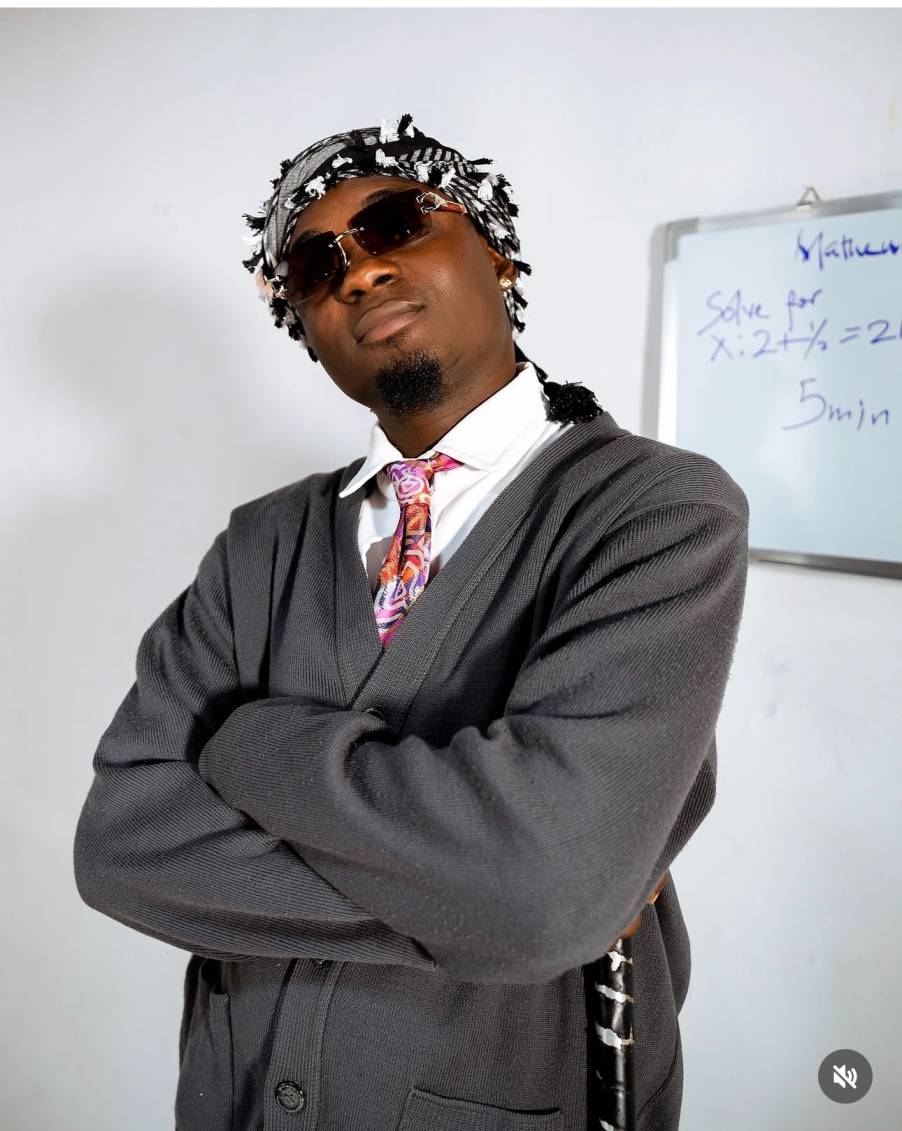
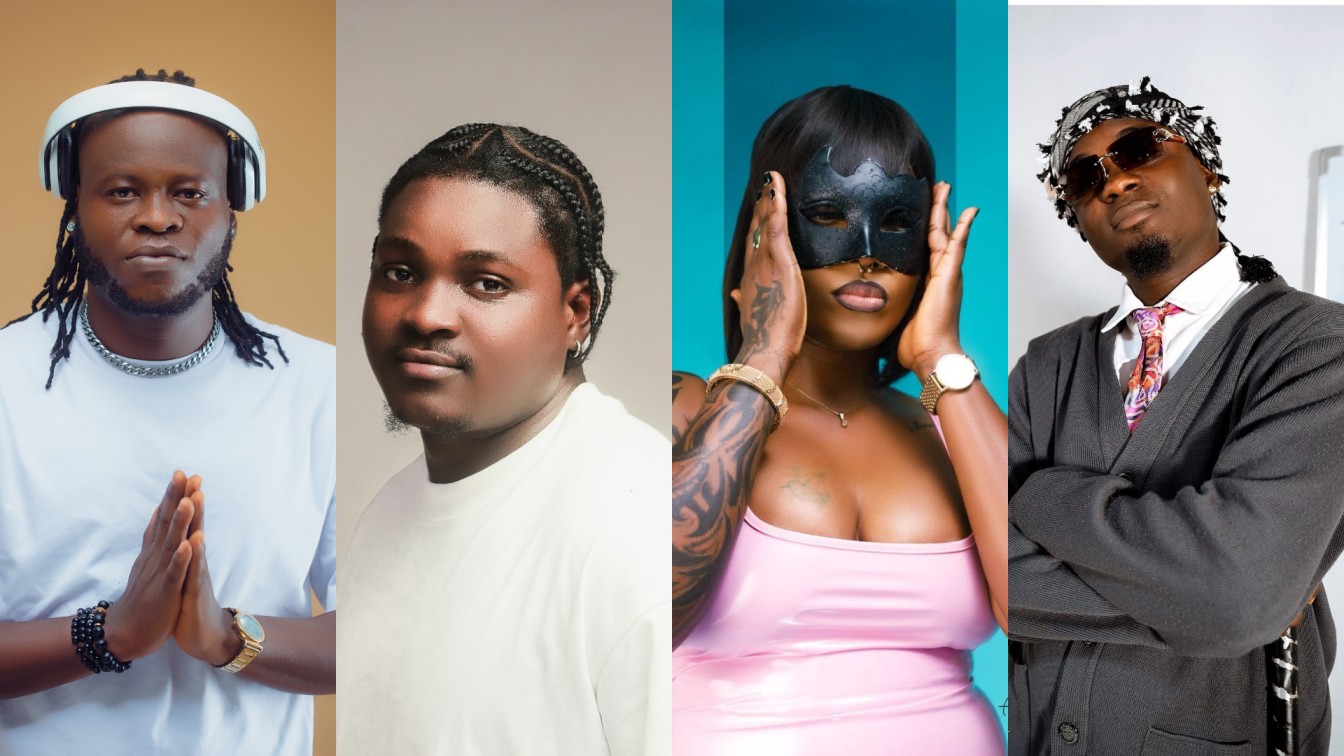
Then there are the mixtape and digital circulation DJs led by DJ Horlait and DJ Selex, the latter responsible for the phrase “Selex Oya Now” popular on the streets of Agege, Oshodi, and beyond. These are the Audiomack, blogs, Telegram mix DJs, and the “Best of” compilation DJs. They are the ones distributing music through informal networks, shaping what people repeatedly hear outside formal platforms.
Finally, there are the event DJs, the ones playing weddings, corporate gigs, and local bookings; they form the economic survival layer of the ecosystem. These DJs’ phones ring nonstop every weekend, but their names rarely appear in essays and articles about Nigerian music.
These latter two—mixtape DJs and event DJs—are where the real story of Nigerian music circulation lives. They are the most important in terms of how music actually reaches the average Nigerian, yet they are simultaneously the most undocumented and least talked about in mainstream music discourse. They sit at the bottom of visibility, even though they are at the centre of circulation.
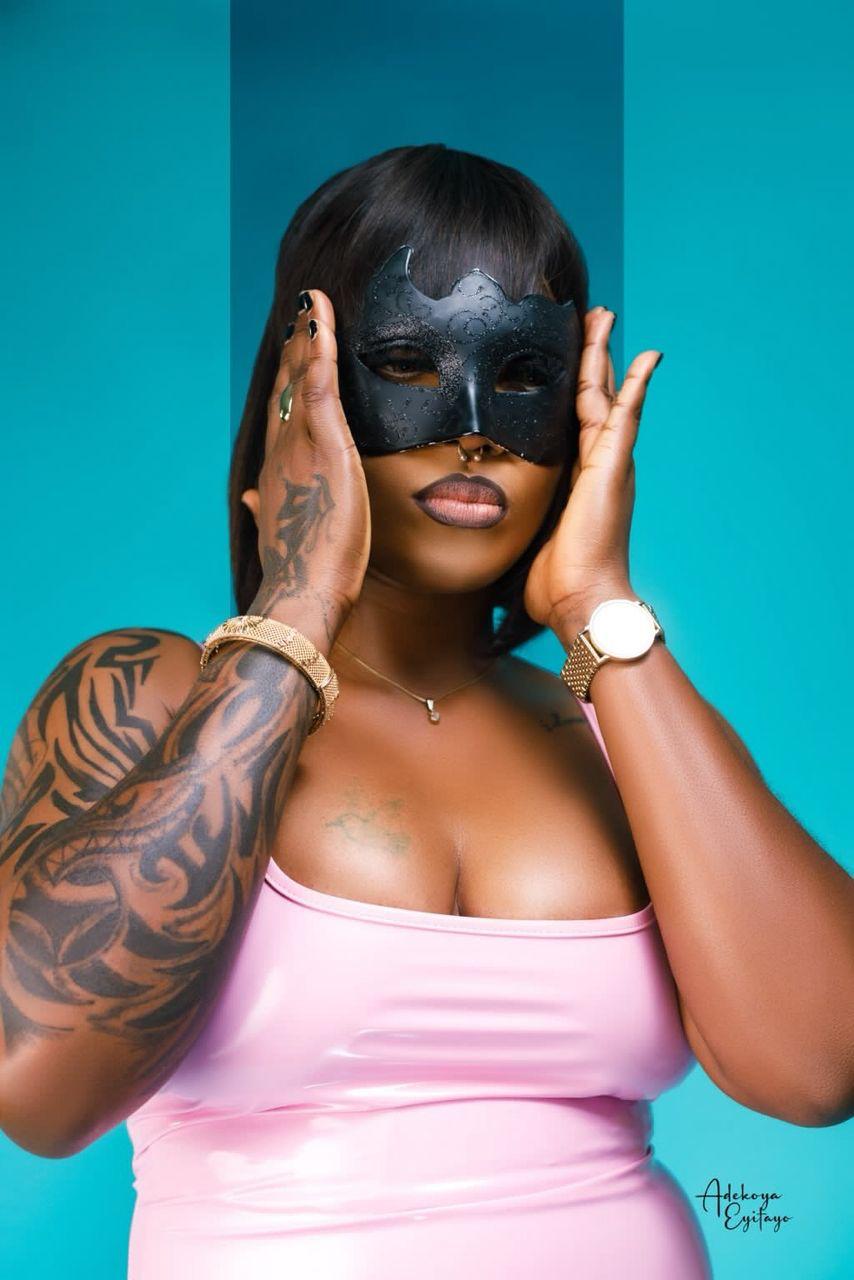
“Most of the impact happens offline in everyday spaces, and the media usually documents viral moments,” says Temiloluwa Bayode, a talent manager who has been a custodian of the street circulation branch of the music ecosystem—managing DJs like DJ Selex, DJ Horlait, and DJ Masked Queen, who attempted the world record for longest playing set by a DJ.
His point speaks to a structural problem in how the industry sees music circulation: it prioritises what is visible and trackable: celebrity culture, headline moments, and recognisable figures who can be easily named and tracked. In doing so, it overlooks the muffled infrastructures that actually keep the ecosystem moving.
Take, for instance, Kizz Daniel’s 2023 smash hit “Buga”. The song’s hook: “Let me see you go low-low low, buga” was stitched to the tongues of baby boomers and Gen X Nigerians who do not attend clubs or raves but frequently encounter music at weddings and festivals where event DJs consistently insert songs like this into their sets. What matters here is not just that the song was popular, but that it became repetitively unavoidable across everyday spaces.
“Many of these DJs may not dominate headlines, but they influence thousands of people physically every week. DJs like Official DJ Legend and DJ Flex have shown that DJ culture now goes beyond events into television, visuals, and digital engagement. I witnessed how DJ Selex made Areezy popular simply by working him into a mixtape that circulated widely through informal networks”. Bayode states. What this reveals is a contradiction in how music success is currently understood. Charts are often prioritised over circulation, which feels paradoxical because circulation often determines what becomes charting music.
Streaming culture becomes the dominant lens for understanding music success, but it captures visibility after circulation has already happened, not the systems that produce that visibility in the first place.


DJs usually produce a repetition mechanism, not just selection. Mixtape DJs repeat songs across compilations till they become familiar. Event DJs play and replay those songs at the ceremonies that mark the rhythms of Nigerian life — weddings, naming ceremonies, and even at graduations. Nightlife DJs amplify subcultural sound direction, shaping what feels current within specific scenes and youth spaces, while mainstream DJs formalise already circulating sounds, giving industry visibility to music that has often already lived long lives outside formal recognition. Repetition, across all these layers, is what transforms unfamiliar music into shared cultural memory.
Mixtape and event DJs are the most important of the classifications because they control this exposure most directly. They are playing for a large chunk of the nation’s population, especially for audiences outside streaming platforms. Mixtape DJs push music across WhatsApp and Telegram, blogs and informal download chains, extending songs beyond algorithmic discovery and into everyday circulation networks.
Event DJs, on the other hand, control community gatherings. They expose music directly to non-streaming audiences, people who may never encounter a song online but will know it by sound through repeated public listening, just like with Kizz Daniel’s “Buga”. Together, mixtape and event DJs shape what everyday Nigerians actually know. Not what is trending on TikTok, but what is heard often enough, in enough places, to become familiar.
These DJs remain largely invisible because they do not fit into dominant visibility systems that define modern music success. They are not chart-lustful but streaming structure outliers; they are not in search of retweets. Their work does not produce visible metrics that could be captured on dashboards or Billboard Hot 100s. And because our understanding of influence right now is social media-facing, we fail to see this ecosystem they’ve built on repetition, localisation, social embedding, and informality, which is the strongest pillar of Nigerian music culture. And because these mixtapes and sets are designed for places—buses, barbershops, one-bedroom apartments, and local festivals—that do not carry the aesthetics for documentation, they are left obscured.
These DJs deserve to be part of the story we tell about how Nigerian music moves through the world. The infrastructure is there. It has always been there. What has been missing is the attention.
Praise Okeoghene Vandeh is a culture journalist and screenwriter with a BA in History and International Studies. She is interested in exploring the full spectrum of Black and African womanhood, writing about women who are good, flawed, messy, contradictory, and fully human. She is drawn to stories that interrogate the human condition and the complexities of connection, with a particular interest in narratives that reveal moments of tenderness and the good lurking within. Her work has appeared in Culture Custodian, Document Women, Marie Claire Nigeria, Nollywire, NATAAL The Floor Mag UK, What Kept Me Up, and Moda Culture, amongst others. A devoted lover of romance and romcoms, she fondly describes herself as a Nora Ephron alumnus.