


Each team preview breaks down squad strengths, tactical identity, and the players who could make the difference, before offering a prediction on how far they might go.
By Tuka Letura
Ten African nations are making their final preparations for the 2026 FIFA World Cup in the United States, Canada and Mexico, where the continent will enjoy its largest-ever representation on football’s biggest stage.
The expansion to 48 teams has opened the door for a record ten African qualifiers, giving the continent the second-highest number of representatives behind Europe.
Over the past few months, we have followed the qualification campaigns, tracking and analysing the strengths and weaknesses of each side to produce this guide to Africa’s representatives in North America.
Each team preview breaks down squad strengths, tactical identity, and the players who could make the difference, before offering a prediction on how far they might go. Whether you are interested in a particular nation or simply want to gauge Africa’s prospects as a whole, this guide provides a snapshot of the ten teams hoping to leave their mark on the 2026 World Cup.
Ghana
Carlos Queiroz will lead Ghana into the 2026 World Cup after taking charge in April. His most recent match ended in a draw against Wales, bringing an end to a run of six consecutive defeats. Ghana’s last victory came as far back as October 2025, highlighting the difficult run of form they have endured heading into the tournament.
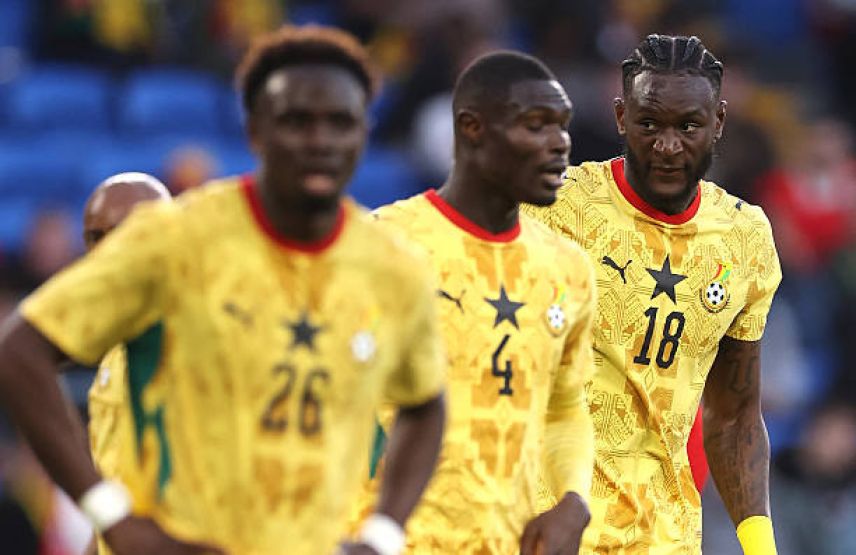
The Black Stars have been drawn alongside England and Panama, with the new coach tasked with steadying the side and restoring confidence ahead of the competition.
Tactics
Beyond questions of style and approach, this Ghanaian side is dealing with a number of injuries and will head into the tournament without several key players.
Mohammed Kudus was left out after a quadriceps injury, and a subsequent setback in his recovery brought an early end to his season with Tottenham Hotspur. Also absent is Mohammed Salisu. The AS Monaco centre-back ruptured his anterior cruciate ligament in a league match against Olympique Lyon in January, and Ghana team doctor Dr Prince Pambo confirmed earlier this year that his nine-month recovery timeline would rule him out of the World Cup.
The biggest losses are undoubtedly Kudus and Salisu, both guaranteed starters. With Kudus’ directness missing, Salisu’s astute performances at the back unavailable, and veteran captain Andre Ayew no longer part of the squad, Ghana will have to find new ways to score goals.
That responsibility could fall on Kamaldeen Sulemana, who has looked promising in recent appearances, and especially Antoine Semenyo, who arrives as the star man in the Black Stars attack. The Manchester City forward will be expected to carry much of the goalscoring burden as Ghana looks to compensate for the absence of Kudus.
It is a big task putting together a side that can compete with the players available to Queiroz. Ghana are likely to be very defensive, operating in either a 4-5-1 or 4-4-2 shape and looking to hit opponents on the break.
Prediction
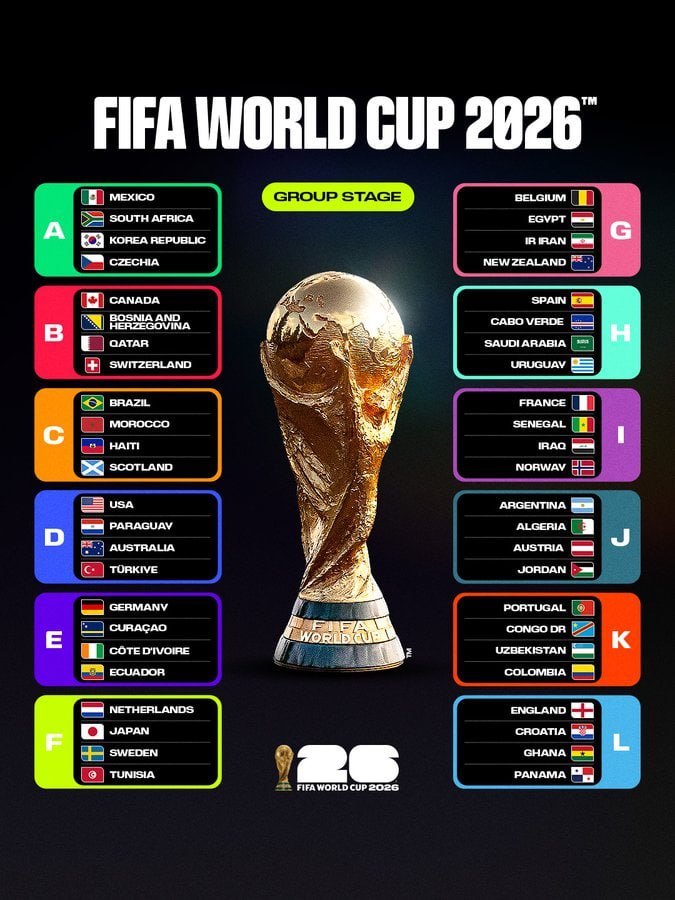
Ghana are unlikely to make it out of the group stage. Drawn in Group L alongside Croatia, England and Panama, the Black Stars face an uphill task against three sides that are all ranked significantly above them. Panama, the lowest-ranked of the three, sits 33rd in the world, more than 40 places above Ghana, who enter the tournament ranked 74th.
Of course, FIFA rankings do not decide matches, but in terms of overall quality, experience and squad depth, all three teams appear stronger than Ghana. With several key players unavailable through injury, Ghana’s prospects have become even more difficult.
As things stand, their chances of reaching the knockout rounds are very slim. In fact, Ghana are very likely to finish bottom of Group L and is unlikely to progress, even as one of the best third-placed teams.
Democratic Republic of Congo
The Democratic Republic of Congo are back at the World Cup for only the second time in their history and for the first time under their current name. Their only previous appearance came in 1974, when the country was known as Zaire and competed at the World Cup in West Germany. Drawn alongside Yugoslavia, Scotland and Brazil, they lost all three matches, failed to score, and conceded 14 goals, including a historic 9-0 defeat to Yugoslavia.
Things are very different this time around, although the road to the 2026 World Cup was far from straightforward. The Leopards had to navigate a difficult route, defeating both Cameroon and Nigeria in the second round before edging past Jamaica 1-0 in the intercontinental play-offs to become one of the final two nations to secure qualification, completing Africa’s contingent of ten teams.
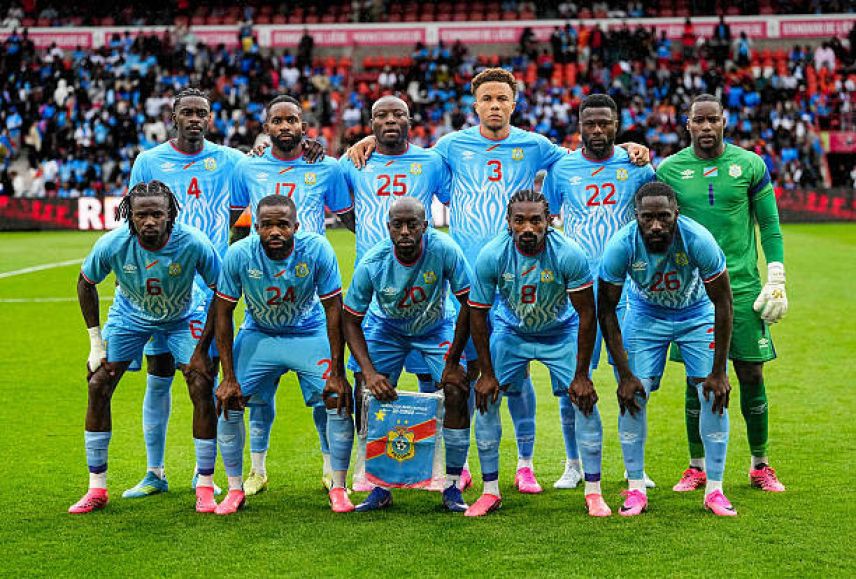
The Leopards are led by Sébastien Desabre, who took charge in 2022 after replacing Héctor Cúper. Under the Frenchman, DR Congo has steadily improved and arrived at the World Cup in excellent form. They are currently on an unbeaten run and have not tasted defeat since their Africa Cup of Nations elimination at the hands of Algeria.
The challenge ahead is substantial. Drawn in Group K alongside Portugal, Colombia and Uzbekistan, the Congolese will face some stern opposition. Unlike Ghana, however, DR Congo is not the lowest-ranked side in their group, and their recent form suggests they are capable of causing problems.
After their scheduled friendly against Chile was cancelled, their World Cup campaign will begin with arguably their toughest assignment: a clash against Portugal.
Tactics
DR Congo’s recent resurgence has been driven by the integration of players who had previously not been regular members of the squad, as well as several dual-nationality talents who chose to represent the Leopards. Among the most notable additions are former Manchester United defender Axel Tuanzebe and full-back Aaron Wan-Bissaka.
Sébastien Desabre has several options when it comes to setting up his side. Cédric Bakambu is expected to lead the line, with Arthur Masuaku, Edu Kayembe and Noah Sadiki offering width and creativity. Sadiki, in particular, has enjoyed an impressive season with Sunderland and gives the side another attacking dimension.
In midfield, Ngal’ayel Mukau and Samuel Moutoussamy provide balance and energy, while the central defensive partnership of Chancel Mbemba and Axel Tuanzebe could prove to be one of the more underrated centre-back pairings at the tournament.
Prediction
While finishing top of Group K is almost impossible, DR Congo has enough quality and momentum to compete for a place in the knockout rounds. Unlike some of Africa’s other representatives, they are not the lowest-ranked side in their group and arrive in excellent form.
A third-place finish would not be surprising and could well be enough to secure qualification for the Round of 32.
Egypt
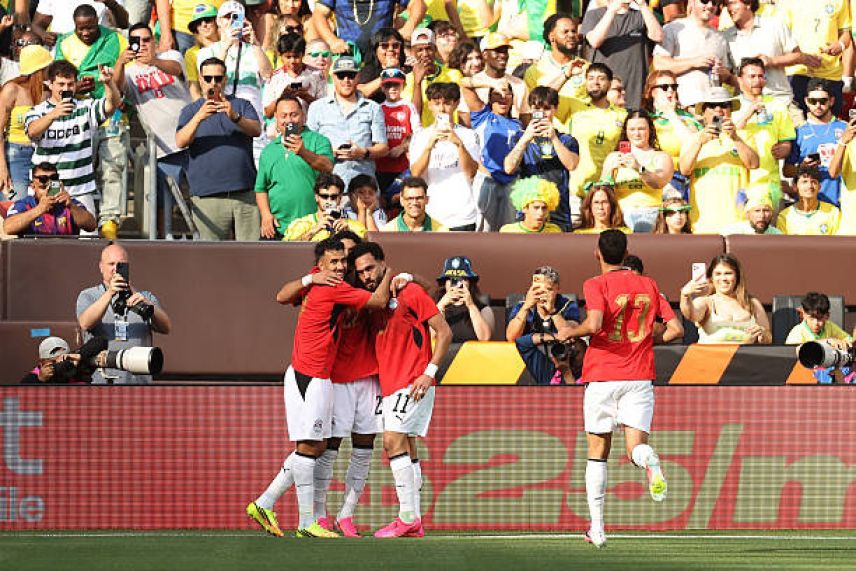
Egypt missed out on Qatar 2022 and arrived in North America unbeaten in qualifying. Led by Mohamed Salah, the Pharaohs conceded just two goals and kept seven clean sheets on their way to qualification, but they remain something of a paradox. They are organised, resilient, and difficult to break down, yet they often struggle to impose themselves against stronger opposition. Drawn alongside Belgium, Iran, and New Zealand, Egypt’s minimum objective will be to finally record their first-ever World Cup victory, while a place in the knockout rounds is a realistic ambition.
Tactics
Hossam Hassan has built a pragmatic side that prioritises defensive solidity over attacking flair. Egypt generally line up in a 4-3-3, although they can shift into a 4-2-3-1 when chasing games and occasionally employ a 3-5-2 against opponents who sit deep. The double pivot of Marwan Attia and Hamdi Fathi protects the defence, while Emam Ashour is tasked with linking midfield and attack.
Most of Egypt’s attacking threat comes through Mohamed Salah and Omar Marmoush. The pair are expected to exploit transitions, with Ibrahim Adel offering another outlet capable of carrying the ball forward and reducing the overreliance on Salah. Egypt are comfortable defending without possession, but their inability to consistently play through an aggressive press means they can become predictable when opponents successfully neutralise Salah.
Prediction
Belgium should have enough quality to top the group, but Egypt have every chance of finishing second ahead of Iran and New Zealand. Their defensive organisation and tournament experience make them difficult opponents, though their conservative approach may limit how far they can go.
Algeria
Led by Vladimir Petković, Algeria is back at the World Cup for the first time since their memorable run in Brazil in 2014, and they arrive with one of the strongest squads on the African continent. Drawn alongside Austria, Jordan, and reigning champions Argentina, the Desert Foxes find themselves in a group where progression looks realistic, although Argentina remain clear favourites.
Interestingly, three of the four teams in the group begin with the letter “A”, but Algeria will be hoping that is not the only thing they share with the holders. Vladimir Petković’s side has been remarkably consistent, losing just three of its last 34 matches since March 2024. Only two of those defeats came in competitive fixtures, both in normal time: a 2-0 loss to Nigeria at the Africa Cup of Nations and a friendly defeat to Denmark.
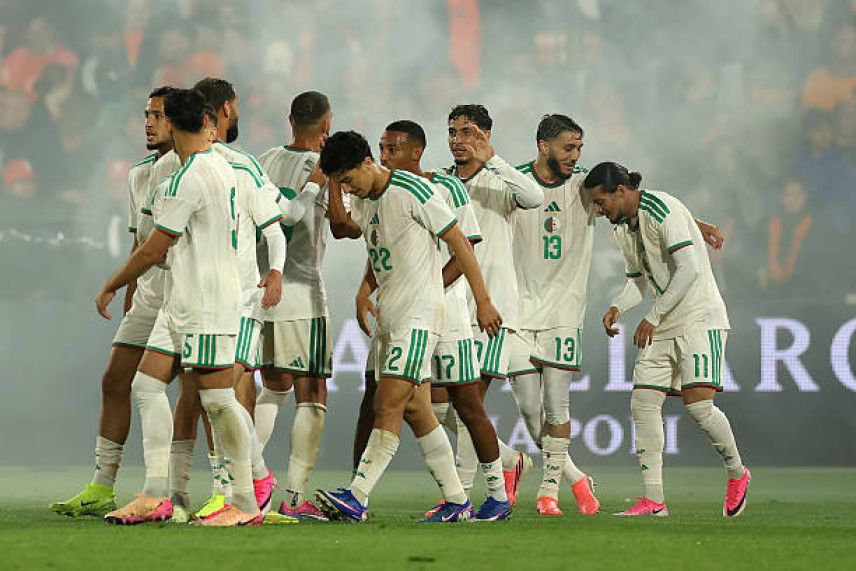
With experience, attacking quality, and a settled core, Algeria heads into the tournament with genuine belief. The question now is whether that consistency can carry over to the biggest stage and deliver a first knockout appearance since that dramatic campaign in Brazil twelve years ago. The squad contains players performing across Europe’s top leagues, though their tournament ceiling remains uncertain due to tactical predictability and occasional struggles against well-organised opposition.
Tactics
Algeria are expected to operate primarily in a possession-based 4-2-3-1 structure. The game model is built around territorial control, structured build-up, and sustained ball retention. The aim is to dominate possession and create chances through positional rotations rather than direct transitions.
Riyad Mahrez remains the creative focal point, supported by mobile attackers such as Mohamed Amoura and Amine Gouiri. Ibrahim Maza adds a layer of creativity and unpredictability in advanced zones.
However, the system’s main limitations lie in its tempo. Algeria can become slow in circulation, allowing compact defensive blocks to settle. Defensively, their rest structure is vulnerable in wide transition moments, particularly when full-backs advance simultaneously.
Prediction
Algeria are in a competitive group where margins will be fine. Their technical quality makes them competitive, but not necessarily dominant against higher-ranked opposition.
A third-place finish is the most realistic outcome, with progression to the knockout stage dependent on ranking among the best third-placed teams.
Tunisia
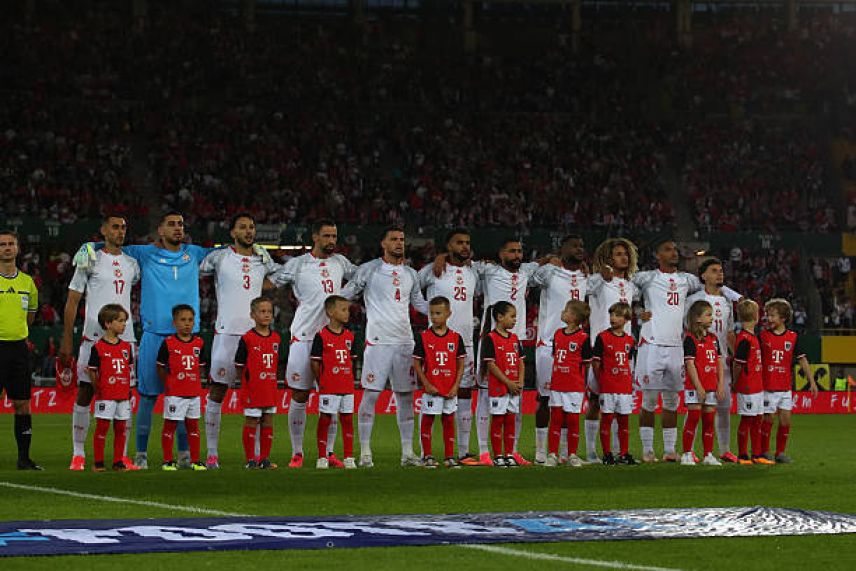
No African nation has been at the World Cup more often without ever reaching the knockout rounds. Seven appearances spread across nearly five decades, but never progression. Tunisia return to the global stage, drawn alongside Sweden, Japan and the Netherlands in Group F. The Eagles of Carthage have been given little margin for error. It is arguably one of the most balanced groups, yet Tunisia must be very intentional. If there is to be a first, it will have to be earned the hard way.
Tactics
Sabri Lamouchi has been in charge for the second shortest time among all the coaches of the African teams at this World Cup. He took over the side in January 2026, and in the four friendly games they have played so far, they have only recorded one win — a 1-0 victory over Haiti in March. They lost 5-0 in their latest game against Belgium and have yet to score a goal under him. It is very difficult to get an idea of what his side will look like, but so far, they have maintained a fairly consistent shape.
Based on how they have played in recent games, there has been very little time for him to really imprint his ideology on the team, and that in itself is a major weakness. Beyond that, they have simply struggled to win games, and when a team cannot win, it usually points to deeper problems.
At the moment, they are a side that looks vulnerable and open to being torn apart by stronger opponents. It is difficult to identify many positives, especially given their lack of goals and poor recent performances.
Prediction
Progression is not impossible, but Tunisia look like one of the African teams most likely to make a group-stage exit. The chances of that are quite significant, even though they are in a group where they could still pick up a result somewhere and perhaps finish third.
The verdict, however, is that they will once again be knocked out in the group stage. There will be no progression to the knockout rounds, meaning Tunisia will still be waiting for their first-ever appearance in the knockout stages of the men’s World Cup.
Côte d’Ivoire
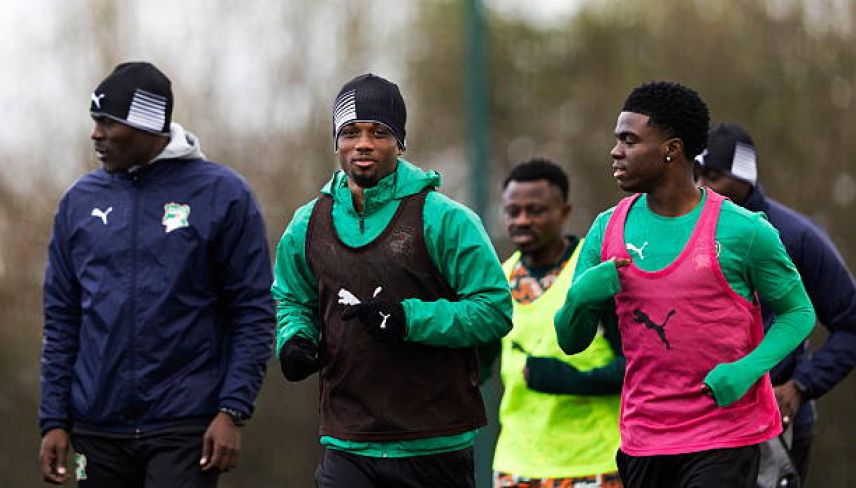
Having appeared at just three previous World Cups and exiting at the group stage on each occasion, Côte d’Ivoire return to the tournament in 2026 after missing out on the editions in Russia and Qatar. Drawn in a group featuring Curaçao, Germany and Ecuador, the Elephants have been handed a favourable opportunity and look well placed to reach the knockout stages for the first time in their history. They are led by Emerse Faé, himself a veteran of the 2006 tournament.
Tactics
Faé has built a side comfortable in multiple shapes, alternating between a 4-3-3 and a 4-4-2 depending on the opponent. Unlike previous Ivorian teams that often relied on moments of individual brilliance, this side is more measured and tactically disciplined. They are happy to control possession, but equally dangerous in attacking transitions.
Franck Kessié is the central point in midfield. His ability to carry the ball, dictate tempo and arrive late into the box gives Côte d’Ivoire balance, while Ibrahim Sangaré or Seko Fofana provide the defensive security that allows others to play with freedom. Further forward, Faé is spoilt for choice with his wide options. On the right, he can choose either or both Yan Diomande and Solomon Adingra. On the left, Amad Diallo has developed into the team’s most creative outlet, while Nicolas Pépé is just ahead of him in the pecking order. Elye Wahi and Evan Guessand are the striking options, and both can play together or individually to give the team a spearhead.
There are also occasional questions over defensive concentration, particularly when the full-backs push high, and transitions are not managed properly.
Prediction
Germany are favourites and will likely determine whether Côte d’Ivoire finish first or second. The meeting with Ecuador feels like the game that gives them a real chance of qualification. Both sides possess similar levels of quality, and the outcome could decide progression. Curaçao is a fixture the Elephants simply cannot afford to mishandle; they are inexperienced at this level but also very compact, making it a must-win.
Côte d’Ivoire advances from the group. A quarter-final appearance is not beyond reach.
South Africa
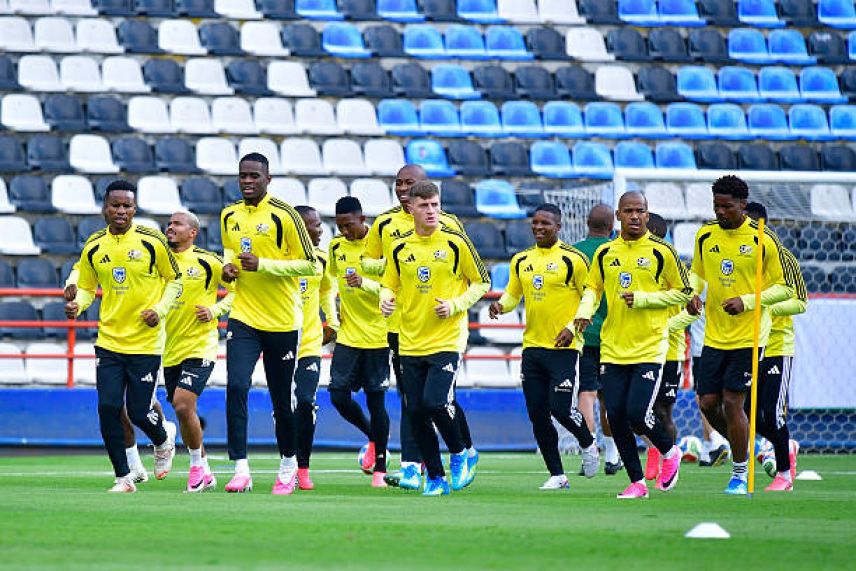
Sixteen years is a long time in football. Long enough for generations to grow up without seeing Bafana Bafana at a World Cup. Long enough for South Africa to drift from being hosts to spectators. Hugo Broos has changed that. What began as a rebuilding project has evolved into a side that finished third at AFCON 2023 and waltzed past Nigeria in World Cup qualification, and now returns to the global stage two years later with genuine belief. Group A pairs them with Mexico, Czechia and South Korea, and fate has given them a familiar beginning. The opening game of the tournament comes against Mexico, the same opponent that welcomed them to the 2010 World Cup.
Tactics
Broos has built South Africa around a disciplined 4-2-3-1 that prioritises organisation over possession. Out of possession, Bafana Bafana defend in compact lines and look to win the ball in midfield before attacking quickly into space. It is not a system designed to overwhelm opponents, but to frustrate them.


Teboho Mokoena and Sphephelo Sithole provide the platform. Mokoena dictates the tempo and carries much of the responsibility in possession, while Sithole offers the energy and aggression that protect the back four. Behind them, Ronwen Williams organises a defence that prefers to stay narrow and force teams wide.
Further forward, Oswin Appollis provides the creativity. His ability to drift across the attacking line makes him difficult to track, while Relebohile Mofokeng adds unpredictability and direct running. Lyle Foster leads the line, occupying defenders and creating space rather than serving as a prolific goalscorer. The objective is straightforward: defend compactly and attack before opponents can recover their shape.
The weakness is obvious. South Africa lacks the firepower of elite teams. There is no striker guaranteed to score consistently, and periods of dominance do not always translate into goals. Against stronger opposition, chances will be limited, and efficiency in front of goal could determine whether they progress or go home.
Prediction
South Africa is capable of frustrating the hosts and has enough pace on the counter to make the opening game uncomfortable. It could swing either way. Czechia and South Korea represent real opportunities. Neither side is beyond them, and Broos has repeatedly shown an ability to organise his teams for tournament football.
They will reach the Round of 32 in this edition. Beyond that, anything else would represent another remarkable chapter in Broos’s rebuilding of Bafana Bafana.
Senegal
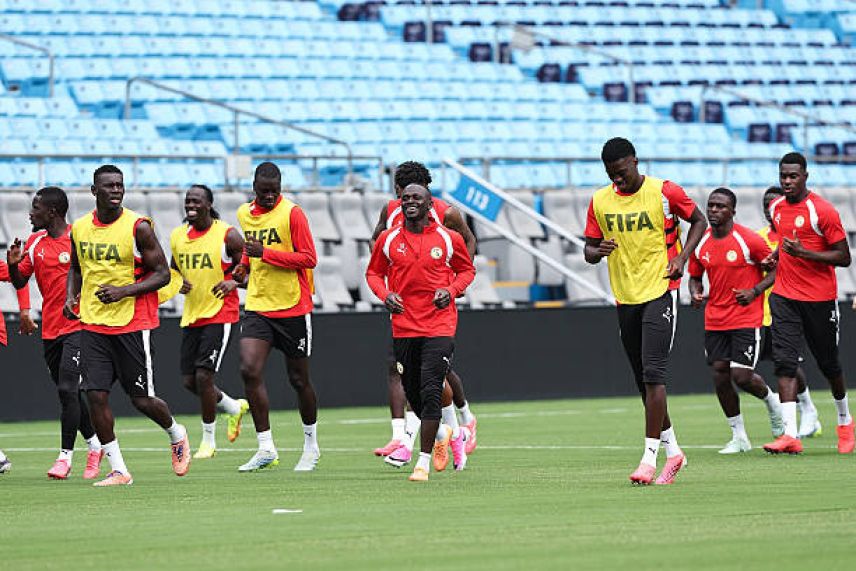
This is Senegal’s third consecutive appearance at the World Cup, and they arrive in North America with expectations. The generation that restored Senegal to the summit of African football is growing older, but it is also being supplemented by an influx of fresh talent. Pape Thiaw has inherited a side that knows exactly what tournament football demands. Drawn alongside France, Norway and Iraq in Group E, their opener is against France, a throwback to 2002 when Senegal famously beat the defending champions. Senegal beat France, the defending champions, then. Twenty-four years later, they have another opportunity to do it again, although France are not defending champions this time.
Tactics
Thiaw has shown he can be flexible and win games, which is no surprise given the quality of his squad. Senegal has not lost a competitive senior game since 2023, excluding the overturned result in the final of the last Africa Cup of Nations.
Heading into the World Cup, the expectation is for that run to continue. Primarily set up in a 4-3-3 or 4-2-3-1 depending on game state, Senegal has also shown the ability to shift away from a four-man backline. In a recent friendly defeat to the USA, they used a three-man defence. Out of possession, Senegal defends aggressively and compactly, looking to recover the ball early and attack before opponents can settle.
In possession, they are more dangerous. Idrissa Gueye remains the heartbeat of midfield and will likely be partnered by Lamine Camara ahead of the backline. Sadio Mané remains the side’s emotional leader and most decisive attacker, operating alongside Iliman Ndiaye, Nicolas Jackson and Ismaïla Sarr. These four will likely form Thiaw’s front line, with Ndiaye operating centrally. The idea is straightforward: regain possession quickly and attack vertically.
The weakness is in goal. The goalkeeping depth is not necessarily poor, but it no longer matches the overall squad quality. Édouard Mendy has lost form, and while he did well at the last AFCON, his recent performances leave room for improvement.
Prediction
France in the opener is the defining match. Senegal has enough quality and organisation to trouble any side, but they will need to be clinical when chances arrive. Norway possess enough attacking quality to make second place a genuine contest, while Iraq is a game Senegal should expect to control.
Senegal will advance from the group. Their experience, defensive organisation and attacking talent make them difficult opponents in knockout football. A place in the quarter-finals is well within reach with the right draw.
Cape Verde
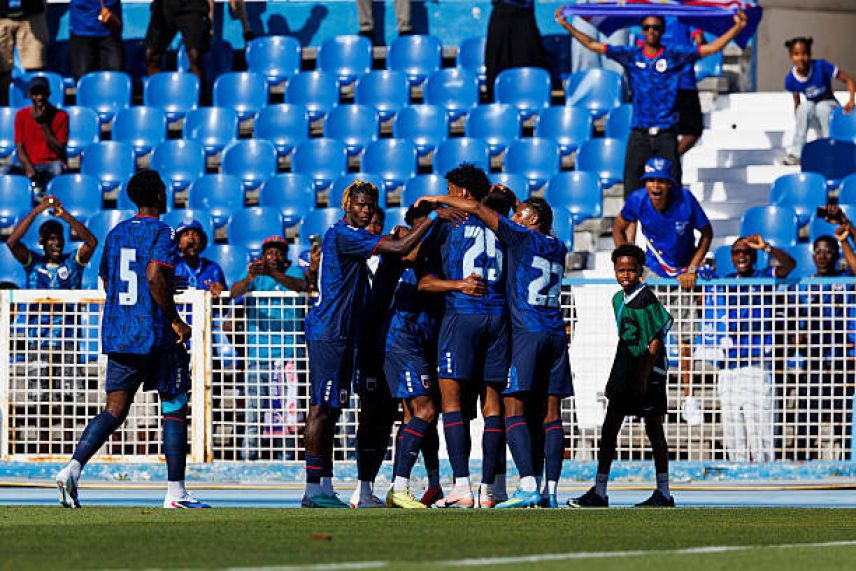
Cape Verde is one of four debutants at the 2026 World Cup. A nation of barely half a million people and the smallest country by land area to qualify for a men’s World Cup, the Blue Sharks qualified top of a group containing Egypt and Cameroon. Group H offers little room for sentiment. Spain, Uruguay and Saudi Arabia stand between them and the knockout rounds.
Tactics
Bubista has built this side around a disciplined 4-3-3 that can become a 4-2-3-1 when extra protection is needed. Out of possession, Cape Verde sit compact and force teams into wide areas before springing forward quickly. They are comfortable without the ball and do not pretend otherwise. They are also one side that can rotate the starting lineup without too much of a downturn or uptick in performance.
The plan is to trap teams in central areas and target the flanks in transition. That direct threat will be relied upon whenever Cape Verde finds opportunities to break.
The weakness is straightforward. They lack the individual quality and depth possessed by the stronger nations in the group. Their defensive shape can keep matches competitive, but maintaining concentration for long spells against elite opposition is a different challenge entirely. This is also a squad with little experience at this level. One mistake can undo ninety minutes of organisation.
Prediction
Spain in the opener is likely to be damage limitation unless something extraordinary happens. Uruguay will demand a similar level of discipline, although Cape Verde will believe they can make life uncomfortable for them. The decisive fixture is Saudi Arabia — that is the game they must target.
Cape Verde could progress from Group H. One win and a third-place finish may be enough to see them through as one of the best third-placed teams, but that will likely be as far as they can go.
Morocco
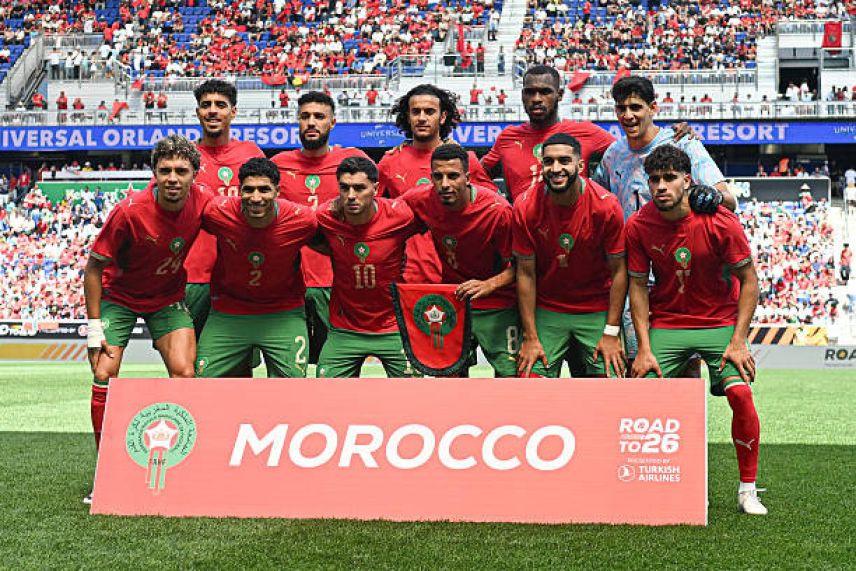
Morocco arrives at the 2026 World Cup as a well-run, organised side. Ranked eighth in the world and only topped by Brazil in this group, they are no longer underdogs, even here. Group C draws them against Brazil, Scotland and Haiti. Their opener against Brazil is the tournament’s most compelling first-round fixture involving an African side. Everything else flows from that result.
Tactics
Ouahbi inherits Regragui’s 4-2-3-1 but wants more positional fluidity in attack. Without the ball, Morocco compresses into a disciplined 4-4-2 mid-block, with Sofyan Amrabat screening in front of the back four, intercepting, recycling and protecting the channels. The defensive structure is elite when functioning correctly.
In possession, Achraf Hakimi pushes high on the right as an overlapping outlet, while Noussair Mazraoui tucks inside as a third centre-back, covering the space left behind. It is a system that demands positional intelligence from everyone; one lapse and the counter-exposure is significant. One of El Aynaoui’s or Bouaddi’s press resistance and recovery runs is central to maintaining balance in midfield.
Further forward, Youssef En-Nesyri leads the line physically, holding up play and running in behind, while Díaz and Ben Seghir operate in the half-spaces to connect midfield to attack. In En-Nesyri’s absence, we could see more minutes for Ismaïl Saibari as a striker option. The goal is simple: get Hakimi into crossing positions.
The weakness is the coaching transition. Ouahbi has had limited time to install his ideas into a squad accustomed to a different voice. Tactical cohesion under pressure remains untested at this level. This is not the same team we saw at the last Africa Cup of Nations, and he still has to fully translate his ideas.
Prediction
Brazil in the opener is the defining fixture, unless something extraordinary happens. Ouahbi will set up to absorb and counter, but Morocco also has the personnel to go toe-to-toe when required.
Morocco will advance from the group. Their Round of 32 opponent would come from Group F, one of the tougher groups in the draw. A win there would put them on course for at least the quarter-finals.
Tuka Letura is an experienced sports writer with over five years of experience in the craft. He uses data and statistics to provide analysis and commentary. From regional to worldwide competitions, he has covered a wide range of sports-related events and topics. He is devoted to sharing his enthusiasm for sports with his audience and engaging them with interesting anecdotes and viewpoints.