



“See Me Cry” succeeds because it understands exactly what it wants to communicate and commits fully to that feeling, delivering a sincere and emotionally resonant reflection on pain, fear, faith, and the hope that humanity can still find its way back from the darkness.
By Yinoluwa Olowofoyeku
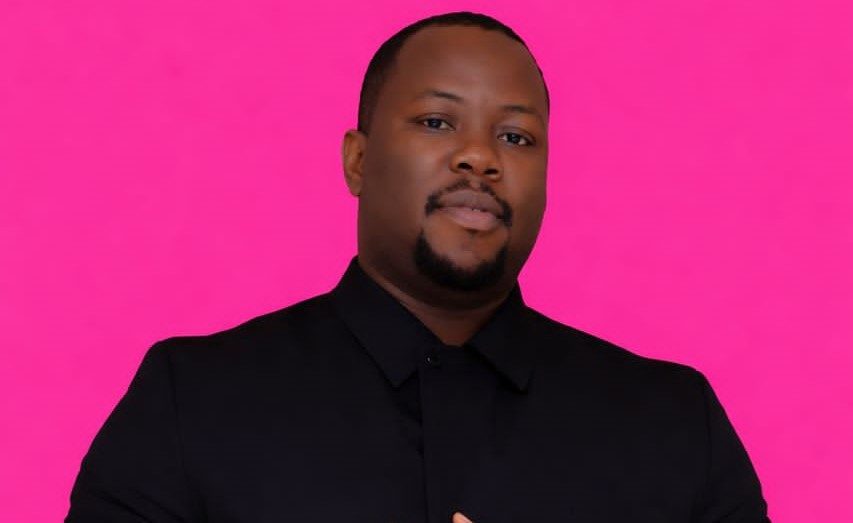
Born and raised in Ibadan, Iseay, born Israel Iyanuoluwa Eluwoyin, represents a newer generation of Nigerian contemporary Christian artists attempting to merge gospel messaging with more cinematic and emotionally expansive sonic palettes. Beginning his musical journey in 2011 as a secular artist before transitioning fully into Contemporary Gospel music in 2024, following what he describes as a spiritual encounter with Jesus that revealed his purpose, Iseay’s artistic evolution now centers around faith-driven storytelling aimed at a global audience.
Drawing from Gospel, Rap, worship music, and atmospheric contemporary production, he has steadily built his catalogue while also collaborating with established Nigerian producers and engineers such as STG Mix, Ty Mix, and Vtek. His growing visibility was further amplified by the viral traction of “Deny Or Die (Martyr for Christ)” in 2025, while his outreach initiatives, including orphanage support funded through music royalties, reinforce the humanitarian and spiritual motivations underpinning his work.
Released on October 16, 2025, “See Me Cry” continues that emotionally charged direction, positioning itself as a somber meditation on moral decline, broken homes, societal apathy, and humanity’s perceived drift toward spiritual darkness.
Rather than functioning as traditional celebratory Gospel music, “See Me Cry” approaches faith through lamentation and emotional exhaustion, using spirituality less as triumph and more as a desperate appeal. From the opening lines, “Father and son love, turned lust / I don’t know what kind hell of a life is this one / Mother want son dead so bad / She will trade anyone for her own self, for freedom,” the writing immediately establishes the bleak emotional landscape the song intends to explore.
The lyrics continue painting vivid images of societal decay, violence, emotional numbness, and internet-age desensitisation, particularly through lines like “The other day man got shot in a campus / And we see people in real time celebrate / They feel no remorse, they don’t care if a baby lose a daddy.” Throughout the song, God and Jesus are framed as the final hope for redemption in a world the artist believes is rapidly losing its moral center, reinforced by the repeated pleas, “Holy father come save us, holy Jesus come save us / There are too many innocent blood on our hands / Oh Jesus when will you be back.”
The production does a strong job supporting that emotional direction. Grand echoing pianos form the foundation of the instrumental, playing spacious chord arpeggios accented by brighter melodic additions that create an atmosphere of sadness and reflection without becoming overly dramatic. The song wisely remains restrained for much of its runtime, allowing the emotional weight of the performance and lyrics to remain central.
When the chorus arrives, somber strings and deep bass subtly expand the sonic palette, giving the song a more cinematic sweep while still maintaining intimacy. The repeated refrain, “See me cry, see me cry / The direction the world moving make me cry,” lands effectively because of that balance between simplicity and emotional sincerity.
Additional details like soft mallet textures near the latter sections of the song help add movement and brightness before the track gently closes with the same heartfelt piano arrangements that carried it from the start.



Vocally, Iseay prioritises emotional communication over technical showmanship, and for the most part, that choice works in the song’s favour. His melodies are simple and direct, but they fit the somber atmosphere and emotional urgency the record requires. There is clear sadness embedded in his delivery, particularly during moments where his voice strains slightly beneath the emotional burden of the lyrics. While his singing may not be technically dazzling, it remains effective because it consistently communicates sincerity and emotional conviction.
Admittedly, some of the vocals sit slightly too deep within the mix, with the heavy reverb and atmospheric engineering occasionally muddying the enunciation and lyrical clarity. Because the core strength of “See Me Cry” lies heavily in its message and storytelling, a cleaner vocal mix would have allowed some of the more poignant lyrical details to land with even greater force. Still, those issues do not significantly diminish the song’s overall emotional impact.
The writing remains heartfelt and effective despite its loose rhyme structure, and the production, vocal performance, and engineering all move cohesively toward the same emotional objective. In the end, “See Me Cry” succeeds because it understands exactly what it wants to communicate and commits fully to that feeling, delivering a sincere and emotionally resonant reflection on pain, fear, faith, and the hope that humanity can still find its way back from the darkness.
Yinoluwa “Yinoluu” Olowofoyeku is a multi-disciplinary artist and creative who finds expression in various media. His music can be found across all platforms and he welcomes interaction on his social media @Yinoluu.