

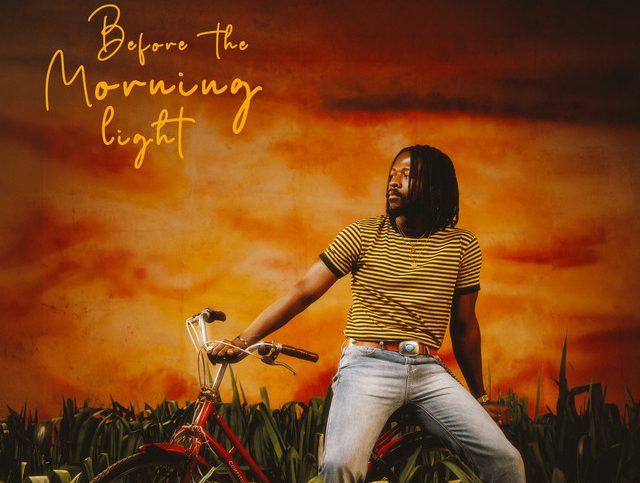


What remains unmistakable on Before The Morning Light is Johnny Drille’s continued commitment to the themes that have long sat at the centre of his artistry: love, relationships, personal growth, emotional honesty, narrative expression, and human connection.
By Yinoluwa Olowofoyeku
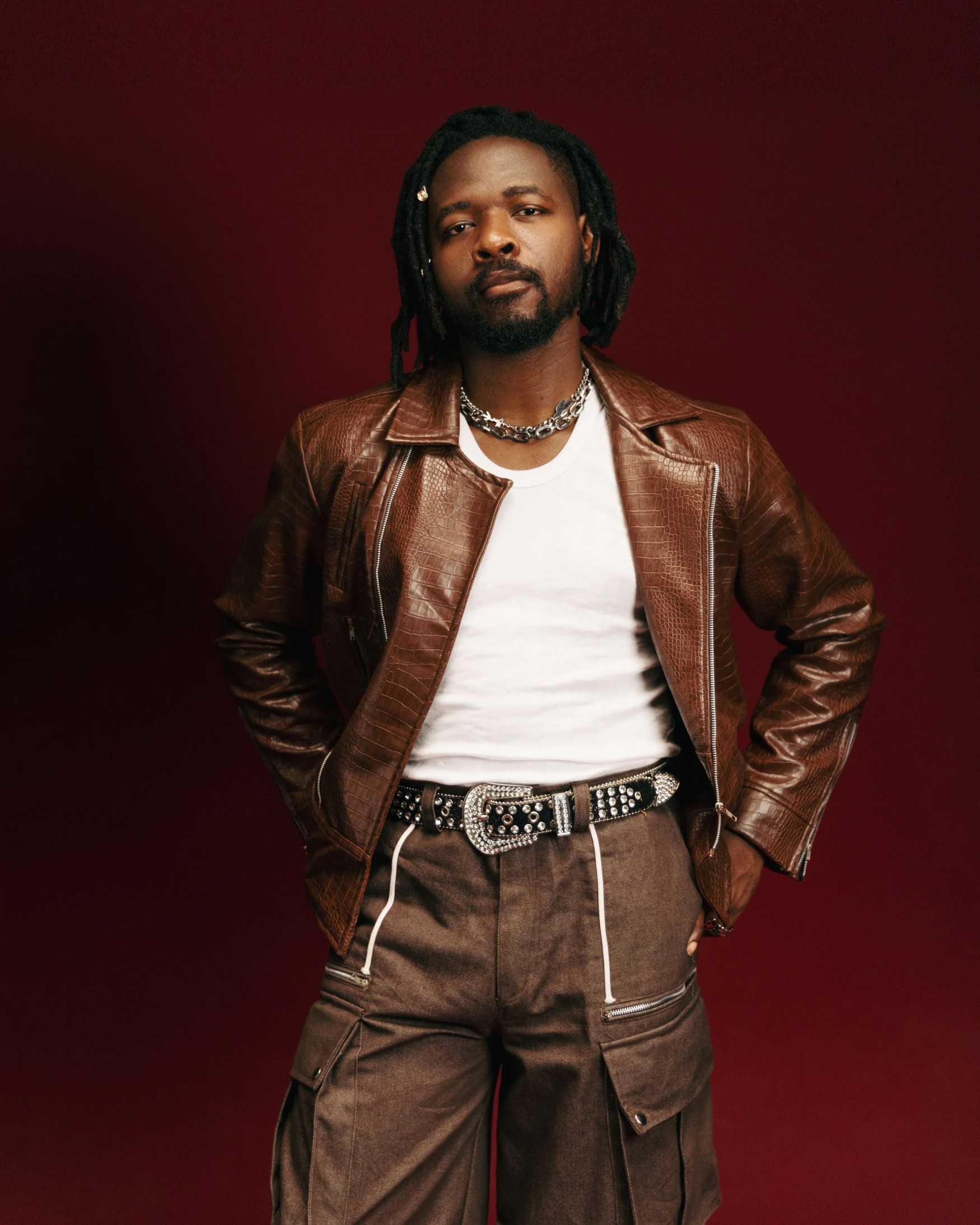
Over the past decade, few Nigerian artistes have carved out a sonic identity as emotionally intimate and quietly distinctive as Johnny Drille’s. Born John Ighodaro in Edo State, the singer, songwriter, producer, and multi-instrumentalist first entered public consciousness through Project Fame West Africa before gradually cultivating a devoted audience through acoustic covers, heartfelt songwriting, and a folk-inflected approach that stood apart from the dominant Afrobeats mainstream.
His breakthrough came with songs like “Wait For Me”, whose rustic visual storytelling, tender melodies, and deeply Nigerian emotionality immediately positioned him as a refreshing alternative voice within the country’s rapidly expanding pop ecosystem. Signing to Mavin Records under Don Jazzy further amplified his reach while still allowing him to maintain the sincerity and understatedness that became central to his artistry.
Across projects like Before We Fall Asleep (2021), Home (2022), and numerous collaborations spanning Afro-Pop, Alternative R&B, Soul, and Folk-inspired balladry, Johnny Drille steadily evolved into one of Nigeria’s most respected vocalists and songwriters, admired particularly for his emotional transparency, soft-spoken delivery, layered harmonies, and ability to communicate vulnerability without sacrificing melodic accessibility.
Beyond singing, his increasing involvement in production and arrangement has also revealed an artiste deeply invested in sonic atmosphere and emotional world-building, often prioritising warmth, intimacy, and human feeling over commercial maximalism.
That broader artistic trajectory provides important context for Before The Morning Light, a project arriving at a particularly reflective and transitional point in Johnny Drille’s career and personal life. Released following years of artistic refinement, growing mainstream visibility, marriage, fatherhood, and increasing confidence as both vocalist and producer, the project appears positioned as another extension of the deeply human storytelling that has long defined his catalogue.
In interviews surrounding the release, Johnny Drille has spoken about themes of hope, emotional endurance, love, healing, and finding light within uncertainty, ideas subtly reflected even in the album’s title itself, which evokes the quiet emotional space that exists just before renewal and clarity arrive.
Rather than chasing louder commercial reinvention, Before The Morning Light continues his commitment to emotionally grounded songwriting and carefully textured sonic environments, blending acoustic warmth, Soul influences, Alternative R&B sensibilities, and understated Afro-Pop elements into music designed less for spectacle and more for emotional connection.
Coming at a time when Nigerian mainstream music continues expanding globally at unprecedented speed, the project further reinforces Johnny Drille’s role as one of the scene’s most emotionally articulate and stylistically singular voices, an artiste whose strength lies not in overwhelming volume, but in the intimacy and sincerity with which he communicates human feeling.
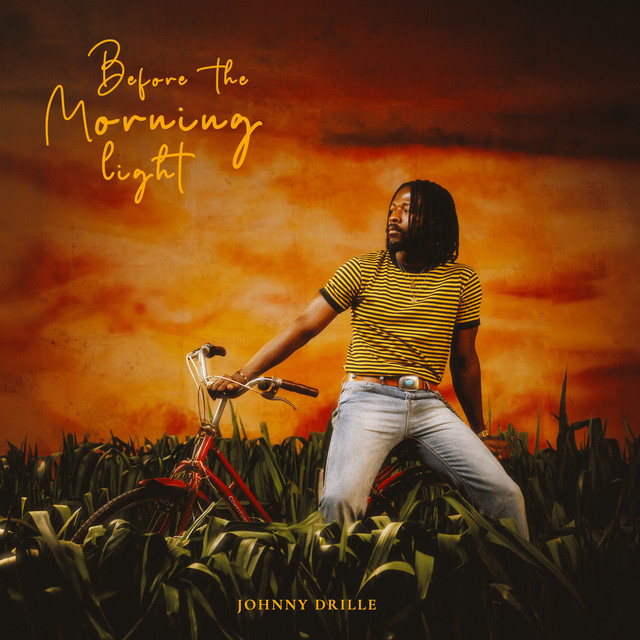
Opening Before The Morning Light with the imagery of Captain JD welcoming listeners aboard his flight, Johnny Drille immediately establishes a sense of journey on “In Time”. Energetic Afrobeats drums, rattling shakers, filtered guitar-like synth strums, weaving strings, and a smooth bassline create a bright, uplifting backdrop, while slap bass flourishes and percussive rolls keep the momentum moving forward.
Johnny’s warm pop-inflected singing sits comfortably at the centre of it all, aided by smart harmonies and his characteristic melodic ease. The song’s reassuring message is captured perfectly in lines like “I know, that you are gon’ be alright/ Trouble only last for a while/ Been there before/ Think you are never gon’ fly/ It’s just a matter of time/ You are gonna be alright”, offering comfort and optimism from the outset.
The arrival of legendary Beninese singer Angélique Kidjo elevates things further. Her unmistakable vocal texture and commanding presence immediately command attention, with Johnny happily stepping into a supporting role as their voices intertwine. Together, they bring the song to a soaring climax before an abrupt, ear-catching stop closes a fittingly hopeful opener.
The buoyant mood carries directly into “Mind”, where agile Afrobeats percussion, rattling shakers, brass flourishes, and assorted bits of sonic ear candy give the instrumental undeniable bounce. It is particularly interesting to hear Johnny lean more heavily into Afrobeats cadences without sacrificing the emotional sincerity and melodic sensibilities that have always defined his music. Staccato melodic phrases glide over the groove while layered harmonies enrich the chorus, aided by log drums, synth leads, and electric guitar embellishments.
Lyrically, it is a straightforward declaration of independence from gossip, criticism, and public opinion. Johnny brushes aside detractors with characteristic calm, singing, “Can’t dictate how I live my life/ I spend money. What is your concern?/ All of the talk dem dey talk online/ Give dem gbedu dem no fit go fight”, before reinforcing his resolve with, “Negativity no go fit come my side/ Dem no fit block my own/ They cannot take my joy away”. The result is one Before The Morning Light’s most carefree and self-assured moments.
Without interruption, “Blown Away” glides in on wailing strings and layers of strummed acoustic guitars, creating an almost folk-like ballad atmosphere enriched by African percussion, shakers, bongos, and talking drums. This is Johnny Drille firmly in familiar territory, delivering soft romantic melodies with effortless confidence. Harmonies stack upon harmonies, falsettos drift through the arrangement, and strings swell around the vocals as the song revels in pure adoration.
The lyrics are equally direct and heartfelt, with Johnny confessing, “Beyond physical/ I cannot explain it/ Something about you/ I’m blown away every day/ Na you dey drive me insane”, before pledging, “You’re deserving of love / I hope I can give you enough / Baby, let me be your ocean”. The arrangement steadily builds before ending with a brief spoken segment that gently closes one of the album’s sweetest romantic offerings.
Another seamless transition ushers in “Colorado”, where mid-tempo Afrobeats percussion, thumping kicks, sharp snares, guitars, strings, and bass establish a familiar but effective backdrop. Johnny’s gentle vocal performance anchors a song centred on navigating romantic difficulties and imperfections within a relationship. Joining him are Ayra Starr and Young Jonn, two of contemporary Afro-Pop’s most recognisable voices.
Their presence undoubtedly brings star power and commercial appeal, but within the context of this slower and more emotionally driven song, the features feel somewhat misplaced. Ayra delivers beautiful vocals and impressive falsetto runs, while Young Jonn contributes a brief energetic appearance, yet neither performance really reaches the level of emotional depth established by Johnny’s typical writing and delivery.
As a result, a song rooted in romantic complexity occasionally settles for simpler Afro-Pop conventions, as seen in the chorus with lines like “You know nobody perfect, oh/ No be by who drive Benz, oh/ It’s how you got me high like Colorado.”
The mood turns more intimate on “Chokehold”. Reversed pianos, ghostly reverb-soaked vocals, syncopated percussion, sparse bass guitar, and scattered guitar strums create a moody atmosphere that leaves ample room for vocal expression. Johnny embraces a noticeably more sultry delivery here, surrendering completely to the charms of his romantic interest, while Canadian singer Aqyila proves an inspired guest choice.
Her airy, soft, and sensuous vocal tone fits seamlessly into the instrumental palette, complementing Johnny’s performance beautifully. Together, they carry the song through expressive melodies and fluid vocal interplay, producing one of Before The Morning Light’s most convincing and natural duets.
The romantic devotion continues on “Waste Your Time”, where plucked guitars and filtered organ chords establish a smooth foundation for Johnny’s tender vocal performance. Stadium-sized drums gradually push the arrangement toward larger emotional peaks, while his long melodic phrases glide effortlessly through the instrumental.
His promises of steadfast love are captured in lines such as “Maybe we could just take it slow/ ‘Cause you’ve been running in and out of love/ And I wanna let you know/ That I’m steady/ No. I won’t let you fall”. Rising singer JERUB takes over the second verse, introducing a slight Amapiano flavour through log drums, shakers, and African percussion. His rich midrange timbre contrasts nicely with Johnny’s brighter tone, and together they deliver a classic romantic ballad complete with swelling group vocals, evolving bridges, and a final chorus designed to maximise emotional impact.
“I’m Available” shifts things back toward Afrobeats territory. Off-beat guitar strums, smooth basslines, synth accents, and guitar plucks ride atop thumping kicks and rattling shakers, while an unusual verse structure and slightly off-kilter rhythmic feel keep the listener engaged. Johnny’s melodies dart around the pockets left by the instrumental, creating an enjoyable push-and-pull effect between voice and rhythm.
Lyrically, it is another declaration of commitment and presence, with Johnny assuring his partner, “I’m available anytime you want me/ Leave it all behind baby I swear/ If you need me now I’ll be racing for you/ Before you open your eyes I’ll be there”. It is simple, effective songwriting supported by subtle harmonies and strong melodic instincts.
“Last Forever” introduces a more unusual sonic blend. Synth arpeggios, wailing strings, rapid-fire claps, buzzing synth textures, and old-school pop chord progressions collide with log drums and Afro-inflected percussion to create something slightly different from the rest of Before The Morning Light. Johnny leans fully into the nostalgic sweetness of the arrangement, delivering straightforward melodies and earnest declarations of love such as “Treat you like a princess and I’ll make you happy/ Take care of you ’cause you’re my one and only”, while repeatedly promising that the relationship will “last forever and ever.” The combination does not hit every mark, and the instrumental occasionally feels somewhat light, but the sincerity of the performance remains endearing.
A calmer atmosphere arrives on “No Yawa”, where smooth electric piano chords sit beneath understated drums and steady hi-hats. Here, Johnny adopts the role of reassuring partner, offering stability and comfort through both lyrics and performance. His delivery remains sweet and emotionally invested throughout, even if a somewhat sharp snare occasionally competes with the vocals. The central promise of the song is simple but effective, with Johnny singing, “If na forever you want / Kele I’m your sure plug / East and west and north / Can I be your last stop?” before repeatedly assuring his lover that there will be “No yawa for you.” Harmonies drift in and out alongside rhythm guitar layers, creating one of the gentler moments on Before The Morning Light.
The energy picks up again with “Angelina”. Jazzy piano chords and strings briefly establish a smooth atmosphere before cracking Afrobeats percussion and syncopated rhythms take over. This is straightforward admiration rendered in highly danceable form, with Johnny’s catchy chorus built around the repeated declaration, “You are the sweetest thing I know, oh baby, Angelina.”
Fireboy DML proves an excellent feature choice, bringing his signature melodic style and effortless charisma to a song that sits comfortably within his wheelhouse. His playful verse, beginning with “Angelina, sent from heaven/ I’m ready now, I no fit wait one more second”, slots neatly into the song’s romantic exuberance. Simple, infectious, and highly danceable, “Angelina” feels tailor-made for wedding DJs and the radio.
“Over The Moon” continues in a similar vein. Built around straightforward romantic Afrobeats, it showcases just how effectively Johnny has absorbed and adapted contemporary Afro-Pop language without sacrificing his own identity. Tiwa Savage arrives with all the confidence, charisma, and vocal presence one would expect from a performer of her stature. The pair harmonise beautifully throughout, delivering exactly what the song promises. Lyrics like “Take me, over the moon/ Take me, over to you/ And I’ll do you what nobody do”, perfectly capture the song’s buoyant romantic energy. The interpolation of a beloved Mo’Hits-era classic near the end adds an enjoyable touch to an already well-assembled collaboration.
One of Before The Morning Light’s strongest vocal showcases arrives with “Speak Up”. Layered a cappella vocals open the track before guitar and bass establish a rich backdrop for Johnny’s melodic storytelling. Focused on communication, vulnerability, and emotional honesty, the song steadily builds through pulsing hi-hats, clacking snares, and firm kick drums. Lojay, whose piercing vocal tone and emotionally expressive style have become his calling card, proves a near-perfect guest.
His performance is captivating throughout, particularly when delivering lines like “So many things wey I fail to say/ ‘Cause I’m a bit avoidant, baby/ I got a lot of pride in my heart, to say the least/ But I dey miss you crazy”. Given ample space to operate, both singers elevate the narrative through expressive performances and compelling vocal interplay.
The emotional core of Before The Morning Light emerges fully on “What Is This Love”. Reversed chords, spacious percussion, subtle syncopation, 808 textures, guitars, synths, and bass all interact delicately to create a rich emotional backdrop. Johnny responds with one of his strongest vocal performances on the album, his sweet melodies and expressive delivery carrying the uncertainty and confusion embedded within the lyrics.
The central refrain, “What is this love?/ Already yours/ Gave you my all/ What you want more?” immediately establishes the emotional dilemma at the heart of the song. Nonso Amadi’s feature is perfectly judged. His subdued lower register, distinctive cadence, and understated delivery melt naturally into the instrumental, helping deepen the song’s introspective atmosphere as strings and guitars slowly guide it toward its conclusion.
Finally, “Second Chance” closes the album in the territory Johnny Drille arguably knows best. Organs, acoustic guitars, understated drums, bass, and gentle piano flourishes combine to create a heartfelt ballad centred entirely on narrative and vocal performance.
Here, Johnny reflects on love, gratitude, faith, and personal transformation, directing equal praise toward both his partner and God. The sincerity of the writing shines through lines such as, “You made me believe/ Believe again/ I’ll never be the same/ I’m gonna love you back with all I am/ Put my broken heart together/ You gave me a second chance”. The arrangement remains restrained throughout, allowing his voice to occupy centre stage as the song rises through emotional peaks and valleys before eventually fading away with the sound of flowing water, bringing Before The Morning Light to a fittingly gentle and heartfelt close.
Before The Morning Light is a beautiful project, even if the significance of its title never fully reveals itself beyond feeling like a thematic continuation of the journey that began with Before We Fall Asleep. What remains unmistakable, however, is Johnny Drille’s continued commitment to the themes that have long sat at the centre of his artistry: love, relationships, personal growth, emotional honesty, narrative expression, and human connection.
Those foundations remain firmly intact throughout the album, but what makes this project particularly compelling is the way Johnny continues to expand the boundaries of his own creative identity. At this point in his career, it would have been easy for him to settle comfortably into the box that listeners and critics have built around him, but Before The Morning Light instead finds him stretching further as a producer, arranger, curator, and overall creative director.
His fingerprints are visible across every aspect of the project, revealing an artiste becoming increasingly confident in shaping not just songs but entire listening experiences.

That growing influence is perhaps most evident in the production. Johnny has always gravitated toward emotionally expressive chord progressions and arrangements that prioritise feeling over spectacle, and those instincts remain central here. Across Before The Morning Light, drums are generally tasked with establishing pulse and rhythm rather than dominating songs, while spacious harmonic progressions create room for melodies, harmonies, and storytelling to flourish.
The project largely operates within a comfortable mid-tempo space, drawing from Afrobeats, Soul, R&B, Folk, and Pop influences without becoming beholden to any one of them. It is a blend that feels perfectly tailored to Johnny’s strengths as a songwriter and vocalist, allowing him to move between genres without ever losing his sense of identity.
More importantly, the album demonstrates that embracing more contemporary Afro-Pop conventions does not require abandoning the characteristics that made his music special in the first place. Instead, Johnny shows that emotional depth, narrative clarity, and melodic sophistication can comfortably coexist with modern rhythmic sensibilities.
That emphasis on narrative expression naturally places significant weight on the songwriting, and it is another area where the album succeeds. Johnny has never relied heavily on elaborate wordplay or dense diaristic writing, and Before The Morning Light does not suddenly transform him into that kind of songwriter.
What it does demonstrate is his remarkable ability to make familiar themes feel fresh through thoughtful phrasing, emotional sincerity, and strong melodic instincts. Love songs remain the dominant currency of the project, but they rarely feel stale, repetitive, or creatively exhausted. A large part of that success comes from the vocal performances themselves. If anything, Johnny sounds like a stronger singer now than he did on previous projects.
There is greater versatility in his delivery, more willingness to experiment with different vocal textures and approaches, more agility in navigating Afrobeats-inspired melodies, and a deeper understanding of how to inject emotion into performances without overselling them. His harmonies remain a particular strength, deployed strategically to create memorable moments without overwhelming the lead vocals.
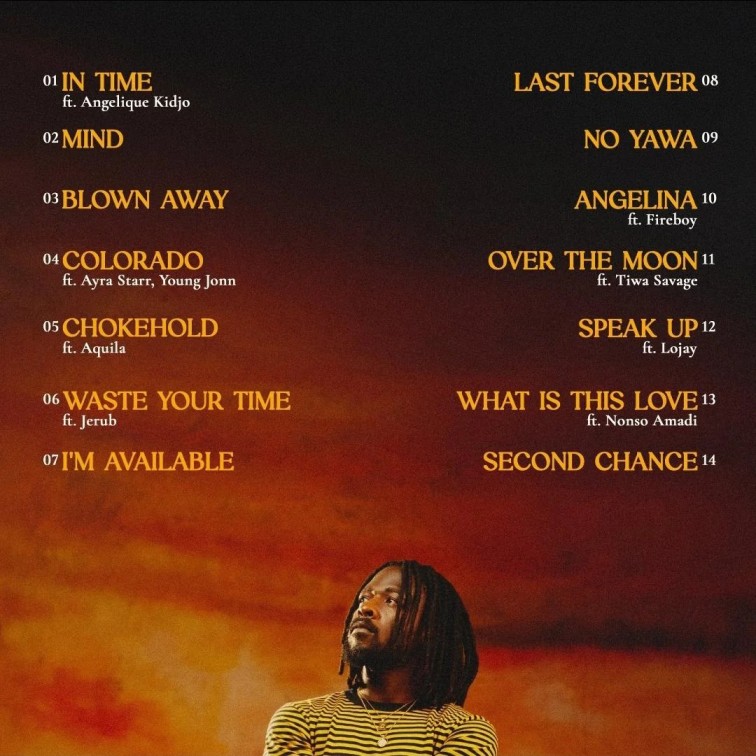
The featured artistes largely operate from the same playbook, selected because they share Johnny’s appreciation for strong singing, thoughtful writing, and emotional communication. Almost every guest enhances the song they appear on and contributes meaningfully to its intended mood and narrative.
The lone exception is perhaps the pairing of Ayra Starr and Young Jonn on “Colorado”, where the star power and vocal quality remain undeniable, but the overall contribution feels slightly less cohesive with Johnny’s intentions than the album’s other collaborations.
Holding everything together is strong engineering that consistently supports the mood, performances, and sonic character of the project. The mixes are warm, inviting, and easy to live inside, allowing the album to function as a cohesive journey rather than a collection of disconnected songs.
Looking at Johnny Drille’s trajectory, it is difficult not to appreciate how far he has come since signing to Mavin Records. At the time, it seemed an unusual fit. Johnny’s style was so distinctive and so different from what many associated with the label that questions naturally emerged about how he would fit into that ecosystem.
Yet in hindsight, the partnership appears to have been enormously beneficial. Access to new influences, collaborators, resources, and creative opportunities has not diluted his artistry but expanded it. Before The Morning Light may lean more commercial than some of his earlier work, with only a handful of songs functioning as traditional Johnny Drille ballads, but it never feels like an artiste abandoning himself in pursuit of accessibility. If anything, it feels like an artiste discovering new avenues through which to express the things that have always mattered to him.
The result is a project that showcases growth without compromise, experimentation without confusion, and an artiste whose creative horizons continue to widen. If this is where Johnny Drille stands today, then the prospect of where he might go next is genuinely exciting.
Lyricism – 1.6
Tracklisting – 1.4
Sound Engineering – 1.7
Vocalisation – 1.7
Listening Experience – 1.7
Rating – 8.1/10
Yinoluwa “Yinoluu” Olowofoyeku is a multi-disciplinary artist and creative who finds expression in various media. His music can be found across all platforms and he welcomes interaction on his social media @Yinoluu.