

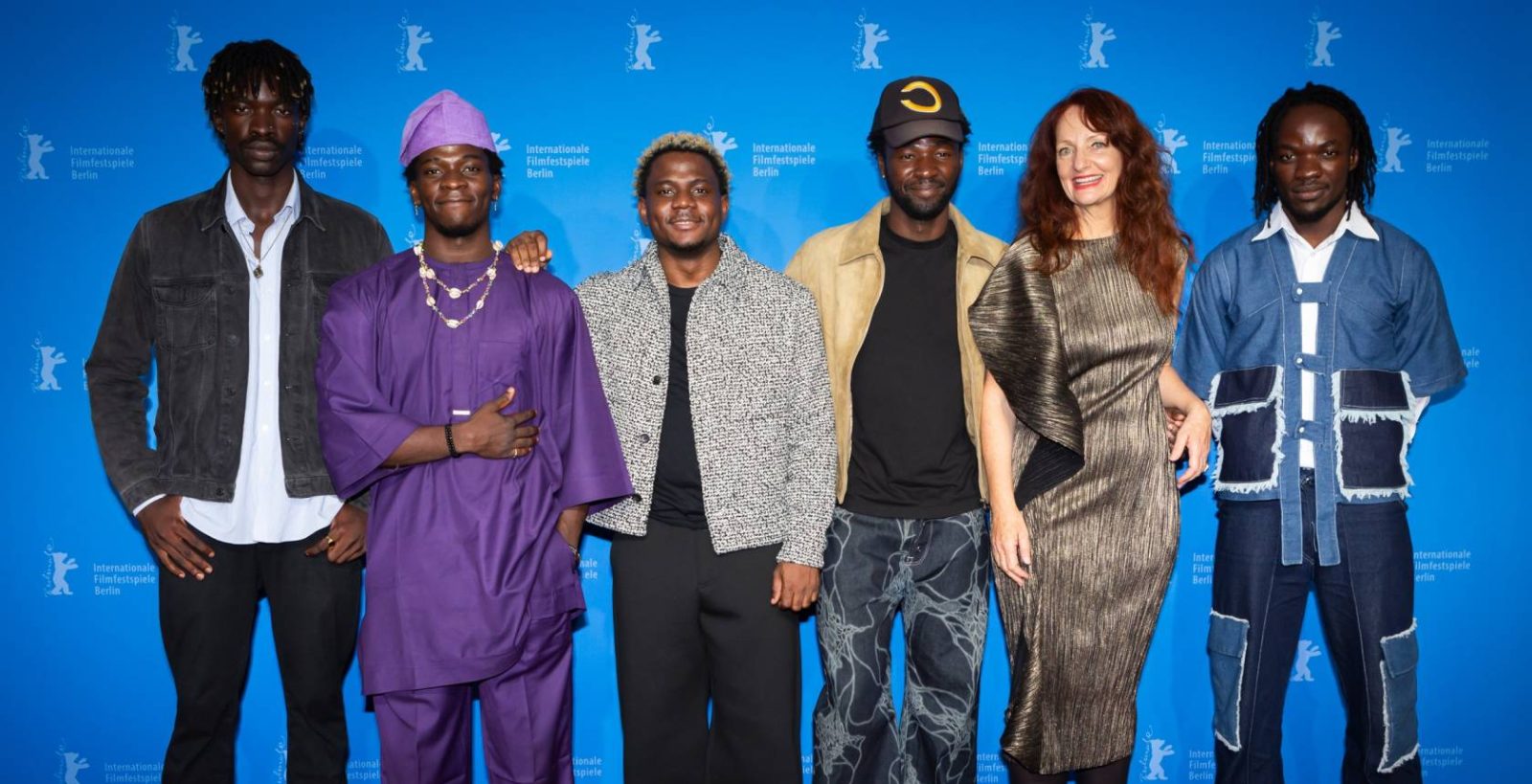

“‘Twenty children playing in the same place will not play in the same place for twenty years.’ Ever since the moment that we started The Critics, that’s one thing that we have been trying to prove wrong.” — Raymond Yusuff
By Vivian Nneka Nwajiaku
If there is still a case to be made for documenting one’s own life, Crocodile makes it. Premiering in 2026 after more than a decade of filming that began in 2012, the documentary follows The Critics, a young Nigerian filmmaking collective from Kaduna, Northern Nigeria.
Led by five brothers and cousins, Raymond Yusuff, Godwin Josiah, Ronald Yusuff, Richard Yusuff, and Victor Josiah, The Critics have earned international recognition for the ambitious, micro-budget, DIY sci-fi and action films which they started making as children in Kaduna, nicknamed Crocodile City. Their documentary, Crocodile, captures these dedicated young talents across thirteen years, situating them within a range of contexts, from deeply personal moments to a broader picture of life in Kaduna and Nigeria.
The Nigeria-New Zealand co-production is co-directed by The Critics themselves alongside Pietra Brettkelly, a Sundance award-winning documentary filmmaker and Arts Laureate of New Zealand. It had its world premiere at the 2026 Berlin International Film Festival before winning the Chopin’s Nose Award for the best film about music and art at the Docs Against Gravity Festival in Poland, the Youth Jury Award at the Sheffield Documentary Festival, and Best Film in the Viewpoints section at the recently concluded Tribeca Festival. Next month, it will screen at the Open Doors Screenings section of the Locarno Film Festival.
A documentary about filmmaking, Crocodile tracks the evolution of the filmmaking career of The Critics, reflecting the changes in their organisation, their resources, and the quality of their work. But Crocodile is as much a coming-of-age documentary as it is a documentary about filmmaking, perhaps even more so. It plays like a collage of videos of The Critics growing up full of dreams and experiencing the joys of youth and creativity, but also living and filming within a system that is politically and culturally restrictive.
As with many coming-of-age films, Crocodile often sneaks up on you, sometimes plunging you into the harsh societal realities that surround young Nigerians—from the traumatic conclusion of the 2020 #EndSARS protests to disturbing cultural responses to sexual abuse—but more frequently pulling you into the unbridled hopefulness of youthful aspirations. And ultimately, the documentary turns out to be a sentimental tale about children growing up with the same dreams only to grow apart to pursue different paths.
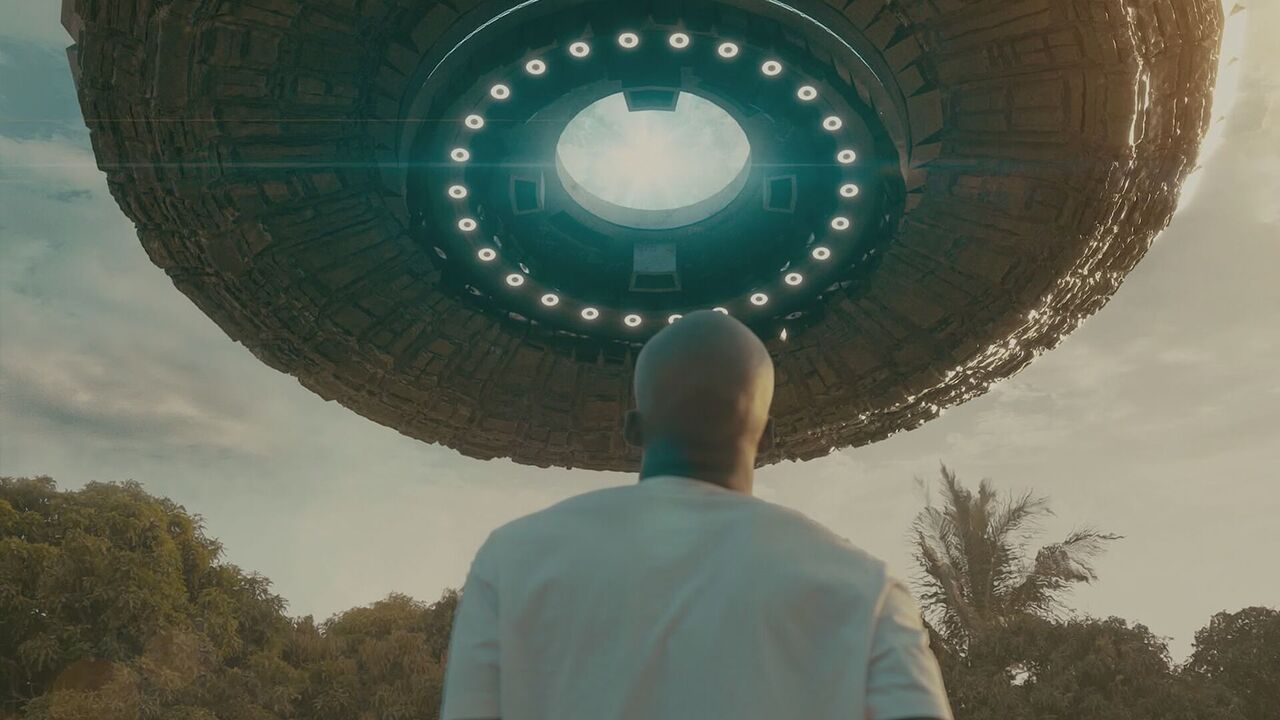
The vulnerabilities of growing apart are particularly captured through the frictions that emerge as Godwin Josiah begins to focus on a music career. He has since established himself as “Godwin” in the Nigerian music scene, signing with Sony Music’s Columbia Records in 2024 and building an international following. Yet, as a founding member of The Critics and a key stakeholder in the collective’s dream, his musical ambition raises delicate questions that strike at the heart of Crocodile and the collective itself.
In this exclusive interview with Afrocritik, Raymond Yusuff and Pietra Brettkelly discuss the making of Crocodile, creating under constraints, misconceptions about Nigerian filmmaking, and The Critics’ plans for the future.
*This interview has been edited for length and style.
Congratulations on screening Crocodile, first at the Berlinale and now at Tribeca. These are some of the biggest film stages globally, and even for you, Pietra, who’s familiar with such stages, it must still be a big deal. How do you both feel about it?
Yusuff: I feel very excited about it. I think at the core of it is [that] we are grateful to be able to show this film on these stages, in all these places around the world. It’s unexpected and can be very surreal at times. But it’s also a very interesting experience to see and to get a look into how the world of film works outside of Nigeria.
Brettkelly: Oh, it was fantastic. But of course, the whole time, I felt such sadness and anger that The Critics weren’t there (at Tribeca) with me, because of the restrictions on visas for Nigerians in America. But it was wonderful because the New York audience is very smart and has many opportunities to explore creativity and art. And so, to have people in the room appreciate the film is really a beautiful thing.
And then to win that award was just wonderful, really. I didn’t realise that we were winning our section, which was really exciting because it’s a section of drama and documentary. And my whole career has been about documentary being recognised as film. In the past, it was sort of this educational tool; you watch some documentaries at school to learn about geography or something. I do think that we (documentarians) approach storytelling with filmic ideas and tools. And so, that for me was really special that it won that section.
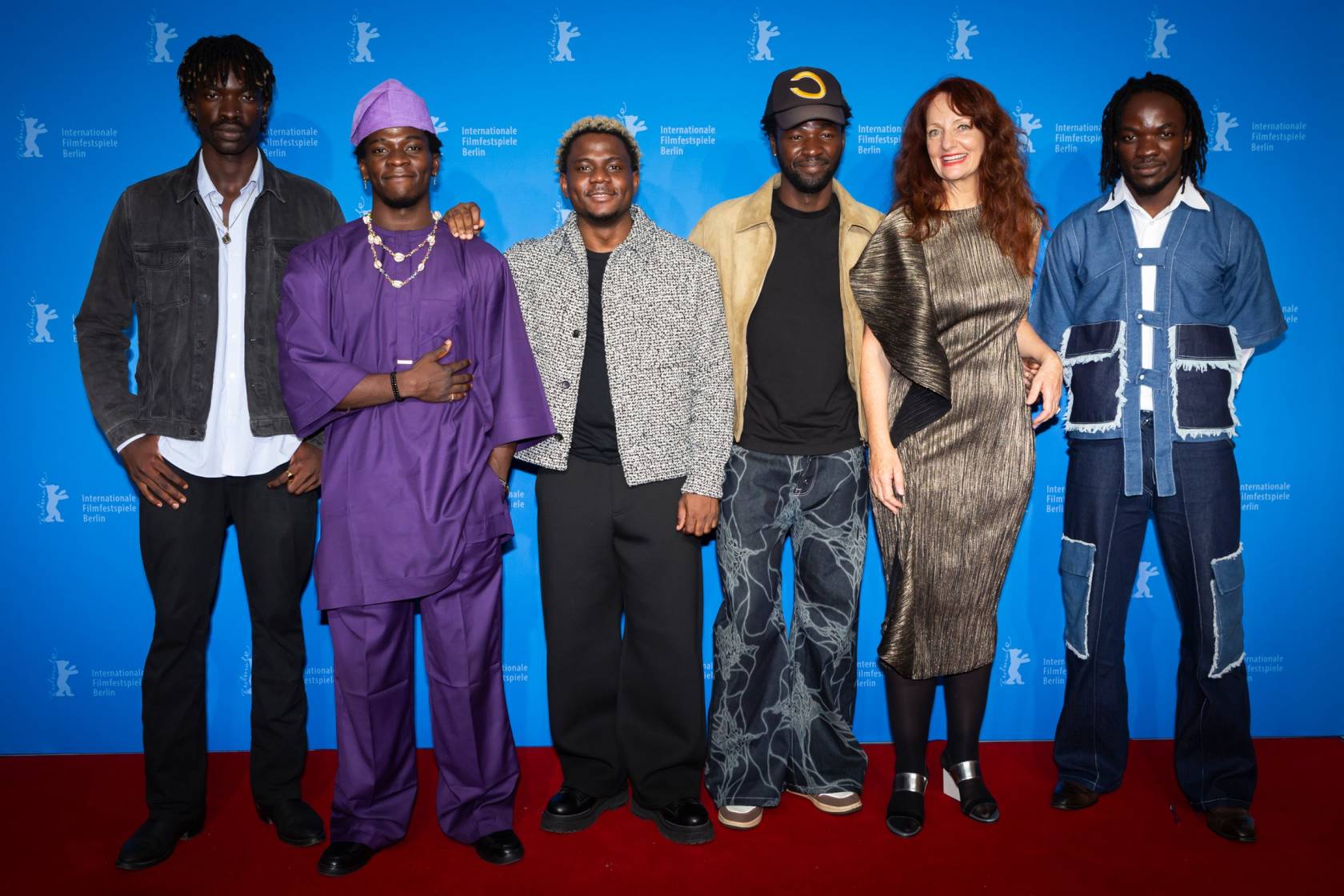
We see thirteen years of your filmmaking journey in Crocodile, but we never actually see the origin story. Raymond, what inspired you as brothers and cousins to come together to make films, and why were sci-fi and action films the genres that captured your imagination?
Yusuff: I think that every child across the world starts by reenacting the scenes that you watch in films, specifically Hollywood films. For us, I think that we were just lucky and privileged to be able to take it a step further, and that involved filming our reenactments. I wish that we had the knowledge of keeping and preserving the footage from when we started. But I remember when we would film on this very small phone, we would film, watch it, and delete it right after so that we could film the next thing. So unfortunately, everything that we did in our early days has been lost to the void. But that was where it all started for us.
It was primarily us reenacting the films that we watched together. Because of cable that is prevalent in Nigerian homes, we watched similar things. So it meant that our influences were the same things, and we would try our best to reenact. Then that evolved into making comedy skits at some point, considering music, and eventually, we transitioned into short films. Our first film that we made wasn’t even a science fiction film. It was a gospel drama actually. And that gospel drama also never got to see the light of day.
Because we were always fascinated by Hollywood films, we started learning about visual effects and filmmaking. So that influenced our approach to film, where we started trying to make action films, superhero films, and science fiction films. It’s nice that we are in Nigeria, so making science fiction would be innovative.
From the very beginning, you started documenting. Did you have any sense then that the footage might one day become a film like Crocodile?
Yusuff: No, we did not think about that. I found out recently that in 2017, we announced that we were making a documentary about ourselves. And we had not met Pietra. That documentary was supposed to be very surface level, [with] talking heads. We introduced ourselves and said, my name is this and my name is that. Interestingly enough, an earlier cut of Crocodile used to have footage from that particular interview. So, we never thought that it would make up or become what it has become, the way that it has.
I think that’s how most of our career has been. A lot of unexpected things have happened to us. We’re just grateful for it.
Pietra, how did you come to know about The Critics and the documentary, and at what point did you get involved?
Brettkelly: Seven years ago, I was doing some research. I’ve been very active in the learning and the regeneration of our indigenous language here in New Zealand, Māori. I’m not Māori, but Māori is one of our three official languages in New Zealand. And it was a language that was dying, but there has been this resurgence and this push for it to be learned in schools, to honour this treaty that established our country so many years ago.
And so, I was doing some research into how other cultures or other languages are being revived and what are some of the tools that other people might be using? Because I’m [a first-generation New Zealander from English and Irish heritage, and my papa spoke Irish, but we don’t speak Irish. So we’ve lost that in our family. Anyway, I was doing some reading up on this and wondered what the difference between Africanfuturism and Afrofuturism is, and was just sort of going down that rabbit hole of research. And there was this little piece written about this group of young people in Kaduna, Nigeria.
With me, when I come upon an idea, I don’t try to overanalyse why I respond to it. I just act. So I thought, oh, this is really interesting. I spent the next three days trying to get a response from them, and they weren’t responding to me. But then after three days, Godwin eventually responded. And I said, look, I’ll come and meet you. And so, I flew over to meet them and their parents and caregivers.
It was after a few years that I was like, you’ve got all this older footage. So it’s been a process of trying to gather and find what they still have, because they lost a lot of footage over the years. But as you see in the film, there are some beautiful moments [of] them as young kids with this beautiful spark of creativity and fun and joy and experimentation. And it’s remarkable footage, I think. So yeah, I began with them seven years ago. And then the process grew and grew.
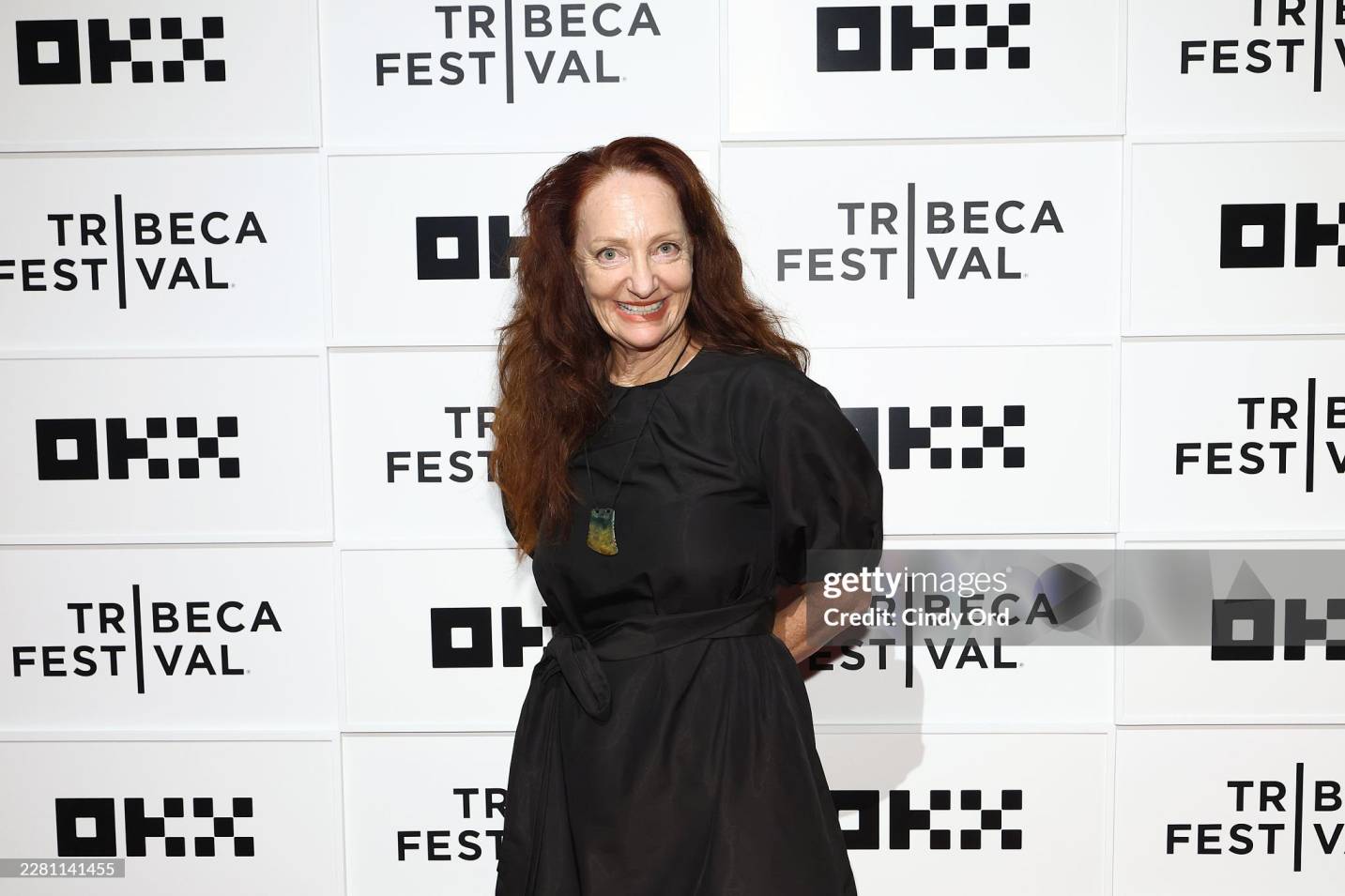
Crocodile is co-produced and co-directed by you all, and Pietra, you’re credited with writing as well. What did the process of collaborating look like, and how did you individually and jointly shape the narrative we see on the screen?
Brettkelly: My process has been changing since 2012, really, as I’ve been trying to understand what my position is as a documentary storyteller, because by the very nature of what I do, I’m a coloniser. I go in, and I capture stories, and I take stories. And I’ve been uncomfortable with this for some time. And so, I’ve been addressing how I make films since 2012. With The Critics, on that first meeting, I said, you know, we would have to address this white woman being here in this scenario, and what that looks like.
Yusuff: One thing that we knew was that it was going to be very difficult for us to be objective about the documentary. I also felt sad and narcissistic to say, “Oh, I’m making a documentary about myself.” Because she came in 2019—we all know what happened in 2020—it changed the way we were going to approach this documentary. The initial method was that some people would come and film us at different points in time. During Covid, we rewrote the rules, and it became us filming ourselves.
Brettkelly: Covid forced me to think much more quickly [about] how to make this collaboratively, how to honour them and their story. I was to go back (to Nigeria) in February, and then there was this infection, and so I didn’t go back. Then, I had a crew coming from Lagos for the next few months, and then the travel between states was stopped. And so, I was like, well, these are filmmakers themselves. So, let’s just see how this works, that they film their own story.
So, most Monday nights, my time, Monday morning, their time, we would Zoom or Skype or WhatsApp or whatever was possible. And they would tell me what they were going to do in the coming week. And then I’d write question lines and scenes and shots, just sort of gently trying to suggest documentary-style filming, as opposed to the drama [and] the sci-fi works that they were so familiar with. And that carried on for years.
And then, it became apparent that I didn’t need to be telling them what to do. They, of course, knew what to do. But we kept in contact all the time. It was agreed that I would do the post-production, so I edited for two and a half years. I was viewing footage all the time; the drives were coming to me in New Zealand. And I was writing what the possible story arc would be and how scenes might fit in and what was needed in the jigsaw puzzle.
I went back to Kaduna in late 2024 and showed them the cut at that stage. And we discussed what else was needed, where the film was going. They carried on filming, and I carried on editing. So, yeah, it was collaborative in that sense of an understanding of the story arc and where all these scenes fitted in.
Yusuff: Most of the footage of the documentary, apart from previous footage, were filmed by me and my brothers. Some of them were personal interviews. She would write questions to us that we would answer throughout the entire timeline in which the documentary was being produced. Because we knew that we could not be objective, we allowed her to take control over that process, the editing. It was us just trying to see what would come out from another person looking at our lives from the outside, and what their interpretation was going to be.
It must have been a vulnerable process. How did you all decide what parts of The Critics’ lives to share?
Yusuff: The filmmaking part was easy for us to share. The challenge comes with our personal lives. For the most part, we are very reclusive people. I think that maybe Crocodile might be the only thing that might dig deep into who we are as people to a certain level. It was very difficult for us to align some of the moments that we see in the film. But at the core of it, one thing that we had always hoped for the film to be was to serve as a pointer. Something that maybe other people could use as a form of reflection.
Brettkelly: And, you know, it was always an open discussion over if there was anything they didn’t want in the film. Of course, when the sexual abuse allegations came up, I said, we can stop now. We don’t have to carry on. And they said, well, we’ve decided we’d like to carry on. So, it was just about keeping conversations open, really, and moving forward and just hopefully keeping trust and authenticity at the centre of the film so that the Critics felt that they could talk to me about anything and that I felt I could talk to them as well. The most important thing is that it’s really humbling for me that when we stood on the stage at Berlin, that they stand by the film, they feel proud of it, and they feel it reflects their story.
The key storyline was Godwin and Raymond, and their friendship, and how creativity both tested their friendship, but also uplifted their friendship. And so, yeah, there were so many beautiful scenes, extraordinary stories that I could have followed, but I had to keep on asking, does this further the story of Raymond and Godwin? Does this further our understanding of the context of where they are and where they’ve come from, as in their community? And does this further our understanding of where they want to be going? I had to stay true to the storyline of creativity and friendship, in this coming-of-age format.
Yusuff: To pivot [to] an experience, when we were growing up, and the idea of The Critics started forming, one thing that we were concerned with was the quote that I think most Nigerians know, which is “Twenty children playing in the same place will not play in the same place for twenty years.” Ever since the moment that we started The Critics, that’s one thing that we have been trying to prove wrong. Now that we are adults and we are not children anymore, it’s getting more difficult day by day. And I never really agreed with it. I don’t think that I agree with it now. But I see why that quote holds a level of prevalence.
To be born in Nigeria and to be doing things in Nigeria as a group, you hear stories of so many groups. Everybody is always breaking up at a point. Sometimes it’s messy, sometimes it’s not messy. Sometimes, it’s just like we are in different places and we have to move on. The last group that broke my heart was Daft Punk. And it was also at a point where I was seeing the signs that felt like, oh, we might break up as well soon. And I did not like that.
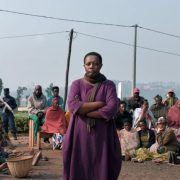

Why I’m saying this is that to be in Nigeria, to be making films in Kaduna as a group, as a filmmaking collective, it feels like you don’t have any point of reference or anything to look up to. Or to say, oh, I want to aspire to be this, or this is a good point of reference for what we are building. I don’t know of any, apart from the S16 collective, right? I can’t see any other collective that [has] the same experiences as we do, where you are starting [as] children and you are growing up with a certain goal.
So in a way, it’s new. And I’m also saying this for the personal things as well. I am just hoping that the documentary could be of help to other young people, specifically in our country and in other parts of Africa as well. It’s a way of us seeing each other. I think that that’s one of the things that we all hold on to when we think about some of the personal elements that are in the film.
Interesting you reference that saying about twenty children, because that exact quote was up next. Coming out of the film, it really does seem like twenty children cannot play in the same field for twenty years, particularly with Godwin pursuing music. How has that changed your dynamic and the kind of work that you want to do going forward?
Yusuff: Unfortunately, I’m too sentimental a person. I’m always holding on to what was. And I’m learning to accept that what was, was what was, and to also figure out what is and what will come. The thing about The Critics that I feel helps us is the fact that we are all family, and there is a shared goal and ideology, and that goal is still thriving. And the idea of that goal is for it to exist outside of just the five of us and our family, for other people to take that goal and run with it.
That sort of connects into the films that we want to make. Three years ago, we founded our production company called Clan Yujo. And Clan Yujo is focused on two things: filmmaking and film education. But the film education arm is very in-house. We have not started talking about it publicly; it’s just something that we are working on. And it ties into our goal of “for us to be able to make good films, we have to know how to make good films.”
We also know that five of us cannot take Clan Yujo to where it needs to be. So, we need to find other people who are like us, who share the same vision with us and are ready to commit on this lifetime journey. And I would say that the kind of films that we want to make, they are very rooted in dreams and reality. At certain times, they can be aspirational, and at certain points, they will be brutal truths. We hope that we are able to achieve it.
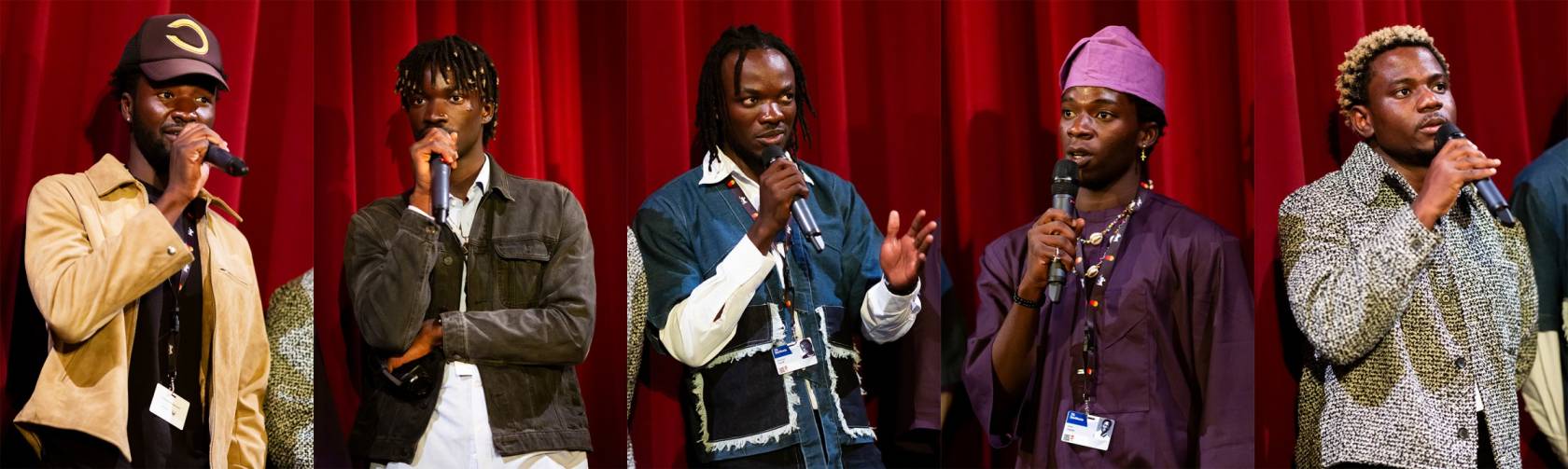
Piggybacking on that, as a Nigerian filmmaker and as an outsider looking in, what do you think is a common misconception that people have about filmmaking in Nigeria, and how do you think we can evolve and still be authentic?
Yusuff: I think the misconception is that we know how to present ourselves. And that’s even the Nigerian problem. Even when we are not anything, we feel that we are. I love that confidence. But you have to also remember that even if we are presenting ourselves in a certain way, we have to come to our corner and say, “Oh, to keep up with this image, here are the things that we can do.” But the only thing that we are doing now is keeping up with that image. We are not doing the things that we actually need to do to make that image much more believable. So the image is falling apart.
I would rather we talk to ourselves about the misconceptions that we have about ourselves, [but] I think that the misconception from the outside perspective [is] that we are incapable of quality. But I agree that there is some hope. What I pray for is that we don’t get tired of wanting better. I hope we can make the most of our “Gen Z” time.
Brettkelly: I think that change is happening with the outside perception towards Nigeria. It traditionally has been that there is Nollywood and nothing else. But now, we are seeing so many more exciting filmmakers and storytelling happening from Nigeria, and not just storytelling of filmmaking, but like music video, fashion, music itself.
You know, there’s always been literature. I mean, the Nigerian writers are extraordinary. But the genres that we are seeing internationally from Nigerian filmmakers is beyond Nollywood. So, definitely, people are starting to take notice of Nigerian storytellers and filmmakers, and to acknowledge that there is this really exciting version of your filmmakers telling all manner of stories in very different ways. And you also have such a huge market, potentially, this enormous young population. It’s an exciting corner of the world.
Considering the story of The Critics, what advice would you give to creatives who feel limited by a lack of resources or industry access?
Yusuff: Jokingly, I would say go and find a job. But optimistically, I would say, for industry access, I think that the industry is not the goal. The goal is the craft. If the craft is good, the industry will come and find you. And you have to be conscious of how you position the craft for the industry to find you. Now, is that good advice from somebody like me? I don’t think so. Because for us, we didn’t position ourselves. We didn’t know anything about marketing. We were just posting videos on the internet, and somehow the industry paid attention to us.
For resources, when we started making films, we were still living with our parents. It meant that we didn’t have to think about buying food or paying rent. Now that we are older, we have to find the balance [between] finding the resources and making what we want to make. This is one of the things that I’m grateful for Kaduna for. Kaduna gives us the freedom to grow and still pursue what we want to pursue. The other side is that it is making us broke, because there is no industry here. We are trying to make the industry here.
So, for resources, I am going to say that the one thing that I know has helped us over the years is the power of community. Community in the sense of our family members, our friends, our parents, even the way our faith is designed in itself. Some people have helped us in ways that they do not even know they’ve helped us. Just the fact that they existed in our life pushed us a step further. So, if you don’t have the money, what you have or what you can get is community.
Brettkelly: I also think that, as The Critics have shown, we’re in a period of the democratisation of storytelling. What advice I’d give is to not wonder about what you haven’t got, but wonder at what you do have. And look at that and be inventive.
I’m not one for a lot of tools and a lot of lenses and a lot of people. That’s not my way of storytelling. I think if you hone down to a few things, like even if you’ve just got one phone with a camera, you are then just going very deeply into what you actually want to say. You’re very clear about what you want to say, what story you want to tell, what scenes you want to shoot, because perhaps your resources are limited, but your imaginations are not. Just keep going.
But it’s tough. I don’t want to minimise the struggles. They’re really tough. And for you to rise above that, it’s phenomenal. Don’t think limitations are the full stop. They’re not, at all.
Vivian Nneka Nwajiaku is a writer, film critic, TV lover, and occasional storyteller writing from Lagos. She has a master’s degree in law but spends most of her time watching, reading about and discussing films and TV shows. She’s particularly concerned about what art has to say about society’s relationship with women. Connect with her on X @Nneka_V