


By amplifying and aestheticising the lives of ordinary people in society, Crocodile becomes a model of art with a heart.
By Adedamola Jones Adedayo
In documentary filmmaking, stories about the creation of art reveal as much about society as they do about the craftsmen themselves. It counts for something when these kinds of documentaries reveal the process and letdowns experienced in the course of making films and charting a filmmaking career, especially in the incipient stage. It is also heartwarming that in between such behind-the-scenes revelations and struggles come profound insights about the dynamics of human relations, how the real society operates, and the vicissitudes of life.
Crocodile (2026), a Nigeria-New Zealand co-production, echoes these sentiments. The feature documentary is co-directed and co-produced by Nigerian filmmaking collective The Critics and New Zealand filmmaker Pietra Brettkelly, who is also credited as writer.
It follows the thirteen-year journey of The Critics as young filmmakers from Kaduna, Northern Nigeria. Crocodile subjects the collective to scrutiny inside out, baring both their personal and impersonal lives, exploring ambition, leadership, career, and associated challenges, including abuse and exploitation.
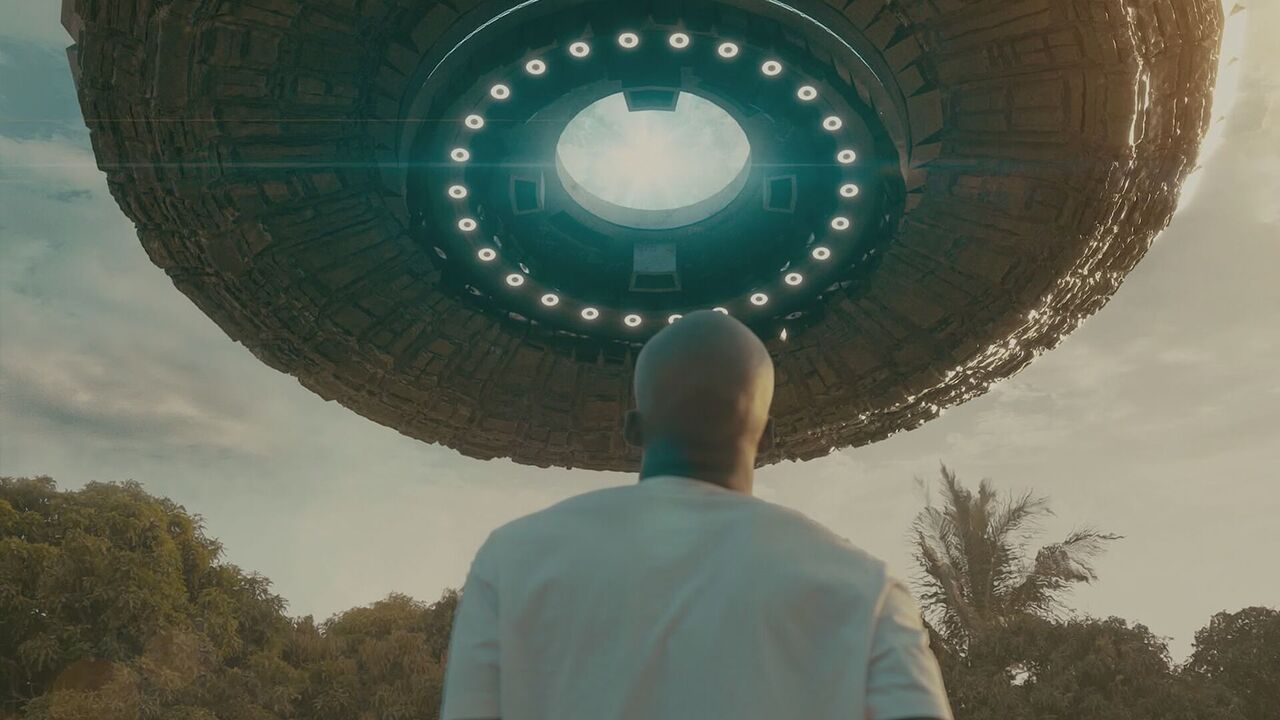
The title of the documentary derives from Kaduna, a city nicknamed “Crocodile City”. The name Kaduna is commonly believed to originate from Kadduna, the plural form of the Hausa word for “crocodile”, a reference to the large population of crocodiles that historically inhabited the Kaduna River. This title is a toast to the geographical foundation of the filmmaking collective, evoking a sense of connection between their growth process and the society that triggered it.
In many African cultures, the crocodile, being an apex predator, is a symbol of strength, patience and survival, features credited to the creature’s ambush-style hunting. Considering this, the documentary title becomes a metaphor for the resilience of the filmmaking collective against the odds.
A collective mainly composed of brothers and cousins Raymond Yusuff, Ronald Yusuff, Richard Yusuff, Godwin Josiah, and Victor Josiah, The Critics are known for creating independent, ambitious sci-fi and action film projects with low budgets, limited equipment, and do-it-yourself techniques. Goaded by their wild, futuristic imaginings, The Critics overcome environmental and creative constraints, making guerrilla-style films that have brought the group international recognition.
Crocodile had its world premiere at the 2026 Berlin International Film Festival, followed by a recent North American screening at Tribeca Festival where it won Best Film (Viewpoints)—its trajectory validating an appreciable writerly and production vision. The film unfolds through fluid, pacey shots and a close, observational standpoint that remains in tune with the subjects. While these qualities are consistent with aspects of co-director Brettkelly’s documentary style, they also reflect The Critics’ authentic and freewheeling presentation of themselves.
The collective had been documenting themselves before they became the subject of international gaze, which suggests that much of the film’s aesthetic and perspective emerged from the collective’s self-representation. As such, the immersive style of Crocodile appears to have emerged from multiple, synchronised ideas rather than a singular authorial lens.
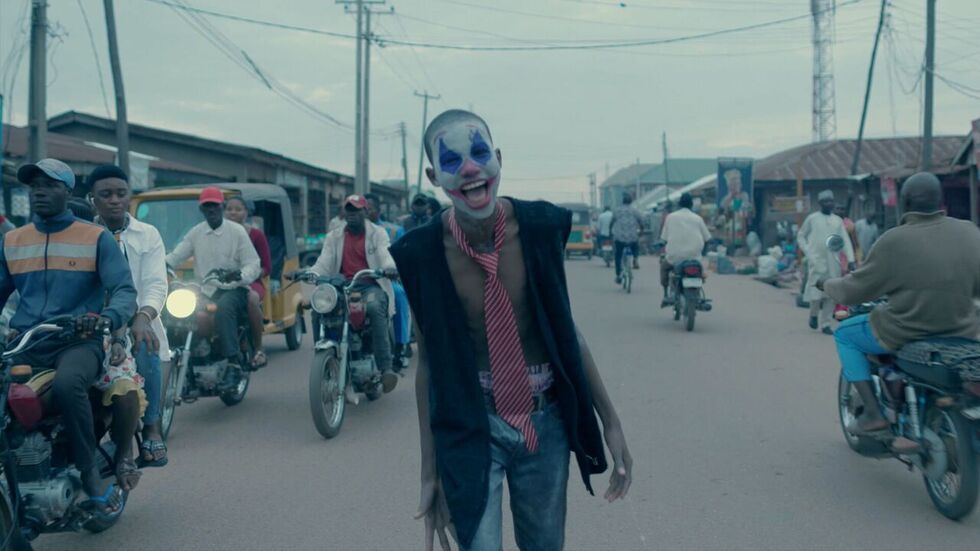
A coming-of-age documentary, the film unfolds with a staccato and jarring rhythm that lends it a distinctive electric energy and mirrors the artistic and emotional turbulence of the subjects. This seemingly fragmented structure is both a boon and a bane. Its unconventionality equips the narrative with a sense of chaotic novelty that simulates the randomness of everyday existence. Even when there are low-spirited moments, they do not linger for long, which helps to renew and rejig audience commitment. The problem, however, is that timelines are not always clearly defined, which means that the documentary can be a confusing watch for an audience keeping in mind a strictly logical sequence.
Veering away from being the traditional “behind-the-scenes” or “making of” documentary format, Crocodile has a narrative style that oscillates in its degree of authority, sometimes visualising events that directly matter to the Critics’ work, other times harnessing the mundane into moments of narrative significance. Instances of key filmmaking moments include scenes where they use hibiscus tea to simulate blood, refer to inspiration drawn from old Nollywood films, or edit their films on a laptop. Archival footage, including cuts from some of the collective’s films, is used intermittently, accompanied by narrative voiceovers that occasionally cast light on issues that constitute the film’s sociological background without much fanfare.
Brettkelly, a three-time Oscar-selected documentary filmmaker, Sundance award winner, and Academy member, is known for infusing political commentary and domestic drama in her works, noticeable in previous projects like A Flickering Truth (2015) and Yellow Is Forbidden (2018). This sensibility makes it to Crocodile, providing support while the subjects themselves take charge of their own narrative. The documentary briefly captures the Critics’ experiences with systemic failures, from insecurity and epileptic power supply to police brutality and the state-sanctioned violence that forced an end to the 2020 EndSARS protests.
Rather than positioning these systemic issues as subjects for extensive investigation, the documentary unveils them as part of the social backdrop against which the trials and triumphs of the protagonists unfold. Beyond these moments, the documentary also manages to hold together scenes of school and classroom activities, weightlifting and exercise sessions, commitment to domestic duties, conflict resolution meetings and gatherings, and other leisure endeavours, guaranteeing a holistic coverage.
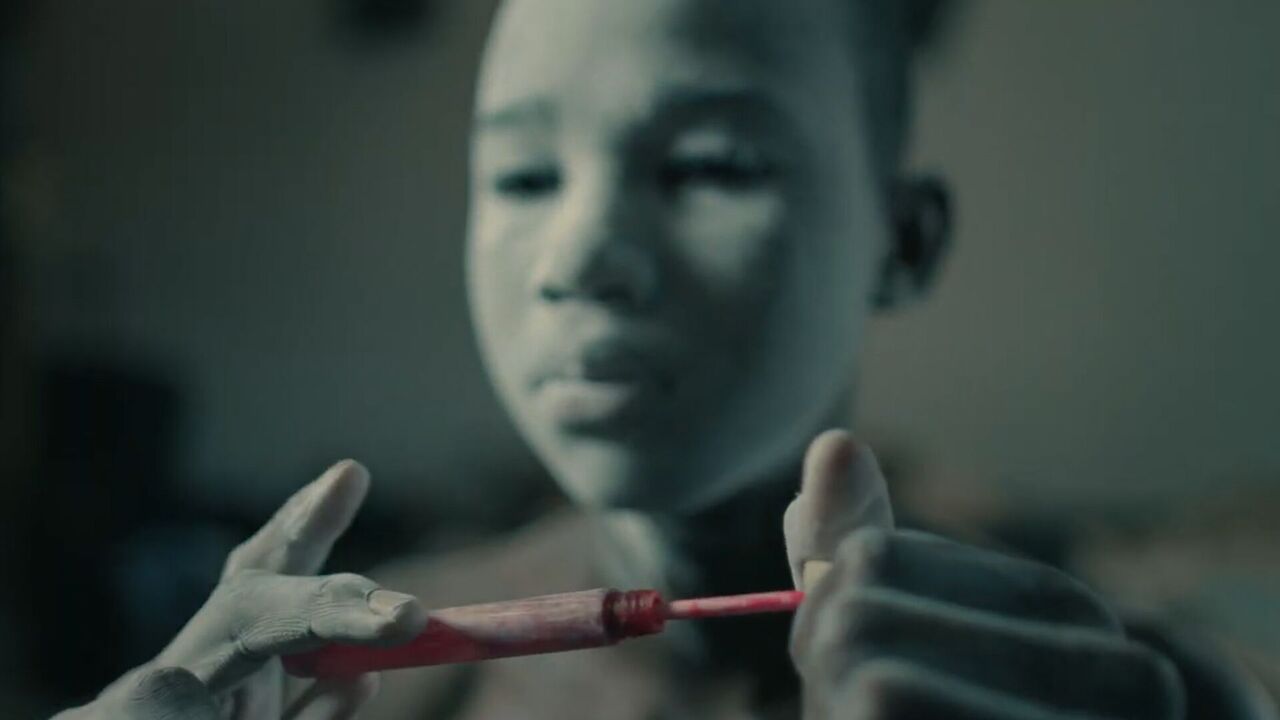
While there are conspicuous and commendable attempts to spotlight the effort behind the craft that earned their glowing international acclaim, the documentary falls short of dissecting and detailing the collective’s approach to specific works within their oeuvre. This could have involved focusing more closely on one or two standout projects, and incorporating substantive conversations and expert critiques on the precise cinematographic and editing techniques involved in their creation. Doing so would have added a layer of verisimilitude to the documentary. Instead, the documentary tries to be methodical without being sufficiently methodical.
But this does not take away the project’s overall artistic merit. By amplifying and aestheticising the lives of ordinary people in society, Crocodile becomes a model of art with a heart. It maintains a quaintly topsy-turvy but illuminating framework, impassioned and engaged in spirit, metacinema-esque in execution.
In its thematic engagement and style, Crocodile may be compared to two recent African projects: Neil Sandoz’s Open Your Eyes (2025), a Kenyan documentary about basketball as a source of empowerment to young people from an otherwise disenchanted, dispensable community; and Damien Hauser’s Memory of Princess Mumbi (2025), a Kenyan-Swiss mockumentary about Artificial Intelligence, filmmaking, and the human angle. Like Open Your Eyes, Crocodile offers hope to people living with systemic failure; and like Memory of Princess Mumbi, it muses over the architecture of experimental filmmaking itself.
Documentaries of this kind are a microcosmic depiction of the abundance of talent and passion in Africa, serving as a reminder of the numerous untold stories and hidden geniuses that are yet to be unearthed, nurtured, and marketed to wider audiences. Though it fleetingly engages with broader cultural and social contexts, Crocodile remains faithful to its own identity: a coming-of-age story with a matter-of-fact tone anchored in an uncompromising, freewheeling narrative structure.
Rating: 3.8/5
Adedamola Jones Adedayo is a film journalist and critic with a special interest in African cinema. Through writing and audiovisual mediums, he creates conversations around cinema in Africa and the Diaspora. You can find him on Instagram @jonesthegoodboy and on X as AdedamolaAdeda4.