

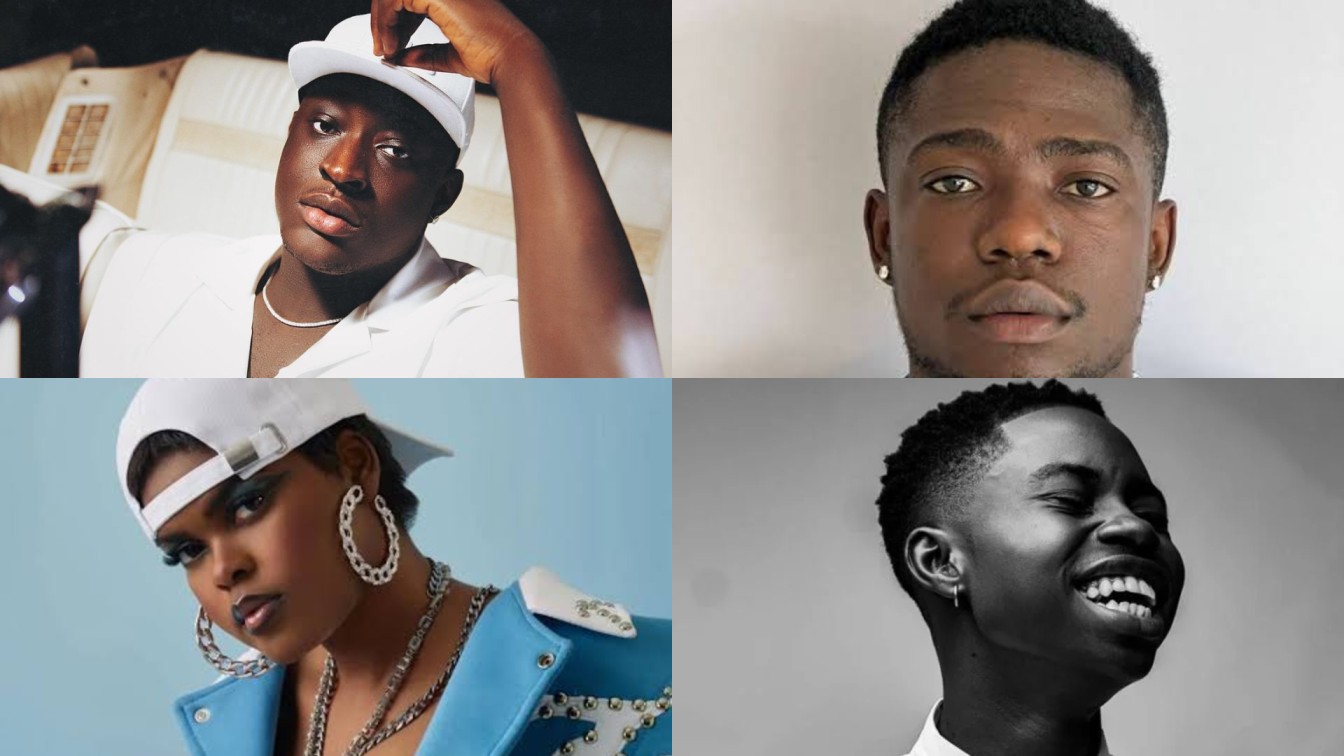

Criticisms of livestreaming will never go away, but more and more people will likely embrace streaming as a veritable form of digital entertainment the more it embeds itself in Nigerian culture, the more it shapes popular culture and impacts industries within the Nigerian creative economy…
By Michael Aromolaran
At some point during Carter Efe’s stream with Afrobeats artiste Davido, the streamer got into fisticuffs with another streamer, Rynenzo. The image of the two young men, outfitted in boxing gloves and duelling in jest while egged on by a room full of weed-puffing and liquor-sipping men, fit with the night’s theme—a three-hour romp featuring spontaneous dancing, bouts of physical comedy, and the occasional off-kilter joke. (In a fit of fanboying, one fellow, for instance, would joke about wanting Davido’s urine as a souvenir.)
The stream, which was hosted on Twitch and took place in December 2025, would become Carter Efe’s greatest achievement as a streamer, a glorious nightcap to a year during which many of his videos went viral online. This stream had about 80,000 concurrent viewers, and by the end of it, Carter Efe had gained about 140,000 new Twitch followers, bringing his total tally to about 400,000 followers, making him the most followed African on the Amazon-owned platform. Viewers may have learned very little about Davido’s life and artistry, as he was frequently interrupted by Carter Efe, who cut in ad nauseam to either show gratitude for a new subscription or to yell “Ws in the chat,” a frequent command he gives to viewers that highlights the interactivity of the livestreaming form. But what was hard to miss, even amid the furore and thick clouds of weed smoke, was the impact that livestreaming has had on Nigerian culture.
Carter Efe, whose birth name is Oderhohwo Joseph Efe, is a part of a small but growing group of Nigerian streamers that includes Rynenzo, Shank Comics, Peller, Ojo and Lord Lamba—digital creators who earn a living by livestreaming content to audiences using platforms such as Twitch, Kick, Rumble, YouTube and TikTok. They, in turn, are a part of and have been influenced by a broader group of in-real-life (IRL) streamers from across the world, including Spain’s Ibai Llanos, Morocco’s Ilyas El Maliki, and America’s Kai Cenat, Fanum, Duke Dennis, Adin Ross and IShowSpeed. When IShowSpeed, for instance, visited Lagos in January as part of his inaugural Africa tour—an event that not only confirmed the appetite of young Nigerians for foreign streamers, but also generated conversations around a range of topics, from Lagos’ tourism infrastructure to ethnic bigotry and Nigeria’s “begging culture”—Carter Efe admitted to being influenced by the 21-year-old.
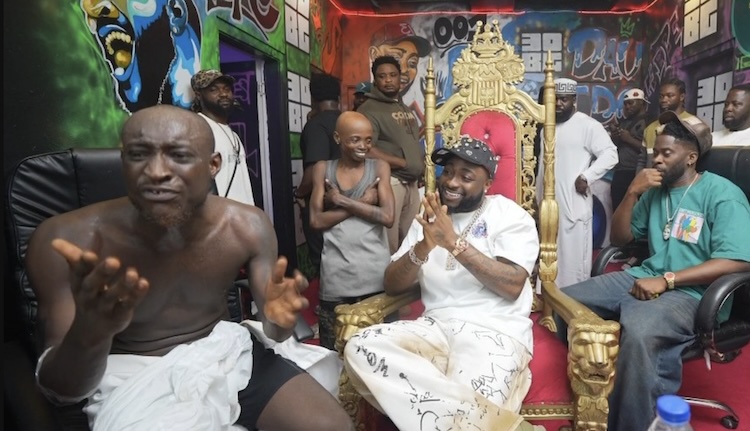
Streamers, who are mostly Gen Z Nigerians, have combined the force of personality with youth, humour and shock value to cultivate a large following of mostly young Nigerians, a laudable feat in a country whose high data costs and flaky internet connectivity make livestreaming the proverbial stretch of land that even angels fear to tread. A home studio set on fire, episodes of slapstick violence, streamers disguising themselves as elderly taxi drivers and interacting with the unsuspecting public: these are common features in a livestream, as demonstrated in a recent stream by Carter Efe and Peller, who destroyed each other’s cars seemingly for sport—one of many collaborations between streamers that show how much livestreaming has been organised into an industry since first taking its current shape around 2020.
Even Nigerians who have just encountered livestreaming will not find it entirely strange. A big part of the form’s appeal comes from the fact that audiences can watch streamers in their natural element, reacting to situations in real time sans prefabricated script. But this kind of unscripted disposition is familiar to Nigerians raised on reality TV shows such as Big Brother Naija and Gulder Ultimate Search. The real-time commentary by streamers recalls sports broadcasting, bringing to mind broadcasters such as Ernest Okonkwo and Emeka Odikpo. The humour, music, interviews, live reactions, and guest appearances carry echoes of game shows and variety shows. And the relationship between streamers and audiences mirrors the parasocial bonding observed between talk radio hosts and their audiences.
What sets off livestreaming from these other forms is that it is a one-person show. While variety shows, for instance, require multiple hands on deck, the roles of host, producer and network are collapsed into one person—the streamer. More importantly, livestreaming is differentiated through direct audience interaction, particularly through its live chat feature that not only allows streamers to pose questions to audiences, but also allows audiences to dictate the flow of events on the screen. Talk radio hosts also interact directly with audiences through phone calls, but it is nothing compared to the live chat feature that makes thousands of comments readily available to streamers.
Livestreamed content, in the style of contemporary IRL streams, has existed since the mid-2000s. Creators, with webcams mounted to baseball caps, or with cameras feeding into compact laptops in backpacks, livestreamed their daily lives. One such creator was the American Justin Kan, who, in 2011, co-founded Twitch with fellow American Emmett Shear to provide a platform for video game livestreaming. The early years of livestreaming, on Twitch and elsewhere, would be dominated by competitive gaming, thus contributing to its association with nerd culture. The era also saw little monetisation, as livestreaming was largely a hobbyist’s pastime.
Technological and cultural changes from the mid-2010s through to 2020 would take livestreaming from the fringes and make it a central part of American digital culture. Bulky webcams were replaced by smartphones that not only removed the need for technical expertise but also made it easy to broadcast from anywhere. The rollout of 4G and 5G, and high-speed home fibre, eliminated the lag that bedevilled livestreams in the mid-2000s.
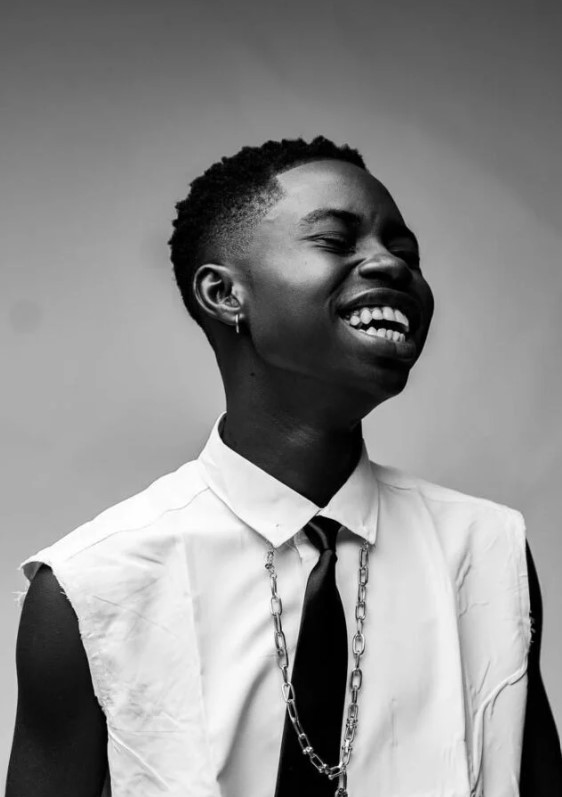
By the late 2010s, streaming started to move away from its gaming core and become the personality-driven shows it is now best known for. Collaborations with pop culture icons, from athletes to music stars, would also help streaming shed its nerd tag and become cool. In 2018, for instance, Canadian rapper Drake joined American streamer Ninja on a Twitch stream to play Fortnite, an event that was also graced by American rapper Travis Scott. The launching of streaming platforms, which introduced monetisation through subscriptions and donations, helped turn streaming into a full-time career for many young people. By 2020, livestreaming had moved beyond the bedrooms of creators and had become productions with the budgets of small Hollywood movies, such as IShowSpeed’s Africa tour and Kai Cenat’s “7 Days in Prison” stream.
The early days of livestreaming in Nigeria, in the early 2010s, were also defined by competitive gaming, but the expensive gadgets needed to participate made it the preserve of a small group of upper-middle-class Nigerians. The country’s relatively low internet penetration, poor internet connectivity and high data costs put streamers at the mercy of the buffer wheel and high latency, making livestreaming develop at a much slower pace than, say, in the United States. But over the years, with internet connection improving, low-cost smartphones becoming more available, and data costs becoming relatively more affordable, livestreaming would begin to take form. The COVID-19 lockdown in 2020, which opened the eyes of many Nigerians to previously untapped digital possibilities, would also drive many young Nigerians toward livestreaming, as they saw in it a viable and reliable source of income in a country where, as at the second quarter of 2020, the unemployment rate was 27%, according to the National Bureau of Statistics. The introduction of social media features such as Instagram Reels, as well as features on streaming platforms that allow the sharing of short clips from longer streams, would also help make streamers digitally ubiquitous.
The growth of streaming also owes a debt to strategic associations with established cultural institutions, particularly Afrobeats, much like how American creators collaborated with music icons, and IShowSpeed engaged with football culture in cultivating an audience. It also helped that a handful of Nigerian creators began livestreaming only after building a large audience in a different industry, thus kicking off their streaming careers with an established support system. Carter Efe and Shank Comics, for instance, were accomplished skitmakers before pivoting to livestreaming. And Cruel Santino’s “Subaru World” stream on Twitch benefits from his career as one of Nigeria’s most successful alternative artistes.
In the last three years, livestreaming has made significant forays into Nigerian mainstream culture. Creators have become celebrities in their own rights and gained legitimacy through endorsement deals from important brands: Shank Comics, for instance, has collaborated with Nike, and during his Davido stream, Carter Efe secured a deal with Martell, the cognac brand. More importantly, streamers have influenced popular culture, not the least in lexicon: it has become increasingly common, for instance, to hear non-streamers use streamer lingo like “Ws in the chat.” But livestreaming would achieve unprecedented levels of success in 2025, a year during which many streaming clips went viral across social media platforms. Conversations were had, for instance, over clips of Peller’s apparent suicide attempt and of Carter Efe’s slapstick banter with Kolu, a frequent collaborator who plays Judy to Carter Efe’s Punch. The year also featured many significant collaborations between streamers and Afrobeats acts, including Shank Comics’ stream with rapper Olamide. Incursions made by streamers during the year helped introduce more Nigerians to livestreaming content, claiming significant ground for the form in an attention economy that’s constantly in a flux, and establishing it as a sustainable form of digital entertainment.
Days after Carter Efe’s stream with Davido, the streamer was temporarily suspended from Twitch, supposedly for violating the platform’s guidelines, a mood-dampener that underscored the fragility of the position of streamers. It became clear that their success hinges on the continued success of whichever platform they choose to hawk their wares. But Nigerian streamers also contend with the challenge of inconsistent electricity, high data costs, and poor internet connectivity that limits both their reach and performance—challenges that have also affected the performance of streaming platforms such as Netflix and Showmax. Significant portions of Shank Comics’ stream with Olamide, for instance, were affected by poor internet connection.
The relatively low amount of money that Nigerian audiences pay in subscriptions also means that Nigerian creators earn considerably less than, say, their American counterparts. And when an X user illegally broadcast Carter Efe’s stream with Davido and got over 400,000 views, it became clear that creators also face the risk of intellectual property theft.
But all these perhaps pale in comparison to the direct opposition that streamers face from a significant part of the Nigerian public. Many Nigerians do not see any value in livestreaming, viewing livestreamed content, particularly those of the extreme variety, as degenerate fruits of an internet culture that encourages and rewards virality, however it is attained. Among thousands of flattering laugh-out-loud emojis in the comment sections of viral streaming clips, one will likely find a person asking, “How do people even enjoy this?”
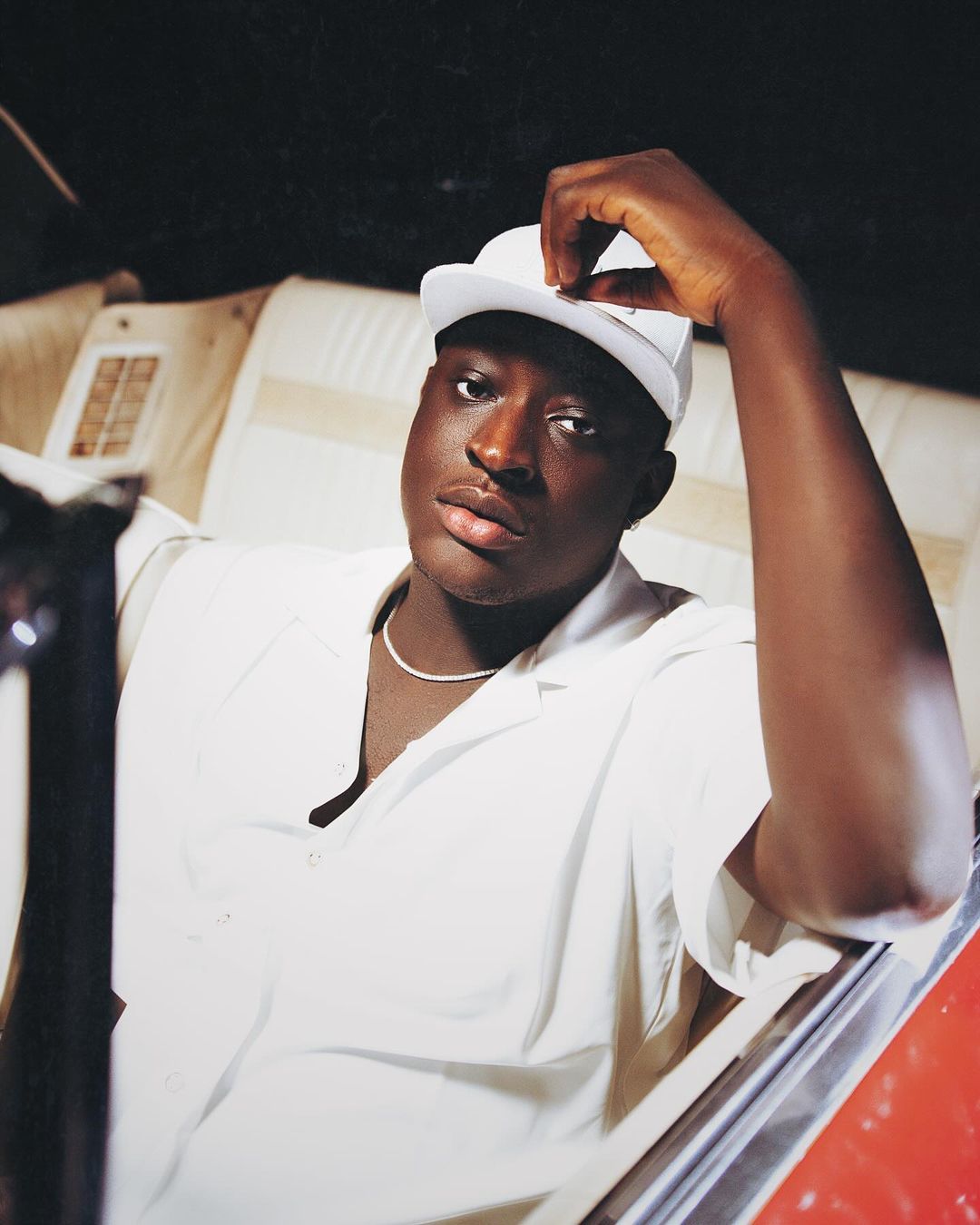
A version of this question was asked by Nollywood actor Ini Edo, who, during a stream with Carter Efe last December to promote her movie A Very Dirty Christmas, confessed to having been initially put off by his streams. The negative attitude many Nigerians have toward livestreaming perhaps explains why, despite the form driving public discourse in 2025, not one streamer featured in end-of-year culture shapers lists by important publications, such as the one published by Zikoko.

A bulk of the criticisms seem to be driven by classism, such as the comments asking why a high-profile figure like Davido would associate himself with characters like Carter Efe. But many of the criticisms, particularly those calling out the excesses of streamers, carry a valid logic that even creators may find use for. The road-rage-fuelled vehicular onslaught by Carter Efe and Peller, for instance, generated widespread disapproval, even among fans. The public dissent likely stemmed from the fact that wilfully destroying expensive cars feels like the action of a bored, debauched elite and departs radically from the working-class solidarity that both streamers have leaned on in building their audiences. (Both streamers, for instance, famously take pride in and derive humour from their basilectal Nigerian English). But the public condemnation also sent a message to streamers, showing them that even Nigerians with a vast appetite for excess can only take so much.
Criticisms of livestreaming will never go away, but more and more people will likely embrace streaming as a veritable form of digital entertainment the more it embeds itself in Nigerian culture, the more it shapes popular culture and impacts industries within the Nigerian creative economy, and even beyond it. Ini Edo’s appearance on Carter Efe’s stream despite her initial reservation, for instance, suggests the kind of unlikely alliances that streamers will forge if they can continue to command a large audience. It’s too early to say if Nollywood will shadow Afrobeats by investing significantly in livestreaming as a marketing outlet, given how much that declining earning power in the country has contributed to depleting cinema attendance. But Ini Edo’s and IK Ogbonna’s promotion of their movie on Carter Efe’s stream points to a direction that Nollywood players might take to not just drive up box office sales but also engage intimately with movie fans.
It is expected that the partnership forged between creators and Afrobeats will deepen, with artistes, record labels, and music executives possibly launching streaming channels as a way to connect with fans but also as an additional source of revenue. During his stream with Carter Efe, Davido, for instance, alluded to investing in livestreaming. Other artistes have also expressed both surprise and curiosity after learning how much money top streamers earn, suggesting potential future investments.
The economic value of streaming will also drive more young Nigerians to set up ring lights and perform in front of cameras in the years to come. As Nigeria’s internet connectivity grows, streamers can also expect to create in more conducive environments and reach more audiences. Though broadband expansion in Nigeria is still short of the 70% target set under the National Broadband Plan 2020-2025, it crossed the 50% mark for the first time ever in November 2025, representing the kind of technological advancement that can positively impact livestreaming in the long run. Government initiatives, such as Project Bridge, an initiative launched by the Federal Ministry of Communications in August 2025 that aims to deploy 90,000 kilometres of fibre optic cables nationwide, also hold promise for creating a better digital environment for livestreaming to reach newer heights.
Advances made by livestreaming will likely impact several other industries, and in some cases, have already done so, from edu-tech to traditional media to e-commerce, with traders using livestream as a means of building trust among potential customers. Not only has the success of livestreaming caused Nigerians to rely even less on traditional media, but traditional media outlets may also choose to incorporate livestreaming into their programming, such as in the mid-2010s when media organisations used the now-defunct Twitter-owned Periscope to livestream content. It’s also not far-fetched to imagine that the revenue-sharing disparity affecting Nigerian streamers, in relation to their foreign counterparts, may inspire the creation of homegrown streaming platforms promising better pay.
As his stream with Carter Efe drew to an end, Davido praised the streamer’s consistency and hard work in building his Twitch platform. He also advised the streamer to avoid negativity, seemingly alluding to the creator’s rivalry with Shank Comics and Peller. As the artiste waxed philosophical, a new subscription came in, one of many on a night where Carter Efe would gain about 28,000 new subscribers. The streamer could barely contain his excitement, yelling “Ws in the chat,” cutting into Davido’s words. The artiste smiled with avuncular understanding. The men in the room, fully loosened by weed and drink, shuffled about. Music played in the room, an old Davido song. The men broke into a dance.
*This essay, among other cultural essays, is published in The Afrocritik Report 2025. Download the report here.
Michael Aromolaran is a writer and journalist writing about religion and popular culture. A former sub-editor at The Culture Custodian, his works are in the National Catholic Reporter, Open Country Mag and OkayAfrica.