

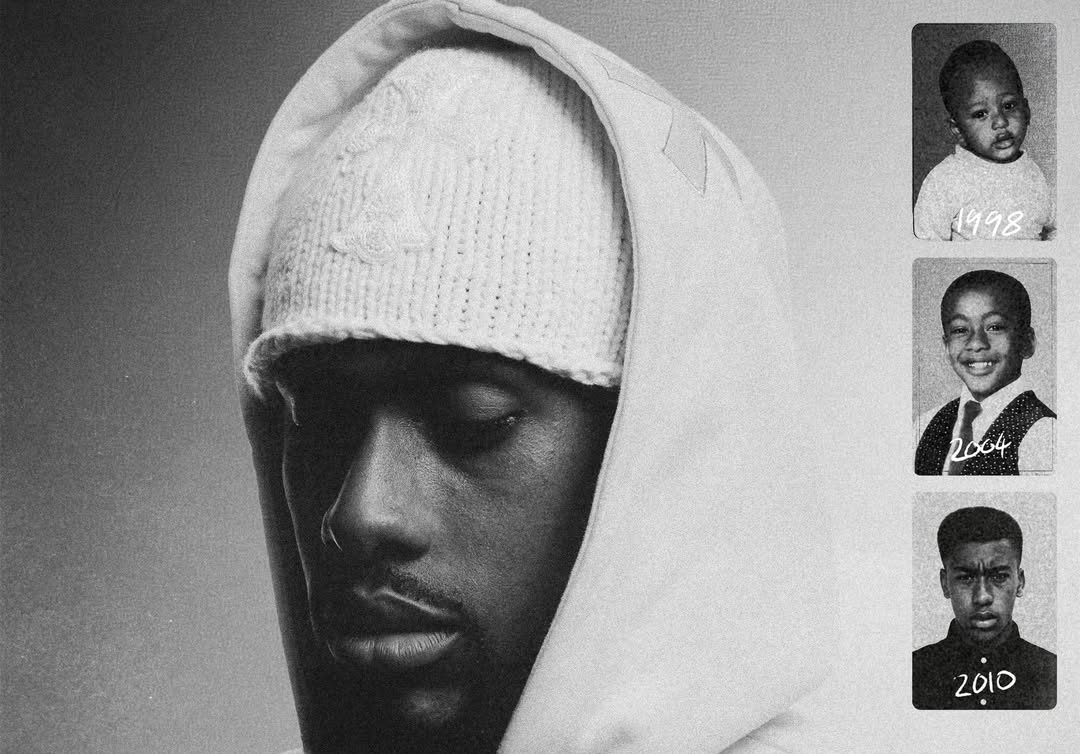

More To Life ultimately reveals itself as a deeply personal exercise in self-definition, a project that exists as much outside of music as it does within it.
By Yinoluwa Olowofoyeku
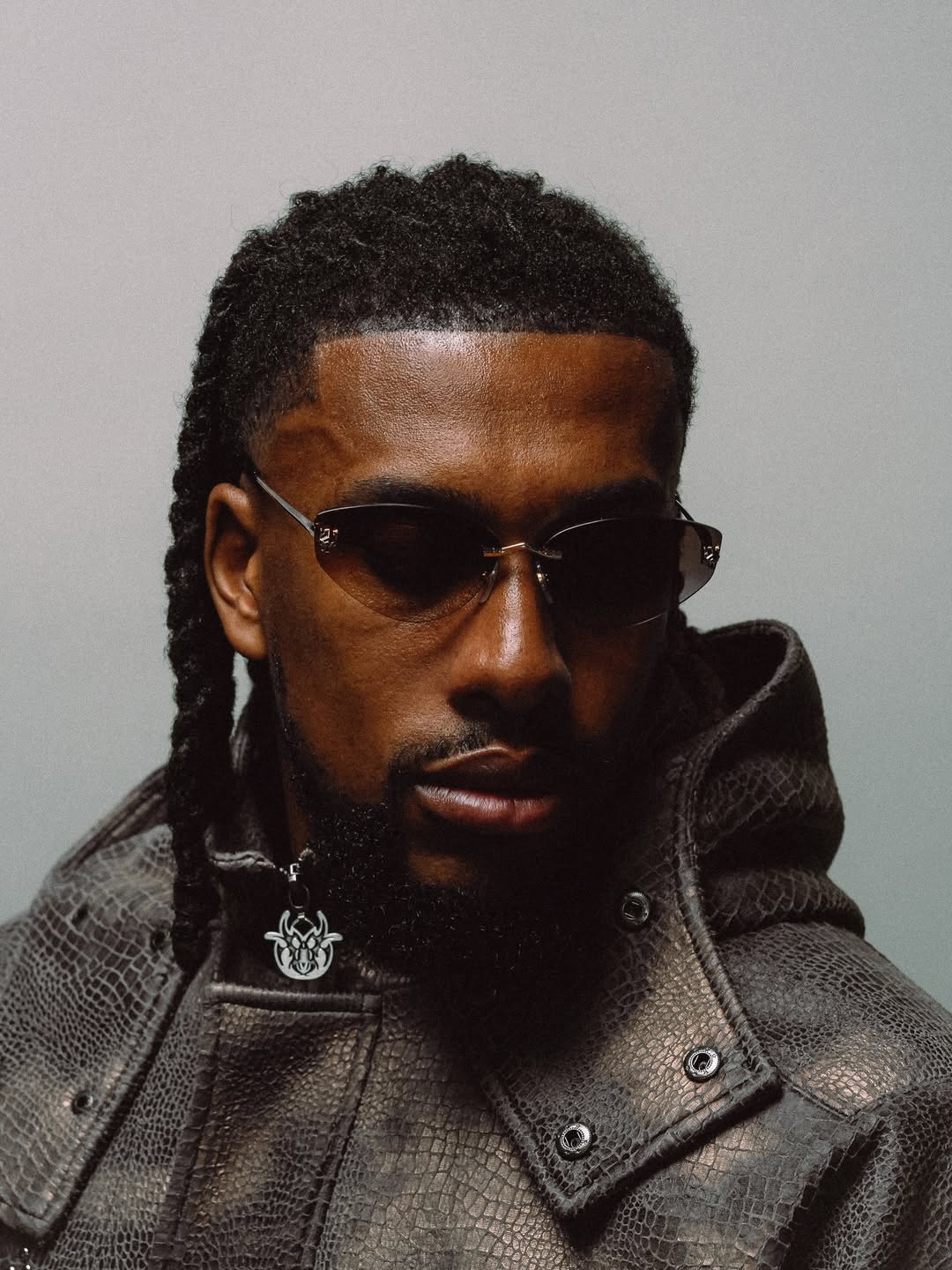
For Alex Iwobi, the decision to step into music under the moniker 17 is not a casual crossover but a deliberate extension of identity, symbolism, and self-expression. Long established as one of the most technically fluid and tactically versatile players of his generation, Iwobi has built a footballing career that spans elite institutions such as Arsenal FC and Everton FC, before evolving into a central creative figure at Fulham FC.
Across these chapters, his role has consistently been one of connective tissue, a player tasked with linking phases of play, carrying the ball through tight spaces, and injecting rhythm into attacking sequences. That same sense of fluidity and rhythm becomes an interesting point of continuity as he transitions into music, a medium that similarly thrives on timing, cadence, and creative instinct.
The choice of the name 17 is far from arbitrary. The number has followed Iwobi across his professional journey, most notably as his shirt number at club level and in his appearances for the Nigerian Super Eagles, where he has grown into a key figure within the squad.
In football, numbers often evolve into identity markers, shorthand for role, presence, and legacy, and for Iwobi, 17 has come to represent both continuity and personal branding. By adopting it as his stage name, he effectively collapses the distance between athlete and artiste, presenting his musical output not as a separate venture, but as another channel through which the same persona is expressed.
That identity extends even further beyond both football and music, as “Project 17” has evolved into a broader personal brand, encompassing community initiatives such as youth tournaments and outreach projects, positioning it as a unifying symbol across his different creative and cultural expressions.
That evolution into music has not been sudden. Iwobi has reportedly been creating music for years, tracing his beginnings back to freestyling in school and quietly developing his craft over nearly a decade before releasing anything publicly. His sound sits at the intersection of Afrowave and UK rap, a fusion that reflects both his Nigerian heritage and his upbringing within the UK cultural environment.
Yet, for much of that time, his musical ambitions remained private. The hesitation to share that side of himself speaks to the pressures that surround modern footballers, where any perceived distraction can quickly become criticism.
During his time at Everton, particularly in a season where the club was battling relegation, he held back from releasing music, even shelving collaborations with teammates out of concern that it could be used against him. That caution is reflective of a broader reality, one where athletes are often expected to exist solely within the confines of their profession.
In that light, the arrival of 17 is not just creative exploration but a subtle act of resistance, a refusal to be reduced to a single dimension. It gains further context when placed alongside moments of intense public scrutiny, including the wave of online backlash that followed Nigeria’s loss in the Africa Cup of Nations 2024 final, after which Iwobi withdrew from social media.
His eventual decision to release music carries an added layer of intent, rooted in a growing conviction that self-expression should not be stifled by expectation or fear of perception. As he has expressed, the venture is as much about exploring identity as it is about artistry, a way of navigating the pressures of fame while sharing more personal stories beyond the pitch.
This duality is particularly significant when viewed through the lens of his impact with the Super Eagles. Since making his debut, Iwobi has often occupied a unique role within the national setup, bridging generational shifts while contributing both creatively and structurally to the team’s attacking identity. His performances, especially in major tournaments and qualifiers, have reflected a player comfortable operating between lines, adapting to different tactical demands while maintaining a distinct stylistic imprint.
That adaptability, coupled with his visible confidence and cultural presence off the pitch, has made him one of the more recognizable figures within Nigeria’s footballing ecosystem. It also provides a compelling backdrop for his emergence as 17, as the qualities that define his footballing identity, rhythm, creativity, improvisation, and composure under pressure, naturally lend themselves to musical interpretation.
With his debut album More To Life, 17 steps into a space that is both crowded and underexplored, where athletes have historically attempted artistic crossover with varying degrees of sincerity and success. The context here matters. Nigerian music, particularly within Afrobeats and its adjacent genres, is currently in a period of global expansion, with increasing attention on authenticity, individuality, and narrative.
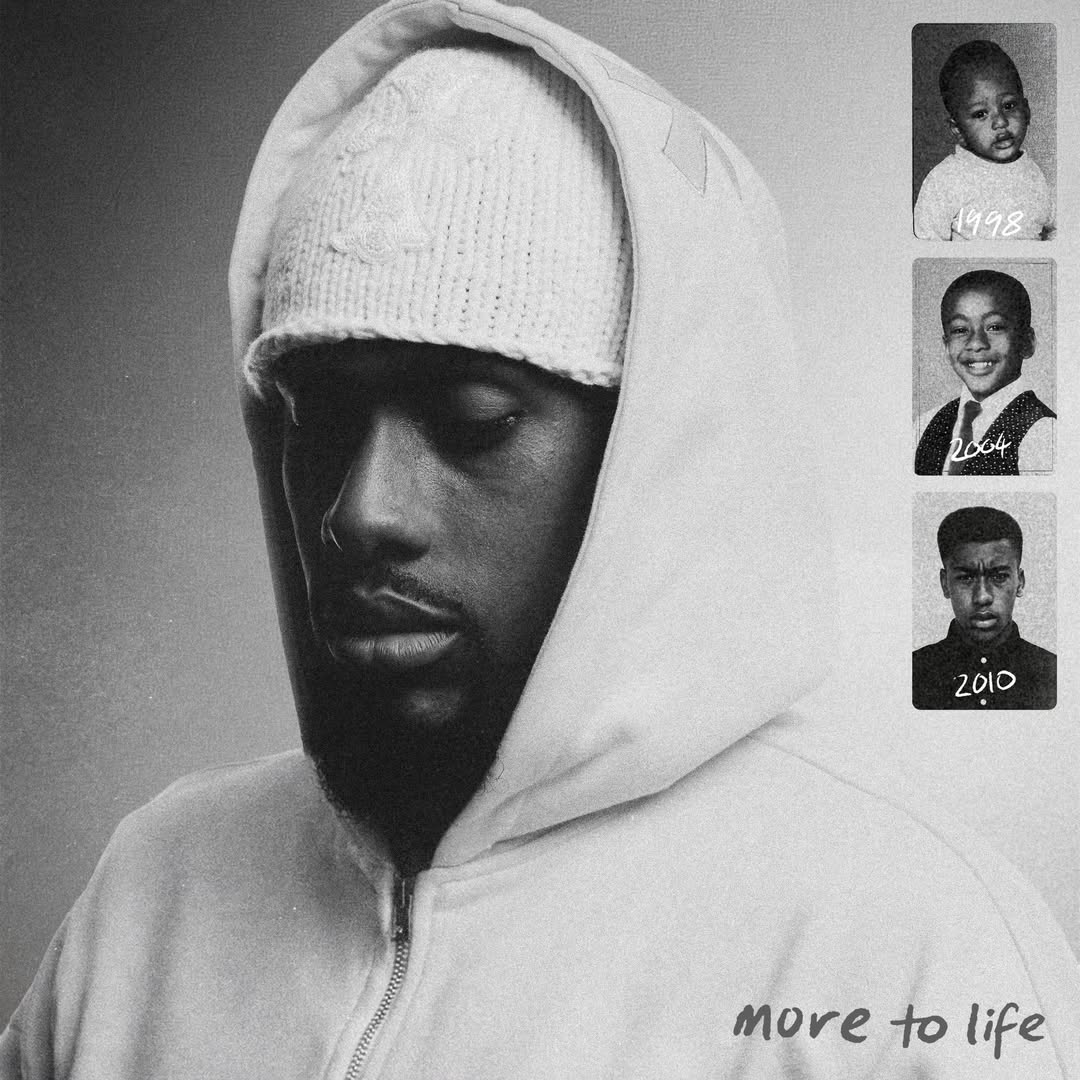
For 17, the challenge is not simply to participate, but to justify his presence within this ecosystem, to demonstrate that this is more than a novelty or side pursuit. The album, therefore, arrives carrying a layered significance. It is a test of artistic credibility, a continuation of personal branding, and a cultural moment that invites scrutiny, curiosity, and, potentially, a redefinition of how multi-hyphenate identities are received within contemporary African entertainment.
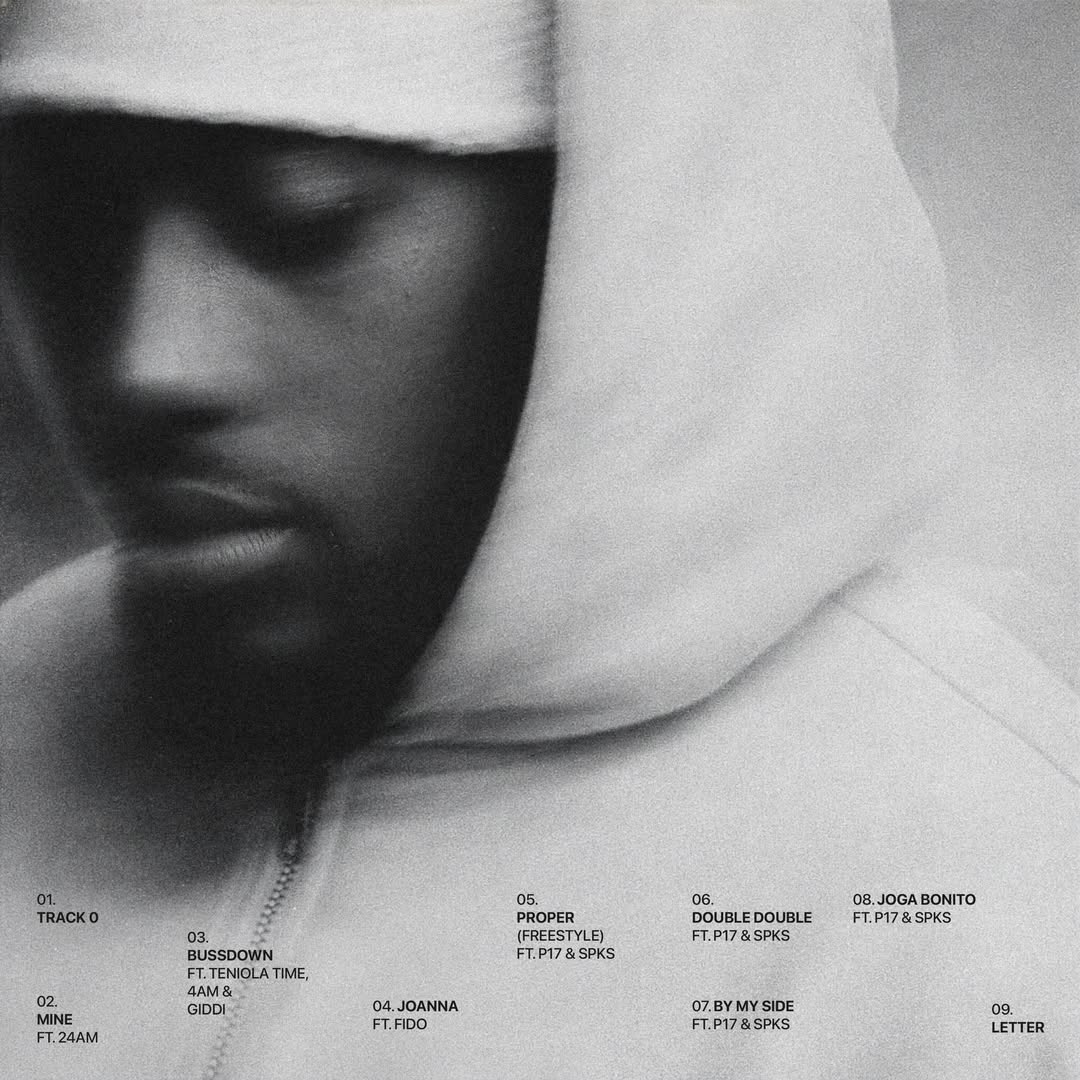
Opening More To Life, “Track 0” immediately establishes the sonic and thematic palette that 17 intends to operate within, drawing from a space that sits somewhere between luxury rap, UK rap, and light drill stylings. The instrumental, produced by London-based musician EM1X, is both opulent and restrained, built on crunchy stomp kicks, sporadic snares, and a bed of incessant percussive textures that flicker in and out of the mix. Soft piano trills and occasional guitar chords drift through the background, while sampled female vocal loops add an airy, almost cinematic quality that frames the track as an introduction in every sense of the word.
Within this space, 17 delivers a performance that feels like a collage of ideas rather than a linear narrative, touching on success, early beginnings, parental influence, mindset, and the discipline required to rise through football. The writing leans heavily on punchline-style bars, with individual lines not always directly connected but collectively forming a broader picture of identity and arrival.
His tone carries a calm confidence, a measured swagger that is reinforced by a smooth vocal performance, even as the rhythmic flow settles into a somewhat predictable cadence by the latter half. Still, the variation in delivery helps maintain engagement, and the closing line, “It’s not just football on TV / There’s a whole new person just unleashed”, neatly encapsulates the intent behind both the track and More To Life as a project.
On “Mine”, 17 brings in fellow footballer and former Everton teammate, midfielder Amadou Onana, who appears under his own musical alias, 24AM. Onana adds an energetic, auto-tuned francophone presence that immediately injects life into the track. The instrumental leans into Afro-Swing and UK rap influences, driven by thumping kicks, rattling shakers, sharp snares, and punctuated horn stabs, with melodic elements kept deliberately minimal, limited to subtle chopped guitar textures and vocal samples.
The result is a rhythm-first composition that prioritizes bounce and momentum. 17 matches this energy with a braggadocious delivery, focusing on themes of attraction, desire, and financial capability, wrapping it all in a layer of nonchalant confidence. Lyrically, the track does not stretch toward depth, instead leaning fully into vibe and presence, but it remains effective in its intent, carried by the chemistry between both artistes and the infectious rhythmic pocket they occupy.
“Bussdown” continues this trajectory, introducing Nigerian act TeniolaTime, as well as Nigerian-Ghanaian duo 4AM & Giddi, into a soundscape that merges R&B and Drill sensibilities with a melodic leaning. A somber two-chord progression built on plucked arpeggios anchors the track, while thumping 808 kicks, layered claps, and sharp snares provide rhythmic weight. Bright lead synths and subtle mallet accents add melodic colour, creating a moody but accessible backdrop.
The songwriting revolves around courting a romantic interest through displays of financial promise and lifestyle appeal, with references to trips, spoiling, and material comfort. The hook adopts a melodic, almost Drake-like nasal tone, while 17’s verses maintain a consistent energy that aligns with the instrumental but does little to evolve dynamically across the track. The delivery remains steady, confident, and in-pocket, though it leans heavily on familiar tropes of flexing rather than pushing toward more nuanced romantic expression.
A shift in sonic energy arrives with “Joanna”, where vibrant Afrobeats textures come to the forefront. A rich bassline and filtered percussive layers drive the rhythm, supported by hard-hitting kicks and a clacking snare pattern rooted in Afro-Swing syncopation. The melodic palette is understated but effective, with ghostly pads and light staccato plucks providing atmosphere. Fido takes the lead early, delivering a loose, almost improvisational opening verse filled with adulation for the titular Joanna, setting a playful and engaging tone.
17 follows with a confident presence, attempting to vary his cadence through shifts in syllabic emphasis and flow, even incorporating an interpolation of Fido’s “Joy Is Coming” as a nod to his collaborator. Despite these efforts, much of the track’s weight rests on Fido, who carries the hook, the opening verse, and a closing bridge, anchoring the song’s identity.
On “Proper”, 17 collaborates with SPKS over a quintessential Afro-Swing instrumental defined by rattling shakers, pacey guitar plucks, and swelling synth string accents. The production is layered with additional elements such as vocal chops, piano runs, and vibrato synth textures that occasionally rise too prominently in the mix, momentarily competing with the vocal clarity. The lyrical content remains rooted in braggadocio, cataloguing the perks of lifestyle success through references to luxury items, cars, clothing, and indulgence.
Vocally, both artistes maintain a smooth, controlled delivery that complements the groove, allowing the track to function as a straightforward expression of affluence and confidence within the broader sonic framework of More To Life.
“Double Double” emerges as one of the more fully realized moments on the project, blending Afro-Swing and UK rap influences into a richly textured composition. Rapidly strummed guitars and pizzicato synth strings introduce the track before giving way to a groove anchored by thumping kicks, a smooth 808 bassline, and crisp rimshots. Subtle lead synths and swelling pads add depth, while saxophone runs and chopped female vocal samples enrich the sonic palette.
17 and SPKS deliver some of their most cohesive performances here, combining storytelling elements with stylistic flair, while the hook cleverly interpolates Childish Gambino’s 2018 track, “Feels Like Summer”, leveraging its familiarity to enhance memorability. The track feels lived-in, with moments of personal reflection woven into the broader narrative of success, allowing the flexing to feel more integrated into the storytelling rather than purely decorative.
With “By My Side”, More To Life takes on a more atmospheric and layered tone, opening with what sounds like a street-side argument, a cluster of animated female voices overlapping in a chaotic but engaging introduction. This gives way to smooth electronic piano chords and a haunting synth line, as 17 introduces a nostalgic melodic refrain, “I have a very big God oo, who is always by my side”.
The instrumental builds gradually, incorporating Afrohouse and electronica elements through metallic percussion, rolling log drums, and intermittent synth brass accents. SPKS opens the vocal section with a delivery that feels lighter in tone compared to the somber weight of the instrumental, while 17 follows with a more grounded expression of gratitude, reflecting on growth and divine support. Despite the strength of its individual components, there is a noticeable disconnect between the emotional tone of the production and the vocal performances, with each element operating effectively on its own but not fully converging into a unified mood.
On “Joga Bonito”, 17 leans into a thematic alignment between football and life, drawing inspiration from the Brazilian concept of the “beautiful game”. The track opens with somber female vocal samples layered over strummed electric guitar, before transitioning into a rhythm driven by baile funk-inspired percussion. A powerful bassline underpins the arrangement, while additional melodic elements, including pads and vocal samples, occupy significant space within the mix.
Here, 17 and SPKS reflect on growth, ambition, and the journey from humble beginnings to present success, using football metaphors to frame their narrative. However, the balance of the mix presents challenges, with both the drums and vocal performances at times overshadowed by the more dominant melodic layers, particularly the recurring vocal samples. What remains audible reveals straightforward, energetic delivery and reflective lyricism, though the impact is somewhat diluted by the competing elements within the arrangement.
Closing the project, “Letter” provides a tonal and thematic shift that brings More To Life full circle. Introduced by filtered guitar chords that establish a somber mood, the track quickly builds into a robust Afro-Swing rhythm powered by crunchy kicks, pulsing bass, and crisp snare work. Female vocal samples sit subtly in the background, adding melodic contrast to 17’s more direct and grounded delivery.
Here, he steps away from the braggadocio that defines much of the project, adopting a more introspective, diaristic approach as he addresses the realities of his position, the scrutiny he faces, and the tension between football and artistic expression. His flow becomes more flexible, his tone more emotionally engaged, allowing the performance to carry a sense of authenticity that distinguishes it from earlier tracks.
Lines like “AFCON they all tried to hate man / Came off the socials cuz they tryna break man, slate man” anchor the song in lived experience, tying back to the public pressures referenced in the album’s broader context. As a closer, it offers a grounded and reflective counterpoint to the opener, completing the arc of More To Life with a sense of clarity and personal resolve.
More To Life ultimately reveals itself as a deeply personal exercise in self-definition, a project that exists as much outside of music as it does within it. At its core, the title itself gestures toward a central idea, the insistence that there is more to Alex Iwobi than the singular identity of a footballer.
Under the moniker 17, this project becomes the embodiment of that belief, a tangible assertion that creative expression, storytelling, and artistic exploration can coexist alongside elite athletic performance. It carries the weight of defiance, not in an aggressive or confrontational sense, but in a quiet, self-assured declaration that identity does not have to be confined to public expectation.


Viewed through that lens, More To Life operates as both a debut album and a statement of intent, capturing an artiste at the very beginning of a new journey, learning the contours of a different craft while attempting to translate lived experience into sound.
That duality is central to how the album is experienced. On one hand, there is a clear sense of inexperience that naturally accompanies a debut effort, particularly in a medium governed by its own technical and creative rules. On the other hand, there is an equally clear presence of potential, glimpsed in moments where the performance, writing, and intention align. The decision to collaborate laterally rather than vertically plays a significant role in shaping this balance. Instead of leaning on high-profile, established music stars who might dominate the sonic space, 17 keeps his circle relatively close, working with collaborators who operate within a similar creative range. This choice allows the project to maintain its focus, preventing it from being overshadowed while also creating an environment where growth feels organic and shared.
There is a looseness to these collaborations that reads less like strategic positioning and more like a group of artistes developing together, exploring ideas without the pressure of meeting external expectations or competing with more seasoned voices. It gives More To Life a sense of authenticity and ease, as though the process itself is just as important as the outcome.
Sonically, the production, largely helmed by London-based EM1X, establishes a consistent framework that blends UK rap sensibilities with Afro-Swing rhythms and subtle Hip-Hop foundations. The recurring use of syncopated drum patterns, plucked melodic elements, and sampled female vocal textures creates a recognizable palette that runs through the project, offering cohesion without overcomplication.
The beats are generally straightforward in structure, prioritising bounce and accessibility over intricate arrangement, and serving as functional canvases for 17’s vocal performances. There are moments where the production reaches higher levels of richness and layering, delivering standout sonic experiences, but these are balanced by instances where the execution falters, most notably in mix imbalances and tonal mismatches. These fluctuations contribute to the sense of a project still finding its footing, where the building blocks are solid but not yet fully refined.
Vocally, 17 approaches the microphone with a confidence that immediately stands out. There is a natural swagger in his delivery, an ease in how he occupies the beat, that aligns well with the themes of affluence, enjoyment, and lifestyle that permeate much of the album. That energy is infectious, drawing the listener into the celebratory headspace that the music often inhabits.
At the same time, there are moments where technical limitations surface, whether in sustaining melodic passages, maintaining rhythmic precision, or navigating more complex flows. These instances do not derail the experience, but they do highlight areas that will likely evolve with time and continued exposure to the recording process. What remains consistent, however, is the sense of enjoyment, the audible presence of an artiste who is genuinely engaged in the act of creation, and that enthusiasm becomes one of the project’s most compelling qualities.
Lyrically, More To Life mirrors this same duality. A significant portion of the writing leans into familiar territory, luxury rap, lifestyle references, aspirational imagery, and flirtatious bravado, delivered through straightforward punchlines that serve their purpose without necessarily pushing beyond expectation.
Yet, interspersed within these moments are glimpses of something more substantial. Tracks like “Double Double” and “Letter” reveal a different dimension, one rooted in introspection, personal reflection, and a willingness to engage with lived experience beyond surface-level expression. It is in these moments that the project hints at a deeper artistic trajectory, one where storytelling, vulnerability, and narrative clarity could become defining strengths. The contrast between these two modes, the external display of success and the internal processing of experience, creates an underlying tension that adds texture to the album as a whole.
Ultimately, More To Life stands as an enjoyable and promising debut, one that gains additional significance when considered within the broader context of who 17 is and what he represents. It is not just a collection of songs, but a starting point, a first step into a space where growth will be shaped by time, experimentation, and continued self-expression.
The most compelling aspect of the project lies in its potential for narrative expansion. Beyond the flexes and lifestyle affirmations, there exists the possibility for a unique perspective, one that offers a glimpse behind the curtain of a life often viewed from a distance.
As 17 continues to develop as an artiste, that perspective could evolve into something far more defined and impactful, capturing experiences and viewpoints that are rarely explored in this way. If nurtured, refined, and fully embraced, that narrative voice could become the foundation for a more potent and resonant artistic identity, one capable of bridging worlds and telling stories that feel both personal and broadly relatable.
Lyricism – 1.4
Tracklisting – 1.4
Sound Engineering – 1.3
Vocalisation – 1.3
Listening Experience – 1.4
Rating – 6.8/10
Yinoluwa “Yinoluu” Olowofoyeku is a multi-disciplinary artist and creative who finds expression in various media. His music can be found across all platforms and he welcomes interaction on his social media @Yinoluu.