

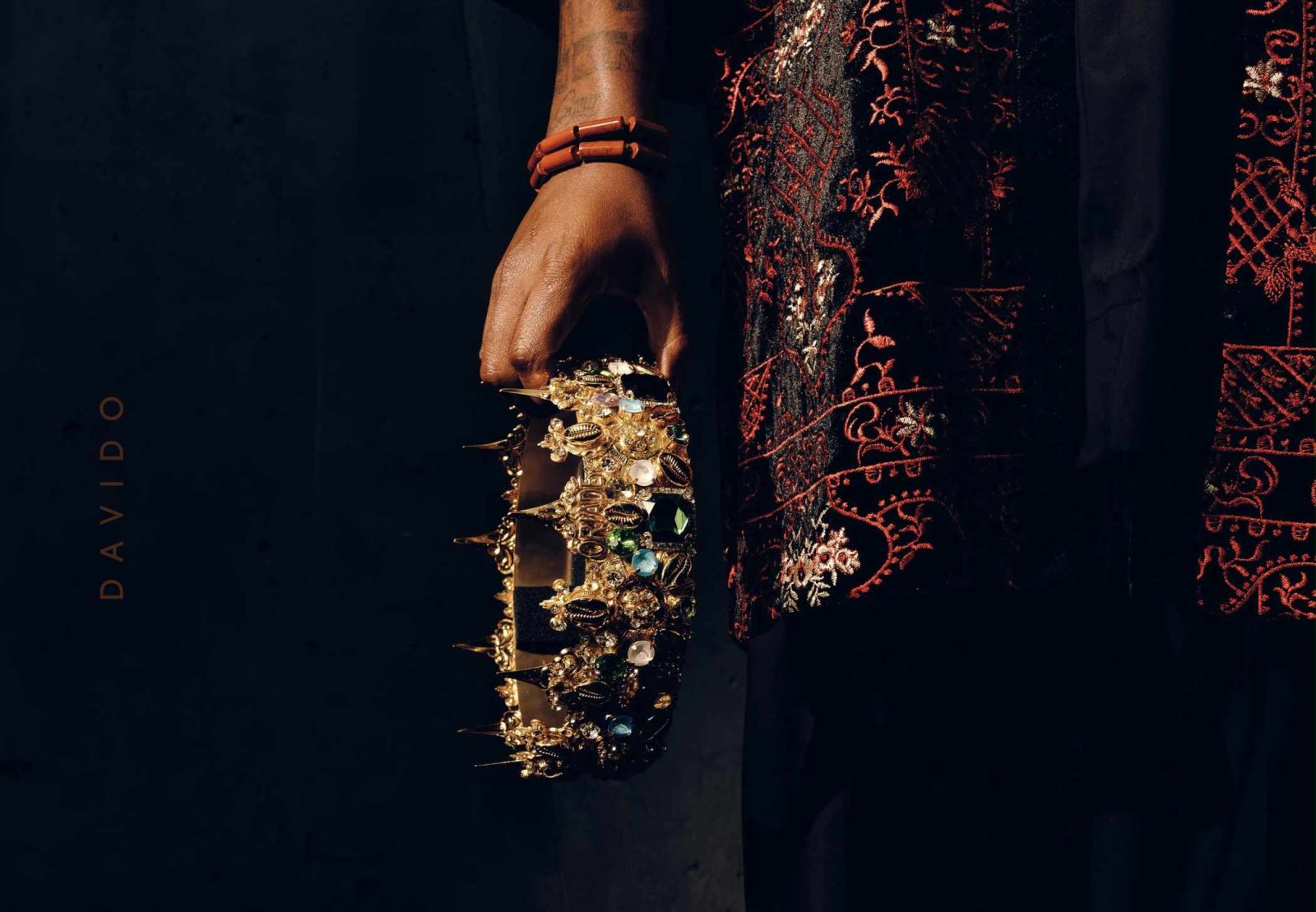

Oriadé remains a highly energetic and enjoyable listen because Davido simply knows how to make listening fun. Perhaps the sum of its parts does not quite amount to something greater than the whole, but each song is strong enough to carry you through the journey regardless.
By Yinoluwa Olowofoyeku
Few artistes have shaped the global rise of Afrobeats as decisively as Davido. Born David Adedeji Adeleke, the singer emerged in the early 2010s with the breakout success of “Dami Duro”, quickly establishing himself as one of the genre’s defining figures through an effortless combination of melodic instinct, infectious charisma and an uncanny ear for hit records.
Across landmark projects including Omo Baba Olowo: The Genesis, A Good Time, Timeless and, most recently, 5ive, Davido has continually balanced commercial appeal with an expansive musical curiosity, comfortably traversing Afro-Pop, Highlife, Amapiano, Dancehall, R&B and Hip-Hop while collaborating with artists from across Africa and beyond. Fifteen years into his career, the five-time Grammy nominee has long outgrown the label of pop star, instead occupying the rarer position of cultural ambassador, helping carry Afrobeats from Lagos onto stadium stages and festival line-ups around the world.
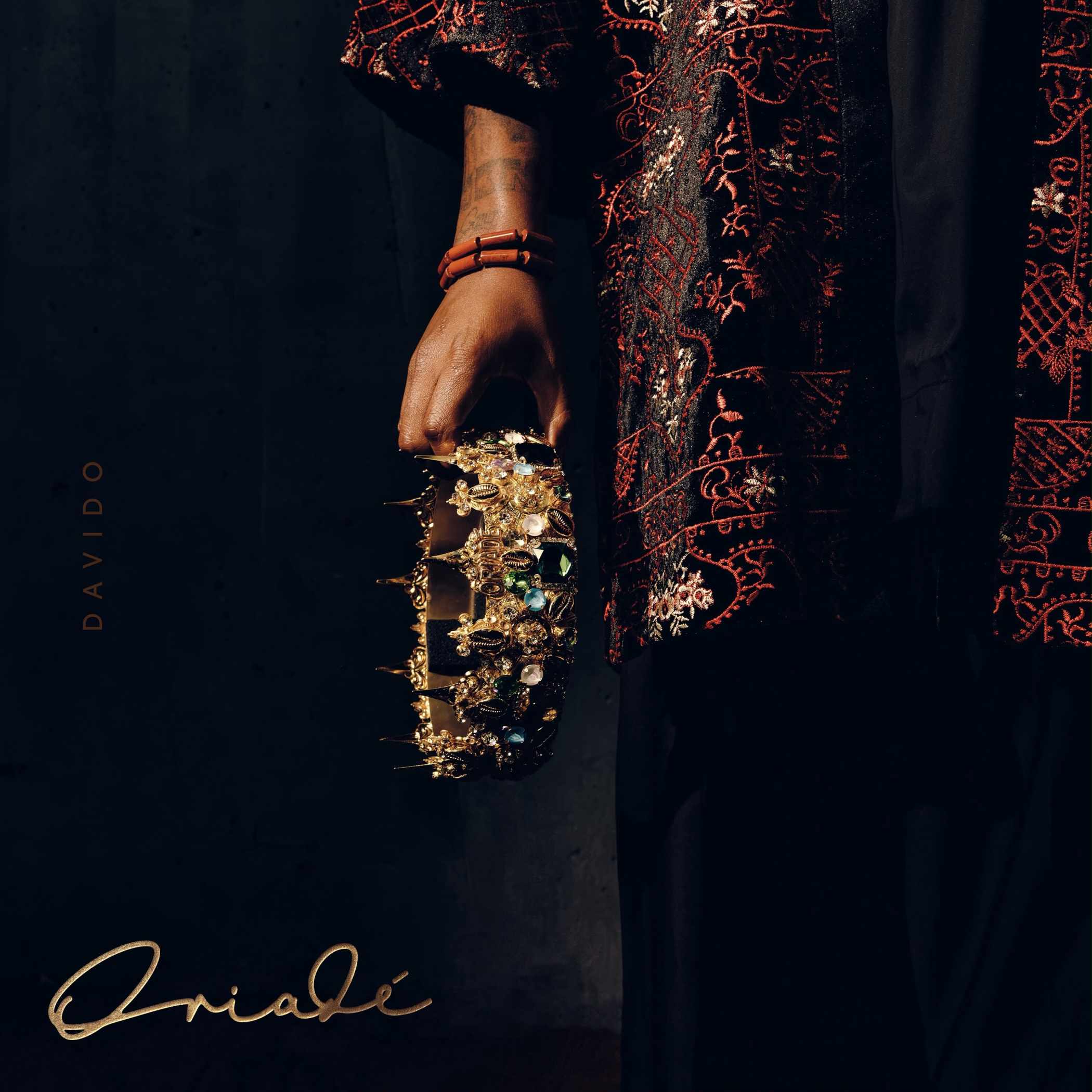
That remarkable trajectory naturally informs Oriadé, his sixth studio album and first full-length release since 2025’s 5ive. The album’s title derives from the Yoruba words ori (head or destiny) and adé (crown), together conveying the idea of “the head that wears the crown”, an image Davido himself has described as symbolic of embracing purpose, fulfilment and what he calls his “king era”.
More significantly, however, he has framed Oriadé as a conscious return to the African musical identity that first defined his artistry, expressing a desire to reconnect with the foundational sounds of Afrobeats rather than pursue external validation from Western audiences. Arriving after a period that has seen him reflect publicly on the lessons of independence, the demands of sustaining a truly global career and the personal growth that has accompanied his success, Oriadé presents itself not as a reinvention, but as the latest statement from an artist seeking to reaffirm both his roots and his place at the summit of African popular music.
The sombre guitar chords that open “On the Road” immediately establish a reflective atmosphere, with ethereal, haunting synths floating behind sparse Afroswing drums, a firm clacking snare, warm kicks and rattling shakers that become more prominent in the chorus.
An agile 808 bass gives the arrangement added weight without crowding its spaciousness, leaving Davido’s clear upper-register singing at the centre, supported by subtly placed harmonies. The song functions as a diaristic account of life after completing his 53-show world tour, with Davido reflecting on the relentless movement, sleepless nights and constant travel that come with life on the road. “On the road, oh / I’ve always been on the road, oh / I never stop, I dey go / Life dey live me on the road / On the go, man always be setting goals”.
Yet the song also makes room for the personal cost of that lifestyle, as he acknowledges the need to remain present for the people closest to him. As he explained to Apple Music, the song was the first he recorded after returning from the tour, and the result is a strong, personal introduction to Oriadé, pairing the grandeur of Davido’s current life with the quieter reality of what sustaining it requires.
The romantic warmth of “Amazing Grace” arrives through bright mallet chords, simple Afro syncopation, and a soft piano arrangement that keeps the instrumental deliberately stripped back, allowing Davido’s vocal performance to occupy the foreground. His romantic intonation gives the song a tender quality, while warm, choir-like group vocals broaden the chorus before Black Sherif enters with a sweeping, agile melodic verse.
Davido’s lyrics frame the relationship as a source of gratitude after previous disappointments, describing the woman as someone who appeared at exactly the right moment: “And I met the perfect girl at the right time / Omo, the right time / Just when I needed you the most / Showed up when I needed you the most / Oh, I was living crazy / Trust me, girl, you saved me”. That sentiment feeds directly into the song’s central refrain, where affection becomes thanksgiving.
Black Sherif’s contribution extends that devotion from another perspective, with his characteristically expressive vocal delivery adding another shade to the love song, and the pair give Oriadé a warm Nigeria-Ghana connection while keeping the focus firmly on romantic appreciation.
“Julie” settles into a familiar space for Davido, with sharp Afroswing drums arranged around guitar chords, a rich bassline and small bell-synth accents that add melodic colour to the groove. It is an Afro-R&B love song, exactly the kind of territory Davido describes as his comfort zone, and his performance reflects that familiarity through smooth melodies, catchy phrasing and an emotive vocal delivery that moves comfortably between cadences.
The warmth expands through group-vocal passages, giving the arrangement additional depth without disturbing its easy rhythm. Lyrically, Davido approaches his lover with playful devotion, singing, “Julie, you get vacancy, let me know / Julie (Mm), tell me, who dey run your parole? / Julie, only you fit make kon no kill me, oh / ’Cause me, I don’t know what you did to me, girl”.
“Constantly” has an interesting history within Davido’s catalogue, arriving on Oriadé after sitting unreleased for several years. Pheelz supplies a rhythmically driven Afrobeats instrumental built around synths and bass, with a relatively sparse melodic arrangement, rolling toms and layered Afro drums providing most of its movement.
Davido even nods to the producer throughout the song, with Pheelz’s familiar catchphrases and traces of his voice appearing in the backing vocals and harmonies, adding warmth to the otherwise groove-led arrangement. Davido’s own delivery stays mostly in the smooth mid-range, with straightforward, earworm melodies and a little audible auto-tune in the lower parts of his vocal.
The song’s lyrical focus is its consistency, both as a musician and as a man who has remained in the game long enough to watch his success compound. He boasts, “Never seen a bigger miracle / Never seen a bigger miracle than myself, oh / The kind of money wey I get, oh / Got me singing in falsetto”, before returning to the idea of being a different breed with “Different vibe on a different key / I dey give them constantly”. It is a fitting theme for an artist whose career has stretched across more than a decade.
The opening of “I Know Who I Be” brings Afro-House energy into Oriadé, with four-to-the-floor kicks, syncopated percussion, foley textures and a droning synth rhythm establishing the track’s dancefloor pulse. The chorus is filtered into the introduction before Davido arrives with a fantastic self-aggrandising hook, leaning into the confident, larger-than-life bravado he has made one of his trademarks. Big snare hits gradually introduce more Afrobeats flavour into the Afro-House framework, while synth bass and additional instrumental layers fill out the arrangement as it evolves.
The production remains particularly smart in its handling of vocal and instrumental layers, allowing the song to grow without losing its rhythmic drive. Davido’s lyrics are similarly direct in their celebration of his identity and achievements: “Who am I? I’m a bad guy / My designer, waka-waka / Balenciaga and Prada / You must have gone insane if you think your story / Your story is my story / Now who I be, I know who I be”.
His decision to work with South African producer JAZZWRLD and GL_Ceejay also fits naturally into the song’s direction, adding his own Afrobeats twist to their established sound. The result is a lively meeting point between both rhythmic traditions, closing with wailing string synths, a drum break and an abrupt stop.
“Gimme Dat Ting” switches Oriadé into an Amapiano register, with rattling shakers, smooth electric piano chords and subtle kicks creating a spacious, percussion-led groove before sharper snares and bass synths give the rhythm more weight. Log drums arrive with the chorus, pushing the song further into its South African rhythmic identity as NO11 joins Davido with infectious energy.
The chemistry between both artistes is immediate, with the two trading rapid-fire lines and rhythmic melodic phrases as the beat gradually evolves through additional synth layers. Lyrically, the song is playful and flirtatious, with Davido and NO11 leaning into the teasing language of attraction and material indulgence.
NO11’s refrain repeatedly circles the titular demand, while Davido enters with the same loose, conversational swagger: “Fine shit, gimme that / Ṣe na Nepo? She’s a lil’ bougie / Know your papa no get money pass me / Call me ‘Daddy’, where’s your home training?” The track’s appeal ultimately lies in that chemistry, as both artists find pockets within the shifting percussion and bounce off each other without overwhelming one another. The track captures that meeting of established star power and a newer energy particularly well.
“B4 B4” returns to straightforward Afro-Pop, layering bright key synths and pads over rich bass, clacking drums and subtle percussion. Mayorkun delivers a strong, romantic vocal performance, while FOLA’s distinctive timbre anchors the chorus with smooth melodies, giving the song a clear vocal contrast across its sections. Davido supplies the familiar energy and wit that completes the combination, making the track feel like an easy meeting between an established Afropop veteran and two artists representing a newer generation.
The song is built around flirtatious admiration, with Davido and Mayorkun trading lines about a woman who has captured their attention, while the chorus folds the three voices into a playful romantic refrain. Mayorkun’s opening sets the tone with “Mm, no fit lie for you, girl, I pin / And I don’t go with the flow, I no do bestie, yeah / Heavy, heavy, make you put it on me / Your Maggi fit to make me Knor Knor”, before Davido’s verse adds his own mischievous swagger. Davido described the collaboration as part of his desire to tap into the new school of music and create a universal Lagos record.
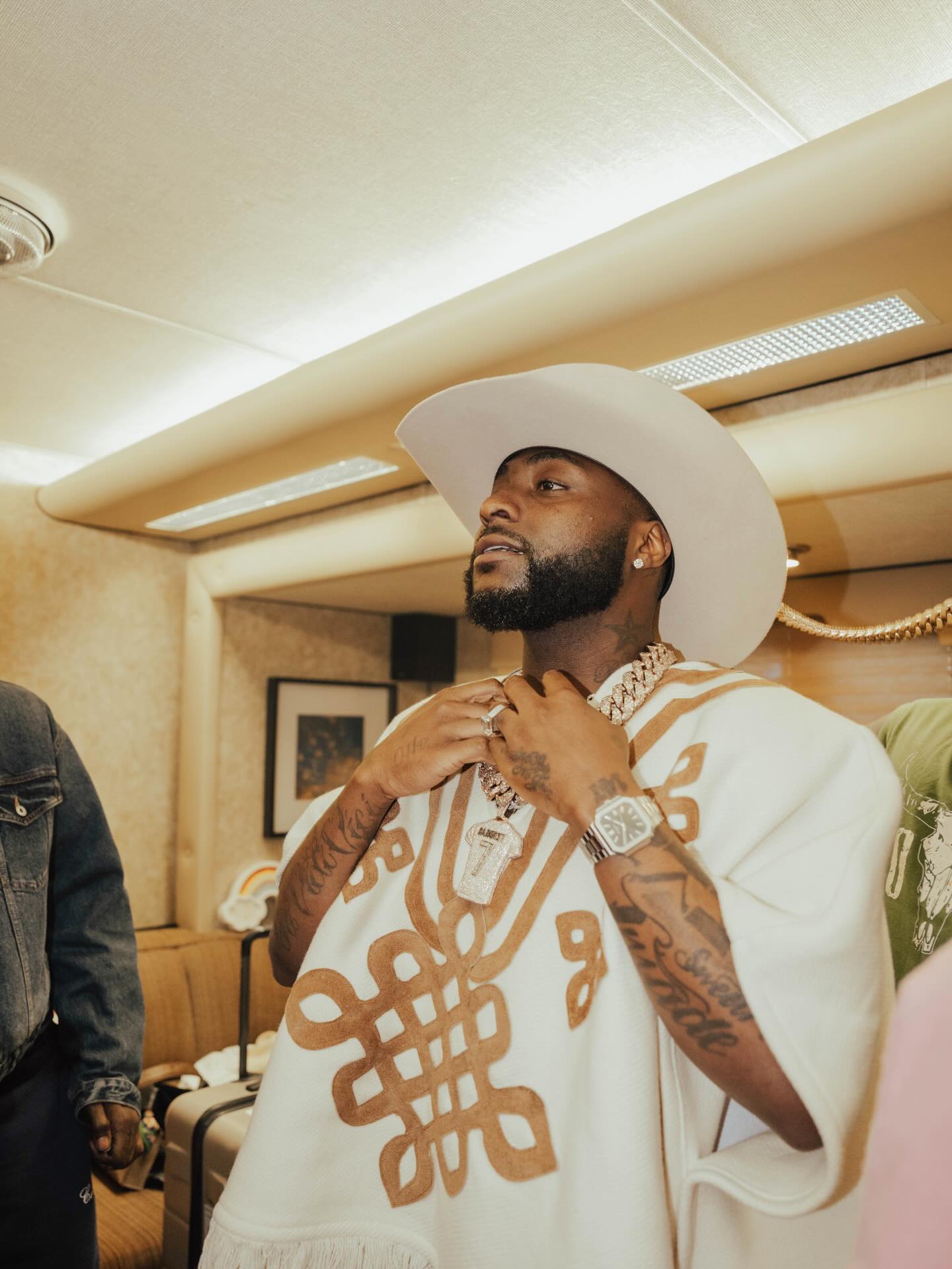
“Already Falling” builds its identity around an interpolation of Elvis Presley’s “Can’t Help Falling in Love”, folding the familiar romantic melody into a contemporary Afrobeats framework. Typical clacking drums are supported by lively bass guitar and filtered chords, while Davido delivers the song with the energetic, playful vocal presence that has become synonymous with his sound. Male group vocals add a call-and-response quality, giving the arrangement extra lift as Davido moves through his affectionate declarations.
The interpolation also shapes the song’s lyrical premise, with Davido presenting himself as someone already completely consumed by love, as he sings, “As I dey rush am, them dey jealous / I dey chop am, carnivorous / And as e buss out, I dey mess up / So hold me ’cause I’m falling in love with you”. Davido revealed that the song is dedicated to his wife and serves as a continuation of “Assurance”, the 2019 love song that emerged during their courtship. That history gives “Already Falling” a personal place within Oriadé, even as its production keeps the sentiment light and rhythmic.
“Tell Everybody” slows the rhythmic intensity slightly, opening with shakers and subdued clacking snares beneath reversed, filtered chords that give the instrumental an emotive quality. The bright Afrofusion foundation gradually expands with cinematic drum hits, subtle log drums and broad bass, creating a fuller backdrop for the powerful singing of Leon Thomas. The chorus becomes the song’s major vocal moment, with rich choral layers and stacked harmonies surrounding Davido and Thomas as they trade perspectives on the intensity of a relationship.
Davido keeps his own delivery relatively simple and direct, while Leon Thomas brings his deeper emotional register to the second verse, admitting, “See, I’m usually private / But I can’t love you in silence / Girly I found the hottest / Can’t keep quiet / Let the whole city know it”. The two converge around the idea of a relationship that leaves them wanting more, with both singers leaning into the song’s bright, romantic atmosphere without competing for space.
“Yaya” brings a distinctly Francophone flavour to Oriadé, built around heavily strummed rhythm guitar and modern Makossa-inspired drum syncopation. Davido settles comfortably into the groove with agile melodies and his playful delivery, even weaving some Igbo into his performance, before Aya Nakamura enters with her soft-spoken romantic French vocals. Her staccato passages, effected ad-libs and backing vocals add a contrasting texture to Davido’s more animated approach, and the two regularly overlap rather than separating their contributions into isolated sections.
The song revolves around mutual attraction and the dizzying feeling of falling for someone, with Davido’s chorus repeatedly returning to “Olóló mi / Uh, my sugar banana, honey bunny, yeah / Ṣébi, if I give you my love, you will take it from me?”. Nakamura answers in French with lines such as “Tu parles beaucoup, tu parles beaucoup mais il faut des actes en vrai” [You talk a lot, you talk a lot, but you need to show it through your actions], giving the song a playful conversational quality.
The shortest song on Oriadé, “Zanzibar” begins with strummed guitars and reverberated vocals that create an immediately spacious atmosphere before straightforward drums, rich bass synth and heavy sub-bass fill out the arrangement. Wailing strings and a soft triplet snare pattern over four-to-the-floor kicks deepen its introspective character, while Davido settles into a romantic delivery in the middle of his range.
The song’s emotional centre is its chorus, where layered vocals and reverb give his melodies considerable depth as he sings about a woman who has become a place of emotional refuge: “When I’m cold, you’re there to keep me warm / When I’m sad, my pain you wash away / When I’m lost, you’re there to lead the way / You’re my yesterday and forever”. That sense of comfort carries into the chorus, where Davido turns the titular location into a shorthand for the feeling she provides. Davido told Apple Music that he had only visited Zanzibar once, but the beauty of the place and the memories he made there stayed with him enough to inspire the song and its central hook. His layered vocal performance, particularly through the pre-chorus and chorus, makes the relatively brief track feel emotionally fuller than its runtime suggests.
“Guide” brightens the mood with lively rhythm guitars, piano chords and percussion-heavy Afrobeats, with equally energetic bass-guitar riffs keeping the instrumental in constant motion. Davido begins in a laid-back register, but dynamically moves higher at carefully chosen moments, varying both his vocal range and cadence as the song progresses.
The arrangement responds in kind, with a playful call-and-response section involving male group vocals and an evolving instrumental that keeps introducing small rhythmic changes without losing its easygoing groove. Lyrically, “Guide” takes the form of a personal rulebook, drawing on lessons learned through Davido’s experiences and placing faith at the centre of his approach to navigating them.
He frames that outlook directly in the opening lines: “If na based on blessings, I dey count my blessings / But na based on cruise, I dey dey vibes / If na based on lesson, I don learn my lesson / Na that same lesson I dey use dey guide”. The chorus then turns that philosophy towards the physical pleasures of life, with the repeated “Enyimba” refrain giving the song a playful, rhythmic centre.
“My Light” closes the album on a markedly more sombre note, beginning with train sounds over emotive electric piano chords and warm, rich pads before Llona’s powerful vocals deepen the song’s subdued atmosphere. Deep bass and synth chords sit beneath her performance, while subtle Afroswing drums eventually enter to give the arrangement a gentle pulse.
A bright brass transition then hands the song to Davido, whose lower-register, half-rapped, half-sung cadence provides a striking counterpoint to Llona’s more forceful vocal presence. The emotional weight of the song comes through in its focus on faith, pressure and the search for something steady amid personal turmoil. Llona opens with the vulnerable admission, “I’m in love with this silence / They think that I’m just wilding / I’m wilding for real and it’s crazy / Hoping these prayers I pray save me / What if I lost my patience? / My mind is so awakened / This paper I’m chasing / Only God can save me”. Their voices eventually converge around the idea of protecting that inner source of light. The production strips back around their performances, and the song’s staccato strings and subdued instrumental outro leave Oriadé with an emotionally weighted final impression.
Davido has been in the game long enough to have an almost instinctive grasp of his craft, and few artists can rival the resources and reputation now at his disposal. He has access to some of the finest producers, writers, technical teams and collaborators available, with the reach to assemble an enviable supporting cast around any project.


Yet, perhaps more important than any of those resources is the quality that has remained his greatest strength throughout his career: his ear for a hit and his understanding of what moves a crowd. That instinct is on full display across Oriadé. Very few songs feel like they are simply filling space, with each one demonstrating an understanding of energy, catchiness, playfulness, hype and the little details that make a song stick. The features are also smartly selected for their cultural and musical relevance, helping the album speak to the moment.
Where Oriadé becomes harder to assess, however, is as a complete album rather than a collection of individual songs. There is a longstanding criticism of Davido’s difficulty in making a truly cohesive album, and Oriadé does little to completely dispel it. The project can sometimes feel more like a playlist of dope songs than a unified body of work, with the title itself, while relevant to Davido, not particularly communicated through the music.
There was room for Oriadé to explore the uneasy relationship between the height of fame and the weight that comes with it, from responsibility and growth to the repercussions of success, overcoming hardship and gratitude, but the songwriting rarely seems interested in pursuing those possibilities. Instead, we largely get familiar Davido territory: braggadocio, romantic adoration, celebration, success flexing and self-aggrandisement.
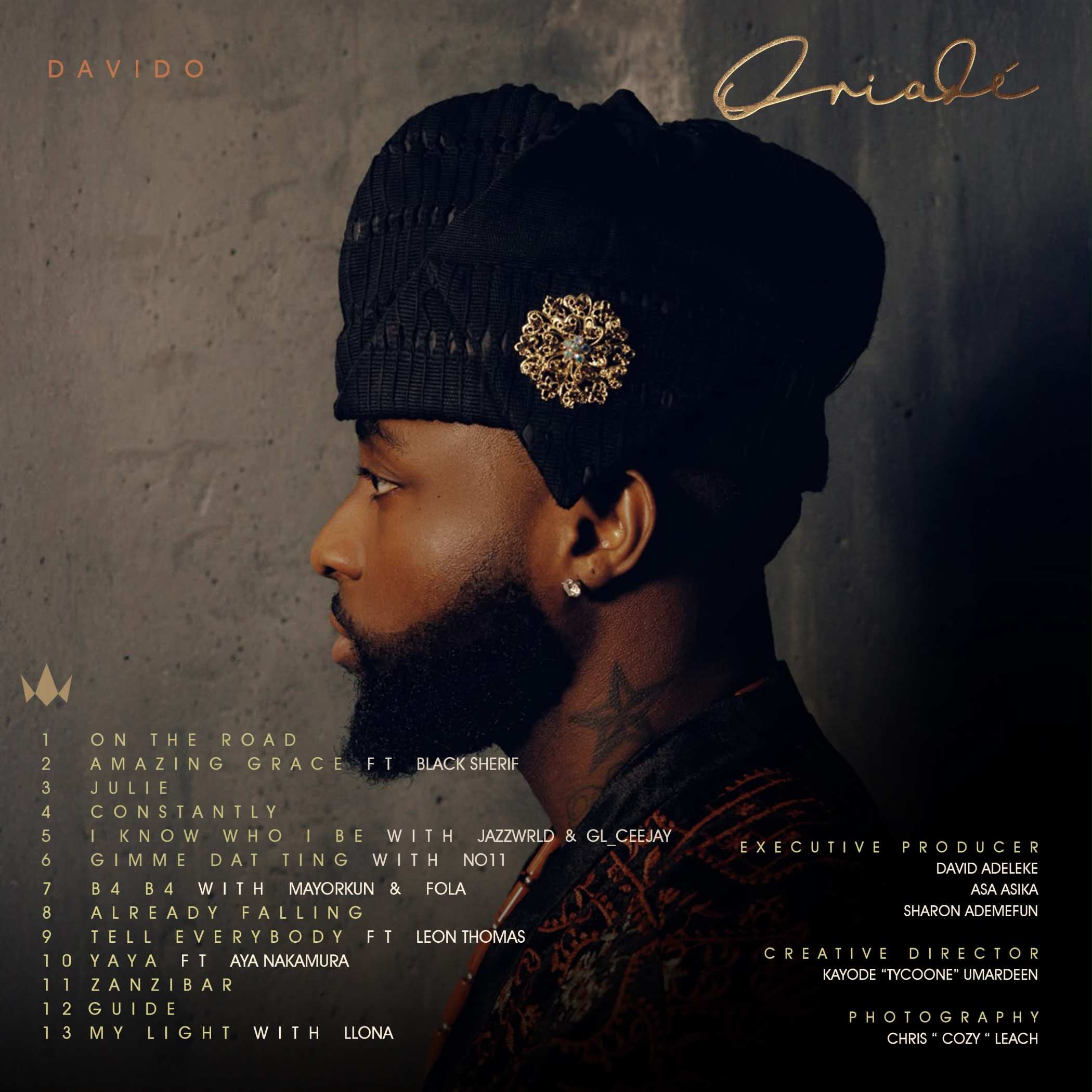
There are brief flashes of something more personal on the opening and closing tracks, moments where openness and vulnerability come through, and more of that kind of writing around the album’s central idea could have made for a more mature and narratively legible project.
Beyond what one might wish Oriadé had done, however, the more useful question is how well it executes what it actually sets out to do. By that measure, Davido’s instincts come through remarkably well. A varied team of superstar producers brings each song to life with considered grooves, strong melodic foundations and rhythmic power, giving the album enough movement to remain danceable while allowing it to travel through different genre spaces.
Makossa, Amapiano and Afro-House all make appearances, and each provides Davido with a different playground without stripping away his own identity. That genre diversity also creates room for a similarly varied feature list, bridging different generations, countries and corners of the continent while reinforcing the broad appeal that has become central to Davido’s stature.
The collaborations work because the guests often help ground each song in the conventions of its chosen style, leaving Davido free to push against those boundaries and add his own flavour. He is equally assured on his own, delivering some of his most accomplished vocal performances here. The command of his mid and upper registers is particularly impressive, bringing emotion and energy where the songs demand it, while his willingness to move beyond his familiar Afro-Pop cadence into more expressive R&B-leaning singing, higher notes, belting and layered harmonies adds new arrows to his quiver.
Across Oriadé, he demonstrates an extensive understanding of cadence and delivery, knowing when to rapid-fire, when to leave space, when to lean into melody and when a simple call-and-response passage will make a song more memorable.
The lyricism largely does what these songs require of it, too. Even while returning repeatedly to familiar subjects, the songwriting team keeps the material from becoming overly repetitive, particularly across the romantic songs where Davido consistently finds the right tone. There is some of the expected wedding-friendly sentiment, even if nothing quite reaches the emotional specificity of “Assurance”, but the songs remain catchy, simple enough to invite singalongs and memorable enough to carry genuine karaoke appeal.
That is where Davido has always excelled, and Oriadé shows that his ability to create earworm hooks and uncomplicated but effective melodies remains intact. Stellar engineering ties everything together, resulting in some of the cleanest technical work heard across his catalogue and a level of polish befitting an artist who occupies such a cornerstone position in Afro-Pop.
For all its shortcomings as a unified album, Oriadé remains a highly energetic and enjoyable listen because Davido simply knows how to make listening fun. Perhaps the sum of its parts does not quite amount to something greater than the whole, but each song is strong enough to carry you through the journey regardless.
Whether Davido will eventually make the album that finally silences the long-running critique of his project-making abilities remains to be seen. For now, he has once again given us plenty of reasons to keep listening. He is still a superstar, and Oriadé makes it clear that he still knows exactly how to command our attention.
Lyricism – 1.4
Tracklisting – 1.6
Sound Engineering – 1.8
Vocalisation – 1.5
Listening Experience – 1.5
Rating – 7.8/10
Yinoluwa “Yinoluu” Olowofoyeku is a multi-disciplinary artist and creative who finds expression in various media. His music can be found across all platforms, and he welcomes interaction on his social media @Yinoluu.