

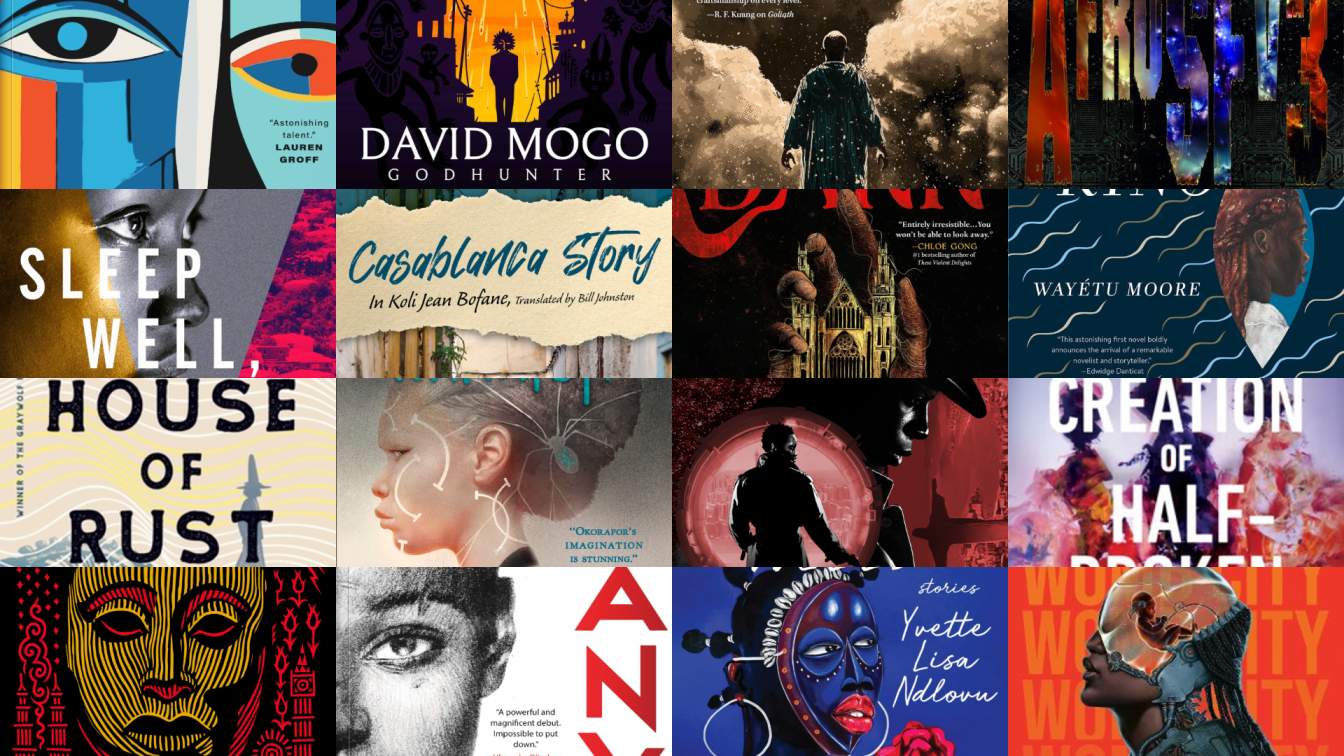

What we have here are some notable works of fiction that can transport one into a world where idealism and daydreams can take centre stage even in the face of reality.
By Afrocritik’s Editorial Board
Escapism in fiction is any fiction that offers an escape to the reader from their immediate reality; any fiction able to immerse the reader in a world different from their own. It is usually an imaginative story rooted in a created world operating outside of strict realism.
Most escapist fiction does not aim to address contemporary issues—even if they can sometimes—but to offer heightened entertainment to readers. While escapist fiction may encourage psychological engagement, it is the opposite of the kind of naturalism you find in fiction that tackles the subject of war, death, politics, and other less savoury aspects of the human condition.
Although escapist fiction is mostly forward-looking and often exercises optimism, it can also dwell on adversities within its created universe. However, such adversities are eventually conquered by the protagonists, who are usually bestowed with the proper attributes to combat them.
A big part of what is called escapist fiction today is mostly genre fiction: speculative genres, romance, crime/detective fiction/pulp, graphic novels, fable, magic realism, and others. Whilst their subject matters may not necessarily be optimistic, we can rationalise them as offering a complete or partial reimagination of reality.
The term “escapism” problematises the relevance of labels in literature. It can admittedly be reductive, “laden with negative connotations”, as Sana Hussein notes in an essay in The Missing Slate, often being viewed from a one-dimensional perspective. But the fiction that is labeled escapist often finds ways to satirise the very issues they are supposed to be escaping, which makes the term “escapist” moribund (we are retaining it here for convenience), for some of the best fiction to ever grace the world of letters can still be strictly classified as genre fiction.
This fact upholds the ambivalence as to whether there is truly any total escape in fiction. In another sense, however, when one considers that escapism is hinged on the imaginative potential to transport one from one imagined reality to another, we can conclude that all literature is escapist, notwithstanding its subject matter.
The need to make this list is predicated on a contemporaneous desire among young African readers for fiction that does not portray the harsh realities of Africa. Every year, a version of this desire is expressed in varying ways. It is not clear to what end such hankering is being dictated or if there’s any end to it at all. What is clear is that this is the prevailing status quo for anyone interested in the changes that are occurring in our attitudes towards reading.
In selecting these works of fiction, I imposed certain limitations. The first being that they must come from the period between 2016 and 2026, which is the last decade. Second, they have been written by writers who hail from Africa and identify with it. Third, they have to be representative; that is, they have to represent all corners of the continent or the genres in which African writers are presently writing. Fourth, they are not selected on the basis of them being “the best”, for that label cannot be determined in any meaningful way when a certain point in quality has been surpassed, more so when there is a serious dearth of publications in the desired direction.
What we have here are some notable works of fiction that can transport one into a world where idealism and daydreams can take centre stage even in the face of reality.
Fortunately or unfortunately, depending on who you ask, Nigeria unsurprisingly dominates most of the genres that fall under the label of escapist fiction. The struggle then for any selector of such a list is to de-Nigerianise it to achieve a more wholesome and democratic end.
Womb City (2024) – Tlotlo Tsamaase
Botswanan sci-fi writer and Caine Prize-shortlisted author Tsamaase’s complex novel explores AI and bodily autonomy alongside questions of power and gender in a dystopian Africanfuturist setting. The protagonist is a high-flying career woman who is saddled with a choice in a society where moving from one body to another has become currency.
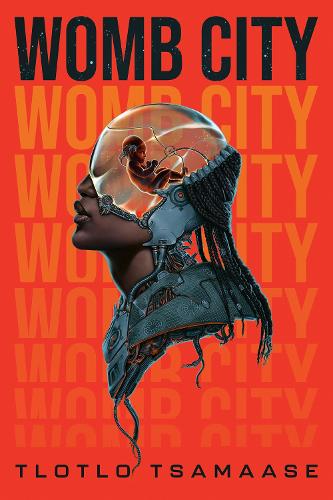
Having moved from body to body throughout her life, her latest turns out to have previously committed a crime, which forces her to live with that stigma, as well as the fact that that same body is infertile.
The Creation of the Half-Broken People (2024) – Sophiwe Gloria Ndlovu
This gothic novel by Zimbabwean novelist, Ndlovu, is the compelling story that weaves adventure into colonial and patriarchal imperatives that drive female rebellion. The narrators of the stories of men and women are “half-broken” by race and mental illness. This novel is a hypnotic account of love and magic. It won its author the Best International Fiction Award at the 44th Sharjah International Book Fair.
She Would Be King (2018) – Wayetu Moore
This ambitious, bravura novel by one of Liberia’s prominent contemporary writers is set in the early history of the country. It’s a notably magical universe in the world of the novel, and the characters are endowed with powers through which they chart their own destinies. In a historical narrative laden with myth, three characters’ lives are intertwined with the destiny of the country, which they must overcome despite stigma by ordinary people amidst the much-told tension between indigenous Liberians and the diaspora arrivés of the country.
AfroSFv3 (2018) – Ed. by Ivor W. Hartmann
One of the most important sci-fi anthologies to come out of this continent, AfroSFv3 features such notable names as Tendai Huchu, Stephen Embleton, Dilman Dila, Christy Zinn, Mazi Nwonwu, Wole Talabi, and others, at a time when SF has become one of the most dominant genres for African writers.
It reads in part: “Space, the astronomical wilderness that has enthralled our minds since we first looked up in wonder. We are ineffably drawn to it, and equally terrified by it. We have created endless mythologies, sciences, and even religions in the quest to understand it. We know more now than ever before and are taking our first real steps. What will become of Africans out there? Will we thrive? How will space change us? How will we change it?”
Drinking From the Graveyard Wells (2023) – Yvette Lisa Ndlovu
This collection of stories from the Zimbabwean surrealist fictionist takes on the personal and generational histories of African women. In stories with bizarre plots, Ndlovu meshes Zimbabwean traditions and mythology with the lives of African women in patriarchal settings.
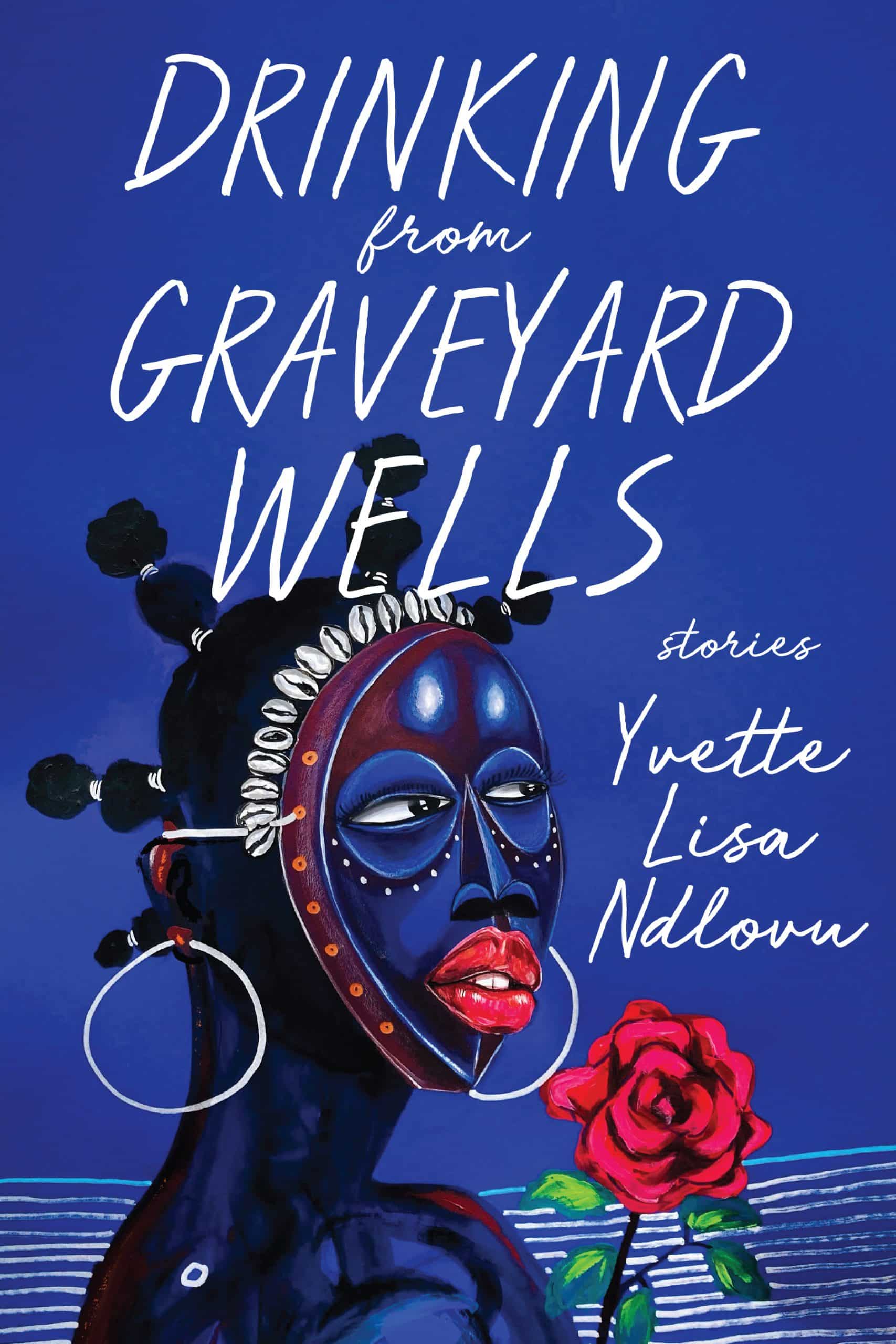
Much of the delight of this book lies in its bordering on fantasy. A neighborhood gossip wakes up to find that houses are mysteriously vanishing at night; a shapeshifting freedom fighter leaves a legacy for her granddaughter; an avenging spirit from beyond the grave comes to right the wrongs done to women, etc.
Intruders (2018) – Mohale Mashigo
This collection of short stories by the South African writer contains some of the most interesting speculative fiction available today. Mashigo’s steady hand is dependable in stories that explore the everyday ills we constantly wrestle with while allowing hidden energies to play out their unforeseen consequences. At a busy taxi rank, a woman kills a man with her shoe. Orphan sisters chase monsters of urban legend in Bloemfontein. A genomicist is accused of playing God when she creates a fatherless child. Intruders is a collection that explores how it feels not to belong. The Lagos Review describes it as a “subversive alternative to Afrofuturism.”
Sanya (2022) – Oyin Olugbile
The 2025 winner of the NLNG Prize, this novel by first-time novelist Olugbile retells the Yoruba mythology of Sango from a female perspective in the manner of a modern fantasy. It follows Sanya and her sickly older brother, Dada, who both possess powers that ultimately lead to a collision course.
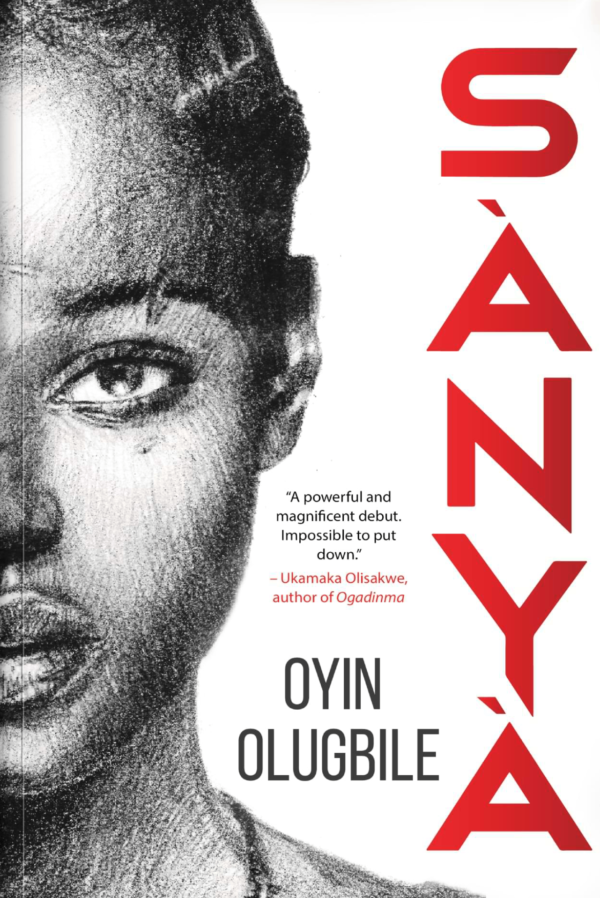
Overarching all these is an oblique prophecy of a great warrior who will either save or destroy the world. Olugbile’s novel has been described as daring and draws favourable comparisons with Nnedi Okorafor’s work.
Immortal Dark (2024) – Tigest Girma
The bestselling Ethiopian writer has captured a contemporary readership on the strength of dark fantasy novels built around Ethiopian mythology. Immortal Dark is a romantasy title about a hidden vampire realm in Africa whose members can only feed from select bloodlines. Peaceful co-existence means that these select human bloodlines have to go to a certain elite university before choosing a vampire companion. Enter Kidane Adane, who suspects her sister has been kidnapped by a vampire. Everything becomes complicated from that point.
Only This Once Are You Immaculate (2021) – Blessing Musariri
This genre-bending debut novel by the Zimbabwean writer involves two twins fleeing a war-torn region, along with their brother Khalid. Having left the shelter of the hidden valley where they had been all their lives, they are astonished by the bustle of the outside world. Beneath this chaos is an order more threatening to them. Everything around them is gathering with speed towards them: an army shadows gathering and looking to break free from the navel of the world where they had been subdued for centuries.
Harmattan Season (2025) – Tochi Onyebuchi
A private investigator in a nameless French-ruled West African country is investigating the disappearance of a hemorrhaging woman and discovers a larger conspiracy. Navigating a tenuous ethnic set-up while confronting his violent past, Boubacar, the private investigator begins to unravel a pattern when he discovers that a series of homicided corpse tend to levitate after death. Blending elements of crime, noir, and fantasy, Onyebuchi’s novel is an original take on colonial legacy, which does hew too raw on the subject.
A Spy in Time (2018) – Imran Coovadia
This spy novel by the South African novelist and academic is an unusual blend of sci-fi and spy fiction. Enver Eleven, a spy for the historical agency, lives in the only surviving Post-Supernova South African city, Johannesburg. In the city, time-travelling agents go between the past and present searching for an elusive enemy. Enver’s mentor disappears, and he must investigate that while at the same time trying to prove that he is not a double agent.
Akata Warrior (2017) (The Nsibidi Scripts series) – Nnedi Okorafor
This novel by the preeminent Nigerian speculative fiction author is the middle book of a series whose first book is the well-known novel, Akata Witch (2011), and which is followed by Akata Woman (2022). I would recommend reading the entire trilogy together since I am considering them here as one book.

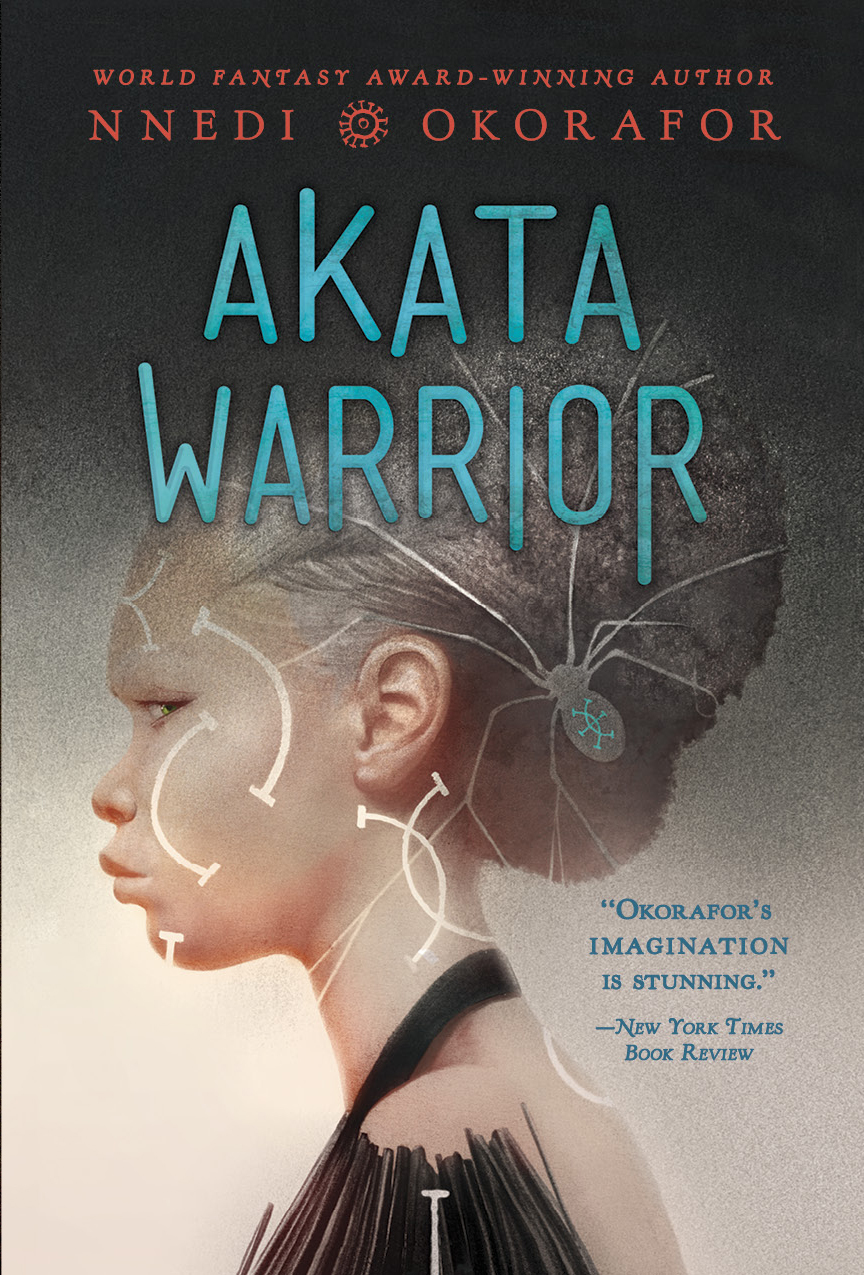
The story here follows Sunny Nwazue, an albino living in Aba, who has a recurring dream of a burning city. She disobeys the rules of the Leopard society, of which she is a member, and subsequently fights to be free. There is much overlap between her and several gods of the Igbo pantheon. The novel offers the reader a different view of girlhood and youth as a struggle to find oneself.
Casablanca Story (2022) – In Koli Jean Bofane
In this riveting detective novel by the Congolese writer, the body of a woman, Ichrak, has just been discovered. Who murdered her? Before her death, all men both feared and desired her in equal measure. Bofane captures with biting humour and sharp wisdom the corruption, sexual desire, and life of working-class migrants in a city under the occasional siege of the Saharan winds, Chergui. Bofane is a consummate writer who deserves to be known in the Anglophone world.
David Mogo, Godhunter (2019) – Suyi Davies Okungbowa
The well-known Nigerian spec fiction writer came to the limelight with this fantasy godpunk novel, which tells the story of a demigod roaming through the streets of an alternate Lagos in the aftermath of The Falling, an event in which thousands of Orishas had fallen to the city. David Mogo then takes it upon himself to hunt these gods. There is a curious blending of Biblical mythology and Yoruba mythology. And yet the story seems to entirely constitute its own realm. The first novel by Okungbowa, it won the Nommo Award in 2020.
The House of the Coptic Woman (2023) – Ashraf Ashmawi
This novel by Ashmawi, one of the few Egyptian authors writing in English, is a significant tale of conflict, crime, and upheaval in rural Egypt. Its blurb reads: “Nader, an idealistic public prosecutor at the outset of his career, leaves Cairo to start a new posting in rural upper Egypt. On his first night, a mysterious woman named Huda shows up at his lodgings.
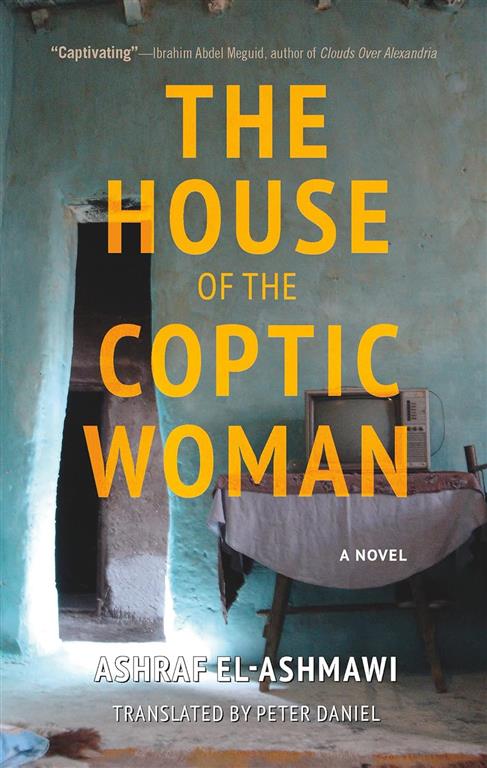
She is on the run from an abusive husband and, harboring a dark secret, seeks a new start in this small village and escape her harrowing past. Nothing is to be easy for Huda or Nader, and the dramatic circumstances of their first meeting signal the disquiet to come. It is not long before tensions between Copts and Muslims, already on a knife-edge, spiral into a spate of unexplained killings and arson attacks.”
Shigidi and the Brass Head of Obalufon (2023) – Wole Talabi
This Nommo Award-winning novel by the Nigerian sci-fi author characteristically blends Yoruba mythology with elements of fantasy and sci-fi. The timeline varies widely from the 11th Century in Ethiopia to London in 2017. It follows a succubus spirit called Nneoma over the course of nearly a millennium. Ranging from locations in Ethiopia, Algeria, Nigeria, England, and the Spirit World, it is a story of the world of gods and deities, their rivalries, and their struggles through the world of spirits and humans. A center of it all is an exciting heist involving an ancient brass head, an ancient time, and navigating the spirit side of London in record time.
Triangulum (2019) – Masande Nshanga
This sophomore novel by the talented South African writer is set in Eastern Cape province, where a maths prodigy is haunted by the loss of her mother, who disappeared during the dismantling of the country’s homelands system. At about the same time, a thing called “the machine” begins to visit her, and she is convinced it has something to do with her mother. Embarking on an investigation of this phenomenon with her friends, questions of whether these are the mere hallucinations of a disturbed young girl or evidence of extraterrestrial contact begin to emerge. Here, Nshange’s highly original vision takes on the future and the now.
House of Rust (2021) – Khadijah Abdullah Bajabar
In this novel, which won the Graywolf Press African Fiction Prize as a manuscript, a Hadhrami girl in Mombasa, Kenya, goes on a fantastical sea voyage to rescue her father on a magical boat. In its review of the novel, Afrocritik described it as a quest novel. That description captures both the spirit and themes of House of Rust, which offers readers a fantastic take on Swahili culture through a literal escape narrative. A reader can’t go wrong here when they finally suspend disbelief.
Sleep Well, My Lady (2021) – Kwei Quartey
The title of this novel by the Ghanaian crime novelist recalls one of the world’s most famous hardboiled novels, Chandler’s The Big Sleep. Its story, however, differs. A year ago, Lady Araba, a fashion mogul, was found murdered in her home in Beverley Hills, Accra.
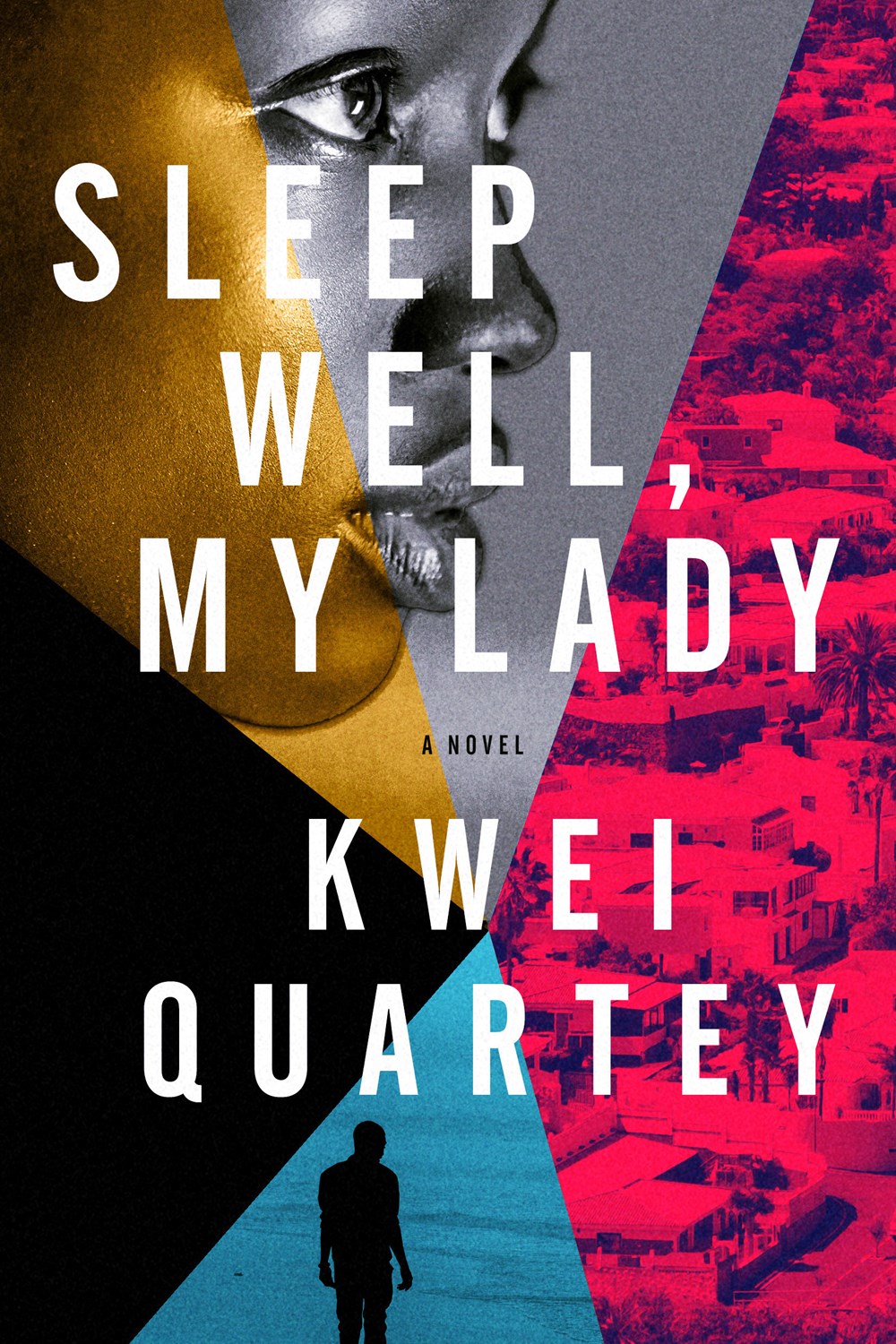
Her driver was arrested, but her aunt suspects her boyfriend of being the real murderer. Her aunt enlists the services of Eman Djan, a young private investigator with a fast-growing reputation for getting results. What follows is a spate of lies and a singular willingness to kill to keep a secret.
Ghostroots (2024) – Pemi Aguda
Do you remember dreaming about being chased, and then suddenly you’re flying above that immediate danger? In this debut collection of short stories by one of the most talented writers out of Nigeria, the supernatural merges with the natural in Nigeria’s megacity of Lagos, where everyday events can go from outrage to incredulity.
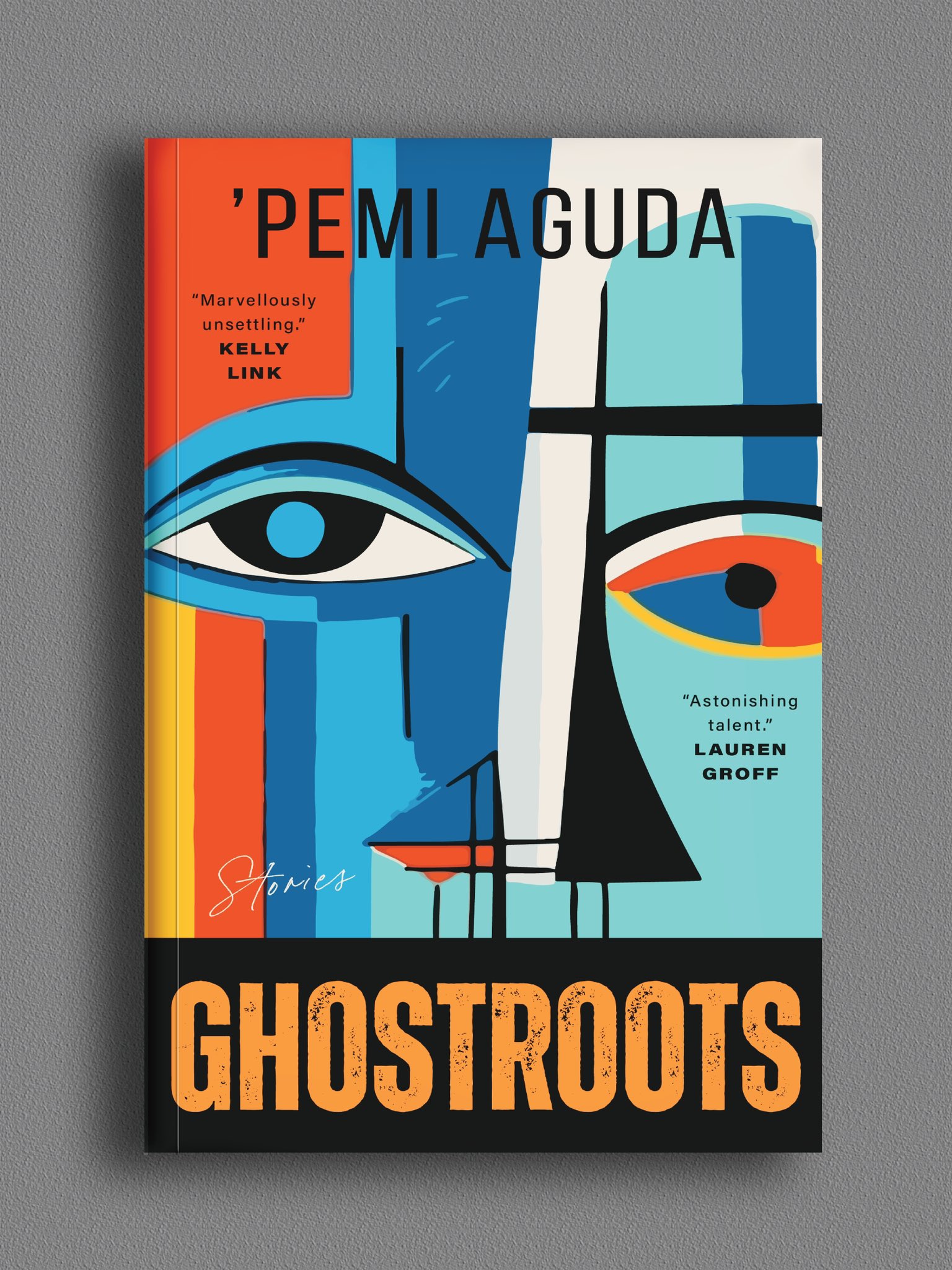
The patterns Aguda draws in her fiction are not any different from the world-weird stories of Lagos, yet they offer an alternative way of looking at the ways in which the myths of our everyday urban existence and family histories are upended, centralised, and philosophised.
Chimezie Chika is a staff writer at Afrocritik. His short stories and essays have appeared in or forthcoming from, amongst other places, The Weganda Review, The Republic, The Iowa Review, Terrain.org, Isele Magazine, Lolwe, Fahmidan Journal, Efiko Magazine, Dappled Things, and Channel Magazine. He is the fiction editor of Ngiga Review. His interests range from culture, history, to art, literature, and the environment. You can find him on X @chimeziechika1