

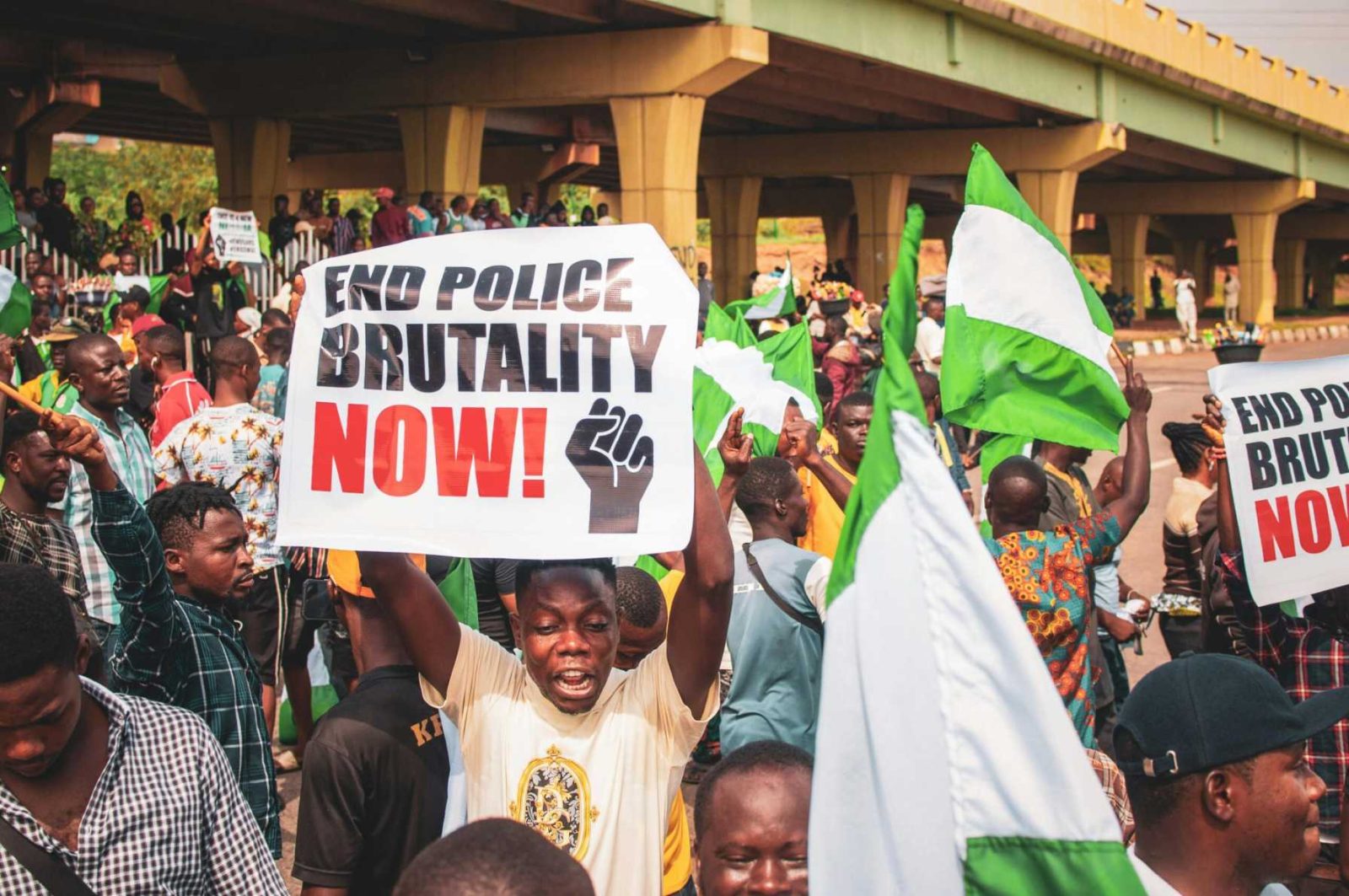

Expression and accountability are not the same thing, and the architecture of every major social media platform is built for the former while being largely indifferent to the latter.
By Joseph Jonathan
On Wednesday, 13th May 2026, Nigerians flooded the World Bank’s Instagram comment section. They had learned that President Bola Tinubu’s administration was seeking a fresh loan of $1.25 billion (₦1.7 Trillion) from the institution, this coming in a context where Nigeria’s total public debt had already risen to approximately $110.96 billion (₦159.27Trn) by the end of 2025, and where debt service was consuming somewhere in the region of 60 percent or more of government revenue.
Earlier in March of the same year, the National Assembly had approved a $6 billion external loan request in less than four hours. Civil society organisations were calling it fiscal rascality. And ordinary Nigerians, having considered their options, had chosen to make their case on a social media page operated by a Washington-based multilateral institution that they had no democratic relationship with whatsoever.
It is worth asking why. On the 22nd of November 1937, Nnamdi Azikiwe launched the West African Pilot from Lagos with a motto that read: “Show the light and the people will find the way”. It was not merely a newspaper slogan. It was a theory of governance. Azikiwe understood, as did John Payne Jackson before him with the Lagos Weekly Record and Herbert Macaulay with the Lagos Daily News, that a colonised people without a deliberative press was not merely uninformed.
It was, in the most precise sense, ungoverned by itself. Every edition of the West African Pilot, with its circulation of roughly 25,000 copies spreading well beyond Lagos into the Eastern and Western regions, was an act of political imagination: here is a people capable of reasoning about its own future. The press did not merely report on the independence movement.
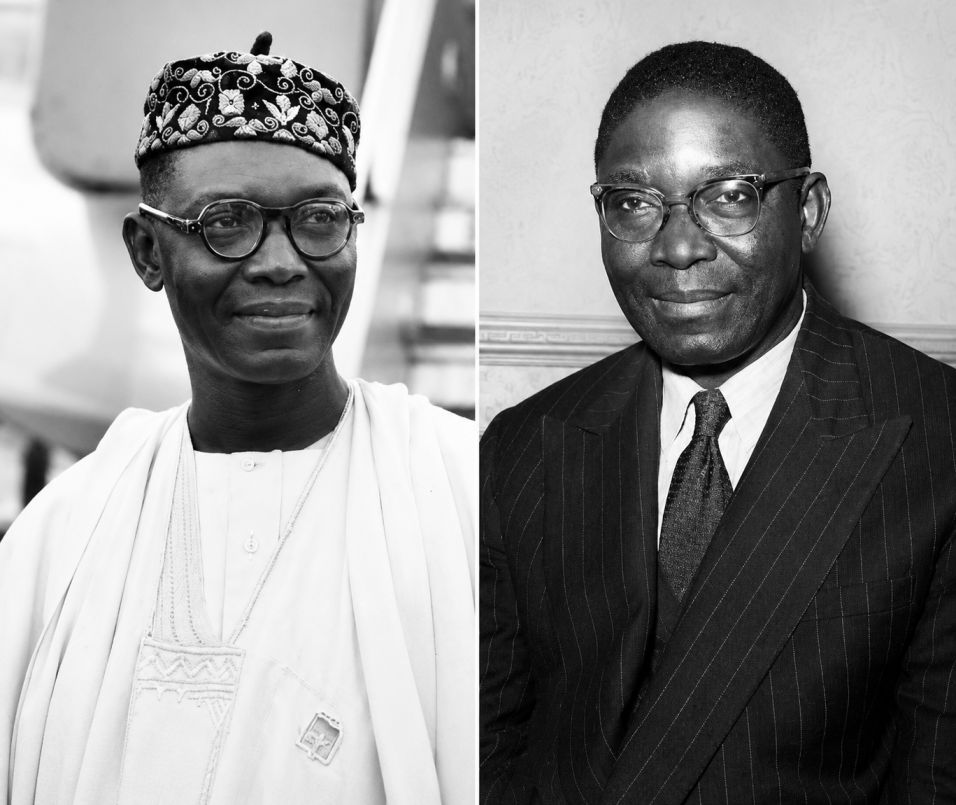
It created the deliberative culture that the movement required, building edition by edition the shared vocabulary, the common grievances, the sense of collective stake in a political outcome. When Nigeria became independent in 1960, it inherited that infrastructure. What has happened to it since is the question that the comment section moment places, with uncomfortable clarity, before anyone paying attention.
The World Bank’s Instagram page is not a democratic forum. The institution does not lend to people; it lends to governments. No comment, however passionate or numerous, will alter a credit assessment or a board decision. The Nigerians filling that comment section almost certainly knew this. They did it anyway, because the National Assembly had already shown them what it does with their concerns, and the executive had already shown them what it does with the legislature, and the judiciary had already shown them what political alignment does to legal accountability. When every legitimate channel has been compromised or captured, the comment section is what remains. It is the deliberative space of a democracy that has misplaced its deliberative infrastructure. This is not a new story. It is a very old one, wearing a new interface.
The Structural Adjustment Programme that Ibrahim Babangida’s military regime introduced in July 1986 was a set of economic policies shaped by conditionalities attached to World Bank and IMF prescriptions. Though Nigeria did not take an IMF loan directly, SAP’s architecture bore the unmistakable signature of Washington Consensus thinking: devalue the naira, remove subsidies, privatise public enterprises, cut social spending. Inflation rose from 5.4% in 1986 to 40.9% by 1989. The fabric of ordinary Nigerian life was restructured not by a government Nigerians had elected but by a military regime implementing conditions that institutions in Washington had attached to access to capital. The Nigerian people were not consulted. They were, at most, the terrain on which the decisions were implemented.
What followed was instructive. Labour unions, students, professional bodies, and pro-democracy groups formed alliances that kept resistance to military rule alive through the Babangida years and into the lethal darkness of the Abacha era. The National Democratic Coalition (NADECO), formed in 1994 in the wake of Babangida’s annulment of the June 12, 1993 election, still acknowledged as the freest and fairest in Nigeria’s history, brought together former governors, politicians, and activists under the explicit demand for democratic restoration. The press went into the trenches. Newswatch magazine, founded in 1985, and its editor-in-chief, Dele Giwa, represented a new kind of journalism that paid, in Giwa’s case, fatally, for its daring. His assassination by letter bomb in 1986, the killing of Alfred Rewane in 1995, the imprisonment and eventual death in custody of MKO Abiola, and the execution of Ken Saro-Wiwa in 1995; all were, at root, the state’s response to the same problem: a public trying to be heard through the only channels left open to it, and a government that preferred to close those channels rather than respond to what was being said through them.
The pro-democracy movement eventually succeeded, in the narrow sense that military rule ended in 1999. What it did not succeed in doing was building the durable deliberative institutions its own struggle had implicitly demanded. The Fourth Republic inherited the form of democracy without consistently inhabiting its substance. The National Assembly, the press, and civil society returned, but into an environment shaped by decades of military culture, patronage politics, and entrenched interests whose power depended on the absence of genuine accountability. And the international financial institutions that had helped impose SAP continued to play a structural role in shaping Nigerian policy in ways that bypassed whatever democratic deliberation existed.
In 2005, under President Olusegun Obasanjo, Nigeria struck a landmark deal with the Paris Club of creditors. The club cancelled $18 billion in debt in exchange for Nigeria paying $12 billion from oil earnings, wiping out roughly 60 percent of its external obligations. External debt fell from approximately $35 billion to less than $5 billion. Obasanjo called it a “dividend of democracy.” The conditions attached included commitments to the economic reform blueprint known as NEEDS, endorsed quarterly by the IMF. The Nigerian people did not vote on NEEDS. The terms of the relief, like the terms of the original debt, were agreed between the government and external creditors. Finance Minister Ngozi Okonjo-Iweala later described the negotiations plainly: the creditors were not in the business of giving money away.
They never are. And this is the architecture that 2026’s comment-section Nigerians are shouting into: a system in which fundamental decisions about the country’s fiscal future are made in conversations to which the Nigerian public is not a party. This was true in 1986. It was true in 2005. By December 2025, civil society organisations were documenting how the National Assembly had approved the repeal and re-enactment of both the 2024 and 2025 Appropriation Acts within days, without the bills being made available on any public portal, without opportunity for citizen participation. The people flooding that Instagram comment section are, without quite knowing it, performing a critique of a system whose architecture was never designed to hear them.
What that moment reveals is where the appetite for democratic deliberation goes when the official channels have failed to contain it. The appetite has never been in question. The colonised Nigerians who read the West African Pilot were exercising political consciousness under conditions designed to suppress it. The workers and students who resisted SAP were exercising it under conditions designed to criminalise it. The NADECO activists were exercising it under conditions designed to murder it. And the Nigerians flooding an Instagram comment section in 2026 are exercising it under conditions designed to render it irrelevant. The medium changes with each era. The impulse is continuous. What changes is its efficacy.
Social media has become the default medium, and it is a poor substitute for what it replaced. The platforms that dominate Nigerian public discourse (X, Instagram, TikTok, Facebook) are architecturally optimised for engagement, not accountability. They lower the cost of political expression to near zero, which sounds like democratisation but produces a specific pathology: outrage peaks at trending velocity and dissipates before any institutional response is required. A government that once needed to suppress the press or arrest a union leader to neutralise public pressure now simply has to wait. Three days is usually sufficient. Expression and accountability are not the same thing, and the architecture of every major social media platform is built for the former while being largely indifferent to the latter.
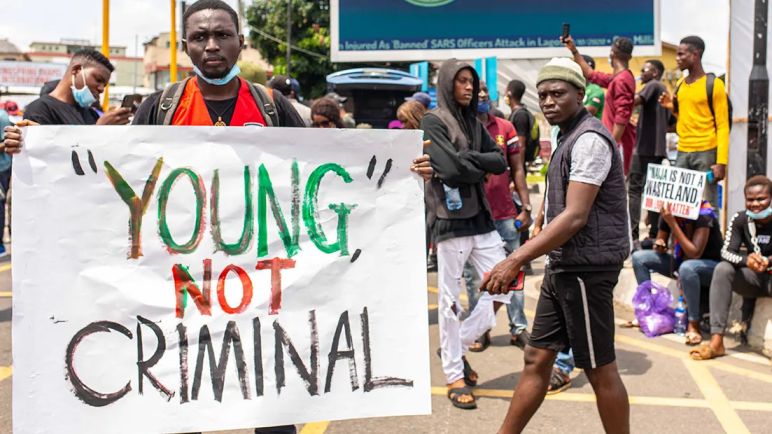
The clearest evidence for this is also, paradoxically, the moment that most resembles a counter-argument. On October 3, 2020, a video went viral showing SARS officers dragging two men from a hotel in Ughelli and shooting one of them. Within days, the hashtag #EndSARS had accumulated tens of millions of tweets, and by October 8, Nigerians were in the streets. By October 20, protests were running simultaneously across the country’s major cities in what became the largest demonstration movement since the democratic transition of 1999. The movement was leaderless by design and produced, within thirteen days, a government announcement that SARS had been disbanded.
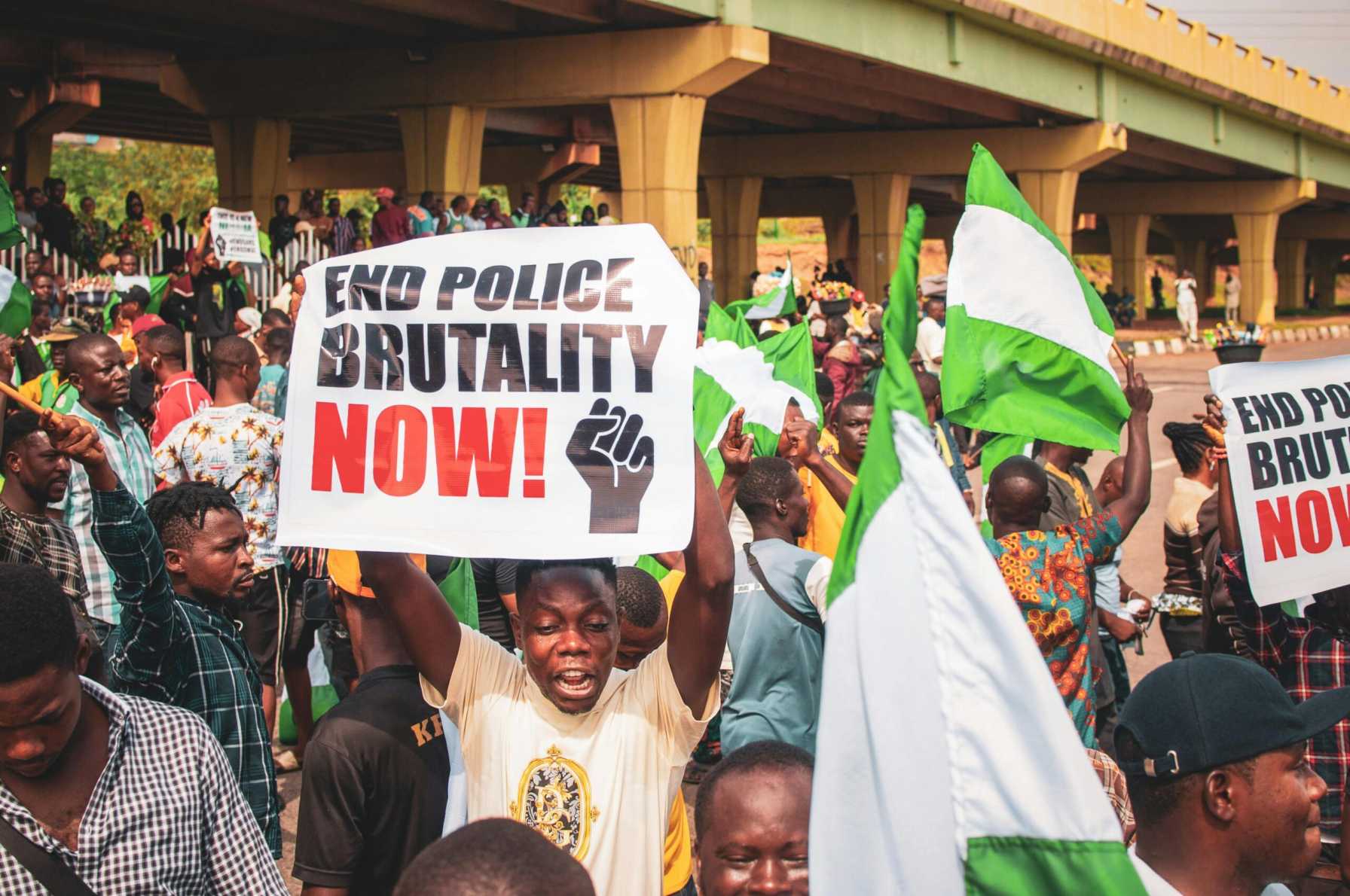
Then, on the night of October 20, soldiers opened fire on peaceful protesters at the Lekki toll gate in Lagos. Amnesty International confirmed at least twelve deaths at that location alone. The government replaced SARS with a unit called SWAT, the fifth time since 2015 that authorities had promised to reform or disband the same squad. The movement dispersed. Bank accounts of prominent supporters were frozen. No officer has been meaningfully prosecuted for the Lekki killings. EndSARS is not the exception that disproves the rule about social media’s limits in Nigeria. It is the rule’s most devastating illustration: the most organised, most sustained, most genuinely mass mobilisation in recent Nigerian history, and it produced a name change.


The contrast with Kenya in June 2024 sharpens the point. When Kenyan youth mobilised against the Finance Bill 2024, translating the hashtag #RejectFinanceBill2024 from TikTok into street protests across at least 36 counties, President William Ruto withdrew the bill entirely, saying in a televised address: “The people have spoken”. At least 22 people died in the violence that preceded that concession. The victory was real and narrow. The Finance Bill was a single document with a parliamentary passage date and a presidential assent deadline, a pressure point with a clear geography. Ruto calculated that holding the line would cost him more than conceding.
Kenya’s deeper structural conditions — its debt dependency, executive overreach, the IMF programmes shaping its fiscal choices — did not change. What Kenya demonstrates is that social media mobilisation can win specific, bounded legislative battles when the political calculation favours concession. Nigeria’s World Bank comment section moment is not that. There is no single bill, no assent deadline, no clear winning condition. There is a diffuse, structurally entrenched pattern of borrowing forty years in the making. The Kenyan precedent clarifies rather than comforts: the tools that work for one kind of fight do not automatically transfer to another.
The pre-independence press worked precisely because it understood its fight. Its power derived from genuine independence of the interests it scrutinised, from editors willing to pay the personal cost of that independence, and from readers who understood it as a tool of collective self-determination rather than entertainment. The Nigerian press of the 1990s found something of that power again in the crucible of resistance to Abacha: guerrilla journalism operating under existential threat, underground magazines circulating despite bans, radio broadcasts from exile keeping the democratic argument alive. They worked well enough that the argument for democracy survived the regime trying to kill it. What the return to civilian rule did not produce was institutions strong enough to sustain that tradition. A democratic transition that prioritised elite negotiation over popular participation gave Nigeria the form of accountability without its substance.
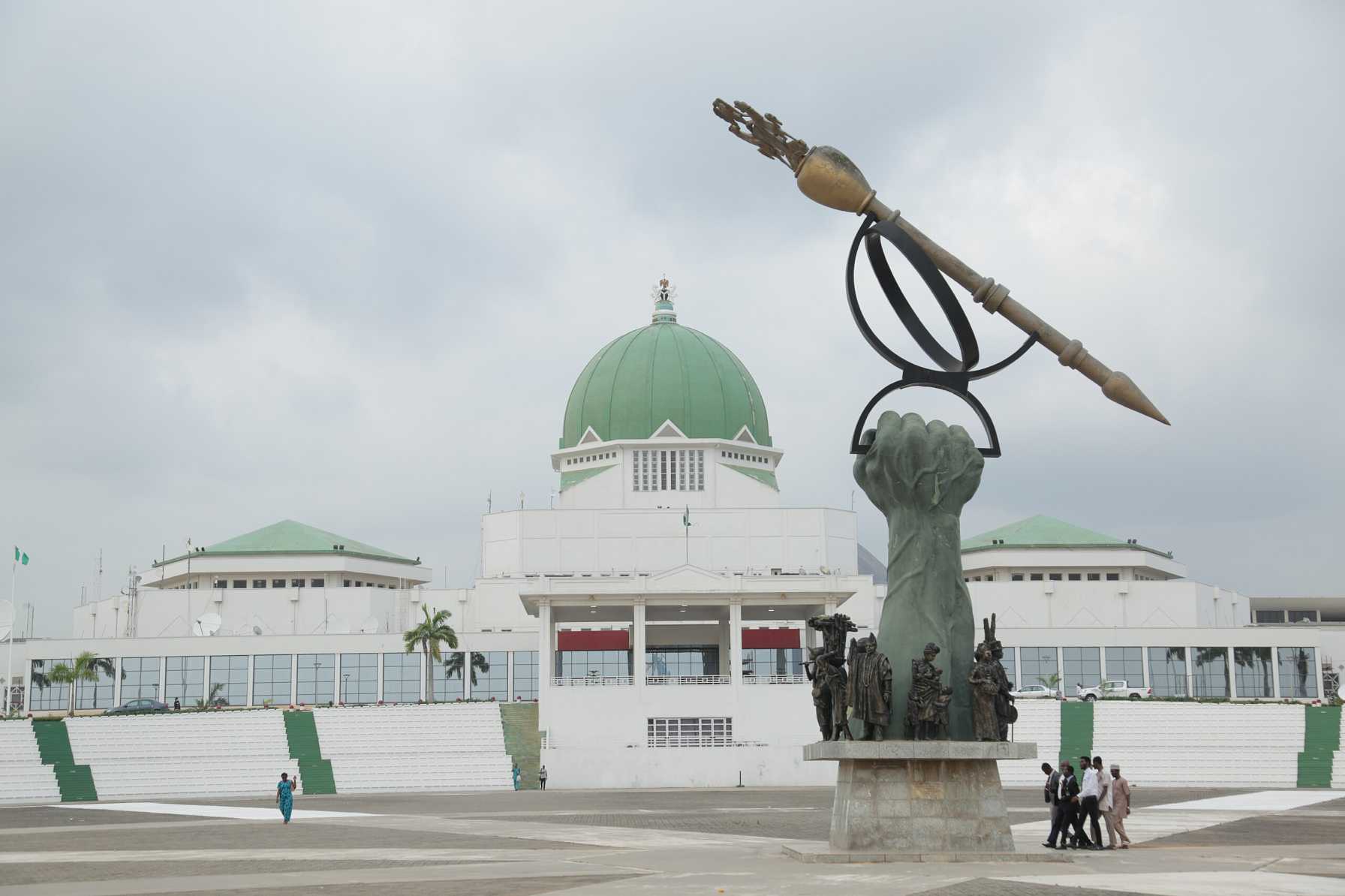
If the National Assembly is not a reliable site for popular accountability, and the press cannot consistently supply what the legislature fails to provide, and social media gives the appearance of deliberation while producing almost none of its substance, what structures could actually work? The honest answer is that the underlying requirements have not changed, only the context in which they must be met. Deliberative democracy needs channels genuinely independent of the power they scrutinise. It needs citizens who understand the difference between expressing outrage and building the sustained pressure that forces institutional response. And it needs, critically, a renegotiation of the terms on which Nigeria participates in the international financial system, one in which the conditions attached to lending are themselves subject to democratic deliberation rather than arrived at in rooms from which the Nigerian public is excluded by design.
The people in that comment section are not wrong to be angry, and they are not wrong to want to be heard. They are the inheritors of a long tradition of Nigerians who understood that the decisions being made about their lives required their participation, and who found, in each generation, whatever channel was available to insist on that participation. John Payne Jackson found a printing press. Azikiwe found a newspaper and a political party.
The NADECO generation found underground radio, exile networks, and the sheer stubborn refusal to accept that the matter was settled. The social media generation has found the comment section. The tools are less powerful than they were. The structural conditions are more entrenched. Yet the impulse is the same one that produced the West African Pilot, that filled meeting rooms with arguments about self-governance, that kept the June 12 flame burning through five years of Abacha. It is the impulse of a people that has never, across all its political seasons, fully accepted that its voice is not a necessary part of the conversation about its own future.
The question for 2026 is not whether that impulse exists. It is whether it can find a form capable of doing what the comment section cannot: holding power, not just reaching for it.
Joseph Jonathan is a historian who seeks to understand how film shapes our cultural identity as a people. He believes that history is more about the future than the past. When he’s not writing about film, you can catch him listening to music or discussing politics. He tweets @Chukwu2big