

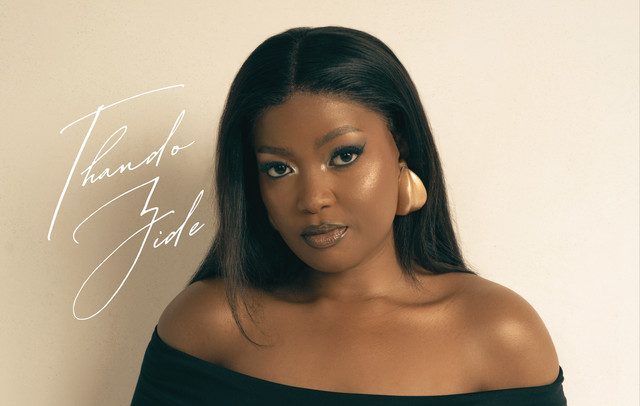

As a debut, Ku Ngawe accomplishes exactly what it should: it offers an honest, deeply personal introduction to an artiste comfortable enough to present herself without compromise.
By Yinoluwa Olowofoyeku
Emerging from Soweto’s flourishing Soul scene, Thando Zide has steadily established herself as one of a new generation of South African singer-songwriters drawing equally from Afro-Soul, Jazz and Contemporary R&B. Raised in a deeply musical household before honing her craft through school choirs, orchestras and Johannesburg’s live music circuit, Zide first introduced listeners to her intimate songwriting on her 2023 EP UMvulo, a project that quietly announced a vocalist with both technical finesse and a gift for emotionally grounded storytelling.
Since then, a string of collaborations and standalone releases has continued to refine that artistic identity, positioning her as an exciting voice whose music comfortably balances cultural rootedness with modern sensibilities.
That evolution culminates in Ku Ngawe, Thando Zide’s debut album, where she expands the emotional and sonic palette hinted at on UMvulo across eleven songs. Framed by themes of love, healing, spirituality and personal growth, the record sees her surrounded by kindred South African voices including Manana, Ami Faku, Msaki and Given Zulu, collaborators whose appearances complement rather than overshadow her vision.
Throughout Ku Ngawe, Zide effectively blurs the lines between Afro-Soul, Jazz and R&B, allowing expressive songwriting and richly textured musicianship to serve as the project’s defining characteristics.
The sombre piano arrangement that introduces “Mama Ka Myeni” establishes the emotional core of Ku Ngawe immediately, as Thando Zide delivers a heart-wrenching performance with soft, tender vocals, breathy high notes and a palpable sense of vulnerability.
Dreamy backing harmonies gently cushion her lead before the sonic landscape gradually expands, with heavily reverbed percussive hits, solemn strings and a growling synth bass steadily broadening the arrangement. Rich harmony layers continue to gather momentum, while haunting background vocals guide the song towards a stirring emotional crescendo that never loses its intimate restraint.
The lyrics centre on unwavering gratitude towards a mother figure whose sacrifices laid the foundation for everything that followed. As Zide sings, “Mama kamyeni wami/ Ngize ngescelo esisodwa [My mother-in-law/ I have come with one request]/ Akuyona inhloso yami/ Ukukuzwisa ubuhlungu kodwa ngangona [It was never my intention/ To hurt you, but I was wrong]”, the song becomes a heartfelt apology and expression of appreciation, with every swelling instrumental layer reinforcing its moving sincerity.
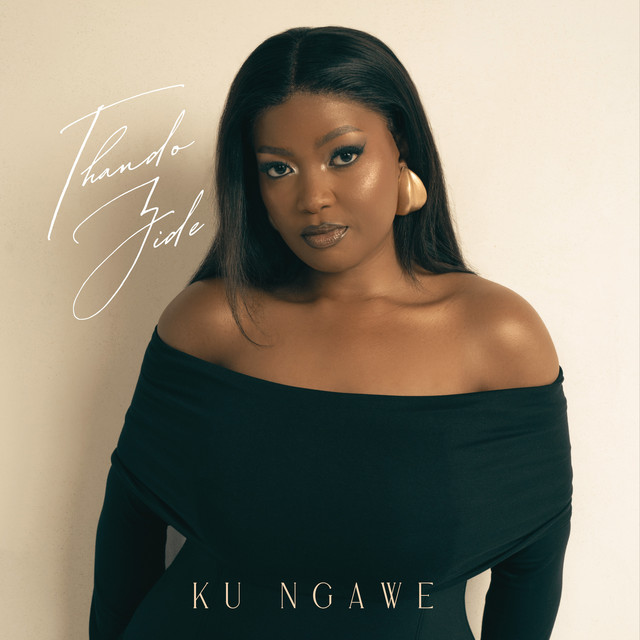
“Indalo” gently lifts the album’s emotional palette without sacrificing its tenderness. Filtered strummed acoustic guitars glide over sparse low-end percussion while sparkling piano accents and a thumb piano introduce a warm mallet-like colour to the arrangement. Zide settles comfortably into her rich lower register, her voice rarely left exposed as broad harmony stacks and intertwining counter-melodies widen the stereo image, enveloping the listener in soft, sweeping waves of vocals.
Bright synth textures quietly shimmer in the background as the song ebbs and flows, constantly introducing subtle instrumental and vocal layers that make the arrangement feel alive. Lyrically, the song embraces gratitude for life’s blessings and the people who make those blessings meaningful, reflected in the recurring refrain, “Vumela zijike izinto [Let things turn around]/ Yekela izimo [Leave the circumstances behind]/ Zikukhombise ubuhle bokwamukela [Let them show you the beauty of acceptance]”.
Built around bright grand piano chords and sparse clacking syncopation, “Imizamo” initially unfolds like a delicate Soul ballad before gradually blossoming into an Alternative R&B groove. Zide’s voice sits firmly at the centre of the mix while effected backing vocals swirl around her over smooth electric piano chords, with subtle hi-hats and a lively bassline adding a contemporary jazzy edge.
The arrival of fuller percussion and clap snares injects fresh momentum into the song, allowing her lead vocals to become more direct as the backing harmonies step aside just enough to let the emotional weight of her performance shine through.
The lyrics speak to perseverance through hardship, acknowledging painful seasons while refusing to surrender hope. As she repeatedly declares, “Imizamo yami [My efforts]/ Mayingapheleli emoyeni [May they not disappear into thin air]/ Mayigqame njengenkanyezi [May they shine like a star]”. Zide transforms personal resilience into a stirring anthem of quiet determination, carried by one of the album’s most beautifully evolving arrangements.
The arrival of Given Zulu on “Ngehle” introduces one of Ku Ngawe’s livelier moments. Bright chord progressions, lively shakers, richer drums, saxophone flourishes and a buoyant bassline immediately elevate the energy while remaining rooted in the album’s soulful R&B identity. Zide’s lead vocals become brighter and more assertive, climbing confidently into her upper register with smooth runs and sweet melodies as responsive backing vocals answer her phrases with rich harmonies.
Given Zulu, whose smooth melodic approach complements Zide’s own expressive delivery, joins her naturally as the pair explore unwavering devotion and choosing love despite uncertainty. The repeated refrain, “Ngehle, ngehle [I surrender, I surrender]/ Ngehle phantsi [I bow down]/ Muntu vele ungehle [Please don’t let me fall]”, captures that emotional surrender. Gospel-esque instrumental swells and organ textures give the song an uplifting warmth before it closes with a lively strummed guitar passage reminiscent of Maskandi guitar phrasing.
“Emandulo” returns Ku Ngawe to a deeply intimate emotional space, pairing heavily effected guitar strums with glistening piano chords, laid-back filtered R&B percussion and a hard-hitting rumbling 808 bass. Against that restrained backdrop, Thando Zide delivers one of her most delicate vocal performances on the album, singing in a whispery upper register with remarkable tenderness before stretching effortlessly into expressive melodic runs. Soft backing vocals continually answer her lead, gradually growing into a rich wall of harmonies as strings arrive late to deepen the emotional weight of the arrangement.
Every layer feels carefully placed, allowing the song’s warmth to accumulate naturally without overwhelming her performance. The lyrics reflect on a relationship that has become a source of healing and reassurance after difficult seasons, with Zide repeatedly describing her partner as a place of comfort rather than conflict. That feeling is beautifully expressed through the refrain, “Ngizizwa ngathi konke kuyalunga [I feel as though everything is alright]/ You’re my balm/ Ungenza ngithambe [You make me soft] …Uyohlala ungenza ngikholelwa [You will always make me believe]/ Kumandla othando [In the power of love]”, with the growing orchestration amplifying the song’s quiet sincerity until its moving close.
The opening seconds of “Lungisa” immediately catch the listener off guard as sharply EQ’d drums arrive in an uneven, almost freeform meter that makes it difficult to settle into a predictable pulse. Soft piano chords soon establish the melodic foundation while rich bass guitar and subtle brass textures gradually reveal themselves beneath Thando Zide’s angelic upper-register singing.
Rather than forcing the rhythm into conventional structure, the production allows its shifting accents to breathe, drawing attention to the interplay between the instrumentation and Zide’s buttery vocal phrasing. South African singer-songwriter Manana arrives midway through the song, his warm, understated timbre providing the perfect counterpart as the pair trade perspectives within a tender duet.
Their voices intertwine naturally while exploring the uncertainty that accompanies trying to repair a strained relationship. Zide admits, “Ngiyakuthanda kodwa I can’t help but feel/ Ukuthi you’re not pulling your weight [That you’re not pulling your weight]/ Ukuzama ukulungisa izinto [Trying to fix things]”, before Manana responds with vulnerable honesty, “But what if it don’t go our way? (Go our way)/ Getting kinda scared of the things that I have to say/ Cause looking at you is like looking at me/ Sometimes I don’t like what I have to see”. Their contrasting perspectives ultimately converge in the recurring plea, “Ngizama ukulungisa izinto [I’m trying to fix things]”, making the duet one of Ku Ngawe’s most emotionally balanced moments.
“Into Zakho” shifts into a brighter rhythmic pocket without abandoning the album’s emotional intimacy. Smooth synth chords and a bouncy synth bass establish the groove before quintessential R&B drums, built around a steady hi-hat, punchy kick and crisp rimshot, propel the song forward with an irresistible bounce. Zide glides comfortably between rhythmic phrasing and sweeter melodic passages, weaving graceful harmonies around a synth-assisted chorus while backing vocals cleverly occupy the off-beat pockets to give the arrangement an infectious sense of movement.
The result is a heartfelt R&B cut whose rhythmic sophistication recalls the effortless vocal craftsmanship of artists like Brandy. Lyrically, the song explores the lingering imprint left by a relationship that refuses to fade, even after separation. Zide paints that picture succinctly as she sings, “You left a mark on me/ From ngisaqala ukukwazi [From the moment I first got to know you]/ Wavesane waba ongayekeki kimi, baby [You became someone I could never let go of, baby] …Wo’zolanda into zakho [Come and collect your things]/ Zozithola khona kimi [You’ll find them with me]”, capturing the tension between trying to move on and recognising that emotional attachment still remains.
“Mnikeni” returns the album to the warm embrace of Afro-Soul, opening with gentle shakers and understated percussive syncopation beneath sombre pads and tender piano chords. Strummed guitars gradually widen the melodic landscape as Thando Zide delivers a performance that feels almost like a sung folktale, her simple melodies sitting confidently at the centre of an expansive bed of harmonies and supporting vocals.
Rather than relying on dramatic instrumental shifts, the production builds patiently through increasingly intricate percussion and delicate mallet tones, allowing the emotional impact to grow through subtle accumulation instead of spectacle. The lyrics read like an earnest appeal for honesty and emotional openness, asking for clarity instead of uncertainty within a relationship. As Zide repeatedly sings, “Sthandwa sami [My love]/ Is’thandwa sam sona sithini kini [What does my beloved mean to you?]”. The song’s uncomplicated writing perfectly complements its equally understated arrangement, making for one of Ku Ngawe’s simplest yet most affecting moments.
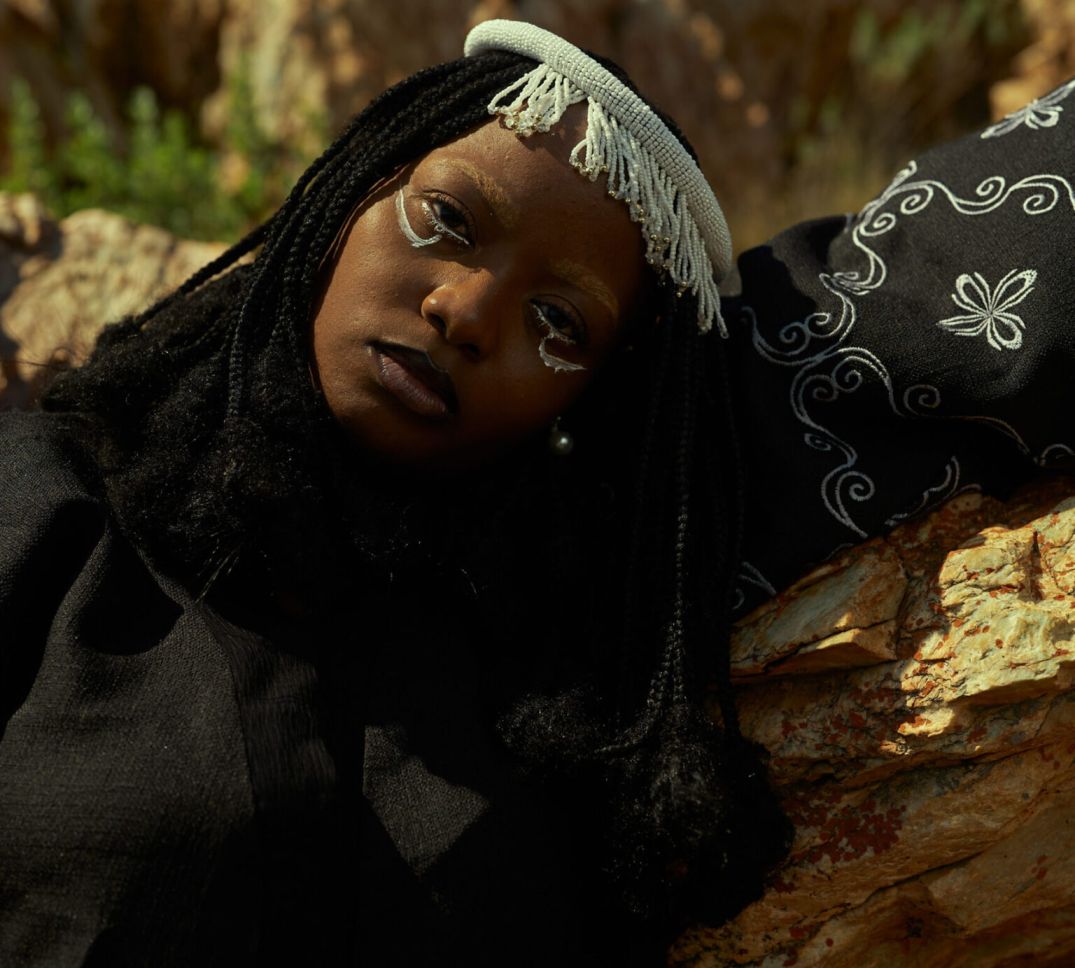
“Fakazela” continues Ku Ngawe’s exploration of quiet emotional vulnerability through a richly textured Afro Soul arrangement. Bright up-beat piano chords, rattling shakers and heavily syncopated percussion establish a gentle rhythmic foundation, while steady kick drums and a rumbling synth bass provide warmth beneath the surface.
Thando Zide glides effortlessly across the progression with lithe melodies and restrained vocal phrasing, allowing only delicate harmony layers to colour the performance before South African Afro Soul mainstay Ami Faku enters with her unmistakably airy timbre. Rather than competing for attention, the two vocalists complement one another beautifully, their contrasting textures intertwining into lush harmonies that heighten the song’s tenderness as bright synth plucks quietly decorate the chorus.
The duet is built around reassurance, asking a loved one to trust in a bond that has already proven its strength. That conviction comes through in the repeated plea, “Fakazela uthando lwakho [Prove your love] / Ngizokunika konke enginakho [I will give you everything I have]”, before the pair affirm together, “Ngizohlala ngikhona [I will always be here] / Uma ufuna mina [Whenever you need me]”, making the song’s emotional centre one of steadfast devotion rather than grand romantic spectacle.
Rich grand piano chords and warm pads introduce “Yobe Ntliziyo”, while subtle nature textures settle quietly behind thumping kicks, gentle hi-hats and lightly clacking percussion to create one of the album’s most understated grooves. Zide adopts a more conversational approach here, weaving between lightly melodic singing and a semi-rapped cadence as rapid-fire lines dance across the smooth Jazz-inflected rhythm. The arrangement remains deliberately uncluttered, allowing her rhythmic phrasing to become the song’s focal point before swimming harmony layers gradually surround the outro with quiet elegance. The lyrics reflect on emotional certainty, expressing a love that remains unwavering despite life’s unpredictability. As she sings, “Yobe ntliziyo yam [You are my heart] / Noba ihamba phi [Wherever it goes] / Izakuhlala ikuwe [It will always remain with you]”.
“Usana” closes Ku Ngawe with a stirring duet alongside celebrated South African singer-songwriter Msaki, whose rich, commanding voice provides the perfect counterbalance to Zide’s softer timbre. Unconventional percussive syncopation combines with a soulful piano arrangement to create an expansive cinematic backdrop where heavy bass anchors sweeping strings and haunting group vocals that seem to reverberate endlessly around the listener.
Zide enters with breathy vulnerability before Msaki’s fuller voice gradually cuts through the spacious arrangement, the pair exchanging phrases before joining together in soaring harmonies that provide a fitting emotional climax to the record. Their performances never overpower one another, instead reinforcing the song’s central message of nurturing hope, protection and new beginnings.
That sentiment is captured through the repeated refrain, “Usana lwami [My child]/ Ngizokugcina njalo [I will always protect you]/ Ngizoba khona kuwe [I will be there for you]”, while later assurances of “Ungesabi [Do not be afraid]/ Konke kuzolunga [Everything will be alright]” bring Ku Ngawe to a deeply comforting conclusion. It is a heartfelt finale that allows both singers to showcase the emotional depth of their voices while bringing the album’s recurring themes of love, care and healing gently to rest.
What a powerful debut. In an industry increasingly driven by the pursuit of viral moments, radio records and broad commercial appeal, Thando Zide never appears distracted by the pressure to chase hits. Instead, Ku Ngawe succeeds because it is unwaveringly authentic, presenting a clear artistic identity from its opening moments and confidently declaring who she is as both a vocalist and songwriter.
The album’s title, translating most naturally as “With You”, quietly finds expression throughout the record, not simply through romantic relationships but through recurring ideas of love, healing, belonging, faith, vulnerability and emotional refuge. Those themes provide a strong narrative thread that binds the project together, allowing its diaristic songwriting and heartfelt storytelling to feel purposeful rather than episodic.
As a debut, Ku Ngawe accomplishes exactly what it should: it offers an honest, deeply personal introduction to an artiste comfortable enough to present herself without compromise.
That emotional journey unfolds across an impressively varied tracklist, moving naturally between Soul, Contemporary R&B, Afro Soul and subtle Jazz influences while maintaining remarkable cohesion in both tone and atmosphere.


Much of that consistency stems from thoughtful production whose palette remains intentionally understated. Tender grand pianos, softly strummed guitars, deep rumbling basslines and restrained synth textures create melodic continuity across the project, while the rhythmic foundations adapt to each song’s particular needs.
Sparse percussion and spacious arrangements dominate the more introspective moments, before fuller drums, richer syncopation and increased rhythmic complexity emerge whenever the music leans further into its R&B and Afro Soul influences. Despite those stylistic shifts, the production never competes with the performances themselves, instead providing an elegant framework upon which every emotional moment is built.
That restraint ultimately serves the album’s greatest strength: Thando Zide herself. Throughout Ku Ngawe, she sets out to tug relentlessly at the listener’s heartstrings, and the emotional resonance she achieves rests upon two equally important pillars. The first is her songwriting, which consistently embraces diaristic vulnerability through poetic reflections on love, family, healing, forgiveness and selfhood.
Her lyrics paint vivid emotional pictures through carefully chosen imagery, metaphor and understated storytelling, possessing enough weight that they remain affecting even on the printed page. The second pillar transcends language altogether. Even without understanding every lyric, the emotional intent behind Zide’s performances remains unmistakable. She never relies on theatrical vocal acrobatics or oversized performances to communicate feeling.
Instead, she trusts honest delivery, allowing simple melodies to carry intimate moments before effortlessly climbing into agile higher-register passages whenever greater intensity is required. Every vocal choice feels measured and emotionally justified rather than technically demonstrative. Her featured collaborators, Given Zulu, Manana, Ami Faku and Msaki, are all exceptional vocalists in their own right, yet each instinctively matches the emotional register she establishes, strengthening the songs without ever shifting attention away from her artistic vision.
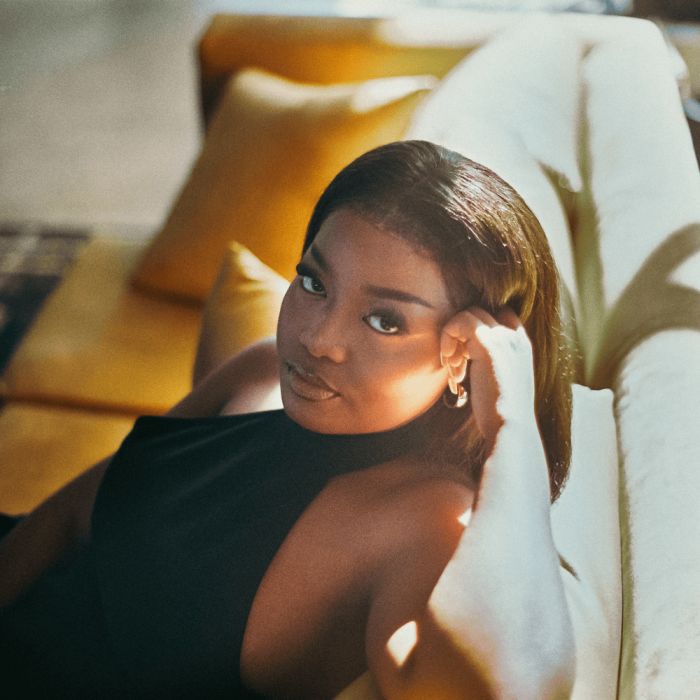
Perhaps the album’s true secret weapon, however, lies in the extraordinary way Zide constructs her vocal arrangements. Her use of harmony is consistently breathtaking, whether through carefully stacked harmonies, gently woven backing vocals, subtle call-and-response passages, tasteful ad-libs or expansive group vocal textures.
Time and again, songs evolve almost imperceptibly from solitary lead vocals into immense swells of intertwined voices that surround the listener with warmth, intimacy and almost choral grandeur. Those evolving vocal landscapes become the emotional engine that powers Ku Ngawe, allowing every instrumental, lyric and performance to combine into something greater than the sum of their individual parts.
Considerable credit must also go to the engineering, which handles those densely layered vocal arrangements with remarkable clarity and balance, ensuring that every harmony, texture and instrumental detail contributes to the overwhelming emotional impact without ever becoming cluttered.
Altogether, Thando Zide has taken my breath away with Ku Ngawe. Few debut albums demonstrate such a sophisticated understanding of emotional connection or such confidence in allowing vulnerability to become the defining artistic statement. Good art is meant to make us feel something, and Ku Ngawe continually succeeds by understanding that emotional manipulation through sound can be its own form of artistry.
It never raises its voice unnecessarily, never begs for attention, and never sacrifices sincerity for spectacle. Instead, Zide sits confidently within her strengths, trusting her songwriting, her musicianship and, above all, her remarkable voice to carry the weight of the project. The result is a debut that lands with quiet conviction, delivering an emotional impact that lingers long after its final notes have faded.
Lyricism – 1.6
Tracklisting – 1.5
Sound Engineering – 1.8
Vocalisation – 1.8
Listening Experience – 1.6
Rating – 8.3/10
Yinoluwa “Yinoluu” Olowofoyeku is a multi-disciplinary artist and creative who finds expression in various media. His music can be found across all platforms and he welcomes interaction on his social media @Yinoluu.