

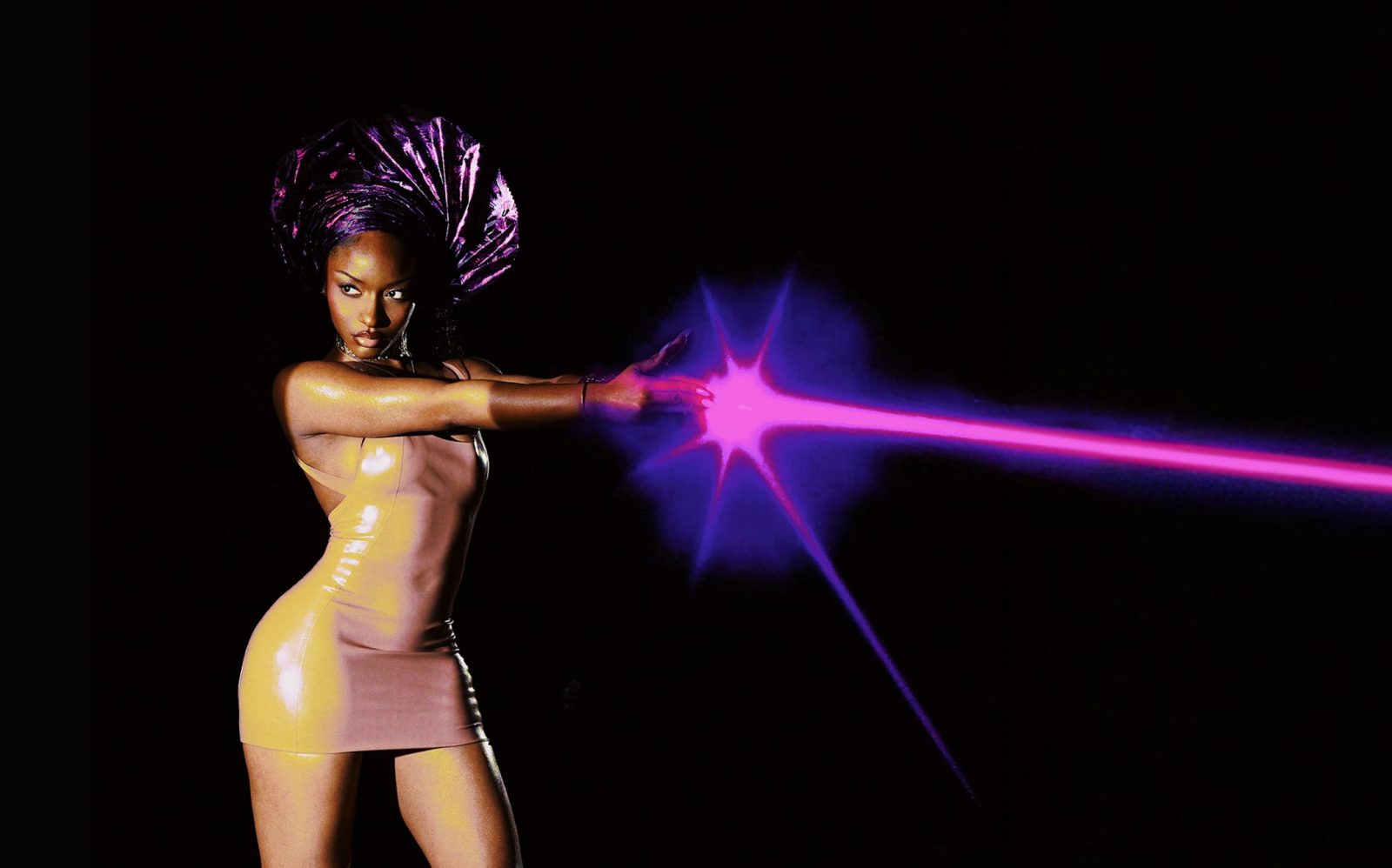

Starrgirl elevates Ayra Starr to the forefront of her peers, shifting the narrative from that of a young star with enormous promise to an established powerhouse with the artistic maturity to match her profile.
By Yinoluwa Olowofoyeku
Ayra Starr has spent the first part of her career moving remarkably quickly. Born Oyinkansola Sarah Aderibigbe in Cotonou, Benin, and raised between Benin and Nigeria, she grew up around music before beginning to build an audience through covers and original songs online. After catching the attention of Don Jazzy, she signed to Mavin Records and released her self-titled debut EP in January 2021, introducing a then-19-year-old artiste whose blend of Afro-Pop, R&B and alternative influences already carried a striking sense of personality.
That introduction was followed just months later by 19 & Dangerous, her debut studio album, which established the youthful confidence, romantic vulnerability and restless ambition that would become central to her early identity. The project produced “Bloody Samaritan”, while its deluxe edition later housed “Rush”, the international breakthrough that earned Starr her first Grammy nomination for Best African Music Performance and helped propel her beyond Nigeria’s borders.
By the time she released her sophomore album, The Year I Turned 21, in 2024, Starr had already graduated from promising newcomer to a globally recognised Afrobeats star, with the album expanding her palette across R&B, Pop, Dancehall, Highlife and other influences while reflecting on fame, adulthood, love, grief and self-discovery.
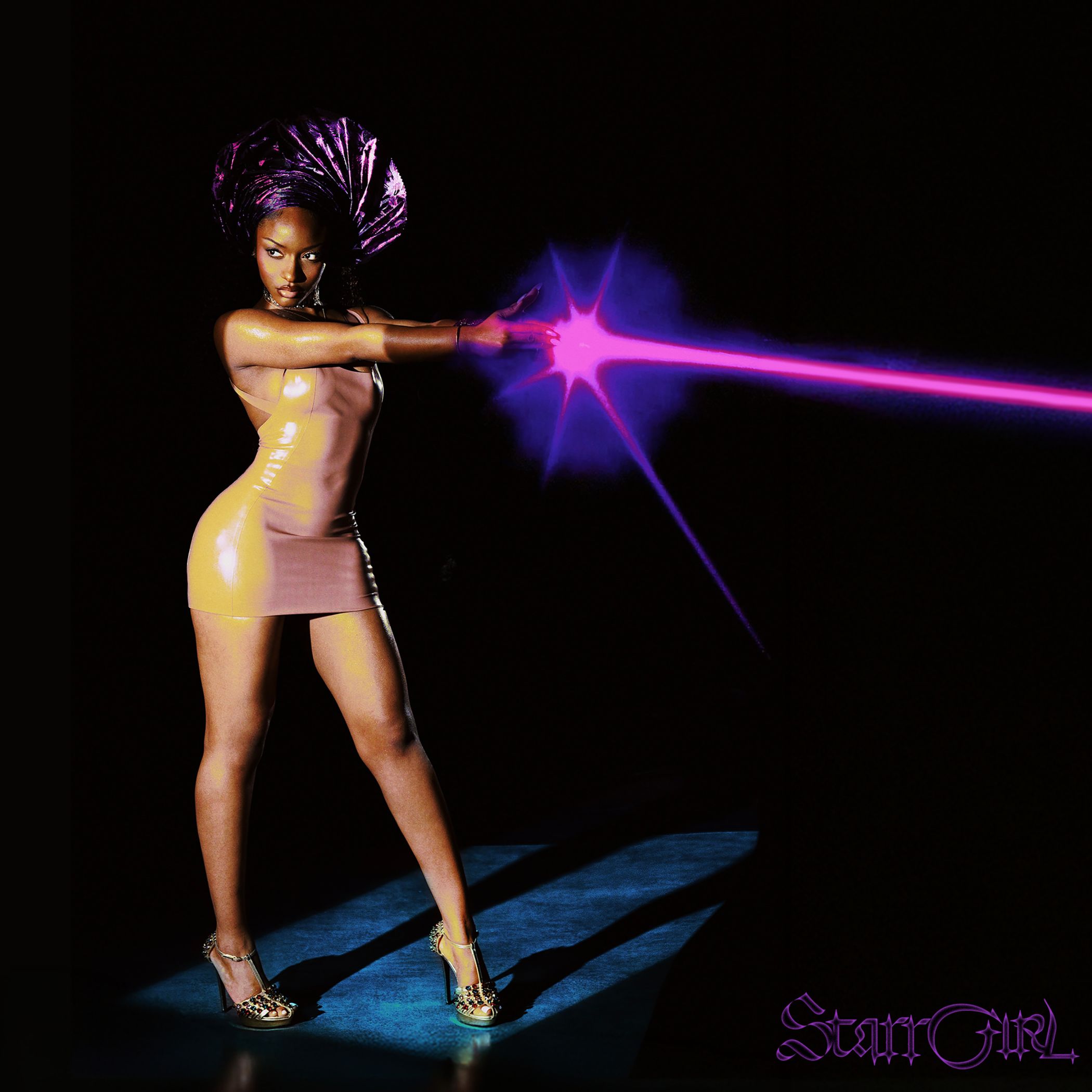
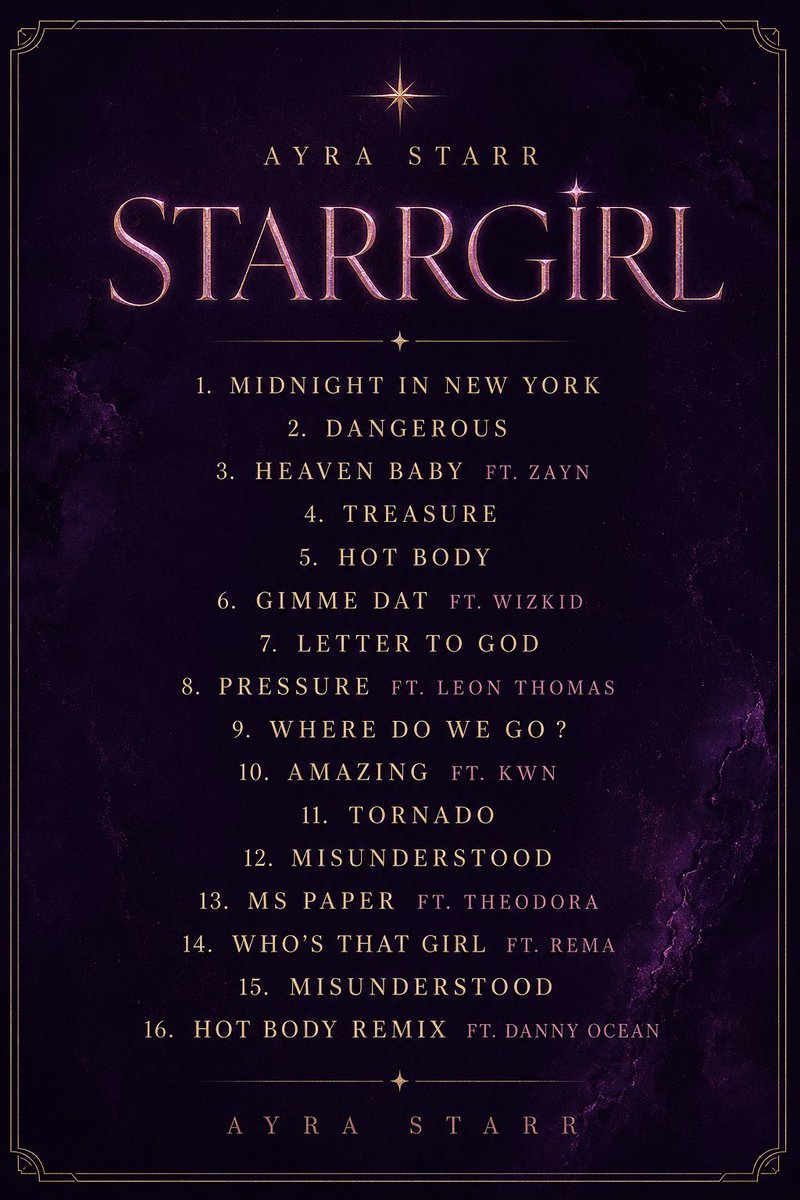
Now, at 24, Starr enters another chapter with Starrgirl, her third studio album, released on 14 August 2026. The project arrives after a period of increasingly international expansion, including a management partnership with Roc Nation, major performances and a run of singles that began with “All the Love” and continued through “Hot Body”, “Who’s Dat Girl” with Rema and “Tornado”. Starr has described the new album as an expression of growth, versatility and authenticity, with its creation spanning Lagos, New York and Los Angeles and drawing more freely from R&B, Pop and Afrobeats.
For an artiste who first introduced herself as a teenager and has spent the years since growing up publicly, Starrgirl therefore arrives at an interesting point in Ayra Starr’s evolution. This is no longer the nervous arrival of 19 & Dangerous, nor the coming-of-age snapshot of The Year I Turned 21. It is the latest statement from an artiste who has already experienced the extraordinary acceleration of global stardom and is now afforded greater room to experiment with the many influences that have shaped her into the artiste she is becoming.
“Dangerous” makes for a strong opening statement, immediately establishing the confidence and swagger that run through much of the album. Hard-hitting 808s and gritty guitar lines provide the foundation, while straightforward synths are fleshed out with strings and warm pads, giving the production enough weight without distracting from Ayra Starr’s commanding presence. The chorus hits particularly hard, with group male vocals adding further heft to her performance.
Switching naturally between Yoruba, Pidgin and English as she so often does, Ayra approaches the song with the assuredness of an artiste fully aware of her position and intent. “Stargirl, I don’t play around” becomes an apt declaration of purpose, while lines such as “Pretty gangstar, man, I’ve seen it all / Mobstars na my family” establish the larger attitude of the song. As an introduction, “Dangerous” functions almost like a mission statement, announcing the self-belief and larger-than-life persona that Ayra intends to carry through Starrgirl.
That confidence takes a more sensual form on “Amazing”, where raspy synth bass and sparse, straightforward R&B drums create a darker foundation beneath grungy, wailing electric guitar. The instrumental recalls the sleek, guitar-led sensuality of Rihanna’s “Kiss It Better”, giving Ayra plenty of room to balance soft, sultry passages with bigger, brighter notes.
The song is built around physical attraction and romantic tension, with Ayra moving from intimate observation into increasingly direct expressions of desire. “Nothing but smoke and perfume in the room” immediately establishes the atmosphere, before she pushes the chemistry further with “Feeling your body on my body / Giving me the playbook, talking me through”. British R&B singer, Kwn, joins without disrupting that atmosphere, offering a measured, equally sensual performance that complements Ayra rather than competing with her. Together, they give “Amazing” the polished intimacy of a late-night R&B duet while preserving the confidence established by the album’s opener.
One of Starrgirl’s major singles, “Gimme Dat” brings Starrgirl firmly back into quintessential Afro-Pop territory. Triplet-driven clacking percussion, an agile bass guitar and soft chords establish a lively rhythmic bed, while layered melodic accents, bright keys and brass flourishes keep the arrangement in constant motion. The combination gives Ayra and Wizkid an ideal playground for their playful sensuality, with both artistes leaning into flirtation without sacrificing the rhythmic sharpness that makes the song so immediately infectious.
Ayra’s delivery remains soft and sultry, but the Afrobeats pulse gives her phrasing a contagious bounce, particularly as she repeats, “Make you gimme that love / If you gimme, me I no let go”. Wizkid slides naturally into the chemistry, matching her relaxed confidence and helping the track strike the balance between R&B sensuality and unmistakable Afro-Pop energy.
“Pressure” continues that flirtatious energy through an Afrofusion groove built around electric piano chords, agile bass synth accents and a syncopated rhythmic arrangement that retains clear Pop characteristics. Ayra is particularly impressive vocally here, moving between bright, bold singing and angelic falsetto passages while using harmonies and ad-libs to fill out the arrangement.
The song’s lyrical dynamic is one of desire and playful pursuit, with attraction presented as something mutual and increasingly difficult to resist. “Boy, I know you like it, baby, you can’t stop smiling” sets the tone before Ayra turns the flirtation into a direct invitation with the repeated “Touch me / Pressure, pressure, pressure, pressure”. Leon Thomas brings an equally energetic vocal presence to the second half, and the two voices intertwine naturally across the duet, giving the song a catchy vocal chemistry that is just as important to its appeal as the groove underneath it.
Another of Starrgirl’s major singles, “Tornado” arrives with an opening of warm pads and distorted vocals before the production settles into a comparatively simple melodic framework dominated by Afrobeat drums. Pianos gradually add further colour beneath the pads, while the chorus expands dramatically with bright, wide layers of keys, cinematic drum hits and rich bass. Ayra’s performance mirrors that movement.
Her staccato Afro-Pop passages carry a certain defiance and attitude, before the cadence opens into more melodic sung passages and increasingly prominent harmony layers. The writing reinforces that self-assured persona, with Ayra singing, “Inflation, I’m the price they wanna beat / If you’re starvin’, come and eat / I’m that girl they wanna be”. The song’s arrangement ebbs and flows around that confidence, allowing the production and vocal performance to continually build and release energy while Ayra maintains the assured dance-ready demeanour that has become central to the song.
“Midnight in New York” shifts towards Dance Pop without feeling like a dramatic departure from Ayra’s strengths. Sparse grand piano chords sit beneath thumping dance drums and rattling shakers, with cinematic percussion adding weight and sparse log drums keeping an Afro-Pop pulse underneath the arrangement. The main dance break broadens the palette further through warm synth patterns and subtle strings, but the production remains deliberately spacious.
Ayra uses that space for longer sung passages and mood-driven storytelling, favouring simple melodies and light vocal layering rather than overwhelming the instrumental. The song’s romantic narrative is similarly uncomplicated, centred on the chemistry of two people surrendering themselves to a moment: “Midnight in New York / Just you and me, no one / We don’t talk, we dance”. It is a clean example of Ayra adapting to the conventions of Dance Pop while retaining the melodic instincts and vocal personality that define her catalogue.
“Hot Body” brings the energy back to full capacity, and it is easy to understand why the song became such a fan favourite. Its immediately recognisable 808 drop gives way to clap-driven syncopation, layers of rhythm guitar, electric piano chords and a thumping bassline, creating a foundation designed to move. Ayra responds with smooth, catchy melodic runs that place sensuality and self-confidence firmly at the centre of the performance.
Her lyrics openly celebrate her physical appeal, with the repeated “Look what a hot body can do” becoming less a boast than the song’s central rallying cry. Bright synth leads, stacked vocal harmonies and responsive drum patterns gradually add more movement, while the evolving rhythm and countermelodies keep the production from becoming static. The result is an energetic confidence anthem with an unmistakable ladies-first appeal, built around Ayra’s ability to make self-assurance sound effortlessly catchy.
“Ms. Paper” keeps the dancefloor momentum intact, but introduces an entirely different rhythmic character through high-energy, uptempo Reggaeton and Bakoso-inspired percussion. Four-on-the-floor kicks, raw tom hits and rapid flat snares race beneath a brief looped guitar sample, grimy buzzing bass synths and bright, laser-like saw leads. Theodora, the young French singer whose breakout presence has made her an increasingly visible name in European Pop, enters with immediate energy, setting up a collaboration between two young starlets who are equally comfortable inhabiting larger-than-life personas.
Their performances move rapidly between staccato cadences, softer melodic passages and half-rapped lines, with Theodora adding French phrases and her own distinct vocal texture. The money-minded braggadocio is unmistakable, from “Money, money, Mister Money, don’t kill my vibe / Money, money, Missus Paper, we be hot and fun … Money, money, I need more”, while the pair’s rapid exchanges give the song an infectious sense of momentum. Ayra and Theodora switch effortlessly between gritty, hard-hitting delivery and something more playful and catty, fully embodying the song’s boss-lady attitude.
The dancefloor remains crowded on “Dance”, though Ayra approaches the song with considerably more restraint. A cinematic opening of layered vocal one-shots and arpeggiated synths gives way to hard-hitting Afro drums built around sharp snares and four-on-the-floor kicks. A sparse melodic synth line and rounded bass synth leave plenty of room for Ayra’s spacious delivery, with short melodic phrases accented by delay before the chorus erupts into a much larger vocal statement.
Her writing is intentionally simple and direct, with “Just wanna dance, ‘ance, ‘ance” becoming an instantly memorable hook through repetition rather than complexity. She gradually builds additional interest through harmony lines and layered vocals, allowing the composition to evolve even while the core melody remains uncomplicated. A breathy vocal bridge ultimately beckons listeners back towards the dancefloor before the song closes with an impressive harmony passage, giving “Dance” the straightforward immediacy its title promises.
“Where Do We Go” is where Starrgirl’s emotional palette begins to deepen. A sombre piano sample is immediately paired with a gritty, steady drum arrangement, creating a more subdued backdrop for one of Ayra’s more expressive vocal performances. She moves through melodically agile passages, opening up into the upper register before softening again around the chorus, while the verses rely on shorter storytelling passages that allow the narrative to unfold gradually.
The lyrics capture the uncertainty of an intimate relationship that has never quite found a clear destination, with Ayra asking, “Where do we go from here? / After I dry my tears / After we say goodbye”, before admitting that she still wants an answer to the question. Her vocal performance gives the song the emotional weight it requires, though the production does not quite provide as much depth or development as the performance suggests it could. Within an otherwise consistently strong sonic palette, that leaves “Where Do We Go” as something of a singular blemish in an otherwise carefully constructed album. The song itself, however, remains an important part of Starrgirl’s emotional range.

“Who’s Dat Girl” keeps the album’s momentum high, arriving with big Dancehall drums arranged around a brass-stab progression and a simple bassline that leaves plenty of space for Ayra’s agile delivery. There is a subtle Arabesque influence in the backing flutes and ululations, which Rema further accentuates when he enters with his typically nimble melodic phrasing and rapid-fire cadence, adding another rhythmic layer without cluttering the relatively simple instrumental. T
he song’s confidence is matched by its lyrical swagger, with Ayra asking, “Who’s that girl, what’s popping? / Bad gyal, there’s no stopping what’s coming?” before turning the chorus into a celebration of her own rising profile: “Guess you never heard of me, I’m popping out like confetti / No fit clone my energy, cause I’m the one they wanna see”.
Rema’s verse maintains that same self-assured energy, while Ayra’s restrained harmonies and carefully placed vocal layers add texture without taking attention away from the lead performances. Ultimately, the song is carried by the sheer catchiness of both superstars, with the two performers allowing their voices to remain the principal attraction.
“Misunderstood” then pulls Starrgirl into a more introspective space, beginning with a bass arpeggio and simple Electro Pop drums that leave Ayra almost entirely exposed in the opening passages. She adopts a narrative mood as she introduces the character at the centre of the song, describing “Little Miss Unbothered, little broken-hearted / But she ain’t nobody’s fool” and portraying a woman who has been repeatedly underestimated despite possessing a resilience others fail to recognise.
The melody remains deliberately simple at first, with Ayra carrying the song alone before the bridge introduces additional synths and a sustained bass drone, eventually giving way to a grungy electric guitar-led chorus with the energy of a Pop ballad. Her bright, powerful vocals rise with the arrangement, particularly as she reaches into her upper register and surrounds the melody with sombre, emotionally expressive harmonies.
The writing reinforces that tension between vulnerability and resilience, as the supposedly ‘misunderstood’ woman refuses to bend even when “They told her, ‘Never would, never should, never, never, never make it on her own’”, a prediction the song makes clear they got completely wrong.
With “Letter To God”, Ayra unlocks another dimension of her artistry, moving into an R&B ballad built around soft piano and guitar chords, lively bass guitar and simple drums punctuated by sharp hi-hats, rounded live kicks and a punchy snare. The restrained production allows her vocal performance to shine, and she responds with soft but assured singing, expressive melodic passages and beautiful use of her range, demonstrating a growing mastery of vocal technique without turning the song into a showcase for technique alone.
The vulnerability of the writing is immediate in the confession, “I wrote a letter to God ‘bout you / And I folded it up and threw it so high, no / I know you never would believe it, would you? / Wouldn’t believe, would you?”. Even within that tenderness, Ayra retains the playful wit that has become part of her writing personality. Harmonies, layered vocals and dynamic shifts continually reshape the performance, while the song eventually gives way to an instrumental flourish and evolving drum arrangement that provides an expressive ending. It is a brilliant song, and one that feels particularly deserving of the kind of expanded treatment a live performance could offer.
“Heaven Baby” takes that R&B tenderness and strips it back even further into a straight-up piano ballad. A sombre piano ostinato and arpeggiated chords provide the foundation as Ayra enters with expressive, soft singing, demonstrating just how much power she can communicate without resorting to sheer volume. The arrangement swells around her at the chorus, with strings and increasingly rich harmony layers drawing further emotion from the vulnerable love writing.
Her devotion is expressed in almost celestial terms, singing, “You could be my heaven, baby / Die for you if you let me, baby / You’re an angel, goddammit, baby / If you ever left this planet, baby / Couldn’t manage, baby”. ZAYN fits naturally into that emotional landscape, bringing the expressive singing that has underpinned his global appeal and taking up the second perspective without disrupting the song’s intimacy. The track elevates when their voices combine, with both singers leaning fully into the emotional weight of the writing before the duet closes with sweeping vocalisations. It is a powerful ballad precisely because its writing and delivery are so committed to tugging at the heartstrings.
“Treasure” then transmutes Starrgirl back into Afro-energy, bringing layers of rhythm guitar and percussion into an Afro-Swing framework while warm pad chords and piano accents soften the edges. Ayra settles into a relaxed mid-register delivery as expressive bass guitar gives the instrumental an easy pulse, while spaced-out harmony passages allow her vocals to breathe.
The writing turns towards aspiration and purpose, with Ayra framing her ambition around both personal drive and the people who have supported her: “I do this for myself, and the people wey dey follow me for years / I be chaser, and I’m headed for the treasure”. Simple melodies and relaxed, uplifting vocals give “Treasure” the feeling of a celebratory release. It feels like Starrgirl’s actual outro, neatly wrapping up the journey with Ayra looking ahead towards the treasure she has been chasing.
The listed final track, “Hot Body (Remix)”, reopens the door to the dancefloor, bringing Danny Ocean into the song after its first chorus and giving the confidence anthem another dimension. Ayra’s familiar refrain establishes the track’s playful self-assurance before Danny takes over with a burst of Latin heat, sensuality and smooth Spanglish lyricism.
His verse moves fluidly between Spanish and English, with lines such as “Perfúmame mi cuerpo, dale a mi cuerpo tu olor / Que por tu abdomen caiga una gota de sudor” [Perfume my body, give my body your scent / Let a drop of sweat fall down your abdomen] adding an entirely different sensual texture to the song. His fluid vocal runs and relaxed delivery sit comfortably against Ayra’s brighter performance, creating a natural contrast between their voices. Rather than simply extending the original, the remix gives “Hot Body” a more international crossover character, with Danny’s contribution adding Latin colour and another layer of sensuality to the song’s already confident core.


Thoroughly impressive from beginning to end, Starrgirl feels like the clearest evidence yet of the considerable growth Ayra Starr has undergone across her catalogue. By her third album, there is a noticeable maturity and development in almost every aspect of her artistry. Rather than departing from the strengths that have defined her, Ayra builds upon them, adding more feathers to her cap while diversifying and expanding the scope of her artistry.
That approach makes Starrgirl feel like a natural progression rather than an abrupt reinvention. Her ability to understand the market remains evident too. She knows how to create commercially viable singles that generate anticipation and appetite, but the breadth of the album is a welcome surprise beyond those obvious commercial plays. Its expanded sonic palette reaches further into the wider Pop landscape, rounding out the project and demonstrating an artiste increasingly comfortable with the possibilities available to her.
There is also something impressive about the way Ayra has embraced the privileges of her stardom. Starrgirl draws on talent from around the world, with a diverse collection of producers, songwriters, featured artistes and engineers contributing to the project. That curatorial ability is an underrated part of artistic development. Bringing together so many different creative perspectives while maintaining a singular vision is no small feat, yet the result remains impressively cohesive from concept to execution, both sonically and thematically.
The production sets much of that tone, with the different teams involved bringing their own interpretations to the instrumental world around Ayra. Even within individual genres, there is considerable creativity in the use of texture, layering and syncopation, moving between sparse, rhythm-driven and drum-heavy arrangements, richly layered melodic landscapes and simpler drum languages.
Across Starrgirl’s multiple genre excursions, their conventions remain recognisable while being tailored to Ayra’s strengths, whether that means the simplicity of a piano ballad giving her full vocal range room to breathe or the energy of Dance Pop creating space for her syncopated cadences and melodic instincts to catch the ear. The experienced engineering teams deserve equal credit for holding all of this together, handling constantly changing numbers of instrumental and vocal layers, dense harmonies and instrumental climaxes as deftly as they handle softer singing against spacious arrangements.
The diversity of the songwriting team is equally valuable. Bringing different perspectives and writing styles into the fold allows Starrgirl to address different subjects, energies and emotional registers, moving from expressive, honest and vulnerable narrative writing to witty, sensual and playful dance anthems. Yet what is particularly impressive is how unmistakably Ayra each song remains.
The writers play to her personality and branding without trapping her within them, allowing her to approach each song with a refined maturity, greater lyrical nous and more evolved arrangements. It is an effective expansion of her artistry without losing sight of the core appeal that brought listeners to her in the first place, and it brings fresh energy to a scene where Afro music can sometimes be underwritten in the pursuit of vibe.
Across whatever instrumental, genre or songwriting approach she encounters, however, Ayra does not come to play. Starrgirl arguably contains the strongest collection of vocal performances of her career so far. The album’s expanded genre range gives her opportunities to demonstrate a much wider portion of her vocal ability, particularly in the R&B and ballad material, where she reveals a wealth of power, range, control and technique that may not have been fully apparent to listeners accustomed to her Afro-Pop mid-range, melodic flair and knack for catchy, agile tunes.
Different songs bring different sides of her voice into focus, revealing not simply a versatile artiste but a technically accomplished singer. Her power and clarity are particularly impressive, as is her willingness to share space with established vocal powerhouses such as Leon Thomas and ZAYN. She holds her own alongside both, matching their expressive ability and making a bold case for greater reverence as a vocalist in her own right.
She remains just as convincing in her bread-and-butter Afro sound, where her instincts as a hitmaker remain undeniable. She understands melody, knows how to construct an earworm and can balance emotive singing with confidence, playfulness, sensuality and vulnerability, all of it coming across as genuine. That is a testament not merely to her singing ability, but to her ability to perform.
In the end, Starrgirl elevates Ayra Starr to the forefront of her peers, shifting the narrative from that of a young star with enormous promise to an established powerhouse with the artistic maturity to match her profile. Not every star manages to crack the album-making code, and the experience and maturity required to assemble a project of this scope should not be taken lightly.
The growth visible across each stage of Ayra’s career culminates here in a highly cohesive and impressively assembled album that serves as a vehicle for the full breadth of the potential she signalled when she first arrived. She continues to develop and expand her horizons without sacrificing her roots, exploring new sounds without losing sight of the core appeal that made her compelling in the first place.
More importantly, Starrgirl speaks to an artiste who knows who she is, while also clearly understanding who she can become and where she can go. And wherever that destination lies, she seems intent on carrying us all along for the journey.
Lyricism – 1.6
Tracklisting – 1.7
Sound Engineering – 1.8
Vocalisation – 1.7
Listening Experience – 1.7
Rating – 8.5/10
Yinoluwa “Yinoluu” Olowofoyeku is a multi-disciplinary artist and creative who finds expression in various media. His music can be found across all platforms and he welcomes interaction on his social media @Yinoluu.