


In At Sea, neither time nor experience is enough to overturn the hands of ingrained patriarchy. Its powers are far-reaching, particularly in the lives of women, and in many ways it can demoralise women who, like Zainab, find themselves working in male-dominated fields.
By Azubuike Obi
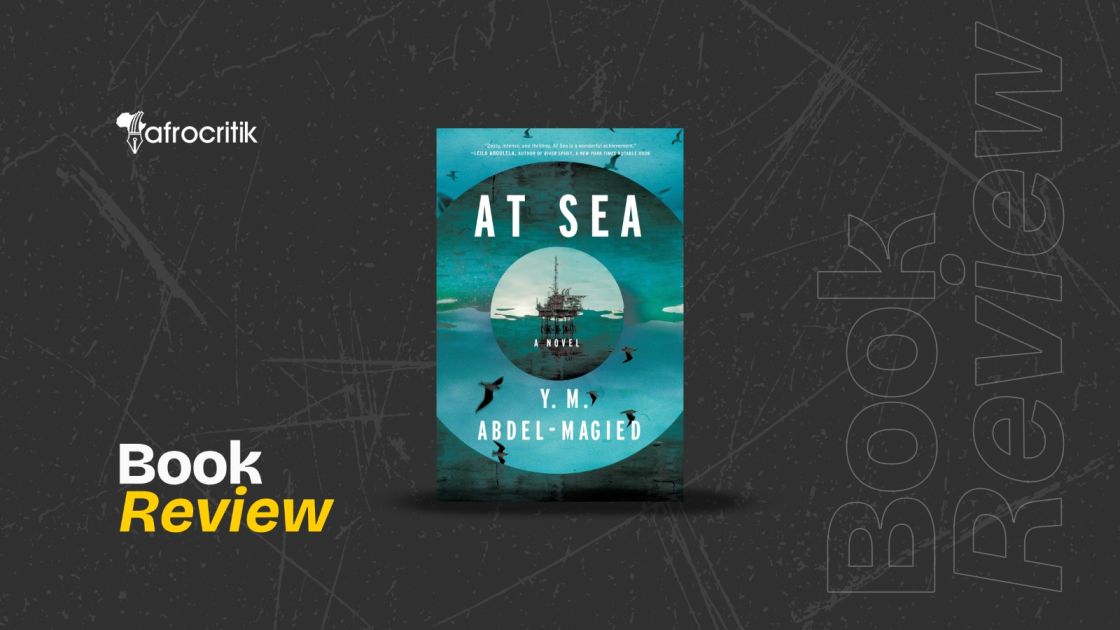
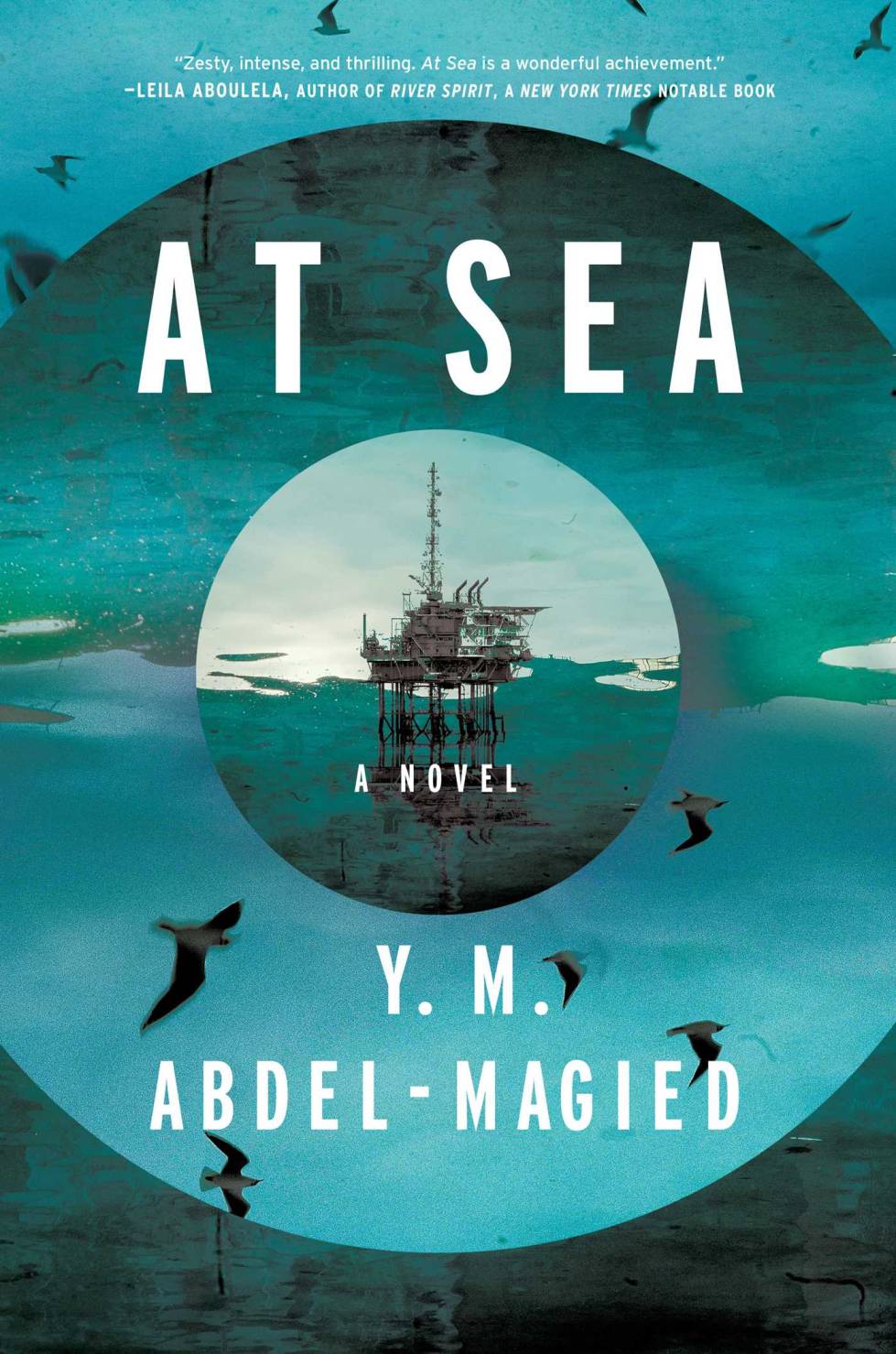
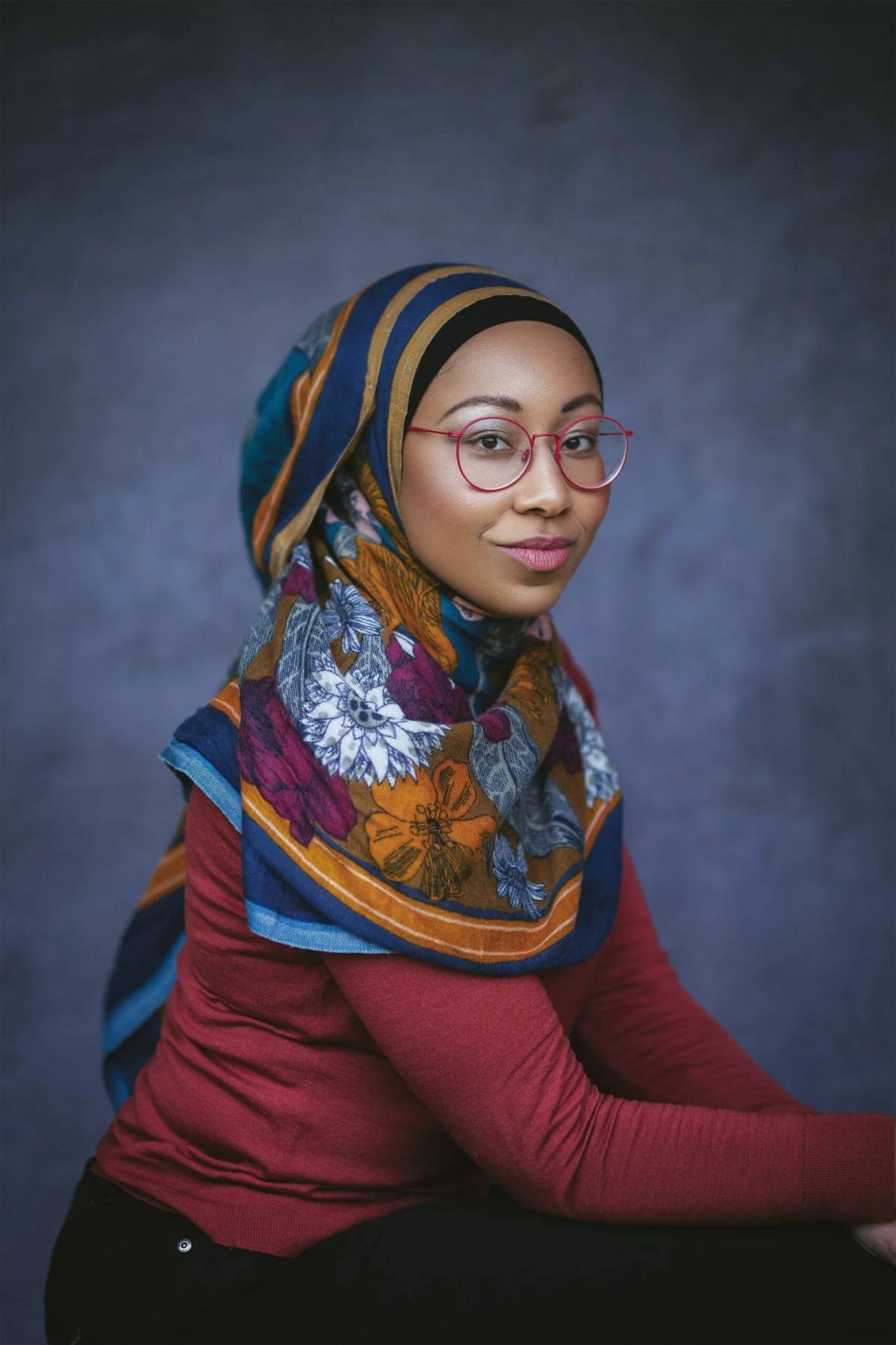
In the author’s note that concludes At Sea (2026), the first adult novel from the Sudanese-born writer and social advocate, Y.M. Abdel-Magied, we are intimated with the information that the novel’s content reimagines “the technical failures that preceded the blowout on the Macondo well in the Gulf of Mexico on 20 April 2010.” Abdel-Magied, in her retelling, places Zainab, a Muslim woman of Sudanese origin, at the centre, using the character to interrogate hierarchy and workplace dynamics, particularly as it relates to gender.
The novel opens with Zainab offshore on the Clarissa Clyde, where she is to begin a new role as a toolpusher, one of the highest-ranking personnel on the oil rig. It is the “biggest assignment” of her life, one she feels unprepared for even though she has worked all her life for it. She has been sent to the rig impromptu because of a “gut feeling” that something may go wrong on the Clarissa Clyde. This sense of looming danger fuels the narrative and keeps the pages turning.
Zainab arrives paranoid. And for good reasons. Aside from the immensity of her role, she is female and Muslim— identities that have the capacity to render a person as “other”. In the male-dominated domain of offshore drilling, where workers are expected to spend long weeks without interaction from the outside world, alienation can be exacerbated owing to this otherness.
Alongside the technical incidents that unfold on the rig, it is this tension—with more emphasis on gender than faith—that the novel chronicles, examining what it means to occupy space as a woman in power when your colleagues have been taught to do anything but assume competence on your part.
The novel’s chief interest lies in its interrogation of the dynamics of gender in the workplace: how women build careers in male-dominated environments, the concessions they have to make and the boundaries they must firmly draw—and ultimately, the many ways in which gender can be weaponised for or against these women. “She knew, having taken a job on the patch in the ’80s, that this was a man’s world, and she would be expected to follow their rules,” the narrator deliberates.
In a particularly bewildering scene, Zainab is dismissed by an elderly Muslim man, laughed at by he who is technically her junior on the rig job. She is stunned into silence, “a familiar bitterness” rising within her. The narrator limns: “it was always worse when this humiliation came from ‘her own’. Where was the solidarity? Mohammed liked her well enough; that was obvious. But he did not see her as an equal colleague, certainly not as a superior. She expected that from the others, accepted it even. But from Mo? From a man who could be her father?” This shows how discrimination can come about due to several intersecting factors; Mohammed may be Muslim like Zainab, but she remains female—and that opens up the ground for him to discriminate against her.
While gender remains the novel’s key propelling factor, Abdel-Magied’s execution of her men is unwieldy. In the men’s relationship with Zainab, it is clear that Abdel-Magied does not conceive them as fully realised human beings, until they are caught in affecting scenes by or when in conversation with Zainab: a roughneck is like others on the rig until Zainab overhears his crackly voice in a snatch of conversation with someone from home, only then does his “vulnerability…all that made him human” appear; a toolpusher is a caricature of the men found offshore until he offers Zainab specially brewed coffee, and then “his vulnerability” is revealed; a Company Man’s “vulnerability” is evident only when Zainab ventures into “a secret garden” in a conversation with him.
This strategy works for the most part, as capturing humans in two opposite moods can be effective in aiding an understanding of the duality of man, but when one it is done without any form of varying contours like Abdel-Magied delineates here, it comes off as mere plot engineering, rehearsed and formulaic— less like an attempt to capture the innate complexities of human beings, but a dearth of imagination of sorts.
Abdel-Magied’s writing is observant and funny in parts, her metaphors sharp and precise, laden with images that convey scenic context. It is to her credit that she is able to describe the technical details of an oil rig without drowning the reader in jargon or boring them with exposition, and is yet capable of rendering Zainab’s inner life in affecting prose.


In addition, in At Sea, Abdel-Magied is interested in time and how it defines relationships. Over and over, she returns to the question of who we were before and after a given period, how we change over that time, if merely time or circumstance—or both—is responsible for those changes, and how we negotiate the changing tides of our relationships after time has passed and changes have occurred.
Many of the men offshore remain torn from their families for the time their stay at the rig lasts. “Some men rang home every night, singing lullabies to their children, whispering sweet nothings to long-suffering partners on the beach.” For Tate, a Company Man whose significance to the narrative is underutilised, his time at the rig “felt like a trap… He had never imagined himself a silver fox, alone in the wilderness, howling at the moon for a mate.” And for Zainab, the novel’s principal character, she carries a lost love in her heart, and prefers “keeping her rig life and her shore life separate, comfortable with the lack of contact offshore work allowed.”
The novel is at its strongest when a wounded Zainab nurses a grievance that has come about because of the limitations a patriarchal system places on women. It is no surprise that this draws from Abdel-Magied’s own life and work. As she suggests in At Sea, neither time nor experience is enough to overturn the hands of ingrained patriarchy. Its powers are far-reaching, particularly in the lives of women, and in many ways it can demoralise women who, like Zainab, find themselves working in male-dominated fields.
At 230 pages, this novel’s most radical act is its refusal to look away from the horrors that persist for women in today’s world. Abdel-Magied has offered us a novel that is as compelling as it is affecting, its themes as familiar as they are relevant—and with a setting that pulses with a frenetic energy, one cannot afford to look away.
Azubuike Obi is an Igbo storyteller who believes in the transformative power of language. He won second place in The Republic Student Writing Competition (2025), and was nominated for Chika Unigwe’s Awele Creative Trust Award (2024). His fiction and nonfiction have appeared online and in print in The Republic, The Weganda Review, Naira Stories, Afapinen, Efiko Magazine, and elsewhere. He is a regular contributor at Afrocritik.