

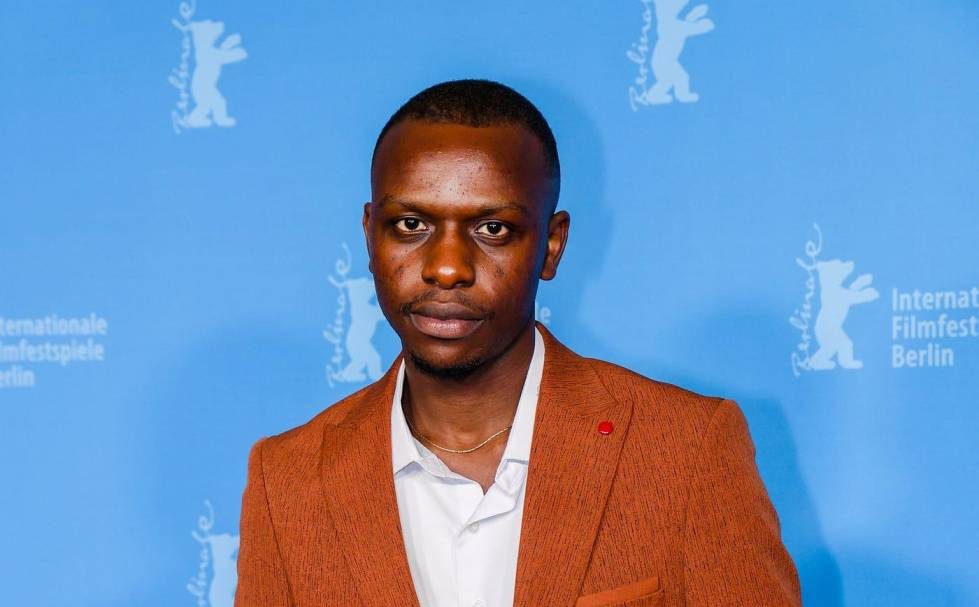

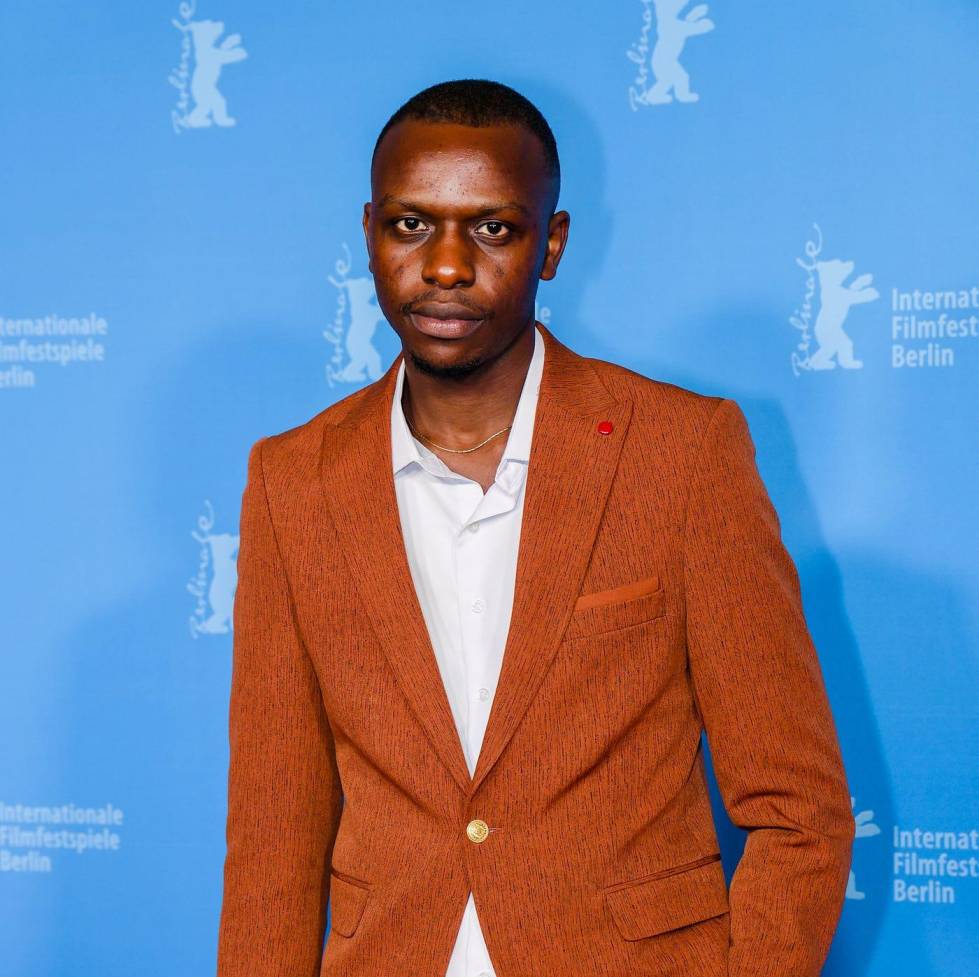
“I think every scene in the film points towards the dysfunctionality of society. In this case, we’re looking at how that dysfunction affects women, although there are other issues at play as well”— Damilola Orimogunje.
By Adedamola Jones Adedayo
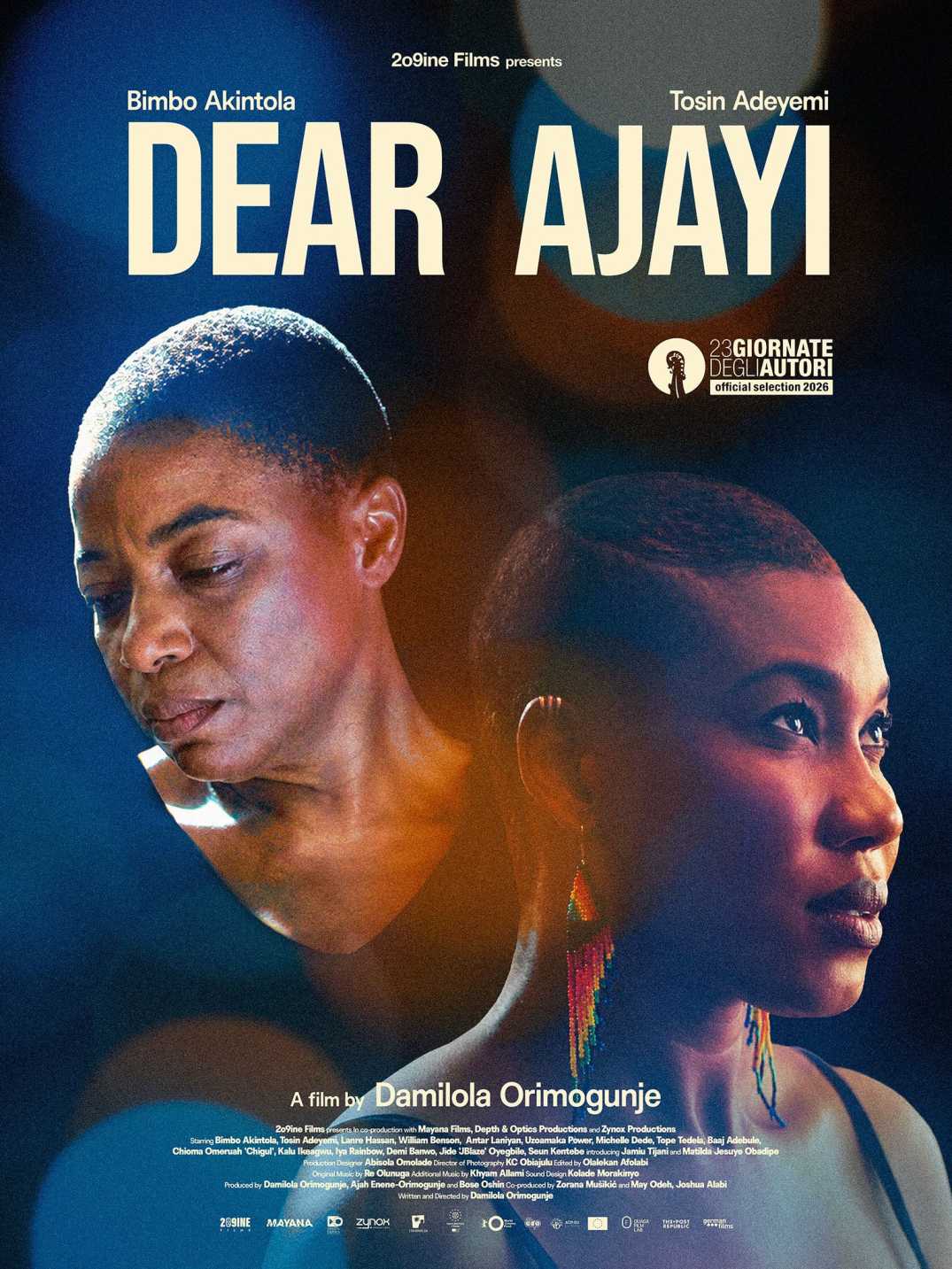
Set in the late 1990s in Southwestern Nigeria, Dear Ajayi, a Nigerian-German co-production written and directed by Damilola Orimogunje (For Maria Ebun Pataki (2020)), explores family obligations, female agency, faith, and the struggle against patriarchal structures through the experiences of two sisters who have to navigate their personal and professional lives against socioeconomic barriers.
The film stars Bimbo Akintola and Tosin Adeyemi as Ade and Titi Ajayi, two sisters with conflicting personalities living together under the same roof, along with their ailing mother (Lanre Hassan). As they seek both medical and spiritual solutions to their mother’s health challenge, they confront complicated relationship dynamics involving the men in their lives. Additional cast of the film includes Idowu Phillips, Antar Laniyan, William Benson, Uzoamaka Power, Michelle Dede, Jide “JBlaze” Oyegbile, Kalu Ikeagwu, and Baaj Adebule.
Dear Ajayi had its world premiere at the 2026 Venice Film Festival and was subsequently selected as Nigeria’s submission for Best International Feature Film at the 99th Academy Awards, before going on to screen at Film Africa 2026.
In this interview with Afrocritik, Damilola Orimogunje discusses Dear Ajayi, the inspirations behind the film, and his approach to the portrayal of gendered power dynamics and other sensitive social concerns explored in the film.
Dear Ajayi follows two sisters with a complicated relationship as well as distinct personalities and life trajectories. One is presented as homely and conservative, and the other more cosmopolitan and unconventional. What inspired their story, and what was your approach to developing these two key characters with seemingly contrasting personalities?
It was very important for me to tell this story because I’ve always been drawn to social issues. First, it was inspired by watching Paweł Pawlikowski’s Ida, a film about two strong women who are trying to navigate their own journey and find themselves. I find it interesting that two people can be born into the same family, share the same upbringing and grow up in the same house, yet end up becoming very different individuals. I have always questioned the expectation that people should conform to a single way of thinking. Our society often champions conformity, and I wanted to explore this through two sisters who, despite their shared background, remain different individuals.
The male characters in Dear Ajayi are also deeply flawed, from Michael, Ade’s husband, to the men Titi enters into relationships with. What informed your portrayal of these men, and to what extent did you intend to use their characters to interrogate the different ways men exercise power and exert control over women within intimate relationships?
What was very important to me was painting a truthful picture, regardless of gender. My previous film, For Maria Ebun Pataki, has a male character who is a darling and who has all the positivity you can imagine. But with this current film that reflects a patriarchal society, it’s important to show the place of men in the system. A lot of the time, when we talk about feminism and patriarchy, it feels like a woman’s affair. We’re also very conversant with the idea of victim blaming, and in painting a realistic picture of that, it’s a very good way to show how men can be complicit in these situations.
The film gives everybody a very subjective reason why they do what they do. So they’re not just, and that’s what people don’t understand. One of the goals of this film is to make people see what they’re doing and understand the repercussions of their actions. In the case of the sexual harassment involving Titi’s first boyfriend, for instance, you could think, “Oh, she’s giving me the context to go ahead. She’s making out with me, so she’s not going to stop”. But then she tells you to stop, and you don’t. This is a conversation we’ve had so many times as Nigerians, particularly on Nigerian Twitter. It’s a major debate, and it’s ridiculous that we’re still having that debate in this day and age.
So, what the film is essentially trying to do is show a man who believes he is in the most justifiable position. At the same time, we still have some men in the film who are good people, like the doctor, who is a better person, and Titi’s friends at the bar, who are also good people. But the focus was deliberately placed on men because of how they intersect with our lead characters, who are women and remain at the centre of the story.
What did you consider in approaching those sensitive subjects such as rape, sexual harassment, domestic violence and marital infidelity, especially having an understanding of the need to not sensationalise them or undermine the intricacies of the victims’ experiences?
Firstly, my style of storytelling has always been very observational. It is not my place to pass judgment or impose sentiments. I think a lot of it also has to do with memories. By that, I mean how much I can relate, in some way, to characters based on real-life experiences and people I’ve encountered who have gone through these things. Even as a man, it makes it more interesting for me to be able to vividly observe these things happening in our society. I’ve seen people suffer domestic violence, experience rape and sexual harassment, and I’ve seen how these experiences affect people in different ways.
The film also suggests that you are complicit even when you choose to sit on the fence. The fact that these things happen around you, yet you never speak about domestic violence or harassment, is itself something worth confronting. It is intended to spur people to think critically and have conversations about these issues. So, it’s very important to me to be honest and truthful in telling this story, while exercising restraint and not imposing myself or my personal sentiments on it.
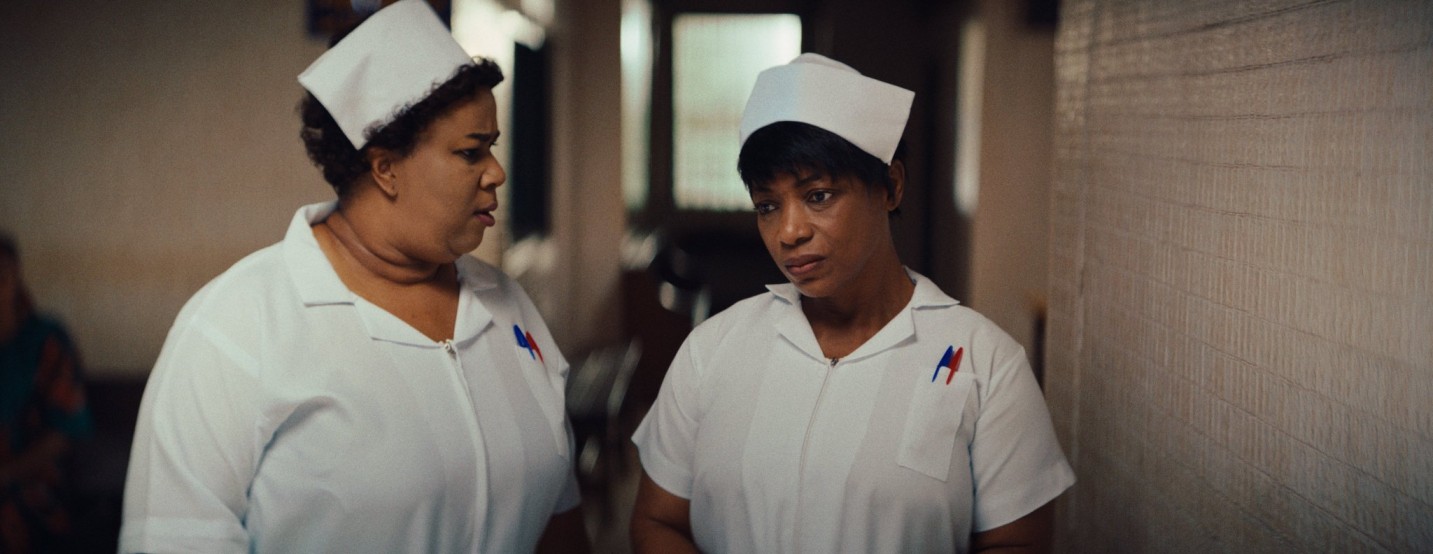
There are a number of scenes that highlight the lack of trust in state institutions to hold abusers accountable and adequately protect vulnerable individuals. To what extent did you intend for those interactions to reflect the broader institutional failures that enable such exploitation to persist?
I think every scene in the film points towards the dysfunctionality of society. In this case, we’re looking at how that dysfunction affects women, although there are other issues at play as well. It also examines the role of institutions and the government, as you rightly pointed out. For me, the film brings together the subtle comments, judgments, attitudes and orientations people have towards these sensitive issues, presenting them in small moments throughout the story.
As you watch, you begin to recognise things you’ve heard before. A lot of the dialogue came from a painful place while I was writing the film because these are interactions I’ve encountered repeatedly. I’ve seen people, sometimes quite deliberately, argue about questions such as, “What did you expect? Why did you go there? Why did you wear those clothes to that meeting? Why did you go to a man’s house?”. These are the kinds of arguments people use to justify sexual harassment and domestic violence.
The film also shows how someone who comes from a place of strength and self-awareness can gradually become broken by a society that continues to enable these issues. You see this in the character we meet at the beginning: a strong woman who has a vivid dream and is actively pursuing it. Then you see who she becomes by the end of the film, and how much society’s attitudes and actions have contributed to that transformation.
For me, even the decision to end the film in that particular way is significant. It’s almost like a public service announcement, but presented artistically. People need to be confronted with the truth. They need to be able to watch themselves and recognise their own attitudes and behaviours.
And it’s not just about recognising yourself. Perhaps a friend has said similar things, and you’ve been unwilling to confront him or challenge what he believes. We also need to hold ourselves accountable. Beyond the institutions that are supposed to champion these causes, we have a responsibility to educate ourselves. As the saying goes, charity begins at home. We need to teach our children because the boys become men and the girls become women. What kind of values and examples are we passing on to them?
In attempting to find a solution to their mother’s ailment, the Ajayi sisters explore religion and spirituality, especially through involvement in worship and activities consistent with the Christian faith. What does this aspect of the narrative reveal about the intersection of faith and healthcare?
I feel that when society becomes dysfunctional, there needs to be a lifeline. For Africans, in particular, that lifeline is often found in what they can believe in and where they can place their faith. That’s where religion sometimes comes in.
You can see that juxtaposition in the film. As much as people rely on medicine, they also feel the need to keep their faith intact. And this goes beyond health concerns to other issues they face, both in the film and in everyday life. This is not a conversation about suggesting that faith or prayer doesn’t work. Rather, it’s about realistically showing how we navigate our lives and journeys with this important aspect of our existence, which is religion.
I also wanted to explore, in some way, the spirituality of freedom in the film. The film, after all, is about the liberation of these women, these characters. As the story progresses, it raises a question that I would say I’ve also asked myself as a filmmaker, particularly because the story is personal to me in many ways: when you seek an answer through faith but receive something different from what you’ve been praying for, does that mean your faith is not enough?
One of the truths I found myself searching for while making this film is that freedom, or the answers we seek, do not necessarily lie in what we expect or what we think we want. By the end of the film, Mama journeys to a different abode, a place where she finds rest, and that, in its own way, represents freedom. These are some of the subtleties I wanted to explore in the film, particularly in how faith, freedom and our relationships intersect with the realities of everyday life.
Your film revisits a period shaped by particular social expectations and family structures. But those expectations and structures still exist today. What informed your decision to situate the story in that era, and how did the period setting influence the characters’ choices and the film’s visual world?
I’m an old soul, personally, and that naturally draws me towards making films that lean into nostalgia. This film was born out of childhood memories. It felt natural for me to make it in a period I could remember from my childhood, especially because it was a time when I was first introduced to certain issues that I didn’t fully understand until I became an adult.

It was also important for me to show how political and economic issues affect these characters. This was a period when we had just emerged from military rule, and there was a sense of hope in the country. We had a new democratic government, a new regime, and the expectation that things would return to normal and people would begin to enjoy better lives. But that optimism doesn’t necessarily reflect in the lives of the characters. I also wanted audiences to find themselves in these experiences and recognise aspects of their own lives, regardless of the period or circumstances in which they find themselves.
Again, if that era was characterised by hope because of the new democratic dispensation, we are still living in a time when hope remains important to us. We continue to believe that things will get better and that life will eventually be different. I think that enduring hope is what holds us together as a community.
Considering the experienced cast of your film, which includes Bimbo Akintola, Tosin Adeyemi, William Benson, Lanre Hassan, and Antar Laniyan, how did you approach working with these actors to bring their respective characters to life?
I have this penchant for making mental notes of actors I might want to work with based on what I’ve seen them do, whether in films or on stage. Bimbo Akintola, for instance, is someone I grew up watching. When I wrote the script many years ago, she was the first person who came to mind for the role of the older sister.
Beyond that, I believe in having conversations with the actors I want to work with. I want to understand their perspectives, how much they connect with the story, how they see themselves within and beyond their characters, and how much they are willing to give of themselves to the roles. It’s not just about talent; it’s also about how vulnerable they can be and how much of themselves they can bring to these characters, who represent people beyond their own experiences.
I think the character of Titi was actually the biggest challenge when it came to casting. We auditioned several actors before eventually settling on Tosin Adeyemi. As a matter of fact, we found our Titi very close to production. With everyone we had considered before then, I was either unconvinced after the auditions, after our conversations, or simply by their approach to the work. So, casting Titi Ajayi took quite a while, but we were fortunate to find Tosin Adeyemi at the right time.
With Mama (Lanre Hassan), I particularly loved the vulnerability she brought to the character. You almost feel as though she wasn’t acting in the film. I didn’t have to give her many directions because my approach to working with actors is to make them understand their characters. Once they understand the character, I believe all they need from me is guidance. And she understood Mama completely. Antar Laniyan, too, is a fantastic actor who I think is quite underrated in contemporary Nollywood. There’s something about his style and confidence that made him particularly suited to the role. For us, he was an obvious choice when we started thinking about how to bring the character to life and who could best embody him.
In your previous feature, For Maria Ebun Pataki, you explored motherhood and postpartum depression. This time around, with Dear Ajayi, there is a focus on sisterhood, faith, and family obligations. What connects these stories in your filmmaking practice, and how has your approach to portraying intimate human experiences evolved between the two films?
Interestingly, Dear Ajayi was supposed to be my first feature film. I had written it before I wrote For Maria Ebun Pataki. The first draft of Dear Ajayi dates back to 2017, while I wrote For Maria Ebun Pataki in 2018 or 2019. The reason I wrote For Maria Ebun Pataki first was that Dear Ajayi required a lot of moving parts financially.
I was also becoming more conscious of how to approach these sensitive issues and the many complexities surrounding them. It is interesting to me because I feel that, as Africans, we are often confronted with several issues simultaneously. Sometimes, the reality of it all might seem like a joke or something impossible, but that is our existence.
My commitment to telling socially relevant and relatable stories has remained consistent from the beginning. That has always been what I wanted to do. I can confidently say that Dear Ajayi is a 2.0 version of the filmmaker I was when I made For Maria Ebun Pataki. More importantly, it reflects how much I have grown and developed in that regard. I also believe that, as a filmmaker, you need to keep growing with every film you make. I need to grow before I can see my next film at the right time and tell its story honestly.
Having premiered at the 2026 Venice Film Festival and recently been selected as Nigeria’s submission for Best International Feature Film at the forthcoming 99th Academy Awards, it is clear that Dear Ajayi has hit some milestones on the international film stage. What possibilities do you see ahead for its continued journey, and how do you hope these milestones will shape its future reception and reach?
What excites me most about the film’s possibilities is how much it can impact people and what audiences can learn from it. With my first film, For Maria Ebun Pataki, one of the greatest joys was seeing how it helped people understand postpartum depression. With the current project, the blessing for me is seeing how much it impacts people, finds its way into society, and, in one way or another, helps reshape it. The extent to which the film can achieve that is the true milestone for me. That said, we are still hoping it reaches even more audiences and that we get to do more with it.
Adedamola Jones Adedayo is a film journalist and critic with special interest in African cinema. Through writing and audiovisual mediums, he creates conversations around cinema in Africa and the Diaspora. You can find him on Instagram @jonesthegoodboy and X on AdedamolaAdeda4.