

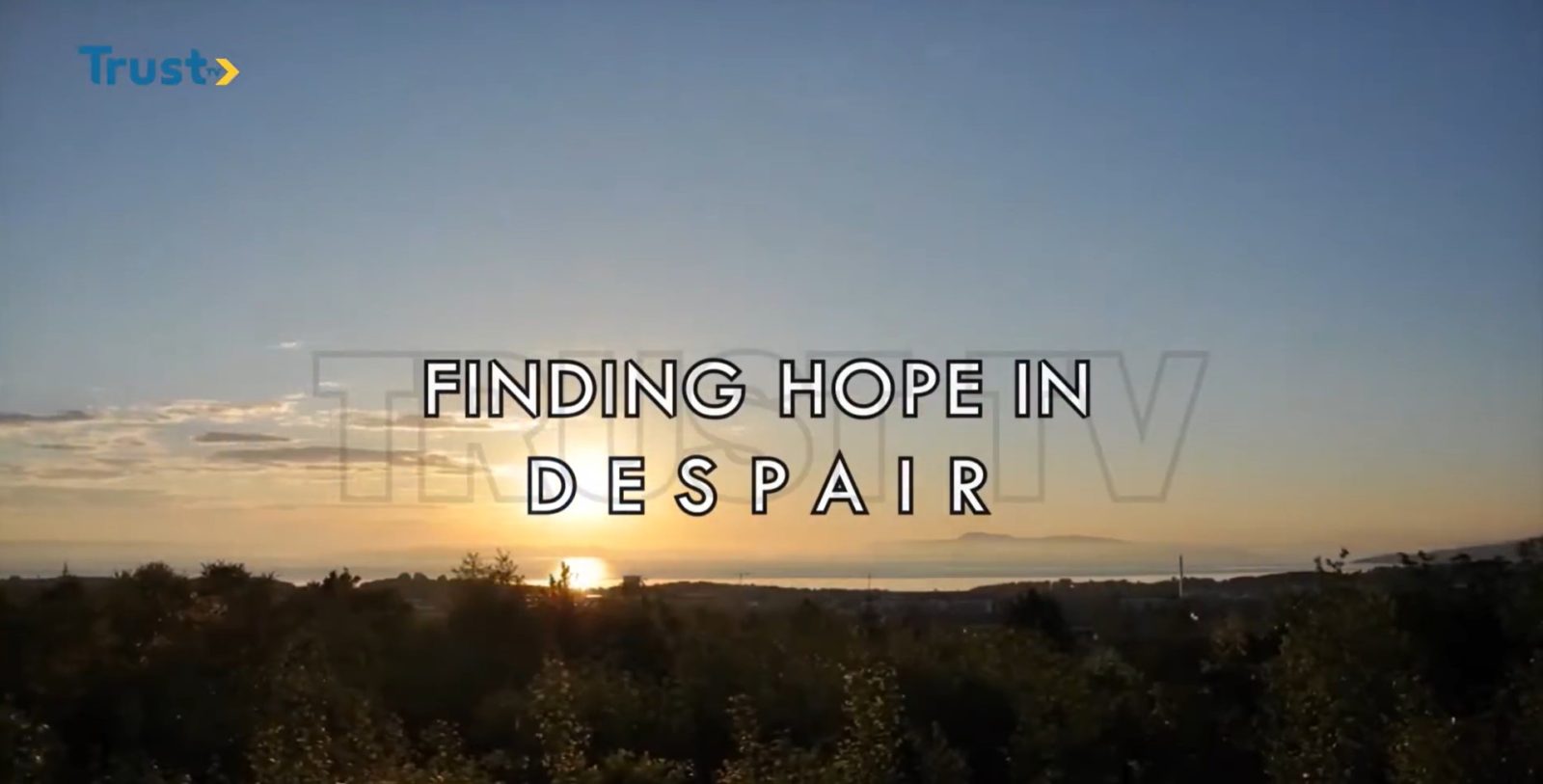

Finding Hope in Despair tracks indigenes of Plateau State who suffered major losses and are still rebuilding their lives two decades after the 2001 Jos Crisis, capturing the challenges of resettling and starting over.
By Vivian Nneka Nwajiaku
Across Nigeria’s Northern and Middle Belt regions, a spate of violent attacks on communities has occurred in the past month, particularly ahead of and during the Easter celebrations last weekend. From the Palm Sunday killings in Jos, Plateau, and the Benue Easter Attacks, to attacks on two churches in Kaduna on the morning of Easter Sunday, the reality is that Nigerian citizens, especially in these regions, have no security of life and property.
In an Arise News coverage on the Benue attacks, a voice can be heard in the background saying, “This is what we go through every year,” emphasising the recurring nature of these devastating events, a feature that is not unique to Benue.
One such past event was the 2001 Jos Crisis, a violent ethnoreligious conflict in Jos that lasted nearly two weeks, with an estimated one thousand people killed and tens of thousands displaced. The aftermath of that crisis, and its impact on the displaced survivors, is the subject of Finding Hope in Despair, a 2022 news documentary by Trust TV.
Finding Hope in Despair tracks indigenes of Plateau State—from a 66-year-old retired police officer to a 70-year-old food vendor—who suffered major losses and are still rebuilding their lives two decades after the 2001 Jos Crisis, capturing the challenges of resettling and starting over after losing everything.
The documentary also features notable interviews, including a veteran journalist who has covered multiple crises in Jos, a lecturer in Conduct Management and Peace Studies at the University of Jos, and community leaders of both resettled communities and host communities.

Finding Hope in Despair shines a light on the displacement and loss of productivity that follow such crises, with several of the survivors of the 2001 Jos Crisis seeking refuge and new settlements in neighbouring states, such as Bauchi. Through first-person narrations, the documentary recounts their continuing struggles to find new means of survival, with many finding it difficult to feed themselves and unable to send their children to school.
Yet, their resilience is also documented. For a number of them, the crisis and their losses were an act of God, and many of them have proceeded to rebuild their lives and make new homes in their new communities, despite the difficulty. One such survivor, a young man, expresses his intention to remain in Bauchi, where he now works as a welder. “Crisis today, crisis tomorrow, in Plateau. This will not [allow] me to do my job successfully, more than the way I [do] it here.”
Finding Hope in Despair also takes a look at the assistance rendered by the federal and state governments in the aftermath of the crisis, and the limitations of such assistance, as well as at the relationships between the resettled communities and their hosts. “We have achieved the good things that come with development, and we’re experiencing the bad things that come with development,” says Muhammad Abdullahi, a district head of Narabi, one of the communities that welcomed Jos refugees in 2001. “Nobody has any reason to give me, even if it’s a biblical or Islamic reason, nobody has any reason to give me. It’s only selfish reasons that make people to fight,” Abdullahi adds.

Yet, these ethno-religious crises persist across Nigeria, especially in the Northern and Middle Belt regions, with successive governments unable to fulfil their primary constitutional responsibility: the security and welfare of the people.
Runtime: 25 minutes
Finding Hope in Despair is available to stream on YouTube.
Vivian Nneka Nwajiaku is a writer and film critic writing from Lagos. She has a master’s degree in law but spends most of her time consuming, studying and discussing film and TV. She’s particularly concerned about what art has to say about society’s relationship with women. Connect with her on X @Nneka_Viv