




Call of My Life is genuinely romantic, truly comedic, and settles into familiar tropes without losing originality or authenticity.
By Vivian Nneka Nwajiaku
Uzoamaka Power reunites with Andrew Yaw Bunting in another Bluhouse production, and what might be the most female-gazey romantic comedy of contemporary Nollywood. Call of My Life (2026) is Dammy Twitch’s delightfully colourful and cutesy feature debut, but—and this is not to take away from his commitment to the bit as the director—Power’s hands as screenwriter are all over it.
The last (and first) time we saw Power and Bunting play a couple was in Power’s romance short, My Body, God’s Temple (2025), which she wrote and directed as part of the Zikoko Life anthology series. In My Body, Power starred as a newlywed Catholic Igbo woman discovering her body after a lifetime of pre-marital abstinence. In the much tamer Call of My Life, her character, Soluchi, is a “worldlier” Catholic Igbo woman re-learning self-acceptance while chasing love in a world that sees vivacious women like her as “too much”.
When we meet Sol, she and her supportive best friend, Zimuzo (Beverly Osu), are shopping for a birthday surprise for Kalu (an achingly enjoyable Zubby Michael), the financially buoyant Igbo businessman she’s dating. Sol is a quirky call centre attendant who lives so fully and gives herself so completely to whatever she sets her heart on. She’s the type to celebrate seven-month anniversaries and spend too much time on conversations with customers to the detriment of her team’s average call time.
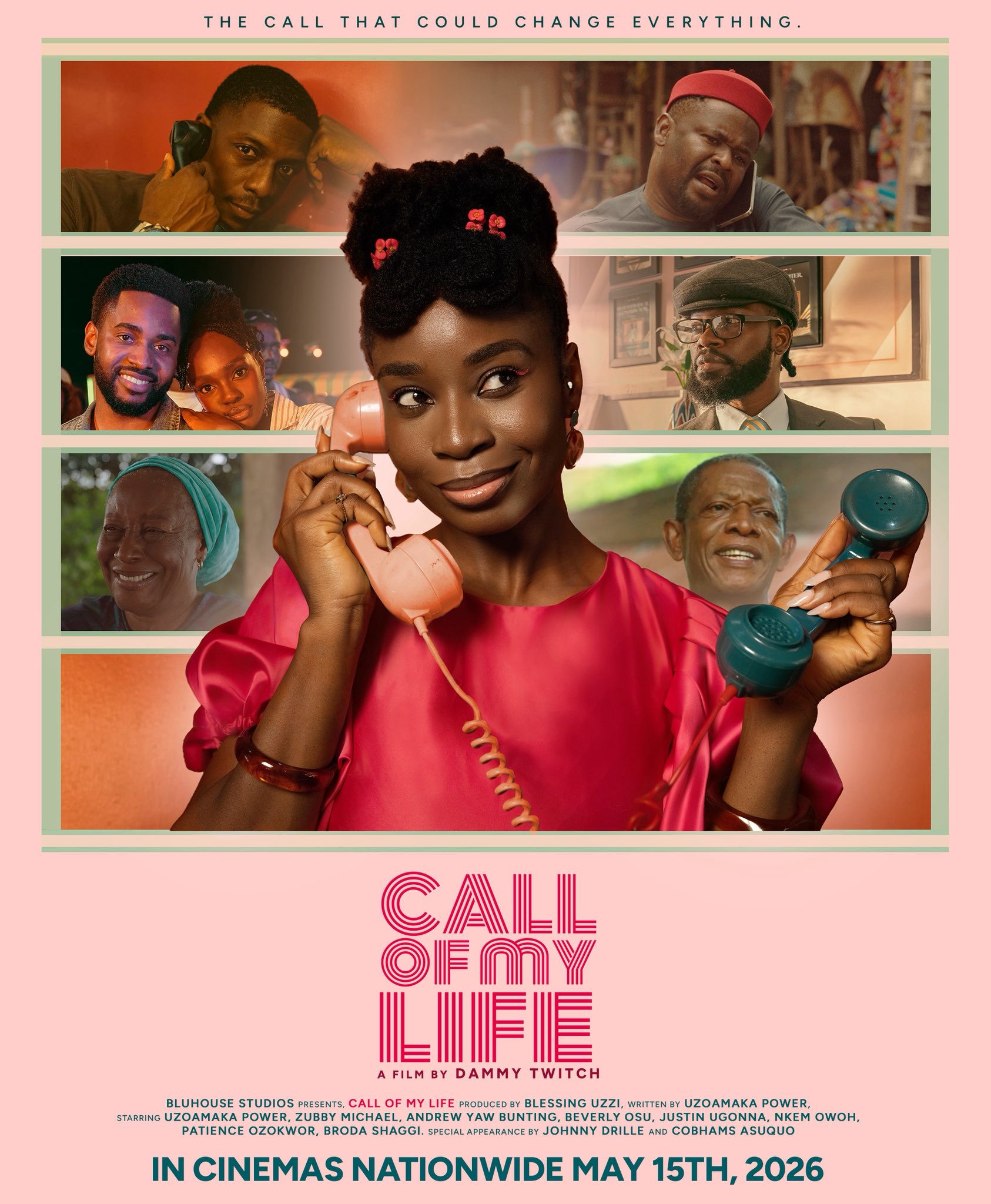
Kalu, on the other hand, is practical and business-focused. He’s certainly not a Nollywood love triangle villain. He has his own little ways of showing his love, and he can be pretty sweet when he wants to be. But he barely finds time for Sol while he unloads his container and takes time off to drink with other men in celebration of his successful imports. And he considers his debit card to be a decent substitute for his presence, a sacrifice that ultimately means little to Sol and does not quite feature in her romance playbook.
We meet Bunting’s Eli much later. He’s a Ghanaian who has just moved to Nigeria, where he is working as a newscaster and apparently struggling with network connectivity. When he puts a call through to his service provider, Sol is at the other end to listen and hopefully fix his problem.
They connect over one of those overindulgent conversations that her boss (Samuel “Broda Shaggi” Perry) criticises. “You have a sonorous voice,” Eli tells Sol. He calls her “Soul” and wants to meet outside of her job. But she finds his proposal slightly disconcerting, as many women would. And when she hangs up on him, he tries over and over to reach her, but he keeps getting her colleagues instead.
Meanwhile, Sol is oblivious to the fact that her relationship with the more traditional Kalu is hitting the rocks. A trip to a children’s playground, where Kalu hates every moment of swinging on a swing, becomes the dealbreaker. “You love too much. You care too much. You are always available. You are not a child,” Kalu tells Sol as he breaks off things with her, breaking her self-esteem in the process.
It is in this headspace that Eli finds her when she finally takes his call on a depressing day at work, and when they coincidentally meet in person, in an intriguingly mature meet-cute. Now dealing with a personality crisis triggered by Kalu’s rejection, the conflict becomes about how much of herself to give. Is a one-month anniversary too much? Are gifts too much? Is she even mentally ready to try again?
A result of imperfect writing—this is Power’s debut feature screenplay—the lovebirds find themselves at an impasse for far too long. The conflict ends up overplayed yet undercooked, much like other hints of conflict that get thrown up—like cultural differences, unearned office politics involving Sol’s boss, and potential animosity between Sol and Ezekiel (“Justin UG” Ugonna), Sol’s work colleague who turns out to be Eli’s old schoolmate.
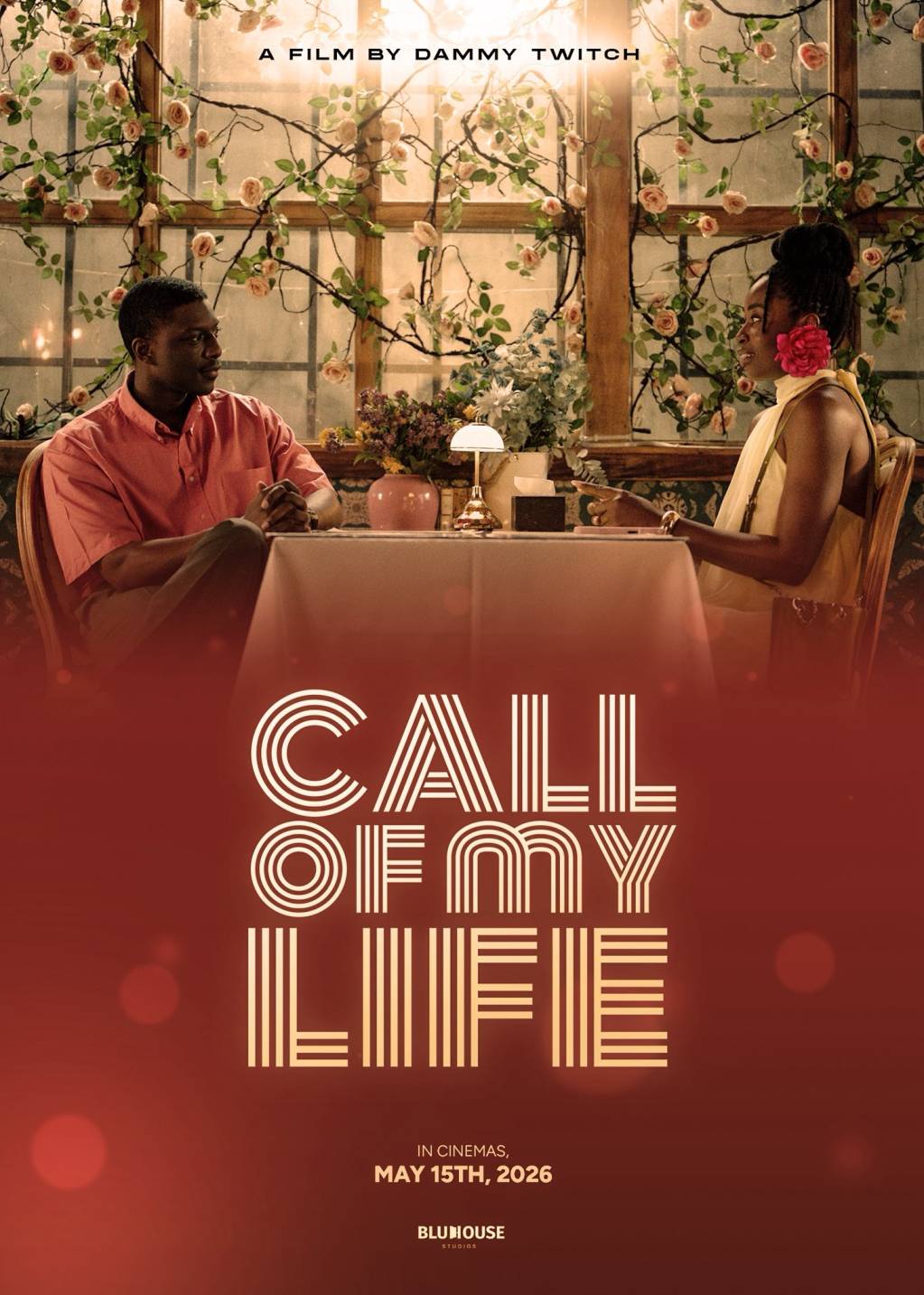
Eli, himself, is too underwritten for his character to properly influence the conflict. First, we meet him a little too late, so there’s just not enough time spent with him to invest in him independently. Beyond his eagerness to participate in Sol’s whims, we know too little of him. At best, we know that he’s a straightforward man because he never holds back in his proposals to her. But for a man who’s just moved into the country, we have no idea how he’s adjusting to his new life or his new job. And while they get to know each other, we really only get to know Sol, so much so that we know the pre-marital sexual status of her parents, played lovingly by veterans Patience Ozokwor and Nkem Owoh.
Admittedly, it is the right choice for the screenplay to centre Soluchi in her own story, but does that inevitably mean that her love interest would be sketchily drawn? Or maybe this is just Bunting’s lot in Nollywood—from Water and Garri (2024) to Love Lockdown (2025) and now Call of My Life—to play characters who are mostly mysteries, and whose personalities exist only to the extent that he conjures them up himself.
Sol and Eli make a charming pairing, though, albeit with slightly less chemistry than the marketing suggests. If you walked past them on the street, you would likely catch yourself staring at them, those gorgeous-looking people in chaotically colourful but visually interesting outfits. Sol, in particular, dresses for her mood, which is typically upbeat, but even at her most solemn moments, like when Kalu leaves her heartbroken and worn down with self-doubt, she still can’t help but splash a bit of colour. In many ways, she reminds you of Emilia Clarke’s also quirky character in Hollywood’s Me Before You (2016), complete with bright-coloured, near-garish tights.
But Call of My Life is no Me Before You. They may share an affection for the joy of living (the former more than the latter), but Twitch’s romcom is not trying to be an emotional wreck of a film. Instead, Call of My Life is a light-hearted, self-aware romp about accepting oneself and being loved in the way that one loves and wants to be loved. The point, it seems, is that a person might be a good person, but that does not mean that they are right for you.

Eventually, Kalu returns, in a familiar romcom scene featuring original and hilarious dialogue, and Sol finds herself torn between two men. In a church-set scene reminiscent of that unforgettable scene from My Body, God’s Temple, Sol kneels before her God, rosary in hand, begging for help in solving her dilemma. She wants a very specific, very brightly-coloured sign, and when she shares the specifics, it’s more than clear that her decision has already been made. She just needs a divine co-sign. But when she gets it, the film lingers on because it has one epic trope that it needs to hit for its climax.
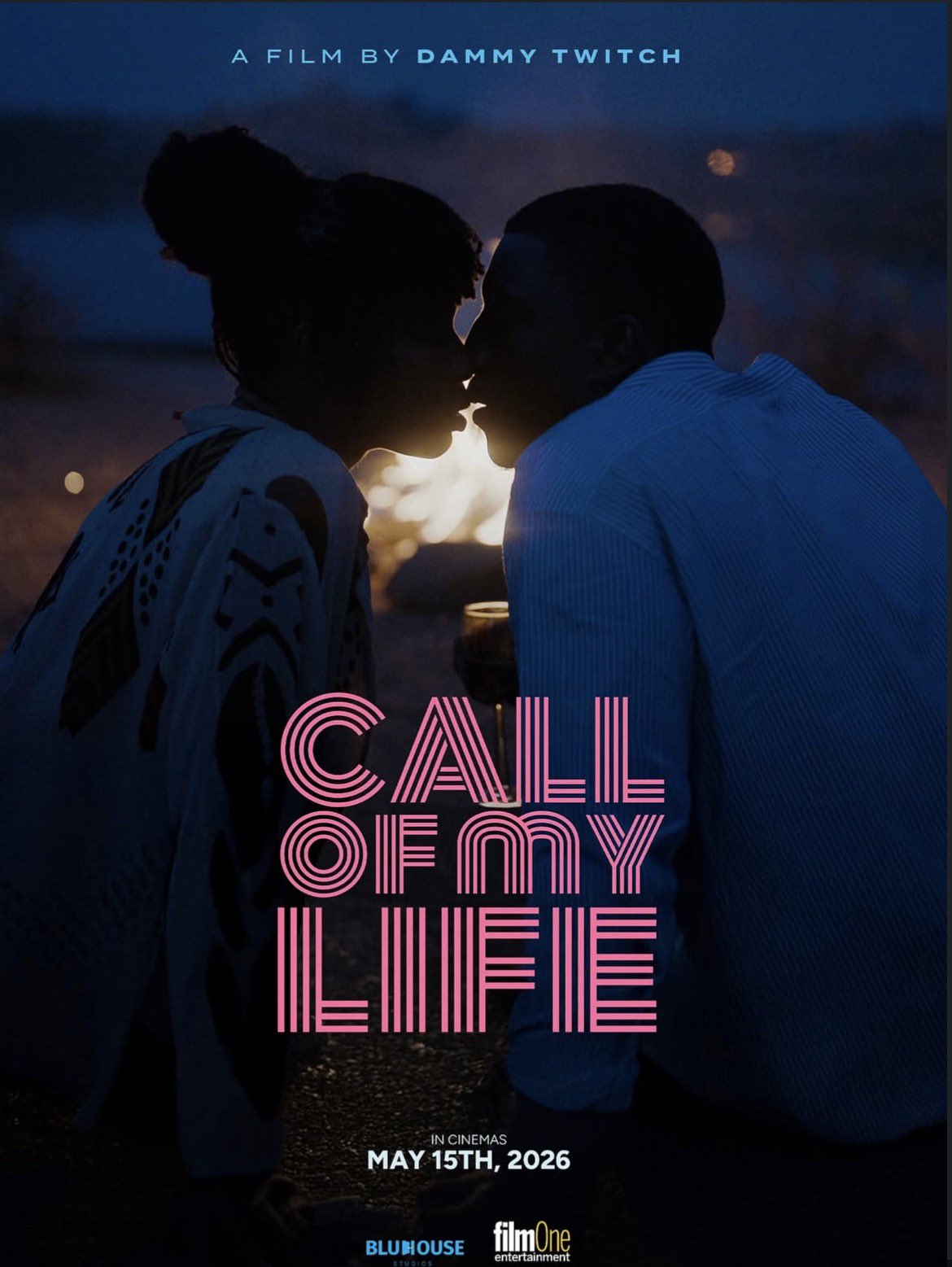
Is that trope pulled off in a way that’s both canonical and original? Absolutely. But it also exemplifies the little ways in which the film struggles in its delivery. Consequential moments that happen offscreen. Interesting dialogue that is sometimes too carefully crafted, which leans into excess. Build up that stretches out so much with not enough tension to sustain it, so the climax barely escapes landing as anticlimactic.
Still, as far as romcoms go, Call of My Life is very much a pleasurable watch. And it’s not just for the beautiful cast, or the strong enough performances, or the magnificent locations, or the stunning frames, or the fascinating wardrobe, or hearing Johnny Drille’s voice over piano notes played by Cobhams Asuquo. It’s also for the fact that it understands what makes a romcom, well, a romcom.
Call of My Life is genuinely romantic, truly comedic, and settles into familiar tropes without losing originality or authenticity. It does not re-invent the wheel; neither does it reach for some higher form of romance-themed filmmaking. But it understands the cravings of romcom audiences, predominantly women, and the concept of the romantic comedy as aspirational comfort food.
This film is coming months after Valentine’s, the peak period for romance-centred films, but it’s so far the only Nigerian big-screen romance from this year that appreciates the essence of the genre. One day, we will get a transcendent romance film, but for now, we would be fortunate to have another like Call of My Life anytime soon.
Rating: 3.8/5
*Call of My Life opened in cinemas on 15th May 2026.
Vivian Nneka Nwajiaku is a writer and film critic writing from Lagos. She has a master’s degree in law but spends most of her time consuming, studying and discussing film and TV. She’s particularly concerned about what art has to say about society’s relationship with women. Connect with her on X @Nneka_Viv