

The year is only just gearing up, but we can see that the African literary space is having the right conversations, making relevant impacts, and innovating in the right places.
By Afrocritik’s Editorial Board
African literature in 2026 did not start with a bang, but there are already enough incidents to suggest that much literary water has passed under the proverbial bridge. Quietly and steadily, the year has so far accumulated several serious issues and milestones.
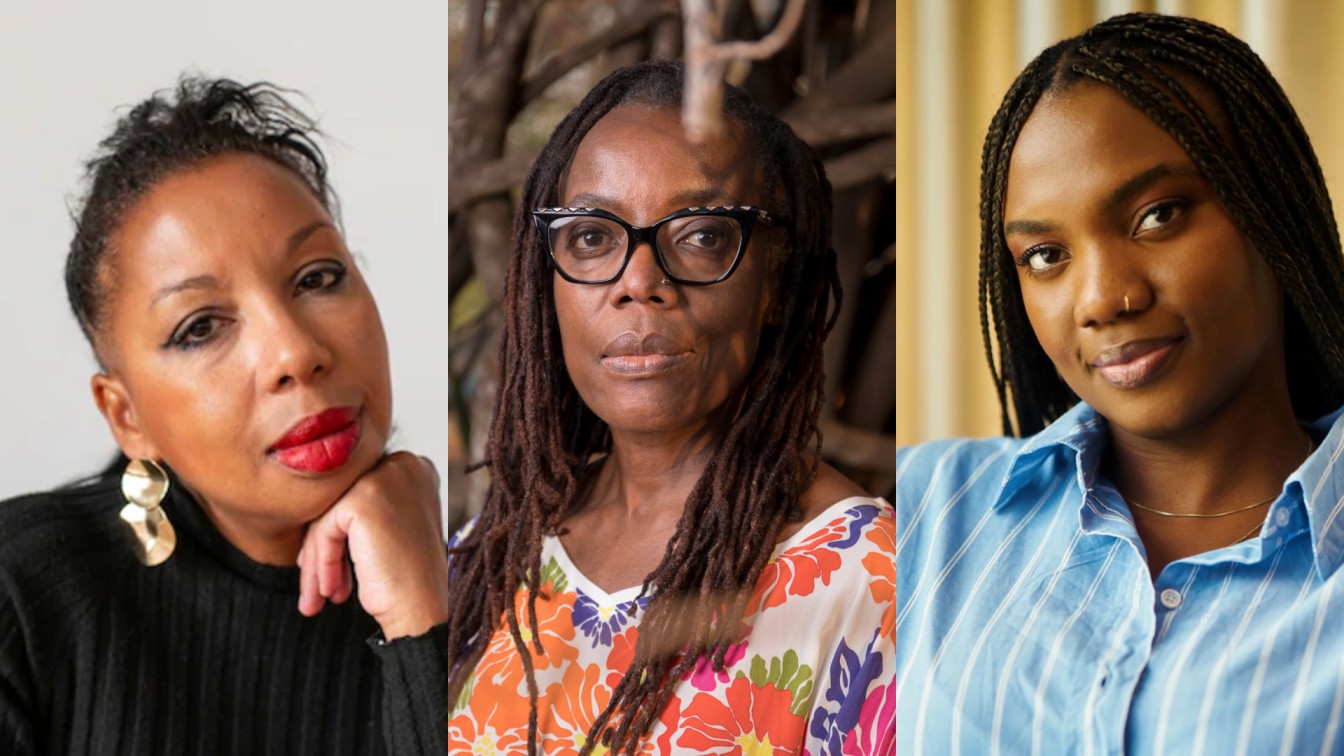
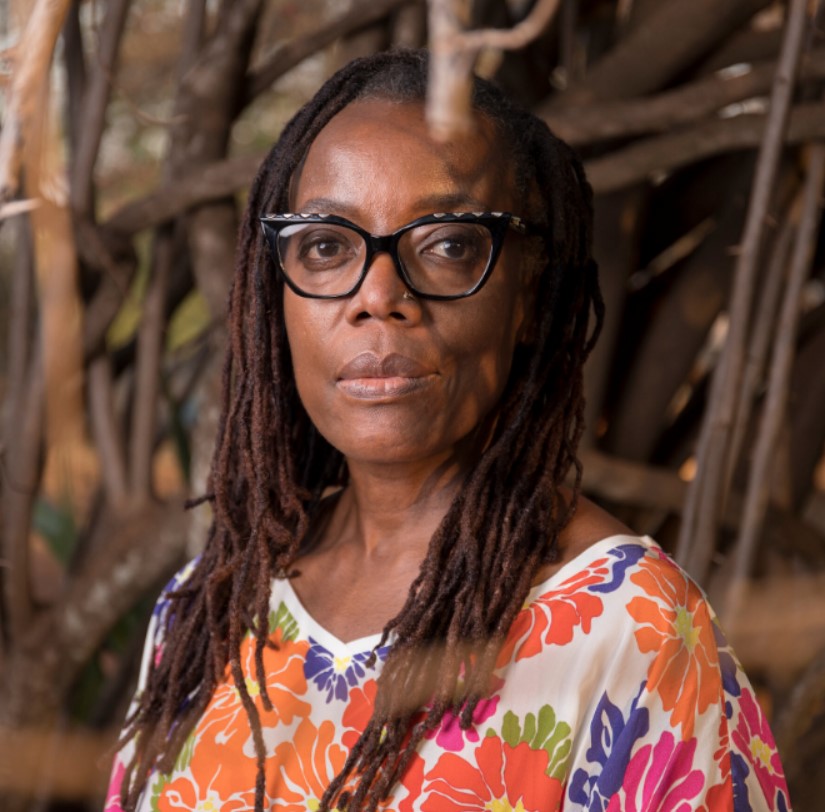
One of the earliest newsworthy events of the year was renowned Zimbabwean writer and filmmaker, Tsitsi Dangarembga, author of the highly acclaimed novel Nervous Conditions (1988), receiving the Sharjah Lifetime Achievement in Literature Award at the Sharjah Festival of African Literature in January. Speaking on the award, she said: “This award is not just a personal recognition; it affirms that African stories matter and that our narratives are being recognised beyond our borders. Festivals like this are crucial for preserving culture and ensuring African voices continue to be heard globally.”
This statement can be seen as reflecting how African literature has fared in early 2026, with African writers securing strong nominations in global awards. A notable example is the British Science Fiction Association (BSFA) Awards, which features several African nominees, including Wole Talabi, Tade Thompson, Tendai Huchu, Cheryl S. Ntumy, and others. The BSFA Awards recognise works published in the preceding year; this year’s prize is therefore being awarded for works published in 2025. Winners will be announced at the Iridescence Eastercon, taking place from 3–6 April 2026.
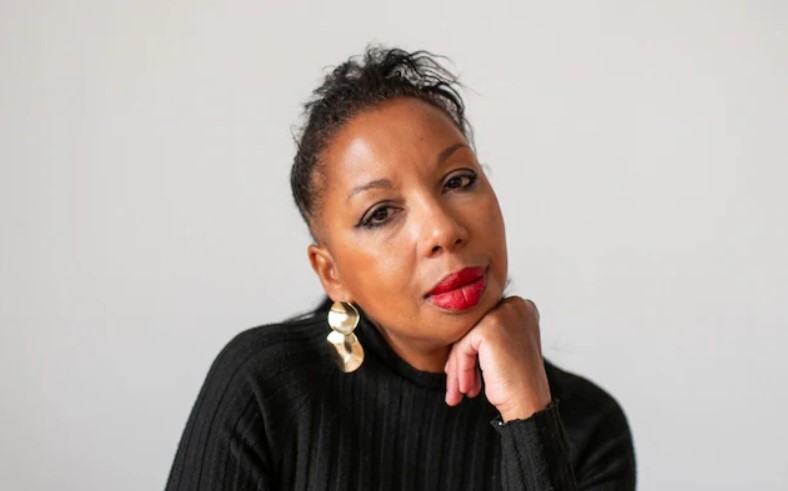
Perhaps one could say that Dangarembga’s Lifetime Achievement Award set the pace for women this year, for a simple perusal shows that, just three months into 2026, women already have strong representation in the global literary circuit. Nigerian writer Ifésinàchi Okonkwo was longlisted for the Dylan Thomas Prize for Fiction, which is awarded to writers under 40. French-Senegalese author Marie NDiaye was longlisted for the International Booker Prize 2026 for the English translation of her latest novel, The Witch, which follows a housewife who initiates her twin daughters into witchcraft only to watch their powers eclipse her own.
NDiaye was the first black woman to win the Prix Goncourt, the most prestigious literary prize in the Francophone world, which she received for Trois femmes puissantes (translated as Three Strong Women). The International Booker Prize shortlist will be announced on 31 March. Other women authors of African descent have also been nominated for several awards, including the Women’s Prize for Fiction.
One of the most astonishing milestones of the new year was the 57th Cairo International Book Fair, held between January 21 and February 3. Attracting 6.2 million readers and visitors, it is easily the largest book fair on the planet, which makes it even more impressive as a cultural event held in Africa, outside the cultural establishments of the global West. The CIBF has been running for 57 years, and this year marked the largest turnout in its history. It brought together 1,457 publishing houses from 83 countries and a total of 6,637 exhibitors. There were 400 cultural and intellectual events, over 100 book-signing sessions, and 120 artistic performances, hosting over 1,500 writers, intellectuals, and creatives across 170 Arab and international speakers.
The theme of the book fair was a quote by Egyptian Nobel laureate, Naguib Mahfouz: “He who stops reading for an hour falls centuries behind”. The scale of this year’s CIBF was tremendous, spanning several art and cultural genres. Most of its visitors—reportedly 80%—were young people under 35. Activities were so packed that events and halls remained open up to midnight as visitors continued to surge.
In early March, a conversation on piracy erupted on the continent, as though a well-considered nuke had been dropped on the African literary space, its massive reverberations lasting for days, with over 8,000 tweets recorded. It began when Fortune Amor shared a mind-boggling collection of over 200 books via a free Google Drive, an act which well-known writer and editor, Molara Wood, described as “illegal” in a strongly worded reaction. Many of the reactions pointed out the economic disadvantages in Africa, while others insisted on the theft of the intellectual property of writers and publishers who are victims of piracy.
The piracy discourse would subsequently spiral into other art forms such as film and music, and alight on conversations around art, literature, and their accessibility in Africa. Essays and opinions were also written on the subject in its immediate aftermath, notably on Efiko and Afrocritik, but no practical solutions were offered, except for points raised regarding government responsibility and economic and intellectual necessity.
Until weeks later, when, in an innovative response to the concerns raised by the piracy discourse, the Nigerian publisher Masobe launched its e-reader, which gives readers access to its books for very small subscription fees. The app also protects authors with a number of features, including a built-in non-screenshot capability, among others. The widespread enthusiastic response to Masobe’s announcement on 23 March 2026 shows that innovation within Africa’s volatile economic landscape might be key to sustaining readership and naturally curbing the menace of avaricious book piracy.



Masobe’s innovation comes on the back of its acquisition of multiple poetry books set for release this year. While these books have already been published in the West, Masobe’s acquisition brings them home to African readers in a year in which the Nigerian Prize for Literature will focus on poetry.
Another direct result of the piracy discourse is the establishment of the Pan African Young Publishers Association (PAYPA), which aims to bring together young African publishing professionals, including editors, marketers, designers, and agents. Presently, membership is already active in Nigeria, Kenya, and the DRC. The association aims to open channels of opportunity and foster linkages for professionals within the African publishing ecosystem.
Yes, the year is only just gearing up, but we can see that the African literary space is having the right conversations, making relevant impacts, and innovating in the right places. The ultimate challenge is to dismantle establishments that have wittingly placed literature out of the reach of the majority. In one quick-opinion essay, the writer Carl Terver argues that Nigerian literature has become an exercise in middle-class affectations and purchasing power—a real indictment not just of Nigerian literature, but of African literature as a whole. That must change (although we are already seeing moves in that direction).
In the next quarter, several literary prizes will announce longlists, nominations, and winners, including the BSFA, the International Booker, the Commonwealth Prize, the NLNG Prize, the Safal Kiswahili Prize, the Island Prize, and others. As conversations around the need to connect African literature to other relevant ecosystems continue to grow, it bears noting that such robust engagements may inject new life—especially in terms of capital investment—into African literature, where it is direly needed.
Chimezie Chika is a staff writer at Afrocritik. His short stories and essays have appeared in or forthcoming from, amongst other places, The Weganda Review, The Republic, The Iowa Review, Terrain.org, Isele Magazine, Lolwe, Fahmidan Journal, Efiko Magazine, Dappled Things, and Channel Magazine. He is the fiction editor of Ngiga Review. His interests range from culture, history, to art, literature, and the environment. You can find him on X @chimeziechika1