

The most important question in an artiste’s brand deal is not how much they are being paid. It is what the brand will still be allowed to do with their identity after the cheque has been cashed.
By Deborah Oyedijo
A brand deal can look straightforward from the outside. An artiste appears in a campaign, wears the clothes, holds the product, posts the photographs and gets paid. The campaign goes live, the partnership generates attention and, eventually, the contract ends. But a brand’s connection to an artiste does not always end when the deal does.
The photographs may still be online. The campaign video may continue circulating. The artiste’s name may remain associated with the product in the minds of consumers. A catchphrase used during the campaign may continue appearing in promotional materials. In some cases, a brand may even retain contractual rights to continue using materials featuring the artiste after the commercial relationship itself has ended.
This is why the most important question in an artiste’s brand deal is not simply how much the brand is paying. It is what the brand will be allowed to do with the artiste’s identity after access to it has been granted.
For African artistes, this question is becoming increasingly important. As the continent’s music industry grows, fashion houses, FMCG companies, alcohol brands, beauty companies and technology businesses are competing for access to artistes who bring more than celebrity visibility to a campaign. They bring audiences, cultural relevance, aesthetics and identities that may have taken years to build.
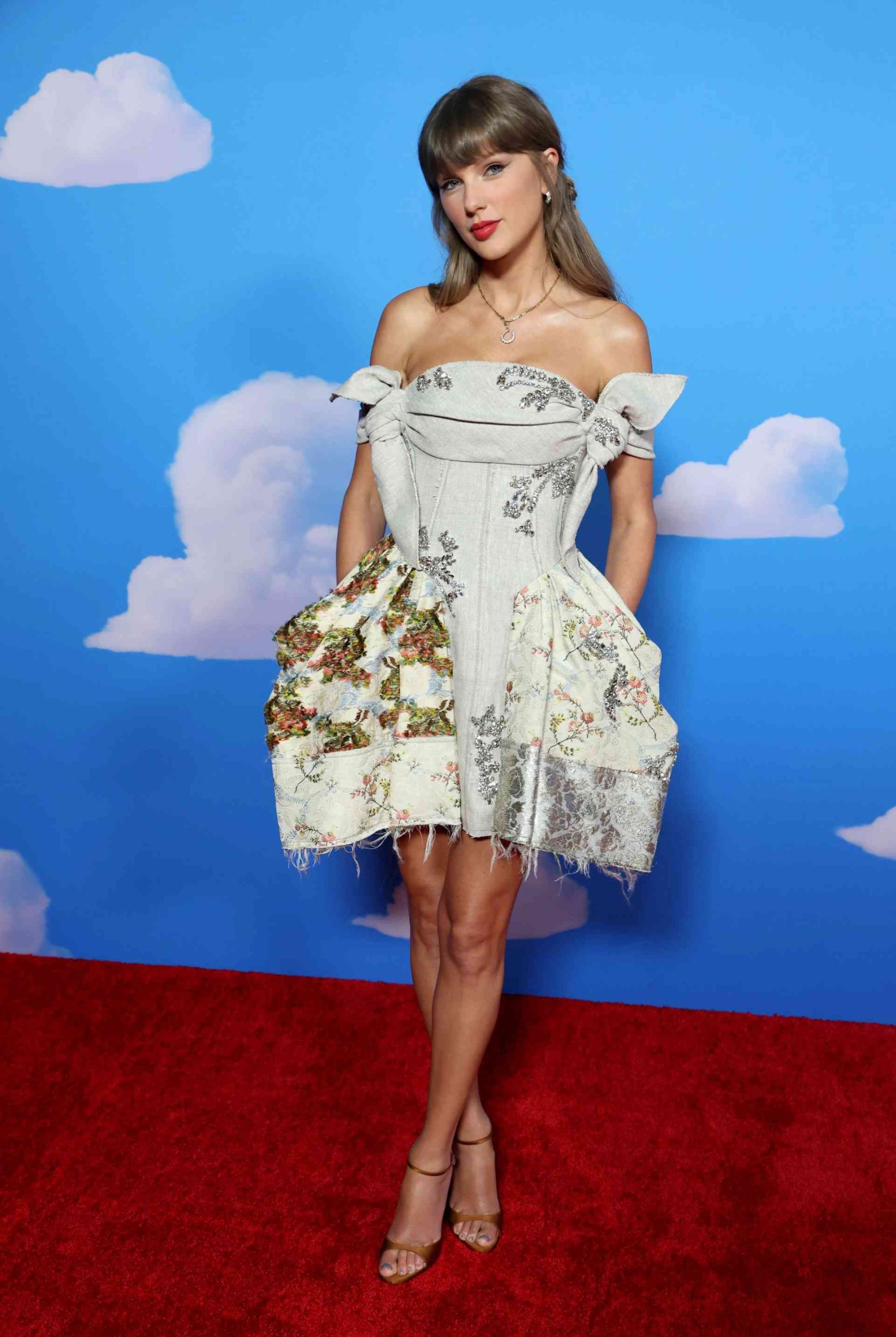
And when a brand pays for access to that identity, the artiste needs to understand exactly what is being borrowed. Taylor Swift offers a useful global benchmark, not because African artistes need to replicate the scale of her trademark strategy, but because her career demonstrates how broad an artiste’s commercial identity can become. Her intellectual property portfolio extends beyond her name to phrases associated with her music, album titles, tour names and other identifiers that have become commercially connected to her career.
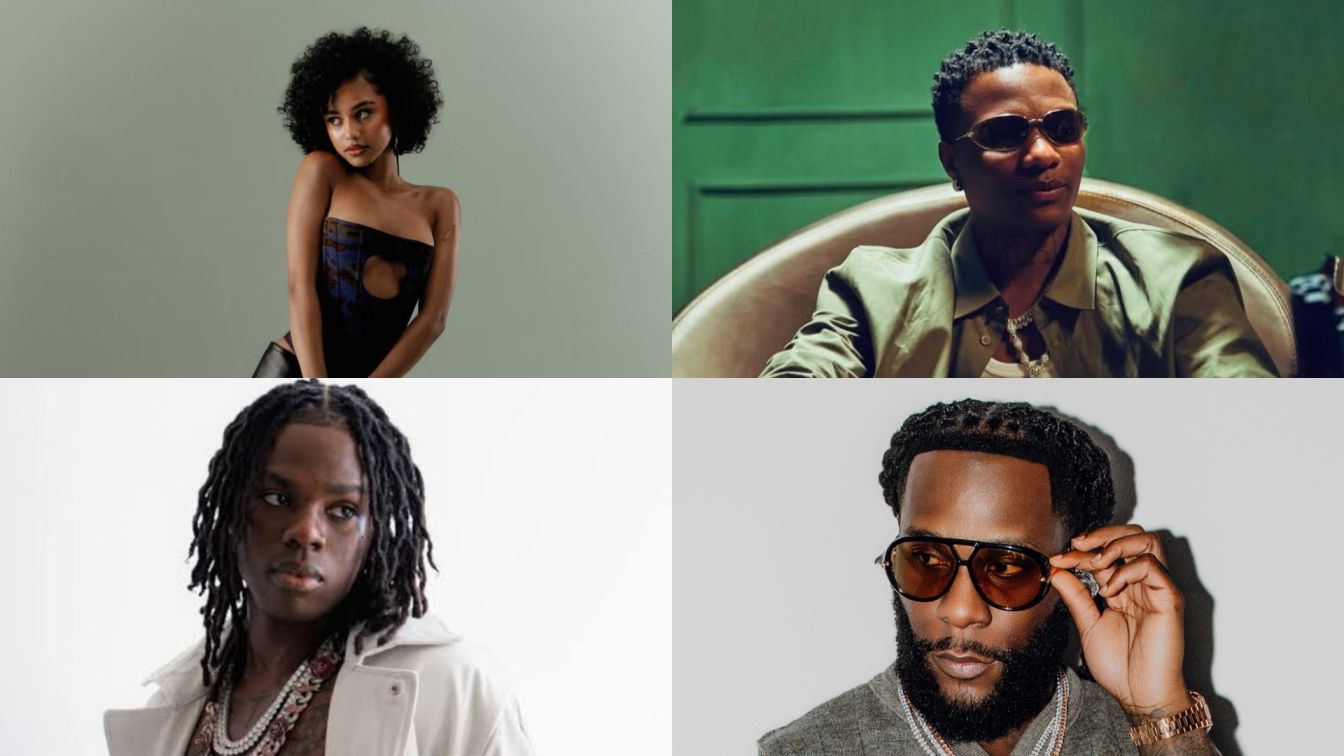
The important lesson is not that every phrase an artiste says should be trademarked. It is that an artiste’s commercial universe can be much larger than the photograph attached to an endorsement contract. That reality already exists in African music. Wizkid’s Starboy, for instance, has grown beyond a nickname into an important part of the commercial identity surrounding his career. Burna Boy’s African Giant persona is similarly more than a description. It communicates a particular cultural positioning that has become part of how audiences and commercial partners understand him. Cassper Nyovest’s #FillUp developed into a recognisable event and commercial concept built around his stadium performances.
These are not necessarily just words. Over time, they can become part of the commercial value an artiste has created. This matters because a brand collaboration may involve much more than an artiste’s face. A fashion company might want to associate itself with an artiste’s aesthetic.
An FMCG brand may want access to the cultural relevance surrounding their persona. A campaign may use the artiste’s stage name, signature language or recognisable identity to create the impression that the product belongs within the world the artiste has built. So, when an artiste signs a deal allowing a brand to use their identity, what exactly has been licensed?
That question should be answered before the campaign goes live, not after the relationship has changed. A licence is simply permission to use something under agreed conditions. In the context of a brand deal, an artiste may give a company permission to use particular parts of their commercial identity for promotional purposes. The problem is that those permissions can be much broader than artistes realise if the contract does not clearly define what is being licensed.
A contract that gives a brand the right to use an artiste’s “image”, for example, may sound simple enough. But does image mean only photographs taken for the campaign? Does it include video footage? The artiste’s name? Their stage alias? Their voice? Their catchphrase? Existing photographs from another period of their career? The difference matters.
Imagine Rema signing a fashion partnership for a campaign shot specifically for the Nigerian market. The photographs become successful, and the brand later wants to use them in stores across Ghana, Kenya and South Africa. It also wants to continue using the campaign online after the original partnership has ended. Whether the brand can do any of this depends on the rights it received in the first place. This is where the scope of the licence becomes important. Scope simply means the boundaries of the permission the artiste has given. A carefully drafted agreement should make it clear what assets the brand can use and what it cannot.
If the brand is licensing photographs, the contract should be clear about that. If it is also licensing the artiste’s name or stage alias, that should be clear too. If the campaign intends to use a signature phrase associated with the artiste, the agreement should not leave that to assumption. This is particularly important because some of the most commercially valuable parts of an artiste’s identity may not be visible in a photograph.
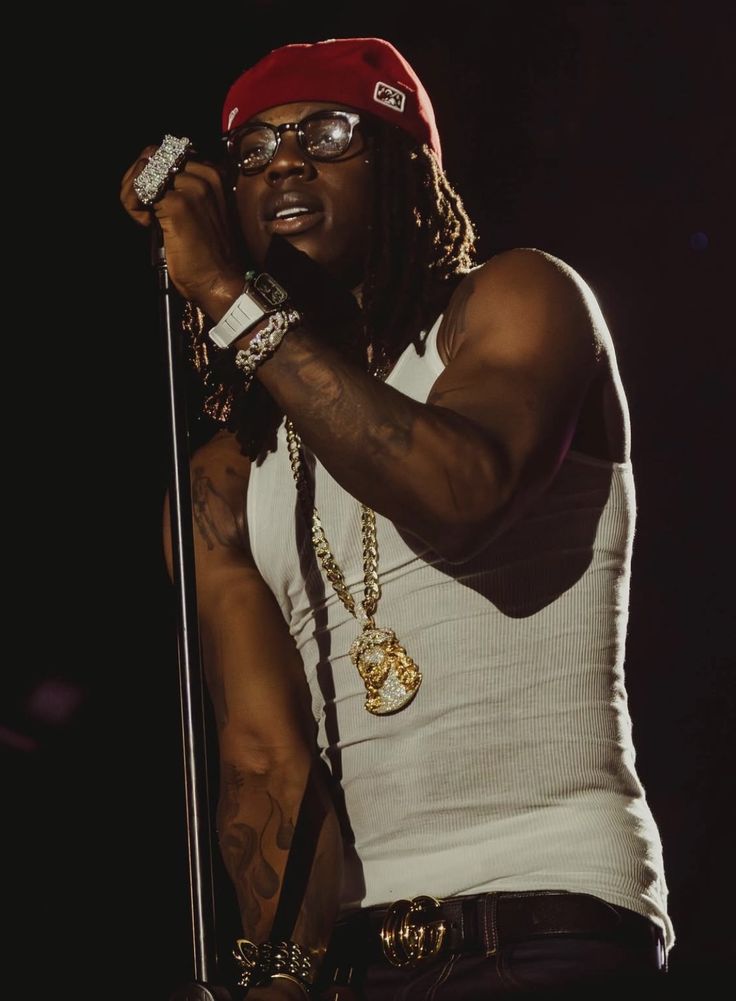
Cassper Nyovest’s #FillUp is a useful example. The phrase became associated with a particular experience and commercial world built around his concerts. Its value did not depend on a photograph of Cassper’s face. It came from the recognition audiences had developed around the phrase itself. Now imagine a brand signing an artiste for an endorsement deal and building an entire campaign around a phrase that fans strongly associate with that artiste. The brand may have permission to use the artiste’s photograph, but was it also permitted to use the phrase as a central part of its advertising? These distinctions can easily be overlooked when contracts treat an artiste’s identity as though it were a single asset.
Territory is another question that deserves more attention, particularly for African artistes whose careers increasingly move across borders. A partnership may begin in Nigeria or South Africa but quickly spread digitally across the continent and beyond. An agreement should therefore answer a basic question: where can the brand use the artiste’s identity?
The answer might be one country. It might be West Africa, Southern Africa, the entire continent or worldwide. Each arrangement has a different commercial value because access to an artiste’s identity in Lagos is not necessarily the same as the right to use that identity globally. An artiste should therefore understand whether a campaign that begins locally can later travel without further negotiation.
Duration matters for the same reason. How long has the brand been permitted to use the artiste’s identity? Three months? A year? Three years? And perhaps more importantly, what happens when that period ends? The answer is not always as obvious as it should be. A campaign may disappear from television when a contract expires, but digital advertising can survive much longer. Old Instagram posts remain online. Videos can continue appearing on websites and YouTube. Retail displays may take time to remove. A brand may also want to repost successful campaign material months or years after the original partnership has ended.
This is the contractual afterlife of an artiste’s identity. An artiste may believe a deal has ended because they are no longer required to make appearances or post about the product. Meanwhile, the brand may still have the contractual right to benefit from materials created during the partnership.
Again, this is not necessarily unfair. A short period for winding down a campaign can be commercially reasonable. The issue is whether the artiste understood what they agreed to.
The same applies to exclusivity. Category exclusivity means that an artiste agrees not to work with competing brands within a particular product category for a defined period. A beverage company, for example, may not want an artiste appearing in a competitor’s campaign while their own partnership is active. But exclusivity can be broader than artistes expect.
If an artiste signs with a soft drink company, does that prevent them from working with an energy drink brand? What about bottled water? Alcohol? A different product owned by the same parent company? These questions should be answered clearly because a vague exclusivity clause can quietly prevent an artiste from accepting valuable opportunities that they did not realise they were giving up.
The 2022 dispute involving AKA, Cassper Nyovest and Cassper’s liquor brand, Billiato, demonstrates how quickly questions of identity, approval and exclusivity can collide. Cassper posted promotional material announcing AKA as an ambassador for Billiato. AKA publicly objected, arguing that the use of his likeness and image continued to violate his rights and pointing to his existing exclusive relationship with the competing brand Cruz Vodka. The public dispute is a useful reminder that an artiste’s identity does not exist separately from their existing commercial obligations. An image that might otherwise appear in a campaign can become commercially problematic when the artiste has already granted exclusivity to another brand.
A similar collision played out in Ghana in 2025, when Sarkodie took Ecobank Ghana to court over an anti-fraud campaign featuring a man widely perceived to be his lookalike. Sarkodie argued that the campaign created the misleading impression that he was involved with or endorsed Ecobank, despite his existing ambassador relationship with rival FirstBank.
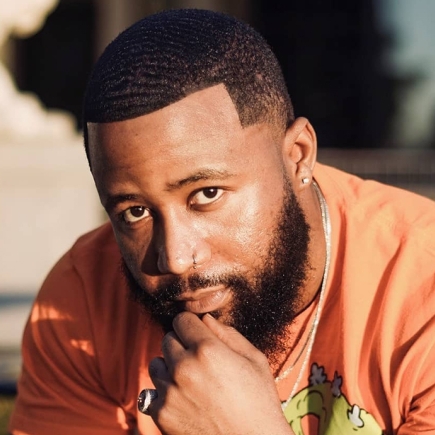
The dispute was different from the Billiato incident. There was no announcement naming him as an ambassador, and the campaign did not use Sarkodie’s actual photograph. Yet the underlying problem was strikingly similar: a brand was alleged to be benefiting from an association with an artiste’s recognisable identity without having licensed it, while that artiste’s real commercial commitments existed elsewhere.

But both incidents raise a more fundamental question: who gets to decide when the public is told, or led to believe, that an artiste is associated with a brand? This is where approval rights become important. Approval rights give an artiste some level of control over how their identity is represented during a commercial partnership.
Depending on the agreement, this may involve approving photographs, campaign materials, captions or the broader creative direction before they are released publicly. This does not mean that every artiste must control every detail of a brand campaign. Partnerships require brands and creative teams to do their jobs. But an artiste who has spent years building a particular public identity may reasonably want protection against being represented in a way that fundamentally changes or damages that identity.
Imagine Tyla entering a fashion partnership because the brand wants to associate itself with her distinct visual identity. Months into the campaign, however, the creative direction changes significantly. The brand begins presenting her in a way that no longer aligns with the image she has built with her audience. The brand may still be using photographs or materials covered by the agreement.
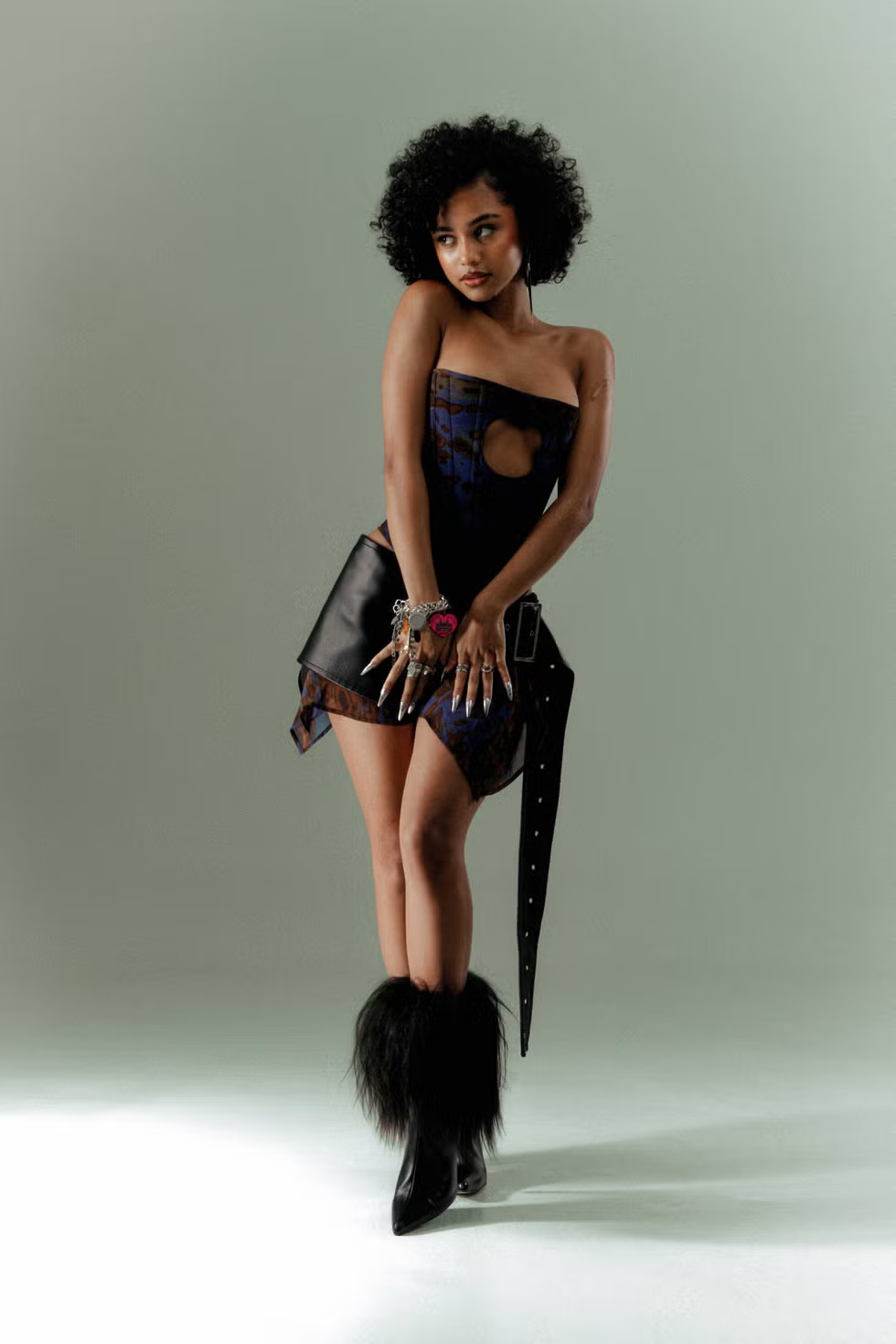
But the question is whether the artiste retained any meaningful control over how those materials would eventually be presented. That is what approval rights are designed to address. The relationship between an artiste and a brand can also change in ways neither party anticipated when the contract was signed. A brand may become involved in controversy. An artiste may change their public image. The commercial partnership may simply stop making sense.
What happens then? A contract should address how the relationship can be terminated and what happens to campaign materials after termination. Can the artiste require certain materials to be taken down? Can the brand continue using materials that were created before the relationship ended? What happens if the brand is acquired by another company the artiste does not want to be associated with?
These questions may feel unnecessary when everyone is excited about a new partnership. But contracts are most useful when the relationship is no longer working as planned. The broader lesson for African artistes is that a brand deal should not be approached as a simple exchange of visibility for money.
The cheque is only one part of the transaction. The other part is access. The brand is being given access to something the artiste may have spent years building: a name audiences recognise, a stage alias fans repeat, a phrase that has become culturally associated with them, an aesthetic they have carefully cultivated and a public identity that gives commercial meaning to their presence in the first place. The more valuable that identity becomes, the more carefully the terms of access should be negotiated.
This is why artistes and their teams need to ask practical questions before signing. What exactly is the brand allowed to use? Where can it use it? For how long? Is the deal exclusive? What counts as a competitor? Does the artiste have approval over how they are represented? What happens when the deal ends? And, perhaps most importantly, what parts of the artiste’s identity remain outside the brand’s permission altogether?
These are not details to be left for the legal team to “sort out later”. They are part of understanding what the deal actually is. An artiste can sign a campaign in one afternoon, receive payment and feel that the transaction is complete. But the permission granted in that contract may continue working long after the artiste has spent the money.
A brand deal may end. The campaign may disappear from billboards. The artiste may move on to another phase of their career. But whether the brand can continue benefiting from the identity it borrowed depends largely on what was agreed before the first photograph was taken. A face can appear in an advertisement. An identity can remain attached to a brand long after the advertisement is gone.
And before African artistes sign their next fashion, FMCG or lifestyle partnership, they may need to ask a question that matters far more than the size of the cheque: When this deal is over, who still controls what happens to me?
Deborah Oyedijo is a music business writer and entertainment lawyer-in-training with a focus on the African music industry. When she is not writing about music rights and culture, she is watching K-dramas or absorbing yet another documentary. Connect with her on IG and X: ayooyedijo