


An artiste’s most valuable asset is not always the music itself. Sometimes, it is the face people recognise, the voice they imitate, the catchphrase they repeat, or the identity brands are paying to be associated with.
By Deborah Oyedijo
Imagine an artiste signs an endorsement deal with a beverage company. The campaign is everywhere. Their faces appear on billboards across Lagos, Nairobi, and Johannesburg. Their voice is used in radio jingles. Their catchphrase is printed on merchandise distributed during the campaign. The contract expires after a year, but the advertisements continue circulating online and in physical spaces long after the deal has ended.
Most artistes assume they can stop this from happening because the brand is using “their image.” In reality, the legal protections available are often far more limited than many people realise.
Across Africa, artistes are increasingly becoming brands in their own right. Music may be the foundation, but it is no longer the only thing generating value. The name, the image, the persona, the aesthetic, and even the communities attached to an artiste’s identity now carry enormous commercial weight. Brands are not only paying for songs anymore. They are paying for cultural association, influence, visibility, and audience trust. The problem is that many artistes still think about their careers only through the lens of music ownership, leaving the broader business built around their identity largely unprotected.
An artiste’s brand is made up of several distinct assets working together. There is the stage name people recognise, the likeness attached to photographs and videos, the voice that immediately identifies them in a commercial, the fashion aesthetic associated with them, the slogans fans repeat online, and the broader cultural identity that audiences connect to. All of these things can carry commercial value independently of the music itself.
A company may want an artiste’s face for a fashion campaign without ever licensing their songs. A brand may want a particular voiceover style because consumers already associate it with a familiar personality. A streaming platform may invite an artiste to front a campaign because of what their image communicates culturally. In many cases, the music simply opens the door. The brand built around the artiste is what sustains long-term commercial value.
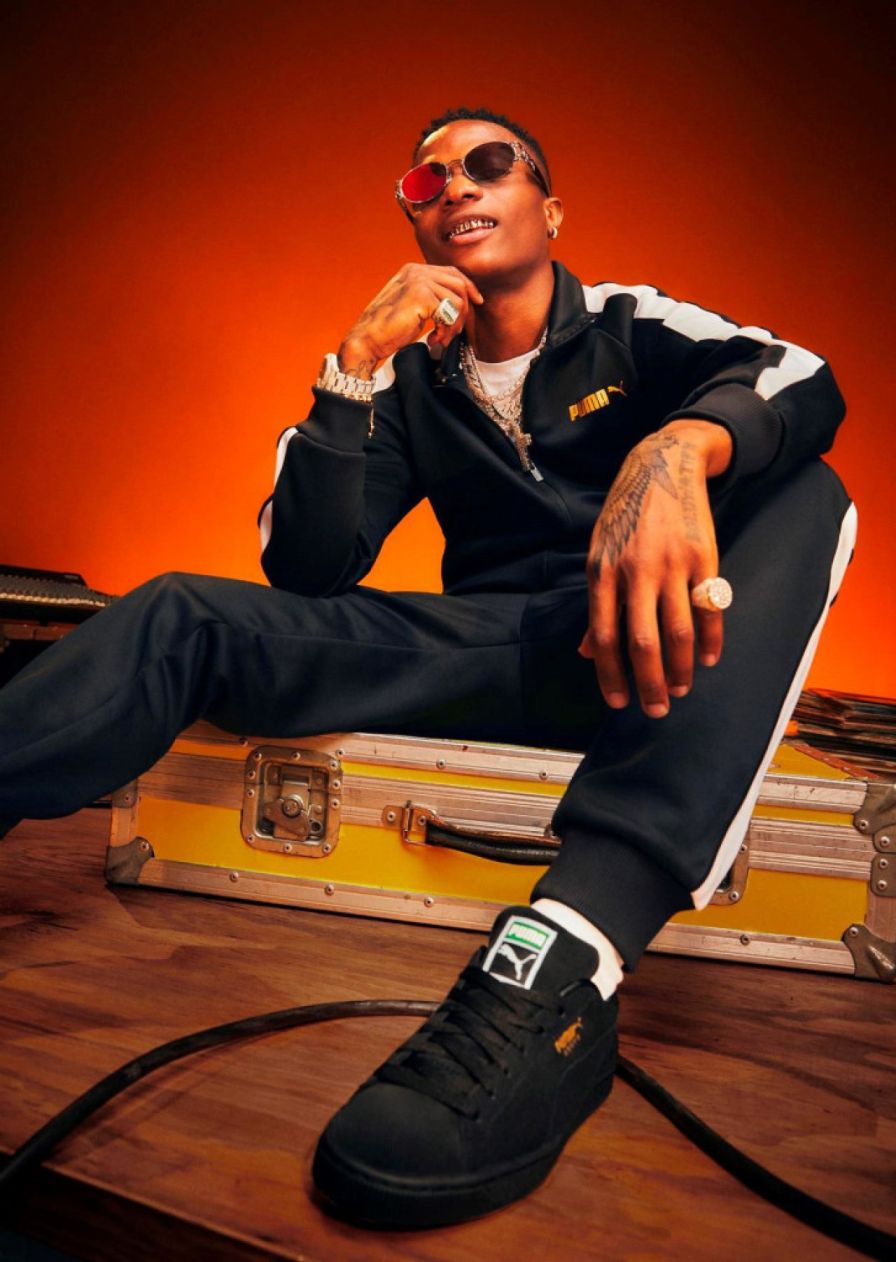
This is why some of the biggest African artistes operate more like full-scale brand businesses than traditional musicians. Wizkid’s partnerships with Puma and other international brands are not simply sponsorship arrangements tied to songs. They are built around the commercial value of the “Wizkid” identity itself, the fashion associations, the global Afrobeats appeal, the calm luxury aesthetic, and the audience loyalty attached to his image.
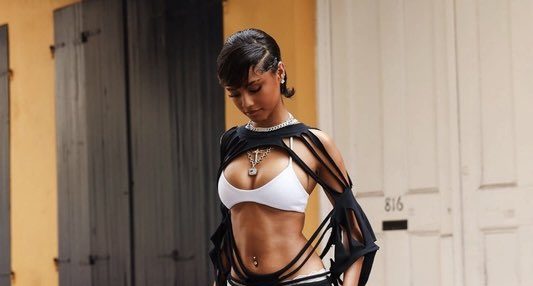
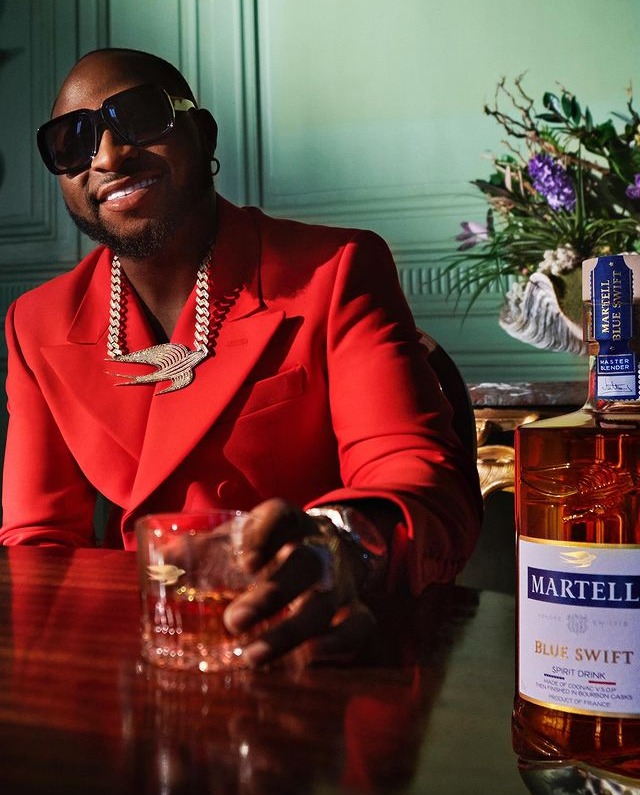
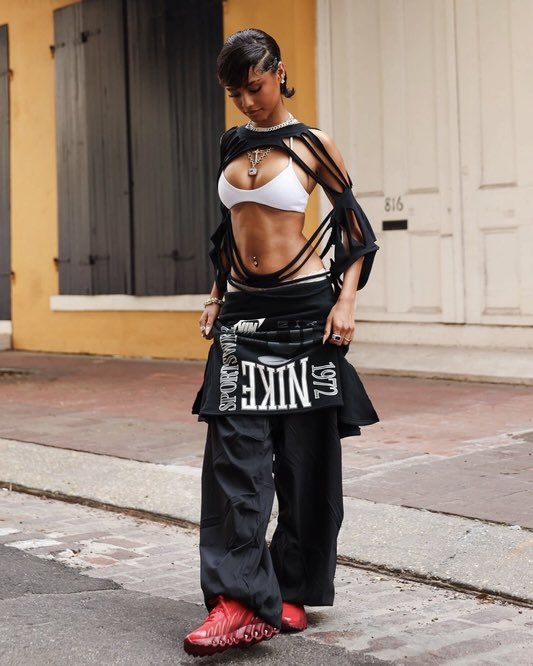
The same can be said for Burna Boy. The “African Giant” and “Outsider” persona is not accidental branding. It is a carefully cultivated identity that carries cultural weight beyond music. That identity makes premium partnerships possible because brands are buying access not only to listeners but to the meaning attached to him as a public figure. Davido’s “001” branding operates similarly. The phrase itself has become commercially recognisable beyond any single record. Tems, despite being relatively newer on the global stage, already demonstrates how quickly an artiste’s visual identity, styling, and overall presence can become commercially valuable long before formal legal structures are built around them.
The issue is that while these identities generate significant value, African legal systems have not always fully evolved to protect them in direct and comprehensive ways.
Copyright law, for example, protects creative works such as songs, videos, photographs, and artwork. What it does not automatically protect is the commercial identity surrounding the artiste. Owning the copyright in a song does not necessarily prevent someone from using your likeness, imitating your voice, or building a misleading commercial association around your public identity.
One of the strongest legal tools available to artistes is trademark protection. A trademark protects names, logos, slogans, and other distinctive brand identifiers used commercially. In practical terms, this means an artiste can formally register their stage name or logo to stop others from commercially exploiting it without permission. This becomes especially important because trademark protection across many African jurisdictions depends heavily on registration.
In Nigeria, the Trade Marks Act makes it difficult to enforce rights over an unregistered mark through standard infringement actions. Put simply, if an artiste never formally registers their stage name or brand identity, their legal protection becomes significantly weaker. South Africa’s Trade Marks Act goes even further by recognising protections for well-known marks, including situations where a famous identity may be unfairly exploited even on unrelated products. This matters because artistes today exist far beyond music. A recognisable African music brand can easily spill into fashion, alcohol partnerships, gaming, beauty products, and film.
Beyond trademarks, another protection that often becomes important is something known as passing off. Passing off simply refers to situations where a person or business presents their goods or services in a way that falsely suggests an association with someone else’s established reputation. For artistes, this could look like a company using branding so similar to an existing artiste’s identity that consumers begin to assume there is an official endorsement or partnership when none exists. It is essentially the law recognising that reputation itself has value and should not be commercially hijacked in misleading ways.
Imagine an upcoming fashion brand using a visual identity, slogan, and styling approach deliberately designed to resemble a well-known artiste closely enough that consumers believe the artiste is connected to the business. Even without directly stealing music, the commercial benefit would still come from the artiste’s reputation.
Some African jurisdictions have increasingly reflected this concern in corporate and commercial laws. South Africa’s Companies Act, for instance, prevents companies from registering names that misleadingly suggest false associations with other individuals or businesses. Nigeria’s Companies and Allied Matters Act similarly restricts the registration of names that conflict with existing trademarks or established commercial identities without consent.
Still, there remains a major gap across much of the continent: there is no broad, standalone “right of publicity” protection in many African countries. In simpler terms, there is often no single law that fully recognises an artiste’s face, voice, likeness, or public identity as independently protected commercial property in the same way some foreign jurisdictions do. This means artistes frequently depend on a patchwork of trademark law, passing off claims, copyright, privacy protections, and contracts rather than one comprehensive legal framework.
That gap is becoming even more significant in the age of artificial intelligence. An artiste’s voice can now be cloned convincingly. Their faces can be digitally recreated. Their likeness can be inserted into advertisements or videos they never participated in. For many artistes, this still sounds futuristic until they suddenly encounter AI-generated content imitating them online. This is where modern data protection laws are beginning to matter in unexpected ways. Nigeria’s Data Protection Act broadly protects personal data connected to identifiable individuals, while South Africa’s Protection of Personal Information Act requires consent before certain forms of personal information can be processed commercially.


These laws were not originally designed specifically for musicians, but they are increasingly relevant in conversations about biometric identity, facial replication, and AI voice cloning. Imagine waking up to discover an AI-generated version of your voice promoting a betting platform you never endorsed. Or finding your digitally recreated likeness appearing in an online campaign you never approved. Legally, these are no longer distant hypotheticals. They are emerging commercial realities.
Ultimately, the strongest protection many artistes currently have is still a contract. This is why endorsement agreements matter so much. An artiste should never simply sign a deal allowing a company to “use their image” without clearly defining what that actually means. Is the company allowed to use only photographs or also voice recordings? Which countries does the licence cover? How long can the campaign run? Can the materials remain online after the agreement expires? Can the company reuse old campaign materials years later?
These details matter because vague contracts often give brands far broader usage rights than artistes realise. This is also why artistes need to separate their music business from their brand business mentally and legally. They are connected, but they are not the same thing. A recording agreement may govern songs, while endorsement agreements govern identity rights. Merchandising rights, fashion collaborations, and sponsorships often sit within an entirely different commercial structure.
Understanding this distinction becomes especially important in 360 deals, where labels may seek rights extending far beyond music into endorsements, merchandising, and branding opportunities. Many artistes focus only on the advanced figure without fully appreciating how much of their broader identity they may be licensing away in the process.
Practical protection starts with relatively simple steps. Registering stage names and logos as trademarks in key markets is important. Endorsement contracts should clearly define what assets are being licensed, for how long, and for what territories. Artistes should keep proper records of branding materials, creative concepts, slogans, and visual identities associated with their careers. Even documenting a consistent aesthetic over time can become useful in disputes involving imitation or misrepresentation.
Most importantly, artistes need to begin thinking about themselves differently. The most valuable thing about many successful artistes today is not any single song. It is what their identity represents commercially and culturally. It is the audience trust attached to their name, the emotional connection built with fans, and the recognisable persona brands are trying to access. Music may introduce an artiste to the world, but identity is often what builds the long-term business around them.
The question African artistes need to start asking is no longer just who owns my music. It is also: who controls my name, my image, my voice, and the commercial value attached to all of them? Because if those things are not being actively protected, someone else may eventually find a way to profit from them first.
Deborah Oyedijo is a music business writer and entertainment lawyer-in-training with a focus on the African music industry. When she is not writing about music rights and culture, she is watching K-dramas or absorbing yet another documentary. Connect with her on IG and X: ayooyedijo.