

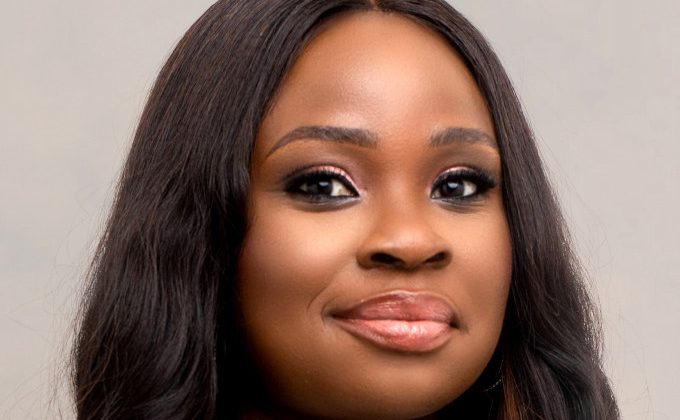


“If we create something that’s authentically African, then there’s a bigger chance that someone will take a chance on it” — Tiwa Medubi
By Adedamola Jones Adedayo
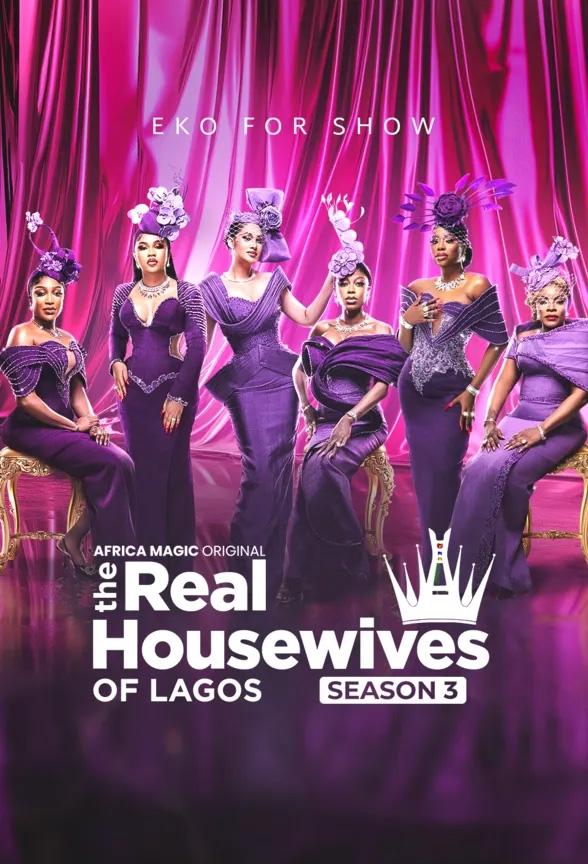
Ahead of this year’s Africa Magic Viewers’ Choice Awards (AMVCA), which took place last weekend, on the 9th of May, the nominations list revealed a mix of film and television titles across designated categories. A notable nominee was The Real Housewives of Lagos (RHOLagos), one of Nigeria’s two adaptations of the global franchise (the other being The Real Housewives of Abuja), which has been distributed via Showmax since April 2022, when it debuted. The show received two nominations at AMVCA 2026, Best Costume Design for Season 2 and Best Series (Unscripted) for Season 3, amplifying both the show’s culture-shaping contributions and creative infrastructure set in Lagos, Nigeria’s entertainment capital.
Livespot Studios, the production arm of Livespot360, one of Africa’s most integrated creative companies, co-founded by Chief Executive Officer Deola Art Alade and Chief Creative Officer Darey Art Alade, is responsible for RHOLagos, adapting a franchise that first kicked off in the United States with The Real Housewives of Orange County sometime in 2006. So far, the franchise has spread across multiple cities in over twelve countries around the world, embodying the sensibilities of each region where it sprouts.
Three seasons later, RHOLagos has become one of the most-watched unscripted shows in Africa and has enjoyed international distribution through NBCUniversal Formats, a division of Universal Studio Group. For Livespot360, this milestone matches the company’s visionary resolve to “craft and execute disruptive, culture-shaping ideas”.
“When we say culture-shaping from where we sit as an organisation, it’s in the approach as well as output,” Tiwa Medubi, Managing Director of Livespot360, explains. “I like to look at it both ways. When I say approach, it’s shaping the culture amongst our peers or people in the industry as to how things should be done. There are a few other organisations that are pushing the boundaries, showing how things can be done properly in a way that you will find, for instance, global organisations being able to have conversations [with them]. That, for us, is one part of shaping culture. The second part is in the output, showing the audience what is possible for us.”
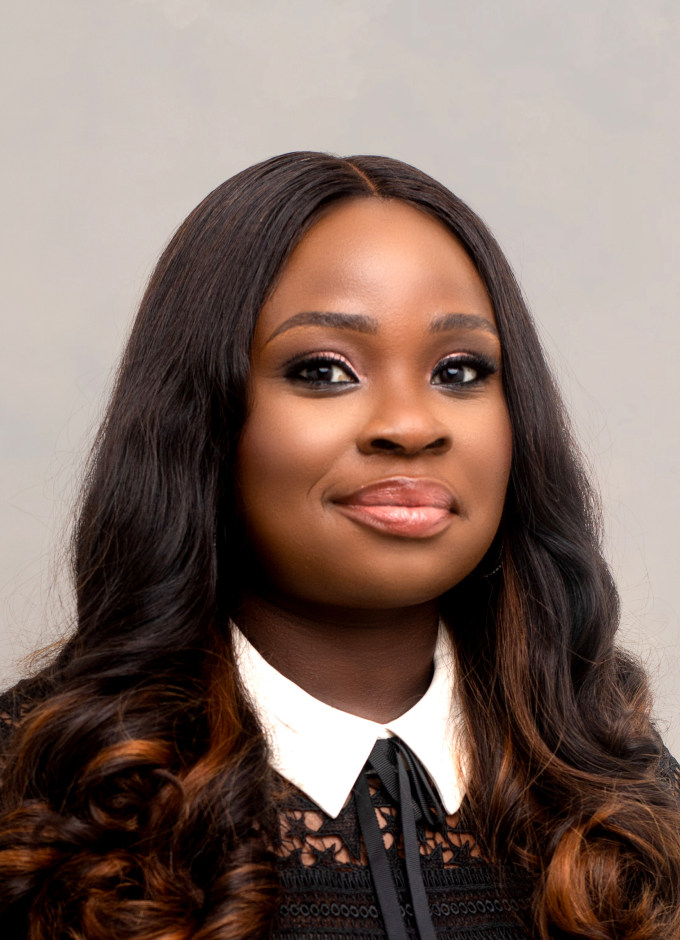
Expanding on this philosophy, Medubi looks back at the performances at Detty December Fest 2025, a flagship end-of-year cultural festival produced by Livespot Experiences, the live productions arm. Moments like these reveal that the creative outfit is not only concerned with answering the “what”—recognising what qualifies as culture—but is equally invested in the “how” of pushing boundaries. For Medubi, the key lies in aspiring to global standards, positioning Livespot360 as a worthy counterpart to similar initiatives worldwide, and telling African stories with authenticity.
The Challenge of Building Systems and Global Standards
Launched in 2014 in Lagos, Nigeria, Livespot360 set out to build an organisation that operates across every dimension of the creative economy, from production and live experiences to talent representation and packaging, venue infrastructure, audience data, and brand partnerships, with the ambition of becoming Africa’s most integrated creative ecosystem. The company is aware of the abundance of talent and audience in quest for premium content, particularly within film and television in Nigeria, but also recognises a persistent infrastructural problem that it continually commits to solving to smooth the pathway between creativity and global aspirations.
“The problem is systems, both physical and digital systems,” Medubi says, unequivocally. “It’s how we’re using tech or how we can use tech that we’re not maximising fully. It’s the absence of legal governance frameworks. In terms of infrastructure, it is [about] global standard studios both for production and post-production that allow efficient workflows, that allow you to deliver at scale efficiently and consistently.”
Livespot Studios also produced LOL: Last One Laughing Naija, Amazon’s first African unscripted original, which premiered on Prime Video in July 2023. The Nigerian comedy reality television joins a global format available to over 20 countries, including Australia, Brazil, Canada and Mexico. While Prime Video’s retreat from African original content since 2024 may have frozen the development pipeline for further seasons, the show remains a key part of Livespot’s journey in the reality TV market.
In the early days of conversations with Amazon over LOLNaija, it became crystal clear to the organisation that Nigeria had no dearth of creativity, that the culprit was infrastructural ineptitude. For the show’s post-production, for instance, Livespot had to build and retrofit a post-production facility to suit Amazon’s taste and provide the desired physical and digital content security they were comfortable with. A comparable scenario that emphasises the importance of infrastructure is the case with some organisations that lack systems for direct content delivery and have to go through certain aggregators to reach Netflix.
“You go to a global standard post-production studio where every editor has their own post-production suite fully soundproof, where, when they are editing, they’re listening to and watching the content in the way that the consumer will watch it”, Medubi explains. “In Nigeria, what we typically do is that everybody has a cubicle at best, and they’re editing on their headphones. For them, it was like, no we’re not going to do this kind of post-production. It needs to be the global standard production values that cut across all their content irrespective of the nation of origin.”
With over two decades of experience in film and television project management, Medubi has previously worked on shows such as The Voice Nigeria, Nigeria Idol, Big Brother Naija and Nigeria’s Got Talent. At Livespot360, she served as Chief Operating Officer from 2021 to 2023 before becoming Managing Director. This experience across multiple formats has led her to develop and execute communication strategies for brand growth, manage macro-budget projects and partner with content developers and aggregators.
Despite the global scope of projects Medubi has engaged with, she has been very keen on Nigerianising them to preserve social and cultural cues. This is particularly evident in how Livespot approaches the RHOLagos and LOLNaija instalments without diluting domestic appeal, particularly in terms of storytelling, conflict, humour, and social codes. From language to food, nuances, and lifestyle (even party culture), these aspects needed to be reflected in the unscripted series.
“For me, first, you identify those arsenals and see where they best fit,” Medubi says. “Formats are more like branches where you are in an expanse, and you have been given guidelines. What makes those formats authentic is the pillars that must be taken care of; how, as a country, you fit into those pillars. The format owners leave that to you.”
Conflict, in reality television, is never accidental. It comes with navigating themes of loyalty, social class and personality, which Nigerians are particularly sensitive to. A show like RHOLagos fits into this framework. The show follows the dramatic lives of six powerful and influential Lagos women. In its first season, the lines around class consciousness did not only emerge from the women on screen but from the audience watching them.
In LOLNaija, the tension is more about professional development and less about social hierarchy. The show brings together ten Nigerian comedians in a house, where they must make each other laugh while resisting the urge to laugh at themselves. By deliberately pairing veterans with younger comedians, the show creates an environment where respect is present yet has to be constantly negotiated.
Why Reality TV Business Matters
Reality television is a popular genre of television programming that captures the affairs of real people instead of professional actors, usually in unscripted or loosely scripted situations. Unlike regular films and shows, the idea here is to present “real life”, allowing viewers to have access to how people would respond normally and spontaneously to situations that unfold, even though these shows may be edited or structured to appear more entertaining.
It involves real participants focusing on everyday life, competitions or personal drama, and may include confessionals or interviews where participants share their thoughts. These shows are believed to contain underlying or familiar narrative patterns, raising concerns over the extent to which these patterns are pre-designed in the developmental stage.
Regarding these patterns, Medubi says: “The design that you talk about is, as far as the context is concerned, where we have identified these outside walls. When we then open the doors and let the cast into this context, we have no control over how they react to the environment and the dynamics of the relationships.”
“The patterns that you seem to notice are human patterns. They are not producer-created patterns,” she continues. “When I am faced with a threat to my child or to my business, as a woman, I react a certain way. Another woman may react another way, but chances are that as a Nigerian woman, my reaction may not be very far off from the reaction of an American woman.”

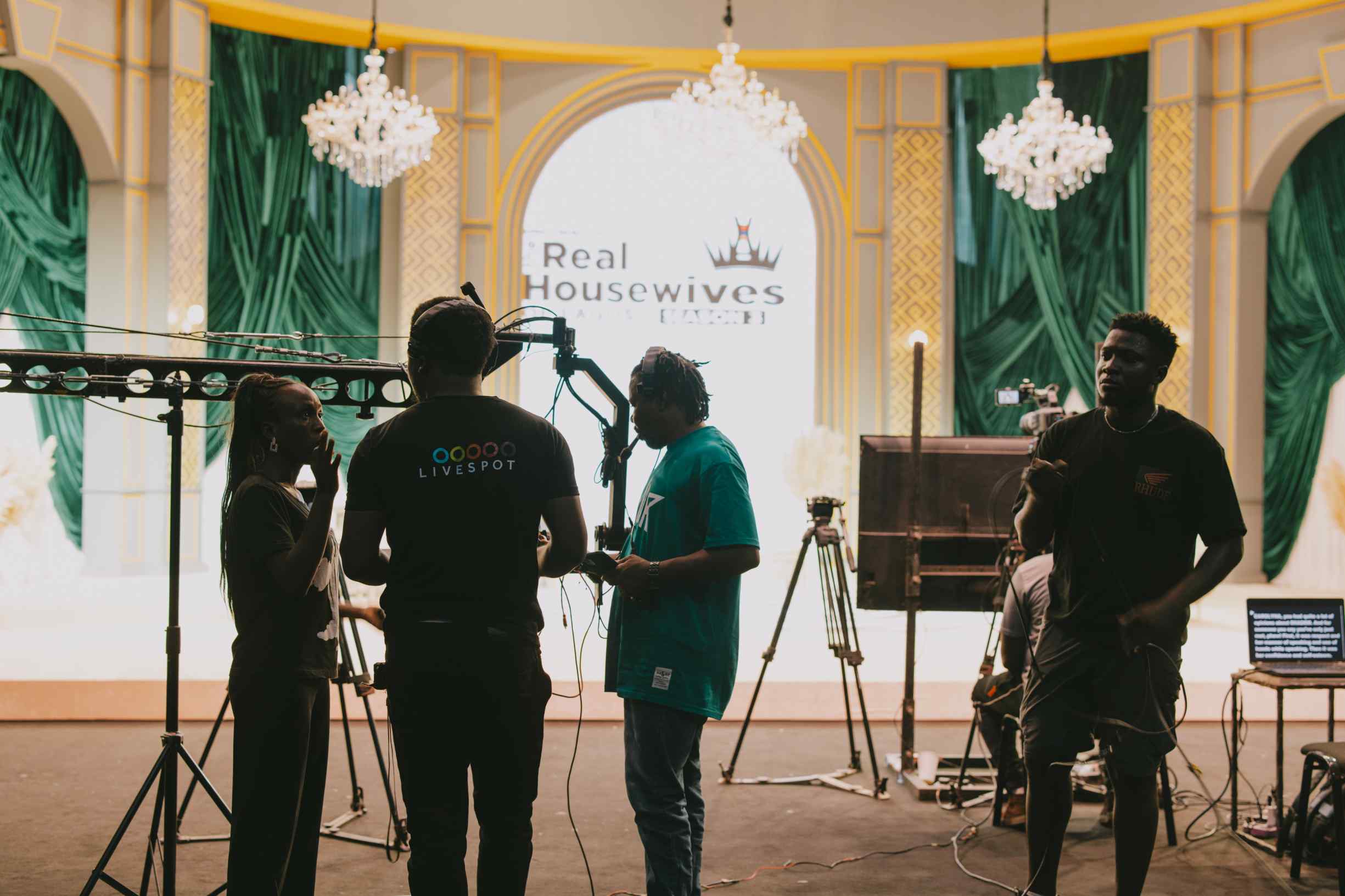
Another concern with Africa-tailored reality TV is the balance between maintaining authentic African storytelling and meeting the expectations of global buyers and audiences who may have different narrative sensibilities. In the case of RHOLagos, what seems to work for Livespot Studios, as Medubi points out, is making each season fresh and sensitive to trends and audience reality, and prioritising cast evolution.
Reality TV is increasingly becoming instrumental to the contemporary media hemisphere across Nigeria and the rest of Africa, with powerhouses such as MultiChoice (through its subsidiaries DSTV, Showmax, etc.) spearheading the production and distribution of major reality franchises. This genre of entertainment is mostly hinged on a social experiment, with its business model built around attention. Money typically flows in through advertising, sponsorships, streaming and licensing deals, SMS voting and audience participation, merchandising, digital media monetisation, and live events and tours.
According to Market Data Forecast, the African television market was worth about USD 87.83 billion in 2025, will hit USD 97.42 billion in 2026, and is projected to surpass over USD 200 billion while evolving at a Compound Annual Growth Rate of 10.92% in the next eight years. Market drivers of this growth prediction will include increasing disposable income and urbanisation, and the evolution of digital broadcasting and satellite TV services.
“However, the cost of reality TV can have many extremes, and no one is going to give you a firm figure,” Medubi adds, matter-of-factly. “There’s a high-end, there’s a lower end, and there are ways that you can work around that. A lot of people approach us and say they want to do a reality TV show. Once you start to break it down, half the time they walk away because it comes to ‘How am I paying for this?’ It’s the reason that you will find that a lot of reality TV is funded by networks globally.”
Are There Prospects for the Export of Africa-owned Reality Franchises?
While it is common for Africa to adapt global formats to suit local sensibilities, the same cannot be said about the export and domestication of Africa-led ones in other climes outside the continent. This suggests a deficiency in how the African film and television ecosystem is positioned and treated internationally. It would seem that whatever prospects exist, then, may be hinged on Africa transitioning from the mere state of content visibility to format ownership and scalability in a way that makes a bold statement on the global stage.
But it’s not that simple. Medubi does not mince words as she uses the Nigerian market to illustrate the precariousness of the situation. “When you are faced as a buyer with a format coming from an obscure city such as Lagos, Nigeria, versus a format that is grown in another country, they go with what they know because they are comparing it with something else,” she puts it bluntly. “That’s the reason Nigerian franchises do not win when there’s a comparison.”
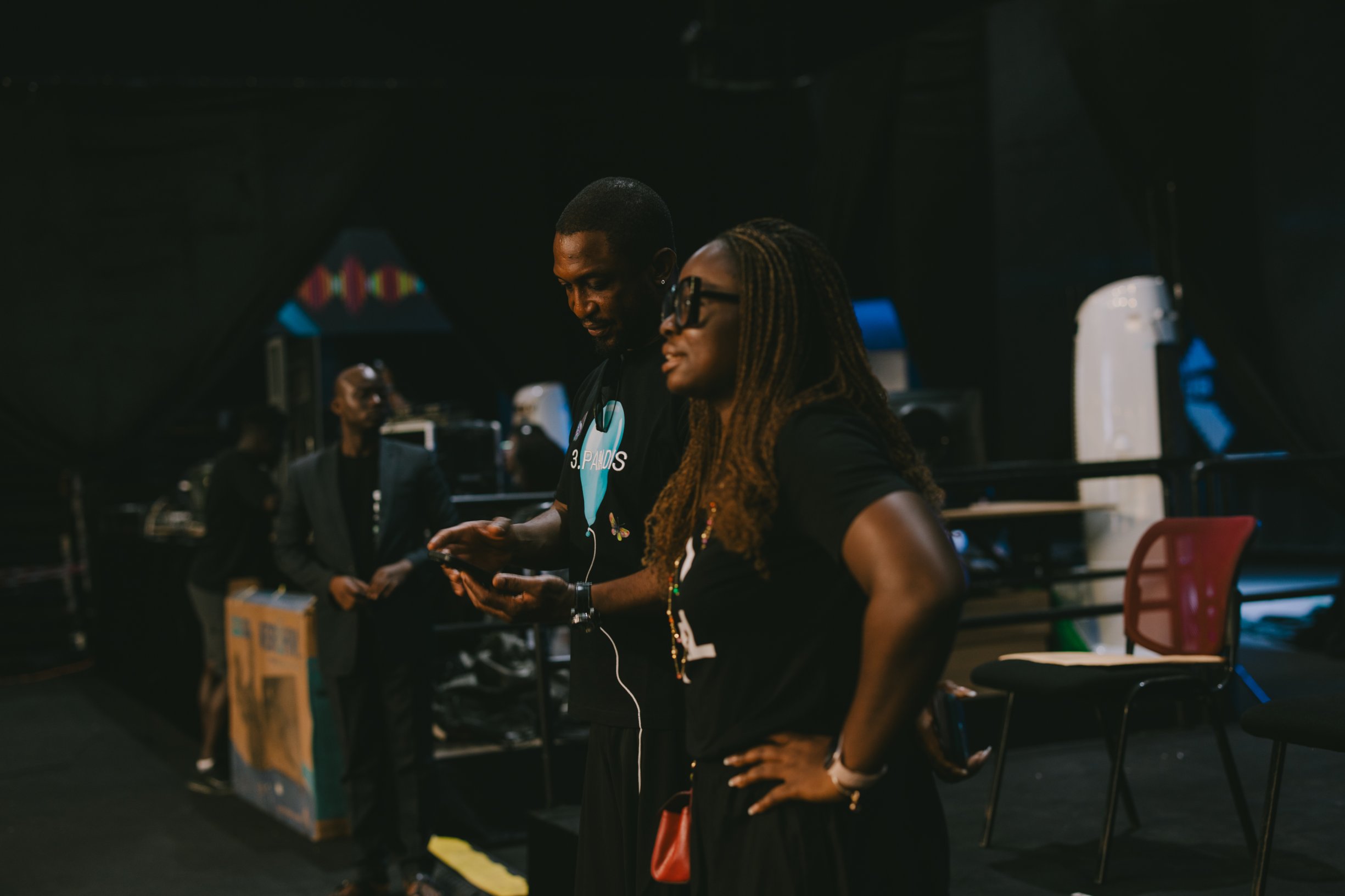
How, then, can international studios and buyers be convinced about investing in African reality franchises when the market on the continent remains volatile in comparison to stabilised ecosystems elsewhere? While it seems there is still a long way to go, Medubi believes Africa must eventually reach a point where it drives major decisions in content licensing and distribution in the international market. Only then, one deduces, can reality franchises curated within the continent become genuinely alluring, admissible and commercially viable for global reimaginings. Until that shift happens, she argues, the focus must be on tremendous progress, starting with substantial investment in local content, financing of grassroots cinema, expansion of film theatres, and the deliberate cultivation of domestic audiences against all odds.
“If we create something that’s authentically African, then there’s a bigger chance that someone will take a chance on it,” Medubi stresses. “I will use our music as such. Artistes can sing in their language and still have global appeal because they are authentic. So, with our franchises, we must not be afraid to do that. Even if you produce it in English, but it’s authentically African, it stands a better chance, instead of creating a format that looks like something else.”
The recent investment cutbacks experienced with Netflix and Prime Video is proof that non-African-owned distribution outfits cannot always be trusted to service scalability demands for Africa-owned franchises. And while the latest withdrawal of a Pan-African figure like Showmax does not exactly titivate the situation, the rise of newer streamers suggests there’s light at the end of the tunnel. As Medubi and Livespot360 look forward to what the future holds for the Nigerian reality TV market, the broader industry is being pushed into a moment of recalibration, with African producers compelled to envision ownership, diversified distribution and regional collaboration for sustainable development. For Livespot360, that recalibration is already underway. The organisation has spent over a decade building across film, live experiences, talent representation and packaging, as well as brand partnerships, and what that body of work adds up to is a story the industry is only beginning to fully reckon with.
Adedamola Jones Adedayo is a film journalist and critic with a special interest in African cinema. Through writing and audiovisual mediums, he creates conversations around cinema in Africa and the Diaspora. You can find him on Instagram @jonesthegoodboy and X on AdedamolaAdeda4.