

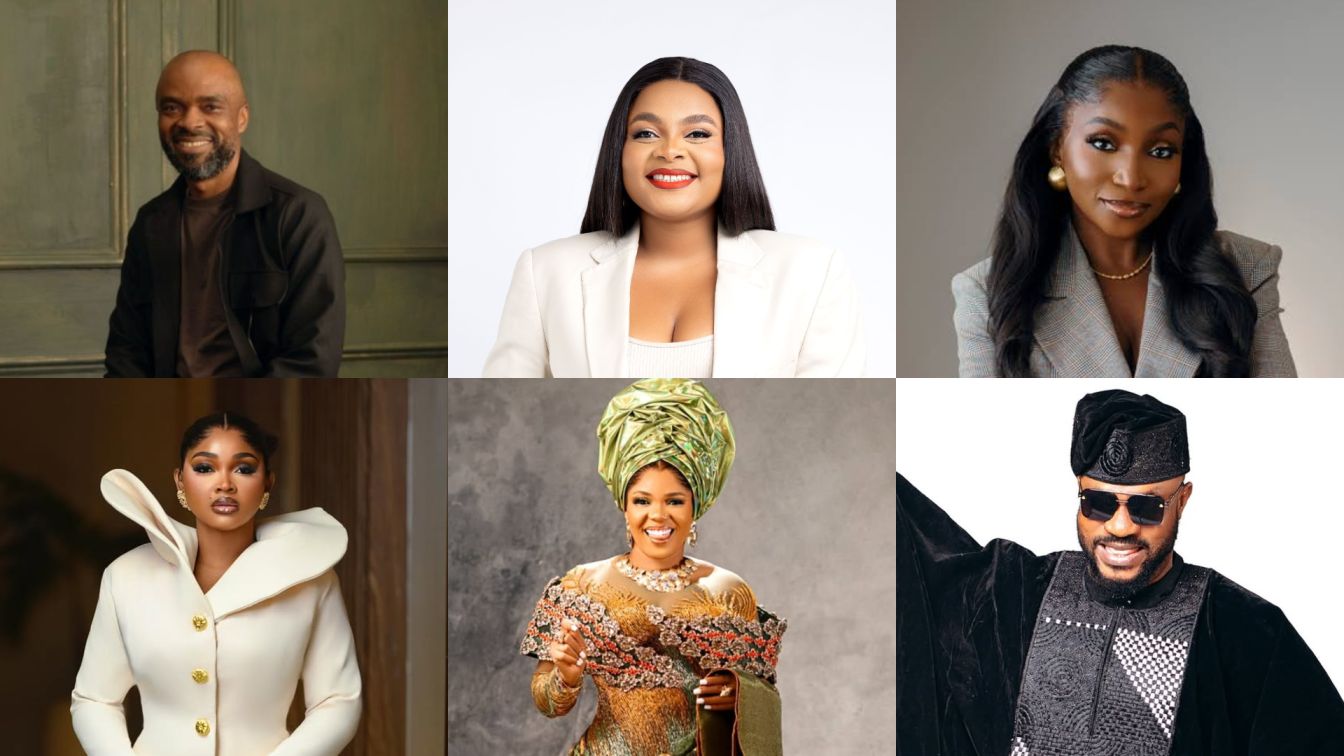

“I hope audiences will begin to expect this kind of balance from Nigerian films, where we can retain our melodramatic traditions while creating dramas that are universally acclaimed and appreciated.” — Daniel Oriahi
By Adedamola Jones Adedayo
In 2010, Nigerian author Lola Shoneyin published The Secret Lives of Baba Segi’s Wives, a novel about women navigating life in a polygamous household. Following its release, the novel made the longlist for the 2011 Orange Prize for Fiction (now the Women’s Prize for Fiction) and was shortlisted for the 2012 NLNG Nigeria Prize for Literature. Now a modern literary treasure, it is the source of Nollywood’s latest film adaptation, The Secret Lives of Baba Segi’s Wives (2026), which an Afrocritik review describes as “an entertaining domestic drama, enlivened by its dialogue, committed performances and recognisable social dynamics.”
Directed by Daniel Oriahi, The Secret Lives of Baba Segi’s Wives portrays Baba Segi as a bubbly, uneducated patriarch and thriving businessman with three wives at first: Iya Segi, Iya Tope, and Iya Femi. Baba Segi believes himself to be in charge of the family, as they all submit to his authority. But when Bolanle, a university graduate, joins the household as Baba Segi’s fourth wife, her presence and inability to conceive a child result in the unravelling of deep marital secrets.
Though mainly preoccupied with the intrigues of polygamy, The Secret Lives of Baba Segi’s Wives unfolds as a domestic drama that examines how women negotiate their identities within patriarchal structures, especially when marriage and motherhood become measures of their worth. By presenting the unique experiences of the four wives, the film captures the ways in which women simultaneously reinforce and suffer under the same system, making choices that reflect not only their ambitions but also their vulnerabilities.
This dimension of the novel was of particular importance to Oriahi in approaching the film adaptation. Instead of treating the story solely as a satire of polygamy, the director was interested in the individual experiences that inform the women’s decisions and the tough circumstances that determine their positions within the household.
Oriahi first came in contact with The Secret Lives of Baba Segi’s Wives ten years ago and was drawn to the dynamics of polygamy, satire, betrayal, power, and humour. However, his eventual involvement in the film came after his previous feature, The Weekend (2024), screened at the BFI London Film Festival in 2024. Following the film’s screening, Nigerian media mogul Mo Abudu congratulated him and expressed interest in watching the film. Their subsequent conversation opened the possibility of a collaboration, eventually leading to their adaptation of Shoneyin’s celebrated novel, produced under the banner of Abudu’s EbonyLife Films, with Abudu leading the team of producers.
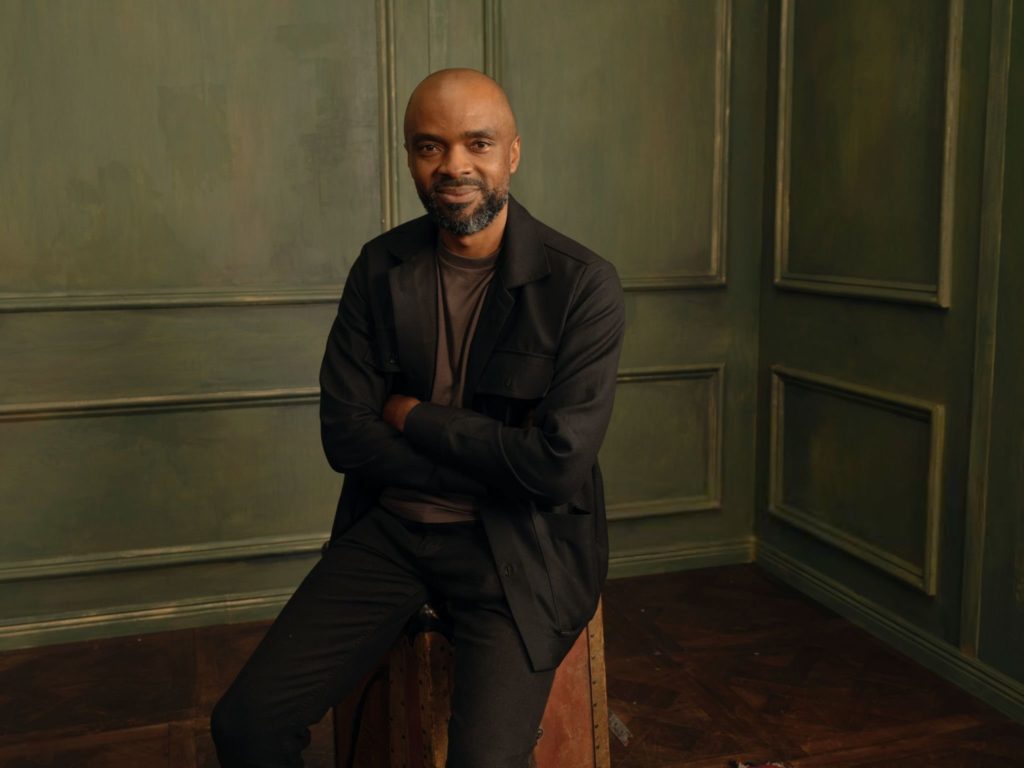
“For her, it was about the fact that the book was a well-beloved material,” Oriahi recalls. “She wanted to make a film that would be able to travel and still retain a lot of esteem in terms of its structure and relatability to the Nigerian audience, while remaining a Nigerian story. She wanted a balance, which was why I was brought on board.” For Oriahi, whose oeuvre cuts across well-travelled films like The Weekend, critically acclaimed films such as Sylvia (2018), and box office successes like Taxi Driver: Oko Ashewo (2015), achieving that balance required more than simply reproducing the novel’s events. It meant identifying the elements that made the story enduring and finding a cinematic language through which they could resonate with contemporary audiences.
Before proceeding to work with the screenplay, for which he shares writing credits with Abudu, Adze Ugah and Heidi Uys, he returned to the novel, reading it several times from different perspectives. The first time was as a reader, to acquaint himself with the structure of the story. The second time was with a focus on the characters and their arcs. The third reading, for him, was as a director, with him considering what aspects of the narrative had to be preserved, reordered, or taken out entirely in the film adaptation.
Translating The Secret Lives of Baba Segi’s Wives into a feature film presented Oriahi with two interconnected challenges: preserving the cultural specificity of the original story while making creative decisions that would allow the adaptation to function as an independent cinematic work. The novel is set in Ibadan in the late 1990s and early 2000s, but the film takes a contemporary approach. For Oriahi, this decision was informed by the enduring relevance of the issues at the heart of the story.
He cites Francis Ford Coppola’s Apocalypse Now (1979), an adaptation of Joseph Conrad’s Heart of Darkness (1899), as an example of how filmmakers can relocate or reinterpret a source text while retaining its central concerns. Coppola’s relocation of Conrad’s story to the Vietnam War demonstrated to Oriahi how an adaptation can preserve a work’s underlying ideas while allowing them to engage with a different historical and cultural context.
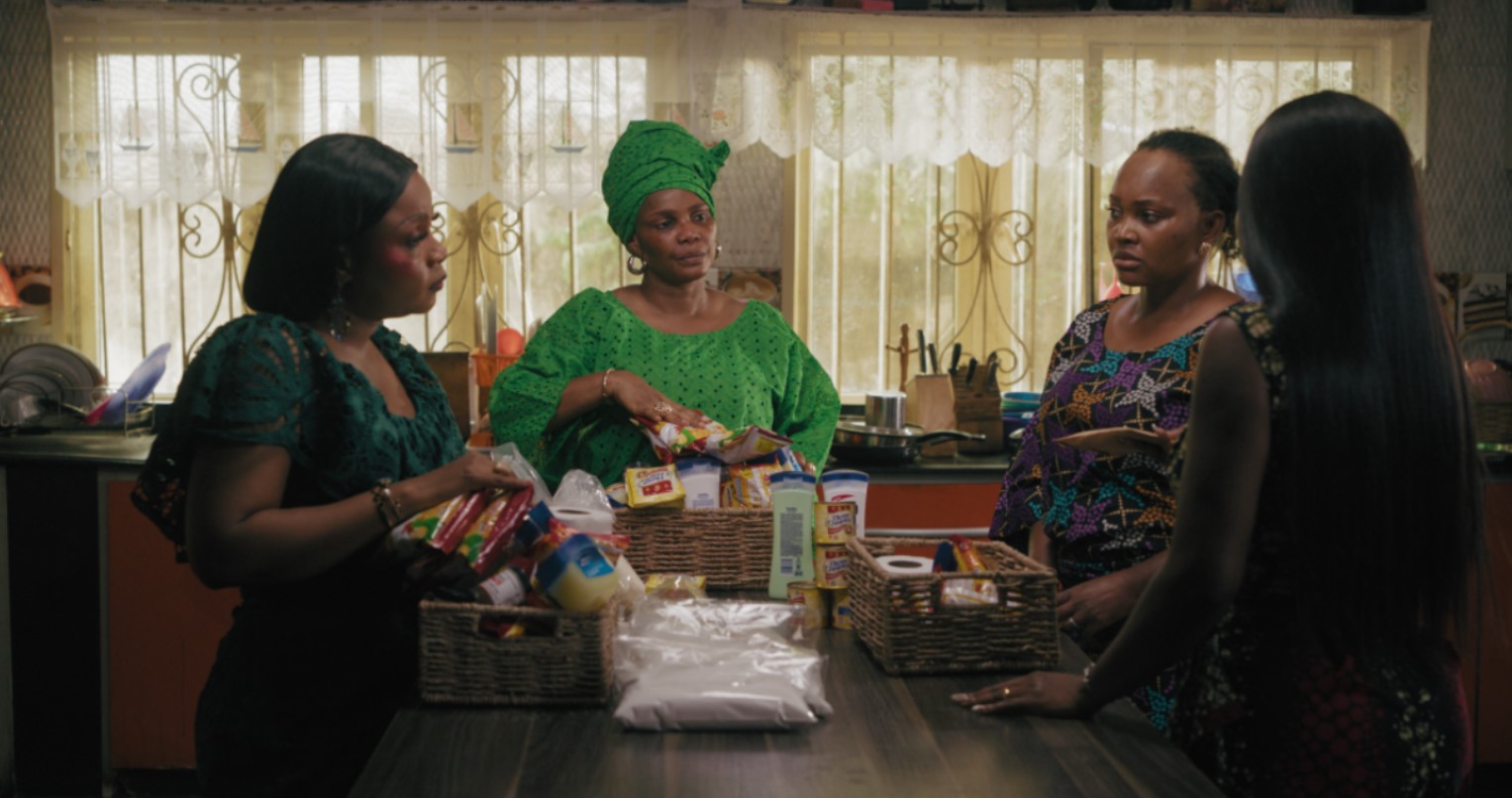
With The Secret Lives of Baba Segi’s Wives, however, Oriahi needed to transpose the novel’s concerns into the present without diminishing their connection to Nigerian society. “The heart of the story has not disappeared. People are still trying to fit into a system and create an identity within it,” he says. “Women are still being judged based on whether they have children and whether they are married.”
Adapting a novel into a feature film requires considerable compression. A filmmaker must determine which characters and experiences will receive the most attention, which elements can be expanded, and which must be omitted to accommodate the limitations of the medium. The Secret Lives of Baba Segi’s Wives has a runtime of about two hours. So, how does one fit a book of over 200 pages into the film’s runtime? “You begin to decide whose story to follow, what to structure, and how to make it work for the screen,” the director explains.
What he was mostly concerned with was how to preserve the story’s emotional integrity while constructing a coherent cinematic narrative. In Shoneyin’s novel, the multiple points of view allow readers to understand the characters through their personal histories and motivations. For Oriahi, that narrative approach offers an opportunity to cultivate empathy and compassion rather than encourage audiences to judge the women solely by their actions. The adaptation therefore became an exercise in identifying the emotional foundations of the story while determining how best to translate them into a feature-length narrative.
The character whose construct and progress in the story particularly caught Oriahi’s interest was Bolanle, Baba Segi’s fourth wife. An educated young woman who appears to be in a better position to navigate the world, Bolanle ventures into marriage bearing a past trauma that redefines her understanding of love, belonging and self-worth. When she is unable to meet the family’s expectations around motherhood, her position becomes vulnerable.
Bolanle’s story presented Oriahi with a way to organise the adaptation around questions of identity, self-worth, and personal freedom. It also resonated with his development as a filmmaker since much of his work involves portraying people caught up in trauma and complicated family dynamics. “Those elements became the foundation for how I approached translating the story and adapting it into what it is now,” he says. Bolanle’s journey, as the director understands it to be, is not simply about discovering the secrets of the household but about confronting the experiences that have shaped her perception of herself. But then, he believes there is the irony of Bolanle entering the marriage with the hope of being integrated into a system that she later has to reconsider her place within.
For Omowunmi Dada, who plays the role of Bolanle, the right approach was to empathise with the character, recognising the distinction between understanding a character’s decisions and judging them. Working with Oriahi, Dada sought to bring to the screen a woman whose vulnerabilities coexist with her intelligence, ideals, and desire for a more fulfilling life. She describes Bolanle as a woman whose education gives her a particular understanding of the world without necessarily equipping her to navigate the emotional complications of her circumstances.
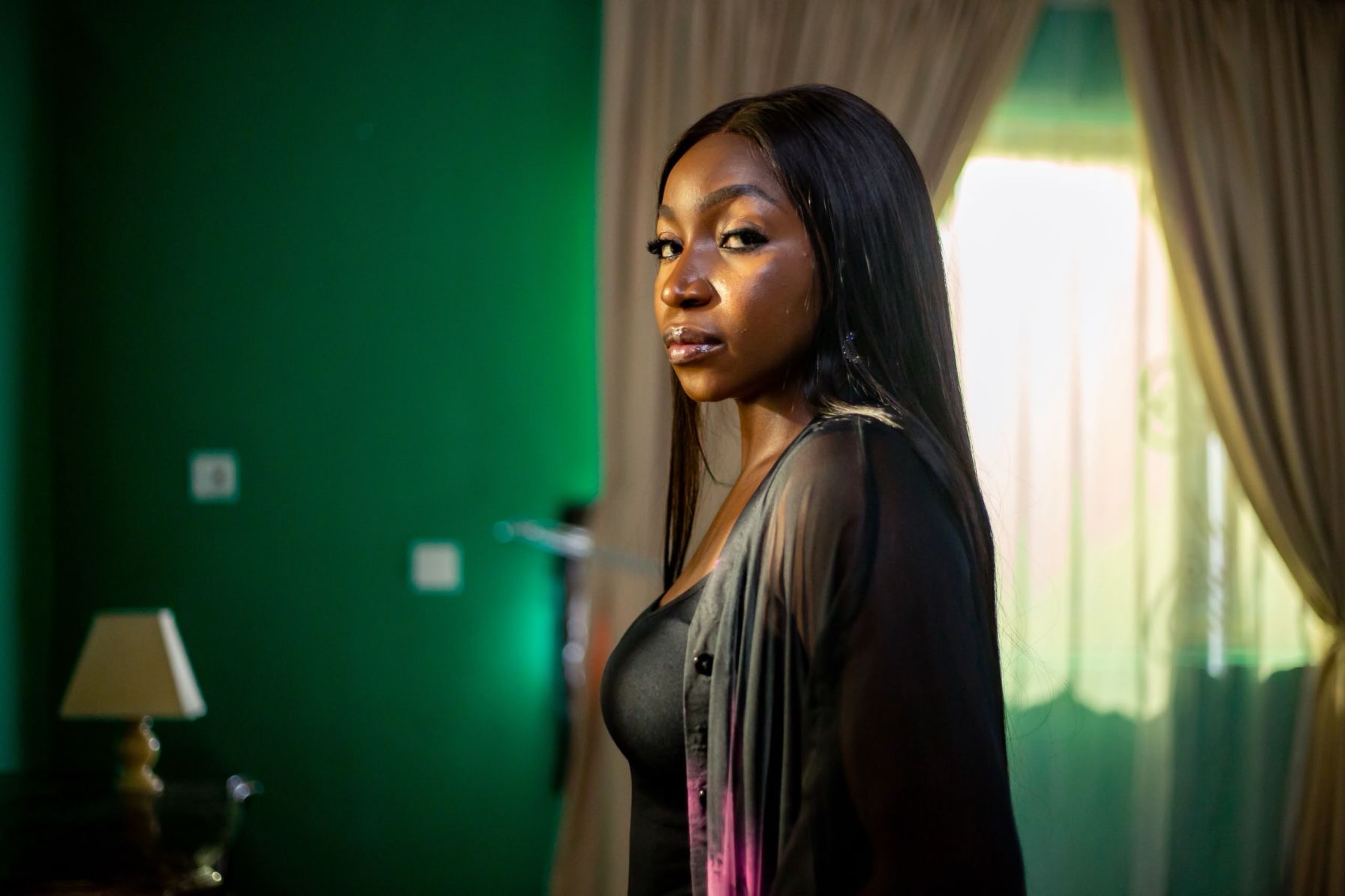
Bolanle’s decision to marry Baba Segi emerges, in Dada’s interpretation, not from an intention to cause chaos but from a desire for acceptance. She imagines a household in which affection is plentiful enough for her to find a place, only to discover that belonging within such a structure is more complicated than she anticipated. “But then, sometimes, the decisions we make when we are hurting are not necessarily the decisions we would make when we are whole,” she says. “That is why you see that, after she speaks with her mum and lets go of some of her pain, the trajectory of her decisions becomes very different.”
This understanding also shaped how Dada approached the character’s personal history. “When you are dealing with a character who has experienced sexual trauma, you have to be careful not to allow just the trauma to be the only thing that defines her,” Dada says. “She’s more than her trauma and experience, a woman that is looking forward to being seen and loved.”
Among the wives, Iya Segi, the first wife to the patriarch, occupies a central position of authority. She wields some influence over the actions and behaviours of the other two wives. Her relationship with the co-wives is shaped by competition and resentment, as well as the need for recognition, security, and belonging. But with Bolanle’s arrival, it does not take long for her authority to come under pressure.
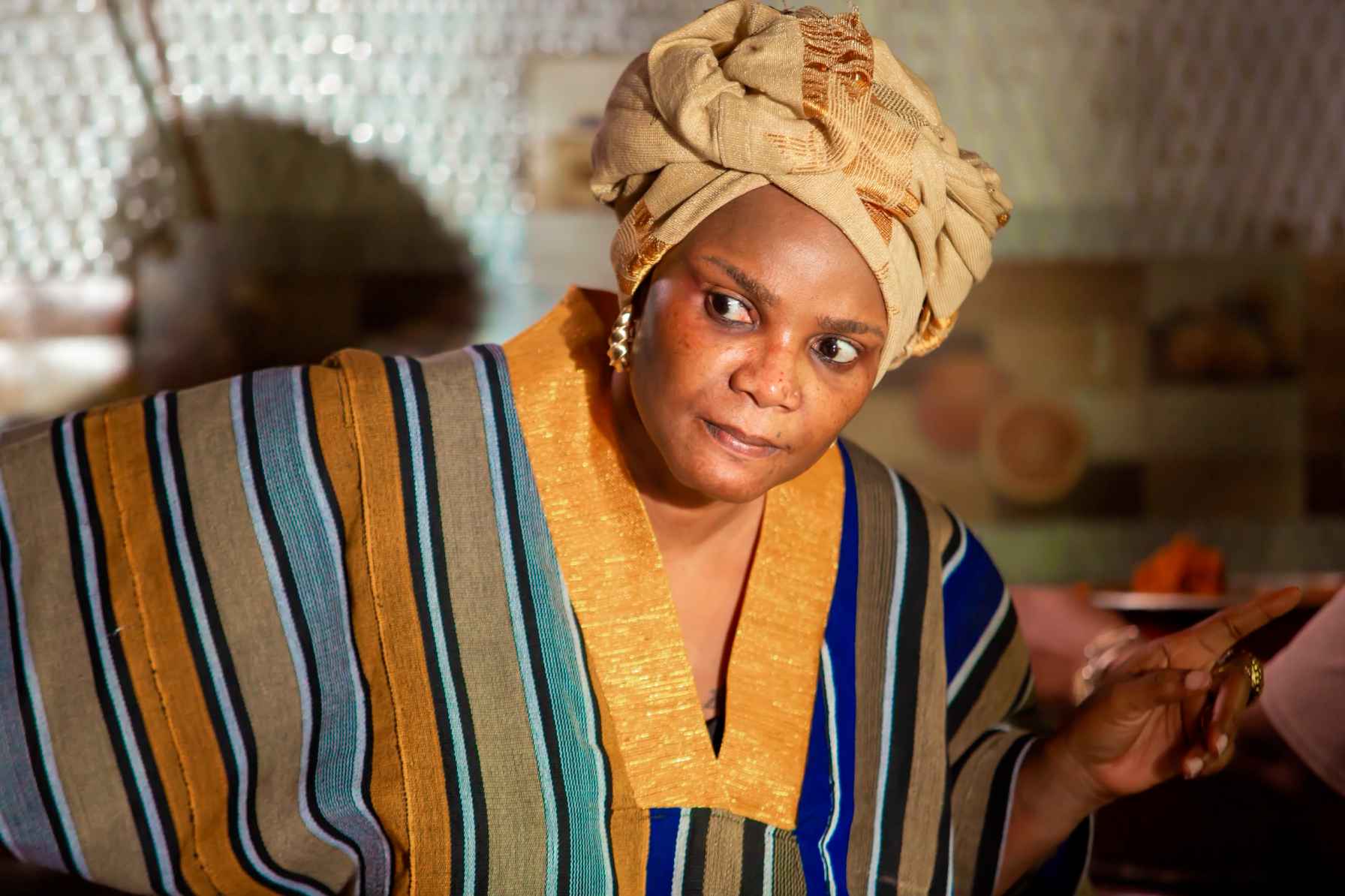
In portraying Iya Segi, Iyabo Ojo recalls departing from the glamorous persona audiences have come to associate with her onscreen presence. Known for her polished appearance and commanding performances, she welcomed the opportunity to embody a character whose physical appearance and disposition demanded a different approach. Ojo describes Iya Segi as a plus-sized woman and enjoyed the process of adapting her movements, walk, and overall presence to reflect the character’s identity.
“I need to give credit to the director because I think he did an amazing job of making that happen. I was basically just listening to my director and interpreting the character in the best way he wanted me to,” Ojo says about making Iya Segi’s motivations understandable.

While Iya Segi seeks to preserve her position, Iya Tope is mostly defined by the gradual discovery of her own voice. Played by Mercy Aigbe, Iya Tope is a woman who enters the marriage without having freely chosen her circumstances, and her experiences within the household have left her accustomed to following instructions rather than making decisions for herself. The arrival of Bolanle, however, introduces a different kind of relationship, one in which she begins to feel acknowledged.
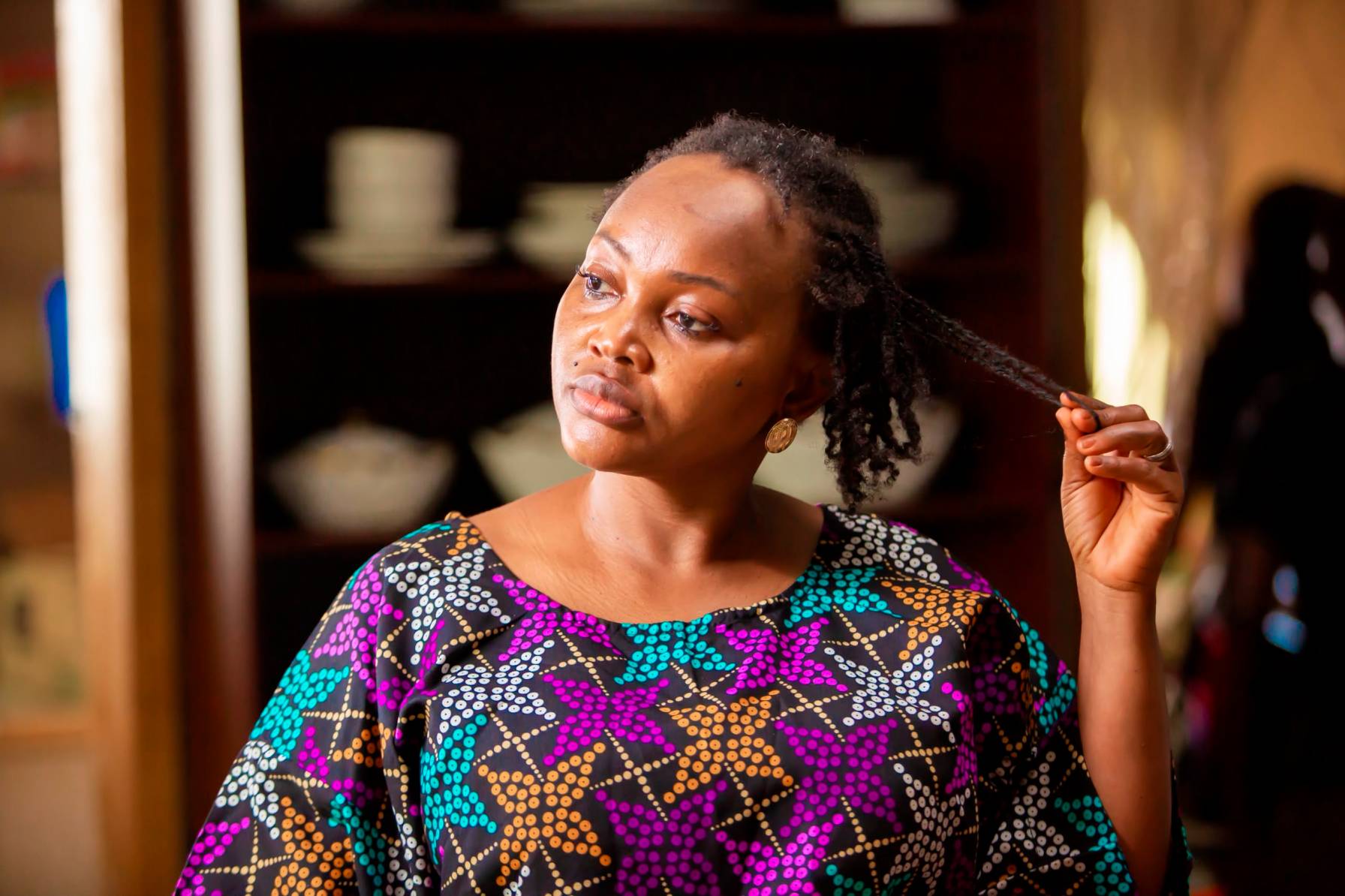
“Playing Iya Tope was not a walk in the park for me because I really had to first understand her character and who she was as a person,” Aigbe says. She explains that Iya Tope’s experience of being seen and heard became the emotional foundation of her performance. Before Bolanle arrives, the character struggles to assert herself, largely accepting the circumstances imposed upon her. Through their relationship, she begins to recognise that her thoughts, feelings, and choices deserve consideration.
This transformation, she believes, speaks to experiences that extend beyond the film’s fictional household. Many people, she observes, live without feeling that their voices matter, even within their closest relationships. “I was just happy that, at some point in the film, she found her voice and gradually began to speak up for what she believed in,” Aigbe says. “Bolanle also made her see herself as a human being in the story by giving her attention and a listening ear. And that is what I want people to take away from the film. Just listening to someone can be the greatest gift you can give them.”
Her interpretation of Iya Tope therefore rests on the importance of listening, respecting individual choices, and allowing people the space to express themselves. The character’s development offers a contrast to the rivalry that defines much of the household, suggesting that recognition and empathy can create possibilities for personal change even within restrictive circumstances.
Bimbo Ademoye’s Iya Femi, meanwhile, approaches the household from a position shaped by ambition and insecurity. Her alliance with Iya Segi reflects her determination to maintain the life she has secured, but her outward confidence also conceals a more vulnerable relationship with her own past. “I felt my character was just supposed to be extra, and that it was rooted in her low self-esteem because she had everything taken away from her at a very young age,” Ademoye says.
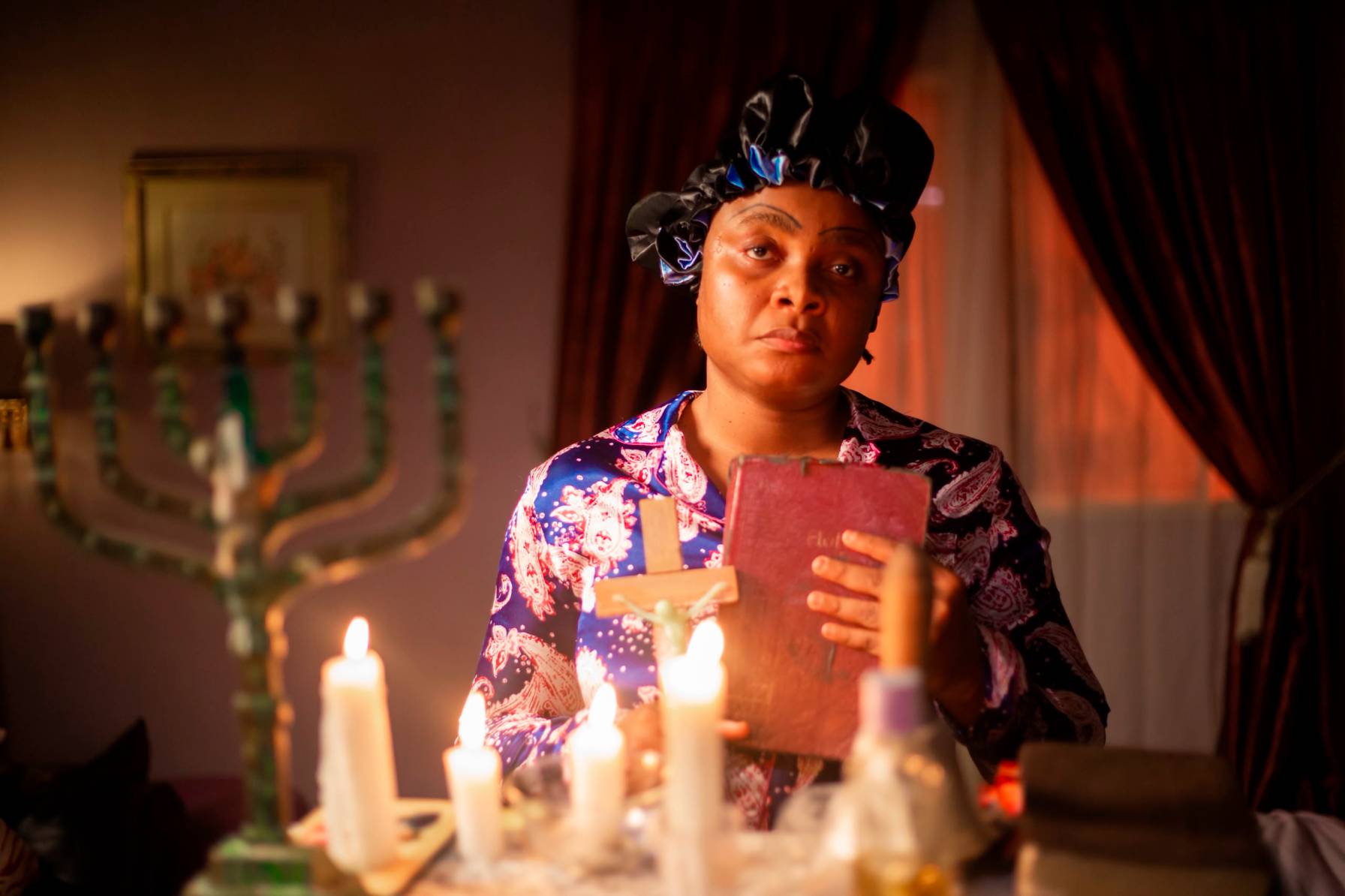
Iya Femi’s relationship with Baba Segi is particularly revealing in this regard. “If you notice, of all the wives, she was actually the one who went for Baba Segi. She just wanted to have a good life, and when she eventually got it, she was going to show off in every possible way. You would see it in everything, even her makeup and outfits, until Bolanle came around,” Ademoye explains further.
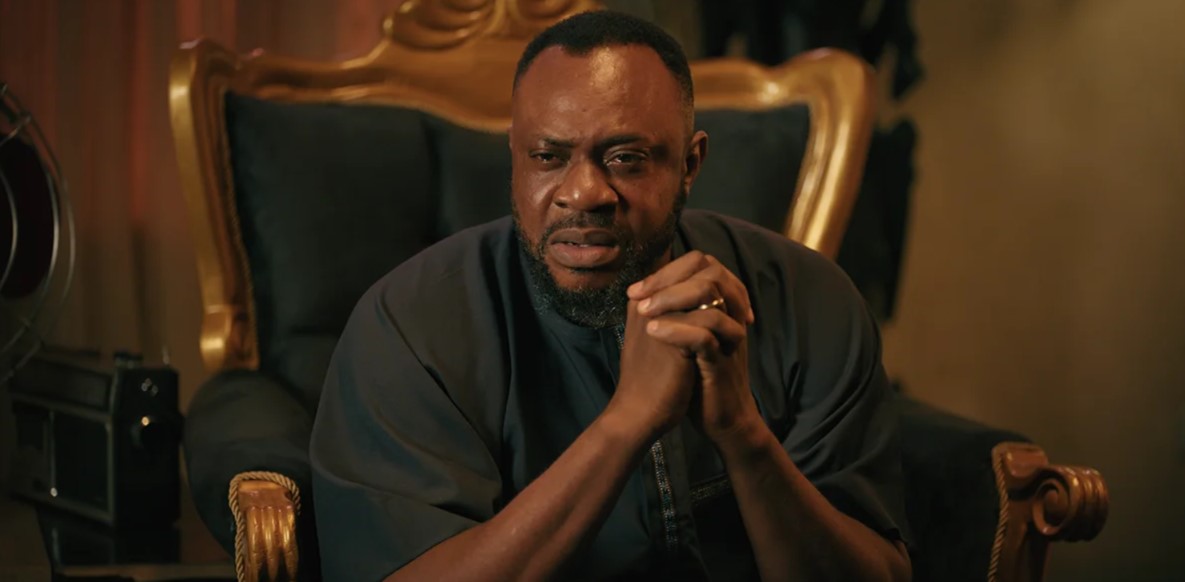
The patriarch, Baba Segi, is brought to life by Odunlade Adekola, who brings his characteristic pride, charm, and confidence to a man who is confident in his authority over his life and bustling household. The actor’s love for the story and his years of experience playing similar characters translate to a passionate portrayal of Baba Segi as an uneducated man who possesses a pompous personality but has to reckon with the realisation that he does not, in fact, have as much control as he initially believes he does.
The Secret Lives of Baba Segi’s Wives had its European premiere at the 70th BFI London Film Festival, following a world premiere in the Centrepiece Programme at the 51st Toronto International Film Festival, and ahead of a screening at EbonyLife Place London as part of the programme for the 13th Film Africa in the United Kingdom. Its international festival journey situates the adaptation within a wider conversation about the evolving possibilities of Nollywood and its relationship with audiences within and beyond Nigeria. The director sees the project as part of an ongoing effort to develop a cinematic language that can communicate Nigerian experiences across cultural boundaries.
“The lasting impression for me is that Nigerian films are beginning to find a balance between the Nollywood aesthetics that Nigerians are familiar with and a Western visual language,” he states. This balance, as he perceives, is ultimately a question of identity. Nigerian filmmakers must be able to retain the cultural characteristics that make their stories distinctive while exploring forms of storytelling that allow international audiences to connect with them.
“We know that films from other parts of the world have resonated with audiences across different cultures,” Oriahi explains. “Nigerian stories need to reach that point where they retain their identities while being articulated in ways that audiences beyond their immediate cultural environment can connect with. For me, that is what I am trying to explore with this film. I hope audiences will begin to expect this kind of balance from Nigerian films, where we can retain our melodramatic traditions while creating dramas that are universally acclaimed and appreciated.”
Adedamola Jones Adedayo is a film journalist and critic with special interest in African cinema. Through writing and audiovisual mediums, he creates conversations around cinema in Africa and the Diaspora. You can find him on Instagram @jonesthegoodboy and X on AdedamolaAdeda4.