

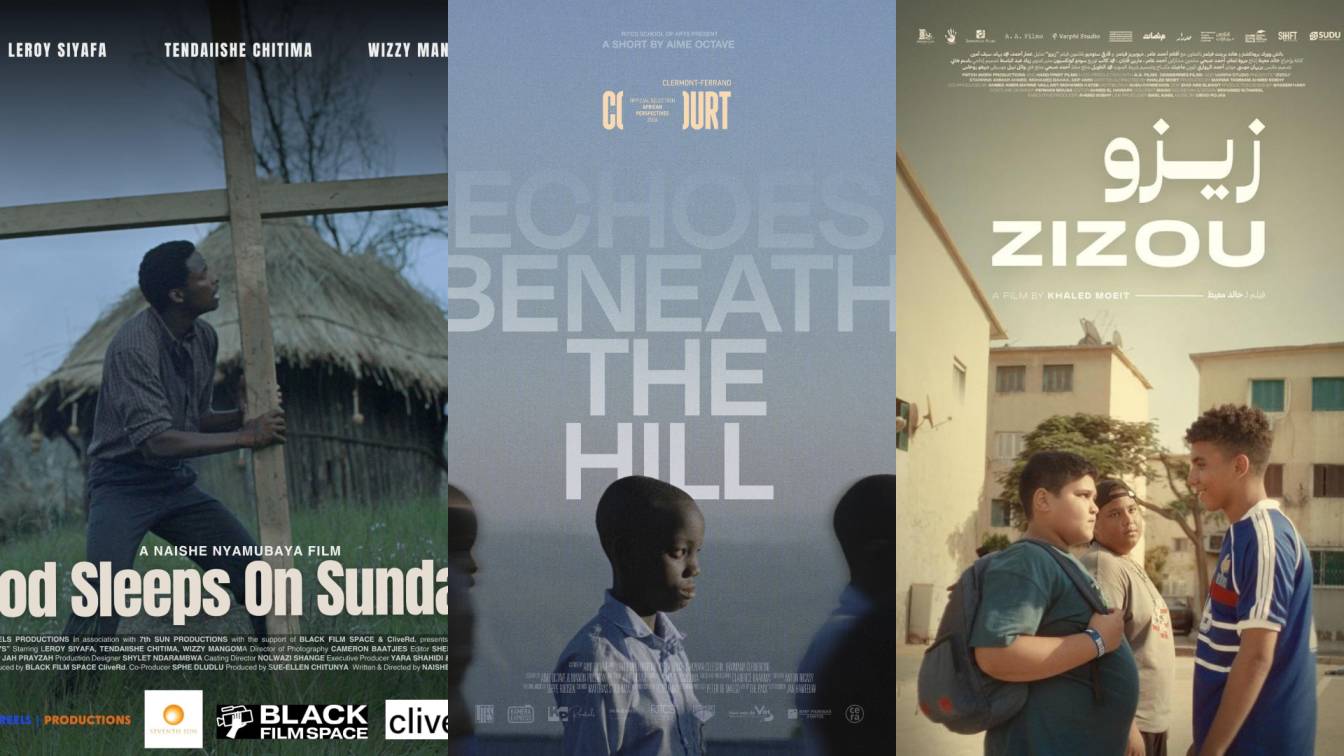

Titled God Sleeps on Sundays, Echoes Beneath the Hill, and Zizou, each of these short films leans into the African landscape, reflecting on its sociopolitical and cultural realities, with the ultimate intention of interrogating systems of beliefs, prejudice and social exclusion that shape human relationships.
By Adedamola Jones Adedayo
The beautiful thing about storytelling is that regardless of culture and time, a narrative can speak to people’s identities and experiences in ways that are not limited by physical boundaries. In three short films screened at Film Africa 2026, this sentiment finds expression in stories that examine concepts of religious commitments, childhood innocence and a sense of identity, threatened by unsettling forces. Titled God Sleeps on Sundays, Echoes Beneath the Hill, and Zizou, each of these short films leans into the African landscape, reflecting on its sociopolitical and cultural realities, with the ultimate intention of interrogating systems of beliefs, prejudice and social exclusion that shape human relationships.
All three films are connected by interwoven thematic preoccupations. God Sleeps on Sundays is about interfaith conflict, religious imperialism and cultural erasure, whereas Echoes Beneath the Hill borders on genocide and interethnic cleansing, with a leaning towards cultural erasure as well. Zizou, however, is about ostracisation and bullying on the basis of body size, with its contemporary preoccupations and style making it particularly appealing to a younger audience.
God Sleeps on Sundays
Colonialism in Africa brought about new social and religious forms, such as Christianity, clashing with indigenous values and practices. This conflict, which has often been reflected in postcolonial African arts, forms the backbone of Zimbabwean-Egyptian filmmaker Naishe Nyamubaya’s God Sleeps on Sundays (2025), a short film recognising the church as an instrument of colonial expansion in a traditional African setting.
Produced by Sue-Ellen Chitunya and Sphe Dludlu, the film reflects on the tensions between Christianity and indigenous spiritual traditions through a conflict involving a Christian preacher and a traditional healer over a piece of land.
The film follows James (Leroy Panashe Siyafa), a disgraced young preacher on an assignment to start a church in a rural Zimbabwean community where he has recently relocated with his wife, Marvis (Tendaiishe Chitima). Seeking to build his church on a mountainous piece of land, he confronts Chirongoma (Wizzy Mangoma), a feared spiritual authority who occupies the site. His attempts to force the woman to leave, from pursuing legal action and involving the police to initiating construction on the land, reinforce tensions between their different religious commitments.
While the young preacher’s manner of approach appears direct and rash on the surface, it masks emotional insecurity and his desperation for survival as an errant Christian on the path to regain the favour of the high priest to whom he is answerable. Chirongoma, on the other hand, is a wiser, composed, respectable elderly spiritual figure, representative of an existing traditional order that has been unchallenged in the community. Her attempts to provoke James’s God to action come off as a quiet expression of confidence in her own spiritual convictions.
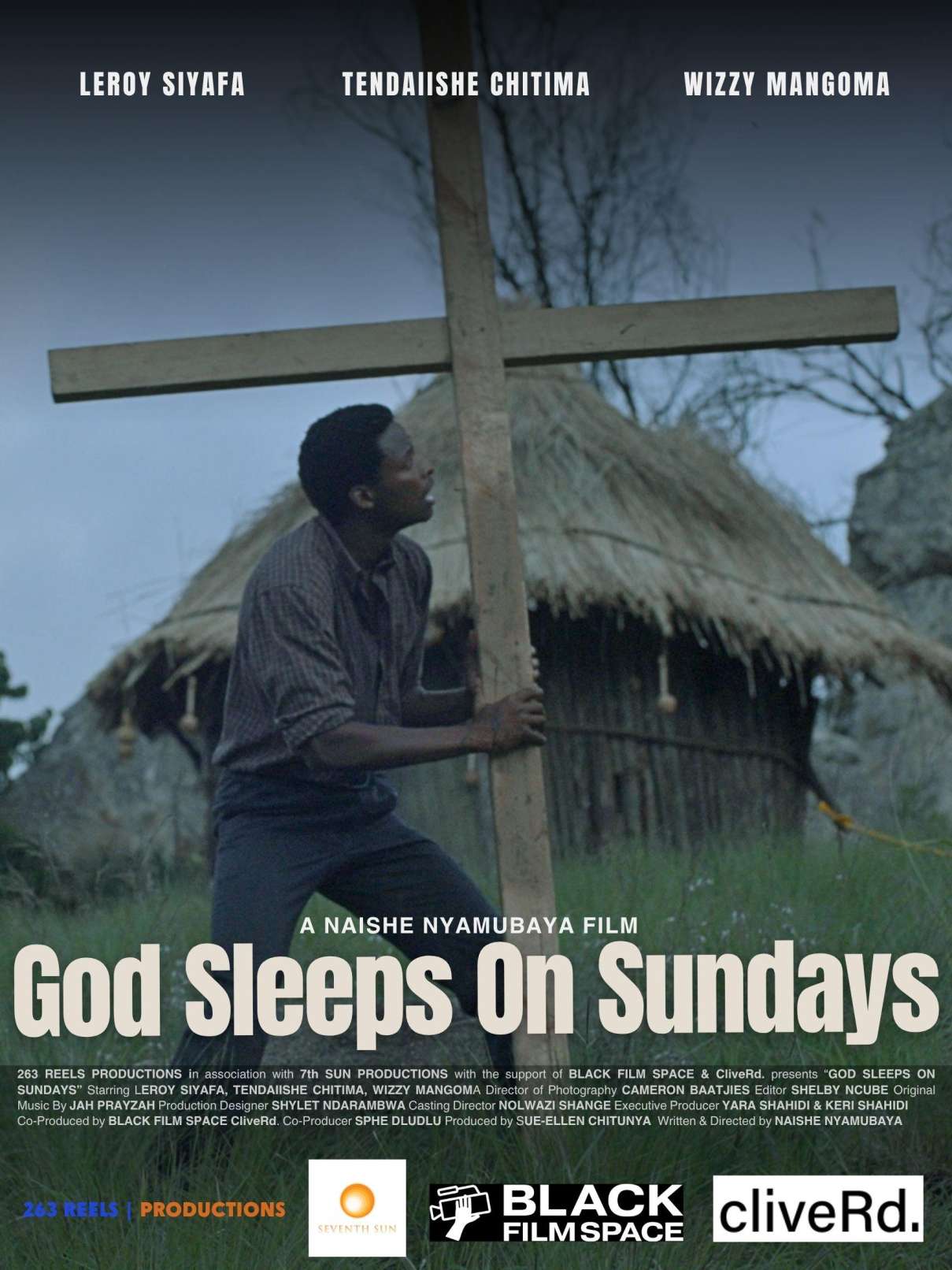
The key characters in God Sleeps on Sundays are ideological symbols. James embodies colonial stronghold and violence, particularly the existence of neocolonial institutions, whereas Chirongoma is a symbol of untainted African spirituality. Marvis, then, represents the complicated spiritual identity of the contemporary African, a pragmatic blend of both traditional and modern spiritual commitments.
Land, in Africa, is a sacred symbol and integral part of cultural identity. Either owned by families or communities, ancestral lands are passed on from one generation to another. This reality is equally captured in Nyamubaya’s film, where Chirongoma’s occupation of the mountainous abode is deemed traditionally exclusive. However, the church’s purchase of the land, and James’s failure to acknowledge its sacredness, creates a cultural divide. In defiance, the young preacher plants his cross on the ancestral land, an action that symbolises the brute force and ruthlessness with which the colonialists took control of and imposed their ways on the African continent.
The symbolism of Nyamubaya’s film extends to the title. Per the Bible, God rested on the seventh day after six days of creation and is believed to have blessed and sanctified the seventh day as the Sabbath. By the New Testament era, worshippers, including Jesus, observed the Sabbath as a day of gathering and prayer. Many contemporary Christian denominations, however, treat Sunday as a day of rest and the primary day of communal worship. In God Sleeps On Sundays, the countdown to Sunday signals the end of the rivalry between both parties, an end that arrives with serious consequences for James, Chirongoma, and the community.
The title itself challenges the expectation of divine intervention and perceived supremacy of the Christian God, especially on a day dedicated to worship. It seems a fitting title for a film that questions the imperialist tendencies of the Christian religion in societies that possess their own cultural institutions and indigenous spiritual legacies.
Echoes Beneath the Hill
The 1994 Rwandan genocide against the Tutsi was one of the most disturbing acts of violence in Africa’s sociopolitical history, claiming the lives of more than half a million people over a period of approximately one hundred days. Ishimwe’s Echoes Beneath the Hill (2026), a Belgian-Rwandan film directed by Aimé Octave Ishimwe and co-written with Manon Poelman, takes on this dark history, reflecting succinctly on the buildup to the genocide. Produced by Nora Essalama, with Peter De Maegd for the Belgian production company Potemkino and set against the emerging 1994 genocide, the film explores the discovery of ethnic discrimination and identity conflict by a pre-teen in a society that no longer offers safety for her family.
At the centre of this narrative is Jeanne (Francine Uwihirwe), a ten-year-old girl who goes in search of her missing pet goat, Biquette, amidst rising social tensions. Despite witnessing first-hand ethnic discrimination at school, experiencing physical assault, and observing her parents worry about the impending doom, Jeanne remains too naive to understand the severity of the situation. Stigmatised and faced with the possibility of ostracism, Jeanne becomes a victim of a conflict whose triggers are beyond her reasoning.
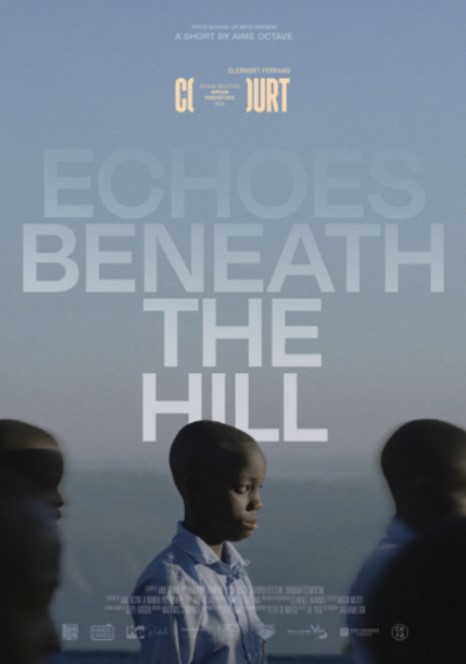
Ishimwe uses the protagonist’s quiet observation of the tense environment to subtly explore the intricate relationship between childhood innocence, friendship, prejudice and a country at loggerheads with itself. But then, it takes more than the passivity of the protagonist to ensure that these themes are well coordinated and understandable to the audience. A radio broadcast delivered at the beginning and middle of the story establishes the culpability of the government, revealing it as a major instigator of the tensions. The use of voice-over here illuminates the narrative with information that supports its sparse revelations.
There is a clear nexus between aesthetics and meaning, with cinematographer Clarence Haokmat employing close-up shots to heighten emotional rigour and subdued lighting to reinforce the largely pensive atmosphere of the film. In both scenes accompanied by radio voiceovers, the camera captures a vista of the landscape, drawing the audience briefly to the environment as a foreboding of the uncertainties that define the setting of the film.
The film also moves at a deliberately slow pace, allowing room for reflection and contemplation. This pacing is complemented by the original music of Seppe Roosen, which provides measured rhythm to enhance suspense. As the narrative culminates in tragedy, the filmmaker captures the harsh consequences of human conflict. Through the plights of a child whose innocence, beloved pet, and home are snatched away untimely, the filmmaker questions the rationale behind armed conflicts, considering the great suffering they inflict on the lives of innocent ones.
Zizou
Like Echoes Beneath The Hill, Moeit’s Zizou (2025) builds its narrative from the perspective of a child, but without the former’s grave, historically resonant, and politically instructive tone. Here, Egyptian writer-director Khaled Moeit explores bullying, body shaming, and the influence of the internet on social acceptance and contemporary relationships.
A co-production of Egypt, France and Qatar, produced by Marwa Tammam and Ahmed Sobhy, Zizou is a coming-of-age drama about a teenage boy repeatedly trying to fit into a social circle where he is not wanted, which becomes a sort of humiliation ritual for him.
13-year-old Zizou (Ammar Ahmed) enjoys playing football but struggles to fit in with other children because of his size. He spends much of his time on the sidelines with his friend Magdy (Mohamed Bahaa), whom he also often quarrels with, yet longs to befriend Zaki (Seif Amin), the neighbourhood’s most popular boy, and become part of his group. His repeated attempts, however, only make him a target of ridicule and emotional abuse. The situation becomes complicated when Zaki turns his attention to Magdy, creating tensions in the latter’s relationship with Zizou.


Regardless of his ordeals, Zizou repeatedly stands up for himself and maintains his confidence. When he sniffs out Magdy’s unintended attempt to undermine his persona and portray him as a weakling, he reacts. When Zaki refuses to honour his promise of bringing him on in a match, Zizou confronts the bully, requesting the jersey he initially offered as a peacemaking gesture. In these instances, the eponymous teenager becomes a symbol of self-assertion, refusing to allow prejudices and the dismissive attitudes of others to deflate his sense of worth.
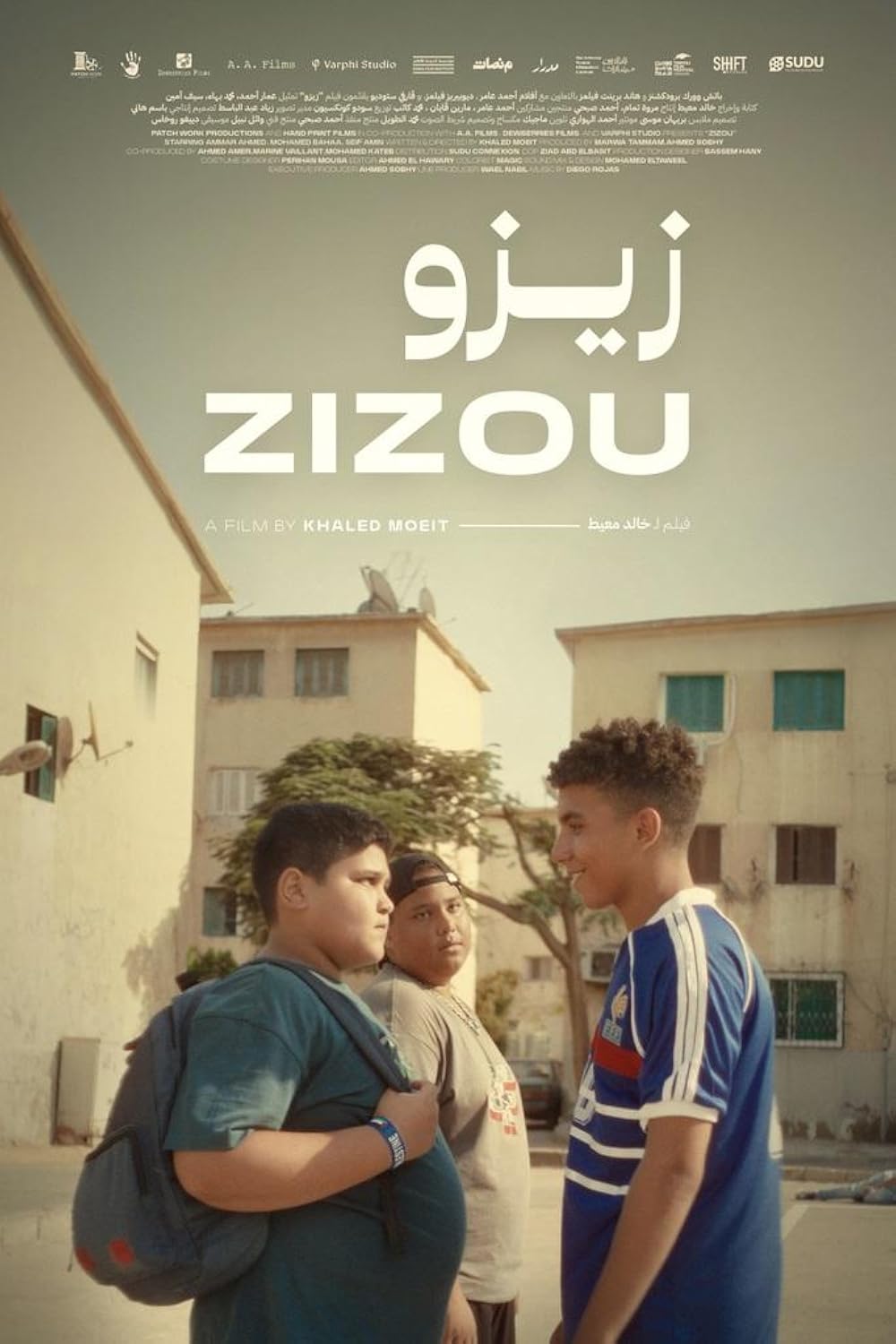
At home, when Zizou’s father teases him, the boy does not hesitate to register his displeasure. This father-son dynamic departs from traditional representations of African households where the father wields unquestionable authority and cannot be called to order when he errs. It also highlights the subtle and unintentional ways in which parental behaviours can be harmful to the social awareness and self-esteem of children still finding their places and voices in the world.
Much of the 19-minute drama is physically set in an open neighbourhood playground, which is ideally supposed to be a symbol of unity and togetherness, where social boundaries and barriers are shattered through childhood innocence and the love of the sport. However, the playground turns out to be a rather divisive force in the relationship dynamics between the children. In this space, interactions are shaped by social prejudices and the desire for acceptance, which exposes how social attitudes can equally influence contemporary childhood relationships.
The film also pays homage to French football legend Zinedine Zidane, affectionately known as Zizou, and renowned for his illustrious career. In a controversial incident in the footballer’s career, Zidane was dismissed from the pitch after headbutting a defender of the opposing team in the 2006 World Cup final match involving France and Italy, resulting in a twist to what was supposed to be an iconic farewell to his professional career.
In Moeit’s film, the eponymous character often wears a jersey bearing the name of the football legend, despite the absence of any clear-cut resemblance or attitudinal similarity between them. At a point in their clash, Zaki repeatedly goads Zizou into headbutting him like the legend, in a moment meant to further mock and embarrass the boy among his peers.
Genre-wise, Zizou shuttles between being a teen drama, coming-of-age narrative and sport-themed film, blending these elements in careful proportions without allowing the narrative to overstay its welcome. The story, however, offers limited nuance and experience around contemporary discourses on body image, self-esteem and social media.
Its refusal to be particularly instructive may be a deliberate attempt to avoid reducing these issues to simplistic moral lessons, allowing viewers to draw their own conclusions on actions and character motivations. But this also places a restraint on the extent to which the film engages with the psychological complexities of the characters, particularly the protagonist, whose emotionally abusive encounters leave their impact difficult to gauge, especially given that he is a teenager at a vulnerable, formative stage of life.
Throughout the narrative, it appears Zizou has been exposed to one form of emotional abuse or the other, both within and outside his home, but his ability to find his voice and refuse to be dismayed in such situations suggests he has acquired the confidence from somewhere.
What the film does not show and does not justify is how he develops this resilience. And while the film draws attention to the emotional consequences of bullying and ostracisation, it stops short of fully exploring their lasting impact on the young protagonist.
Adedamola Jones Adedayo is a film journalist and critic with special interest in African cinema. Through writing and audiovisual mediums, he creates conversations around cinema in Africa and the Diaspora. You can find him on Instagram @jonesthegoodboy and X on AdedamolaAdeda4.