

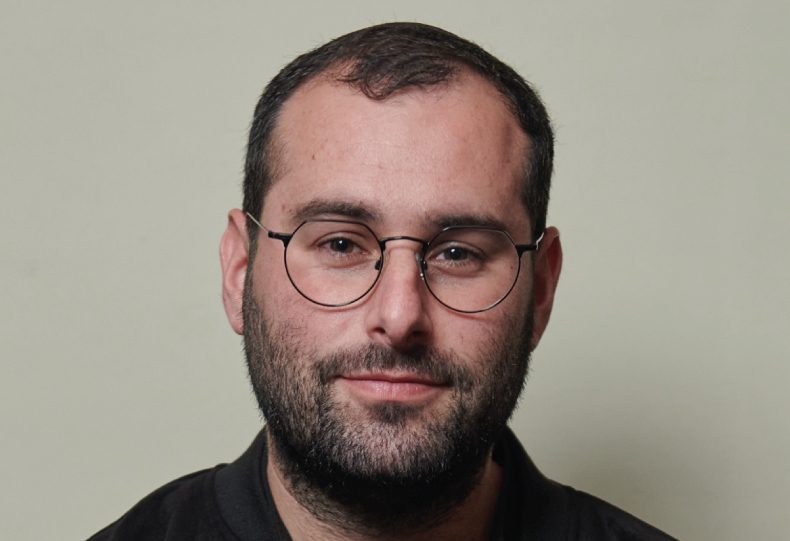

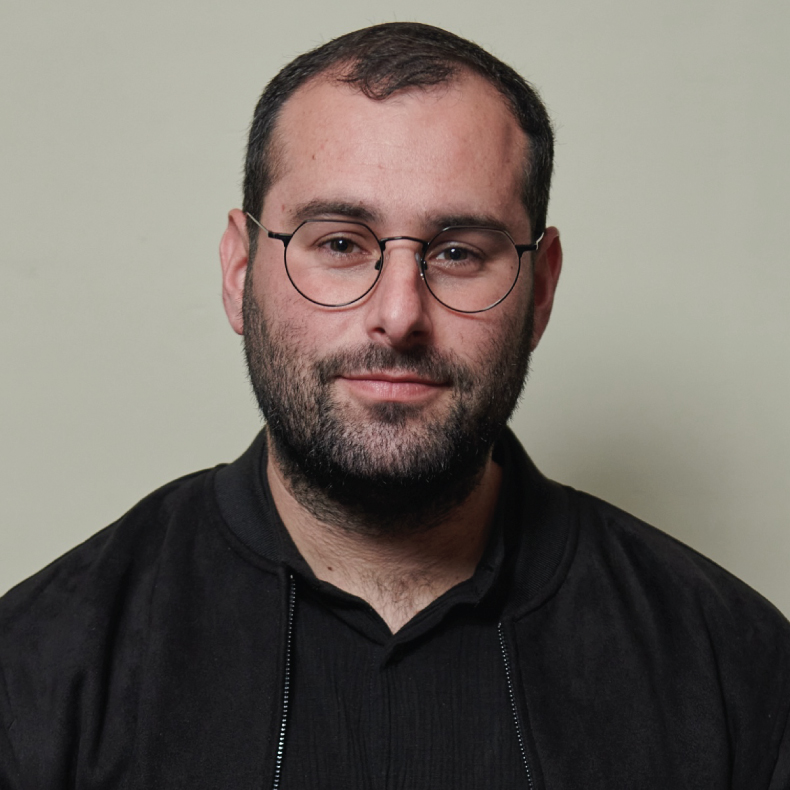
“The frightening thing is that it becomes very easy to crush a flea or to want to get rid of a parasite because you do not even see them as human.” — Jordy Sank
By Adedamola Jones Adedayo
Xenophobia remains a major source of social tensions in post-Apartheid South Africa today, with periodic outbreaks of violence targeting migrants from other African countries accused of competing for limited economic opportunities with citizens. Against this backdrop, Jordy Sank’s short film Amazeze (Fleas) (2025) examines the migrant experience through the story of a Zimbabwean child navigating life in South Africa.
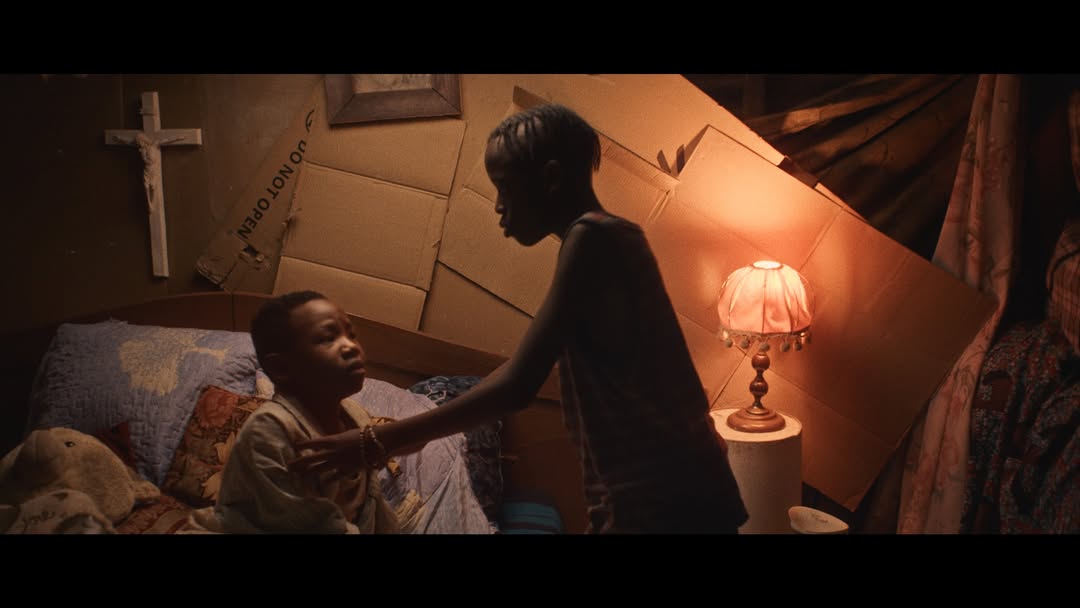
The film follows Zimbabwean brothers Tonderai and Panashe, played by child actors Brandon Maticanadzo and Kupakwashe Makhuyana, respectively, who live in a South African township. When a xenophobic attack breaks out at night, Tonderai leaves the house to fetch water for his ill brother within the neighbourhood, endangering his life in the process. The film also stars popular South African actor Warren Masemola, portraying a mob leader who is reflective of toxic nationalism and the fear-driven rhetoric that drives xenophobic violence.
Amazeze, written and directed by South African filmmaker Sank and co-produced with long-term collaborator Gabriella Blumberg (both having worked together on I Am Here, Leemtes en Leegheid and The Quicksilvers), was initially pitched at Durban Talents in South Africa, where the filmmakers received mentorship, and later at the Clermont-Ferrand International Short Film Festival in France, where it was approached differently within the European market. The film recently screened at the Joburg Film Festival 2026 and remains on the festival circuit, after which it will be shown across small communities in South Africa for social impact.

More than its thematic engagement with xenophobia, Sank’s film thrives on subtlety and style. Its characterisation, centred on children, facilitates a unique presentation of an infamous trail of systemic violence, creating a nexus between the social consciousness of young people and adults. The plot unfolds in medias res, snowballing into a suspenseful atmosphere. Rick Joaquim, the film’s Director of Photography, employs long, continuous shots to sustain the penetrative perspective of Tonderai. Every movement, sound, and suspicion is amplified, simulating a three-dimensional, immersive experience in which the audience appears partly involved in the narrative.
Afrocritik spoke with Jordy Sank about the ideas, choices, and challenges that shaped Amazeze.
Why did you decide to present such a sensitive story from a child’s point of view rather than an adult perspective?
The point of view came about quite organically. I was doing research and working with an activist in a xenophobia space in Johannesburg. This activist was also a teacher in one of the schools which had a lot of people who had immigrated to South Africa, particularly Zimbabweans. I got to speak to some of the children who had either themselves been involved or had witnessed their parents being involved in certain xenophobic incidents.
I think what was interesting about this child’s perspective is one that we don’t often see. Children are so innocent and are taught to hate. There’s a famous Mandela quote that if children are taught to hate, how much easier is it for us to teach them to love? And that was the sort of motto going into the project. You know, this fearful child who’s done nothing wrong, who just wants his brother to get better and to have safe drinking water. But on the other side, you have this mob of people in the community that want to make an example of him, that want to get rid of him just because he’s a foreigner, even though he has done nothing wrong.
What about the single-take cinematography that accompanies this child’s viewpoint?
The nature of having it become almost like a one-take film came about because we wanted you to walk alongside this child. As he turns to the corner, there’s that escalating fear. You don’t know what’s going to be around the corner. All the people who unfortunately go through this turmoil can’t just cut to the next frame. They have to live in that moment. So we wanted the audience not to be able to cut away or to look away, but rather be there alongside the character on this harrowing journey.
Where exactly in South Africa is the film set?
In the actual film, we do not mention the name of the township where it takes place. We did that very consciously so it could feel like any place in South Africa, because we believe xenophobia can happen anywhere. The film was shot in Kliptown, Soweto, and we involved the whole community in the process. We paid people to use some of their spaces, and some members of the community helped with security or appeared as extras in the background of the mob scenes.
How important was it for you to shoot the film at night, especially considering the symbolism of night as a space of fear and uncertainty?
Shooting at night was very important to us because it really heightened the fear experienced by this young boy. I have a five-year-old son, and he is afraid of the dark. With his imagination, he sometimes thinks shadows are moving and things like that. But this boy in the film is hearing a mob chanting and has to turn corners, seeing shadows and hearing a dog bark— all these little things are truly heightened at night. I think capturing this in the daytime would not have had the same effect.
To add to something you said earlier, I also think we were very cognisant that the adults in the mob are often influenced by politicians. Whether they are in government or part of opposition parties, they often use xenophobia to divert attention from the lack of service delivery or things that are not necessarily going well in South Africa. We have a few political parties that are quite openly xenophobic in nature. And I think that is the frightening part— as someone in that community, you can actually be convinced by a charismatic leader to consider burning a young child alive.
How did you approach balancing the quieter, emotional moments with the more intense or harrowing scenes in your film?
I think the harrowing moments were actually easier to handle. The moments where we truly connect with the character are at the very beginning, when he is with his brother, laughing, playing, and just fooling around. That is where we build empathy, expecting from the very start of the film for the mother to come through the door. But instead, we watch this beautiful young boy trying to take care of his brother, and we cannot help but fall in love with him. It is emotional, yes, with just a touch of humour, but through that, we genuinely begin to care about him when he sets out on this journey, risking his life.
Why did you decide to strip the immigrant children of adult protection within their personal space?
Unfortunately, it is a reality in some of these communities that, in order to get by, both the father and the mother have to work late. Sometimes, the children walk home from school in groups and have to do adult things, such as making their own food and looking after themselves until a parent or guardian returns home. That was the reason we decided to have them on their own.
I also think it is interesting because the South African children actually do have parents. For instance, in the film, the South African boy’s mother stops him and does not want him playing with the boy from Zimbabwe. This shows how misguided some of the parental figures actually are. Then, there is a small element of hope at the very end, with a hint that the mother does arrive. Now, this boy, although he has gone through a great ordeal, can finally be looked after.


What prompted the title “Amazeze” (Fleas)?
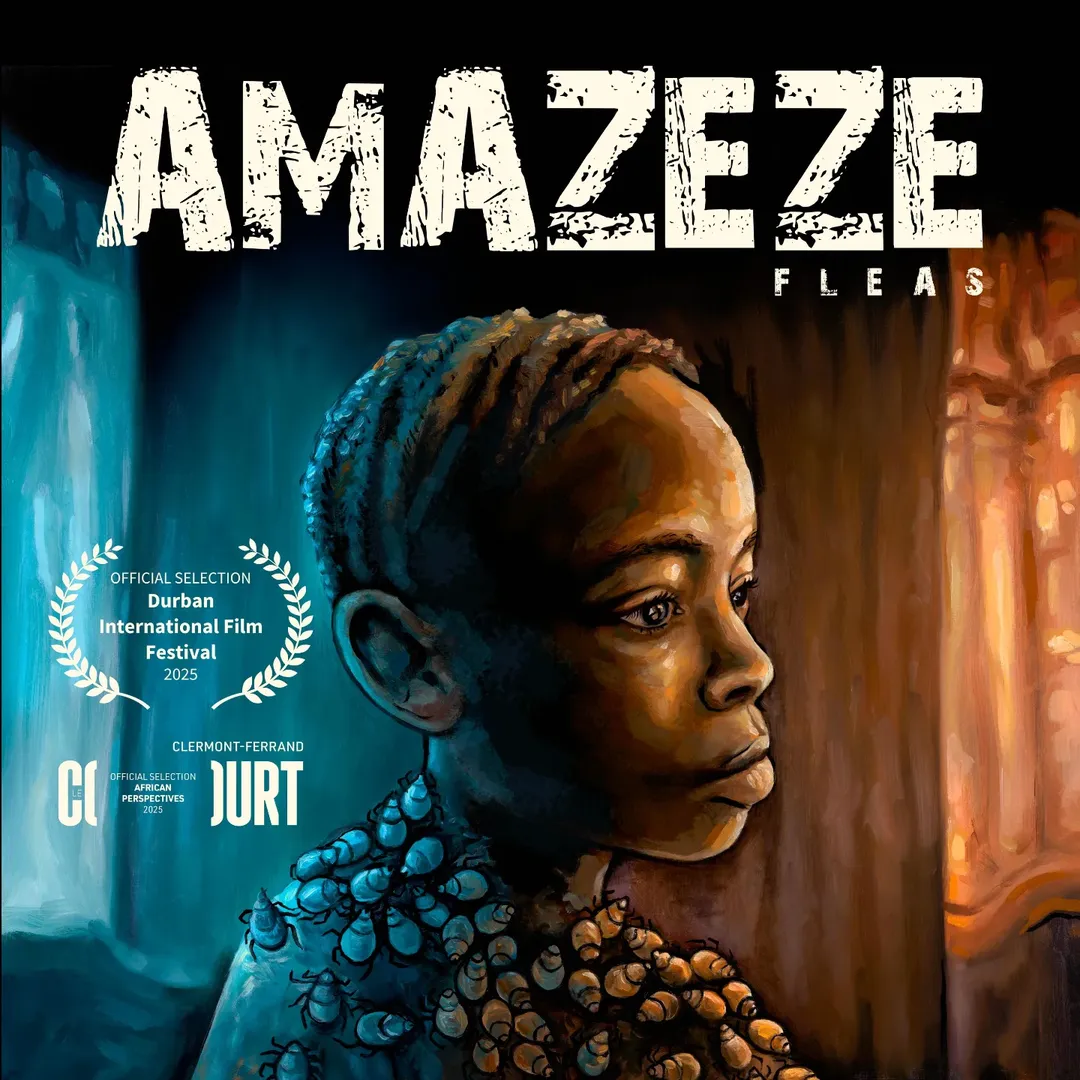
It comes from the slang used for foreigners in South Africa. This was popularised by King Goodwill Zwelithini, who publicly referred to foreigners as blood-sucking fleas. Unfortunately, we have seen this pattern throughout history. I think of the Holocaust, for instance, when Jews were depicted as spiders or blood-sucking insects.
It is the kind of vitriol and language that we might almost dismiss, but it is actually extremely harmful, boxing an entire nation or group of people into a certain perspective. The frightening thing is that it becomes very easy to crush a flea or want to get rid of a parasite because you no longer see them as human. People constantly call foreigners fleas, yet there is a sense that those perpetrating the harm are, in fact, the ones behaving like fleas.
What informed your casting choices, particularly the child actors?
We worked with a company called Actor Spaces in South Africa. They handle a lot of casting and went into various communities and theatre schools, but it was very difficult to find young Shona-speaking children who could play the roles of Tonderai and his younger brother, Panashe. They did a fantastic job.
The film is very challenging, and for many of the children, it was their first time acting on camera. It was a very demanding process because, normally, you can rely on different shots to cut to if there is a mistake or if someone needs a moment. But the challenge here was that we were doing very long takes, and any issue could ruin the entire take. We worked extensively with the actors, and Warren Masemola, who played Sizwe, is a veteran South African actor. He was very involved in the rehearsal process, helping the children feel comfortable and guiding them with their lines.
As I am not a Shona speaker, we had an assistant director, Tendaiishe Chitima, who helped the actors with the dialogue and performances alongside me. On the day before the shoot, we rehearsed extensively. We even went to the location to rehearse with cameras, and then, the next day, we shot the entire short film over the course of one night.
What are the next plans for the film?
We are continuing with the festival run. We have a few more months of screenings across Europe and the United States. Then, the major focus for us, as I mentioned earlier, will be impact screenings in various communities, so that people can have important conversations around the subject matter. Film is a powerful tool for influencing hearts and minds.
Adedamola Adedayo is a film journalist and critic with a special interest in African cinema. Through writing and audiovisual mediums, he creates conversations around cinema in Africa and the Diaspora. You can find him on Instagram @jonesthegoodboy and X on AdedamolaAdeda4.