

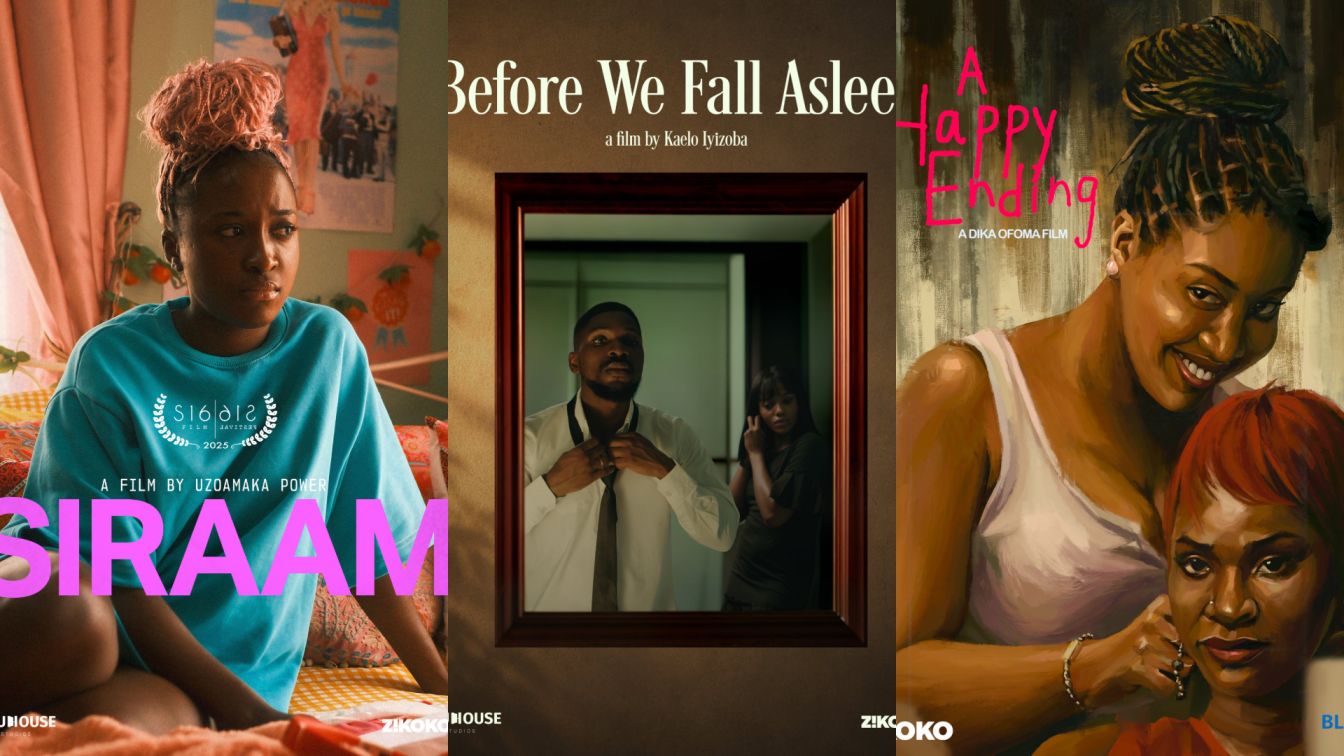


If this is what a second edition looks like under pressure to match its predecessor, Zikoko Life hasn’t just kept its promise, it sharpened it.
By Joseph Jonathan
A second outing always carries a particular kind of pressure: not the anxiety of a debut, but the weight of a standard already set and a promise now expected to be kept. Big Cabal Media’s Zikoko Life cleared that bar convincingly with its first edition, three shorts that turned the outlet’s confessional editorial franchises into something genuinely cinematic, unflinching in their treatment of Nigerian womanhood without ever slipping into moralising.
The second edition returns with the same ambition and largely the same creative hands behind it, and across its three entries, it becomes a study of what happens when that ambition is matched by discipline, and when it isn’t.
Showrunner Blessing Uzzi kept much of the original team intact for this run, a deliberate choice aimed at protecting the quality the anthology built its name on. What unites the three films this time isn’t a single genre or tone but a shared interest in the negotiations women make under pressure, whether that pressure comes from an indifferent lover, a partnership fraying under the weight of unspoken expectations, or the blunt economics of survival in a city that offers opportunity and exploitation in the same breath. Sexual health surfaces across all three, handled with a candour that Nigerian films still largely avoid. It’s a throughline that feels less like coincidence than editorial intent.
Siraam
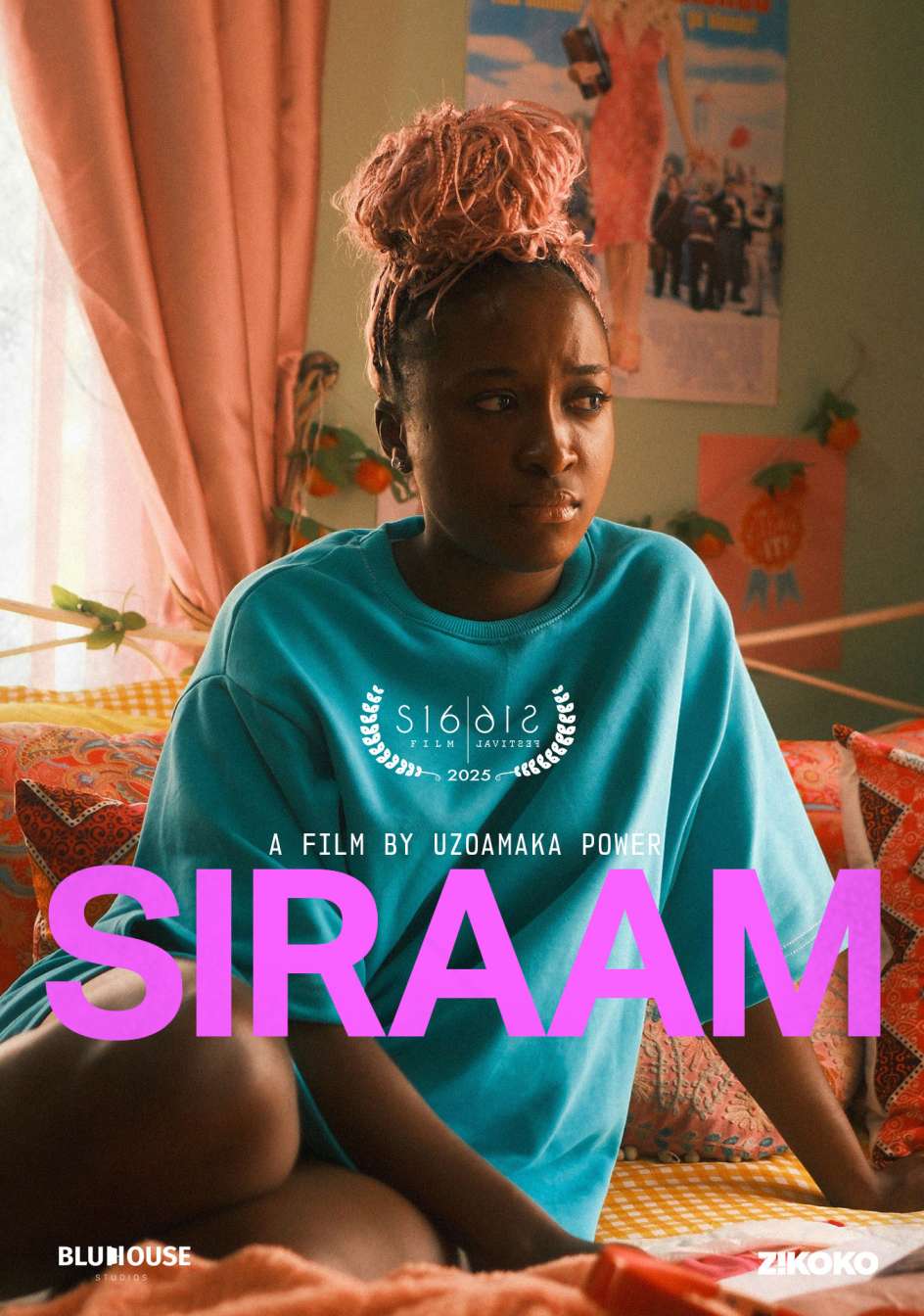
There’s a specific kind of disappointment that comes from watching a filmmaker with real gifts lose the thread of her own story, and Siraam is that disappointment in thirty-two minutes. The short follows its title character (Genoveva Umeh), a young creative navigating a situationship, a shifting friendship, and a quiet admirer, all while confronting questions about her sexual health and self-worth. It’s territory that Nollywood rarely approaches with this much directness, and the film deserves credit for even attempting it.
Uzoamaka Power’s fingerprints as writer-director are unmistakable throughout. Her women arrive fully dressed in interiority, given to reflection and a kind of lyrical self-awareness that few Nollywood shorts bother to attempt. Umeh carries that sensibility with real conviction: her wit keeps surfacing through the character’s harder moments, so that even Siraam’s worst decisions feel like they belong to someone rather than to a cautionary tale. It’s a performance built on specificity, and that is the film’s clearest success.
The trouble is that Siraam wants to be several films at once, and thirty-two minutes isn’t enough runway for any of them to take off properly. A statement on sexual health and self-advocacy competes with a heartbreak drama, which competes with a volatile, deeply felt female friendship, which competes with a quietly devoted man waiting in the margins for his turn. Each is a legitimate story. Together, they crowd each other out, and the film never settles on which one it’s actually telling.
That crowding shows most painfully in the friendship at the film’s centre, between Siraam and Chidalu (Amara Nnanna). Their fallout and reconciliation happen with such speed that the rupture barely registers before the mending arrives. It’s whiplash-inducing in a way that undercuts what should be the film’s most grounded relationship, the one place where Power’s gift for writing women in genuine, textured connection with each other could have anchored everything else.
The romantic subplot fares worse. From his first appearance, Olisa’s (Natse Jemide) lingering, yearning glances telegraph exactly where this is headed, well before the film is ready to address it directly. When the moment eventually arrives for him to say what he feels, it plays as a beat the film has clearly been steering toward without doing the work to earn it. There’s a maturity to how the exchange resolves, a quiet, unforced generosity on his part that stands out from how these moments are usually written. But there’s no accumulated intimacy behind it, no sense of two people actually finding each other beneath the noise. It’s hard to feel moved by a connection you were never quite invited into.
That’s the film’s deeper issue: the men in Siraam function as devices rather than people. One exists to wound, the other to offer patient contrast, and neither is given enough interior life to be more than a plot mechanism dressed as a character. In a film this attentive to a woman’s inner world, that asymmetry is strange; the emotional intelligence Power brings to Siraam simply doesn’t extend outward.
None of this erases what Siraam gets right. Power’s visual instincts remain distinctive — a lived-in, vibrant world that tells you who Siraam is before she says a word — and Umeh’s performance alone makes the film worth watching. But a short film has to know exactly what it’s about and say that one thing with discipline. Siraam has too many ideas fighting for the same thirty-two minutes, and none of them gets to finish its sentence.
Before We Fall Asleep
If Siraam struggles with discipline, Before We Fall Asleep is a masterclass in it and the contrast, watched back to back, is instructive. Where the anthology’s opener reaches for four ideas at once, Kaelo Iyizoba, making his Zikoko Life debut, commits to one: a relationship cracking open when the financial ground beneath it shifts.
Tola (Tobi Bakre) and Nazo (Onyinye Odokoro) have settled into a workable, if quietly unequal, domestic rhythm with a new baby in the house and Nazo’s mother (Rita Edochie) visiting for Ọmụgwọ. Then Tola loses his job overnight, and the arrangement that had felt merely uneven suddenly becomes untenable. What makes the film effective is its refusal to treat the layoff as the real subject. The job loss is the trigger; the actual story is about a relationship that looked balanced while one partner quietly absorbed more than either of them wanted to admit.
Nazo’s mother makes the film’s sharpest, most unsentimental intervention here — chiding her daughter for building a life and having a child with a man who never paid her bride price and has now lost his income, before adding, on her way out, a blunt piece of advice: next time, use a condom. It’s a brief moment, but it lands as one of the film’s most honest, refusing to let the story’s realism stop short of the practical.
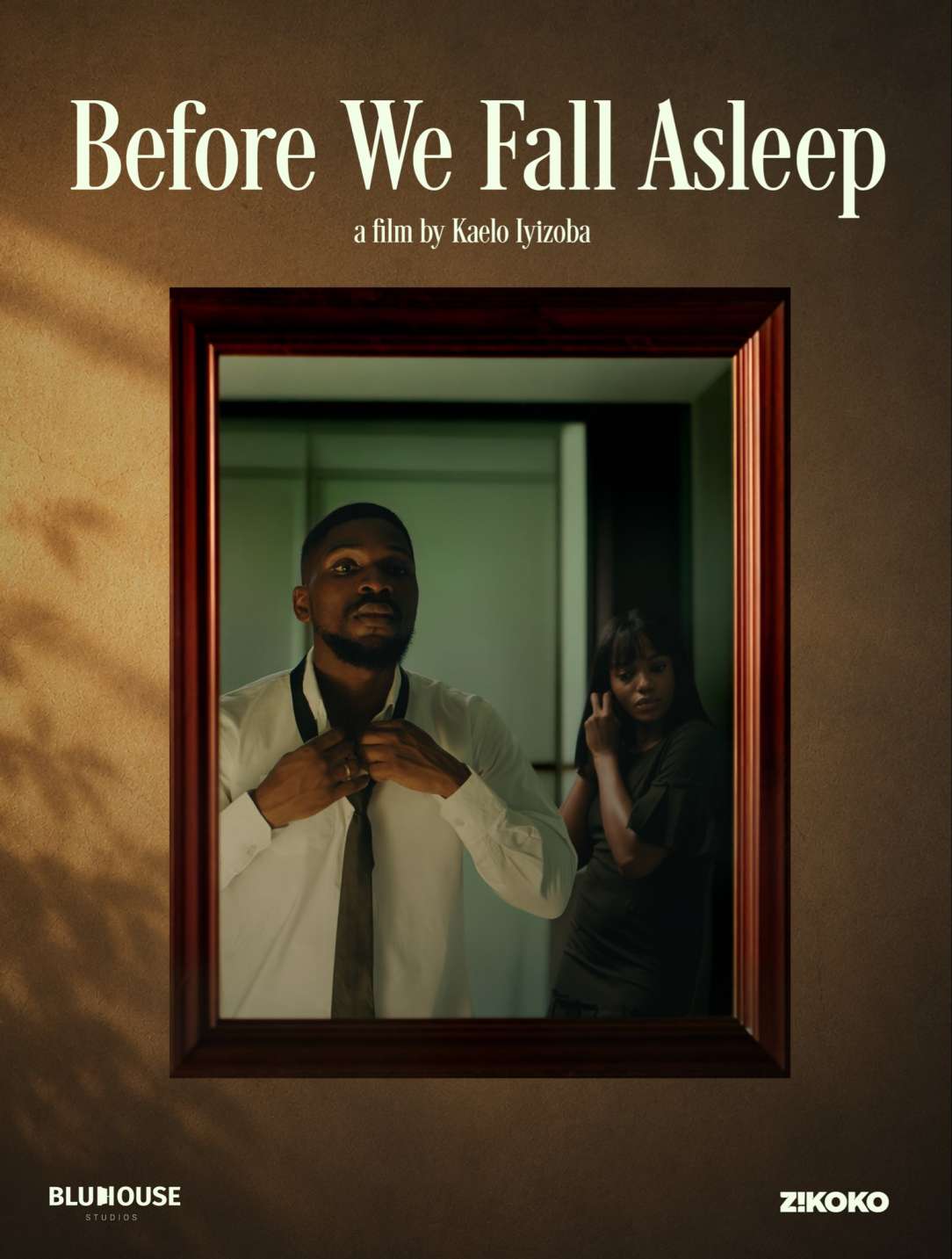
Technically, this is the standout of the anthology, and the choices are doing real narrative work rather than decoration. The camera’s steadiness in the early, settled scenes gradually gives way to something more unmoored as pressure builds, so that by the time Tola and Nazo finally erupt at each other, the visual language has already primed the body for the confrontation before a word is spoken.
The colour grading and the deliberate absence of light in the tensest exchanges do similar work, letting the frame carry the emotional temperature. It’s the kind of camera movement during conflict that Nollywood short films rarely gets this precise, matched by a score that understands restraint: knowing when to underline a moment and, more impressively, when to simply let silence sit.
The performances are where the film truly locks in. Odokoro plays Nazo’s composure as visibly effortful rather than natural, a woman working hard to hold a reasonable face together, which makes her eventual break feel less like a plot beat than an inevitability that’s been building since the film’s second scene. Bakre matches her precisely, making Tola’s self-absorption recognisable rather than cartoonish: a man whose sense of identity is quietly wrapped up in providing, and whose wounded ego is treated as real without ever being offered as an excuse.
Together, their chemistry does something rare: it suggests an actual shared history rather than two actors performing intimacy for the camera. Edochie, as Nazo’s mother, adds cultural texture without tipping into caricature, her presence rooted in an expectation that feels logical within the world the film has built rather than imposed on it for effect.
If there’s a shortcoming here, it’s a minor one: the film’s tightness occasionally means secondary dynamics get less room than they could use. But that’s a small complaint against a film that otherwise understands exactly what story it’s telling and trusts its actors and its camera to tell it.
A Happy Ending
Tatiana (Ifeoma Obinwa) arrives in Lagos from Awka chasing the kind of future her hometown can’t offer: enough money to finish her education and support the family she’s left behind. Through her friend Ginika (Ruby Okezie), she lands work as a masseuse at a spa run by the formidable Madam Ngozi (Anne Njemanze), and it’s there that a wealthy older client, referred to only as “Senator” (Nonso Odogwu), sets his sights on her. What follows is a story about the bargains poverty forces young women to strike, and about the different forms of agency they manage to hold onto even inside those bargains.

Dika Ofoma, returning after Something Sweet in the anthology’s first edition, frames A Happy Ending as a conscious homage to old Nollywood without succumbing to nostalgia for its worst instincts. The genre he’s drawing from has a long, well-worn habit of using women like Tatiana as morality lessons, punishing them narratively for the choices poverty pushes them into, dressing up judgement as drama. Ofoma refuses that inheritance almost entirely.
He keeps the texture — the Igbo dialogue that carries real warmth and specificity, the old-and-new casting that puts veteran presence alongside newer faces, the general shape of a story that could have been ripped from a decades-old melodrama — while stripping out the genre’s appetite for turning women into cautionary tales.
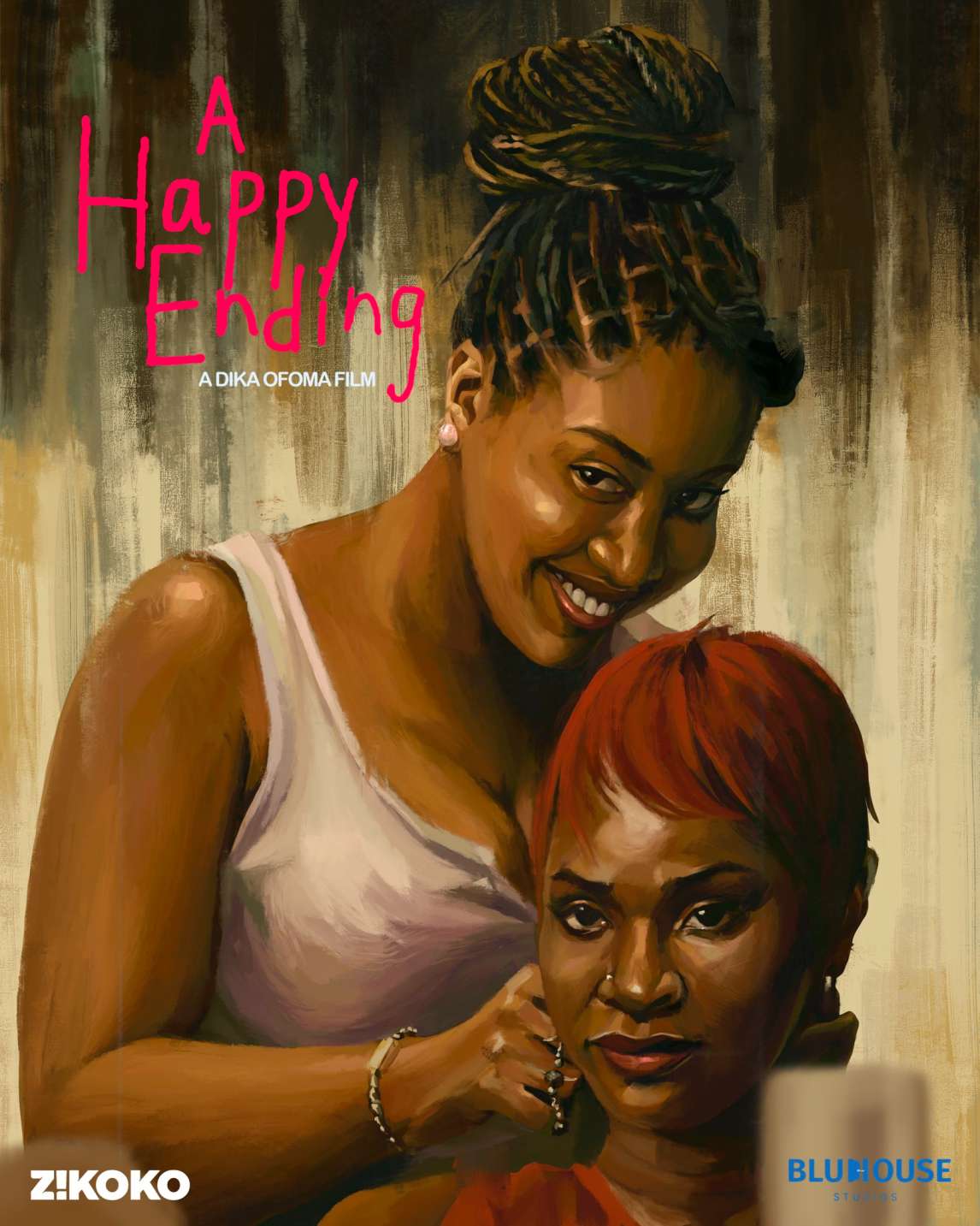
What makes the film distinctive is its refusal to flatten any of its three central women into a single note. Tatiana never loses sight of what she actually came to Lagos for, and the film treats her arrangement with the Senator as a strategic decision rather than a moral collapse. Ginika, pulled into the same orbit, gets the same respect; when a night with the Senator goes badly, the film doesn’t linger on their shame so much as their reckoning, two young women sitting with what they’re willing to keep tolerating and what they aren’t.
And Madam Ngozi, who could easily have been written as an exploitative gatekeeper or a jealous obstacle, is instead the film’s moral conscience in the most unexpected way; brisk and unsentimental, but genuinely protective, the one who tells Tatiana, plainly, to insist the Senator use protection. When Tatiana eventually decides to walk away from the arrangement altogether, Madam Ngozi doesn’t fight her on it. That absence of possessiveness or resentment says as much about the film’s values as anything in the script.
That’s the quiet achievement of A Happy Ending: there’s no jealousy dragged in to manufacture conflict between its women, no competition staged for the audience’s entertainment. Sisterhood holds the film together instead, and it’s treated as the most stable thing in Tatiana’s world, more dependable than Senator’s money or Madam Ngozi’s authority.
The film also handles its frankest material — a pregnancy scare, the conversation around protection, the implication of an abortion — with a directness that never curdles into judgement. Nobody is positioned as having brought their circumstances on themselves. The film understands that survival under poverty and power imbalance doesn’t leave room for the tidy moral binaries old Nollywood loved to lean on, and it declines to impose them retroactively.
Ofoma’s real gift here is empathy applied with precision. This is a small, familiar story — a woman leaves home, gets entangled with a powerful man, finds her way out — told with enough care that its familiarity starts to feel like intention rather than limitation.
The performances carry that intention through to the end, and the closing note, Tatiana and Ginika choosing to start over on their own terms, feels earned rather than imposed, a resolution that grows out of who these women have been throughout rather than a bow tied on for the audience’s comfort.
Taken together, the second edition of Zikoko Life confirms that the anthology’s real strength was never any single filmmaker but the sensibility guiding all of them: women written with genuine interiority, difficult subjects handled without flinching or moralising, and a consistent refusal to let survival read as shame.
Siraam stumbles under the weight of its own ambition, reaching for more than thirty-two minutes can hold. Before We Fall Asleep and A Happy Ending both find the discipline that eluded it, one through the tightening pressure of a single domestic crisis, the other through the loosening, hard-won freedom of women choosing their own way out. If this is what a second edition looks like under pressure to match its predecessor, Zikoko Life hasn’t just kept its promise, it sharpened it.
Rating: 3.5/5
Joseph Jonathan is a historian who seeks to understand how film shapes our cultural identity as a people. He believes that history is more about the future than the past. When he’s not writing about film, you can catch him listening to music or discussing politics. He tweets @Chukwu2big.