

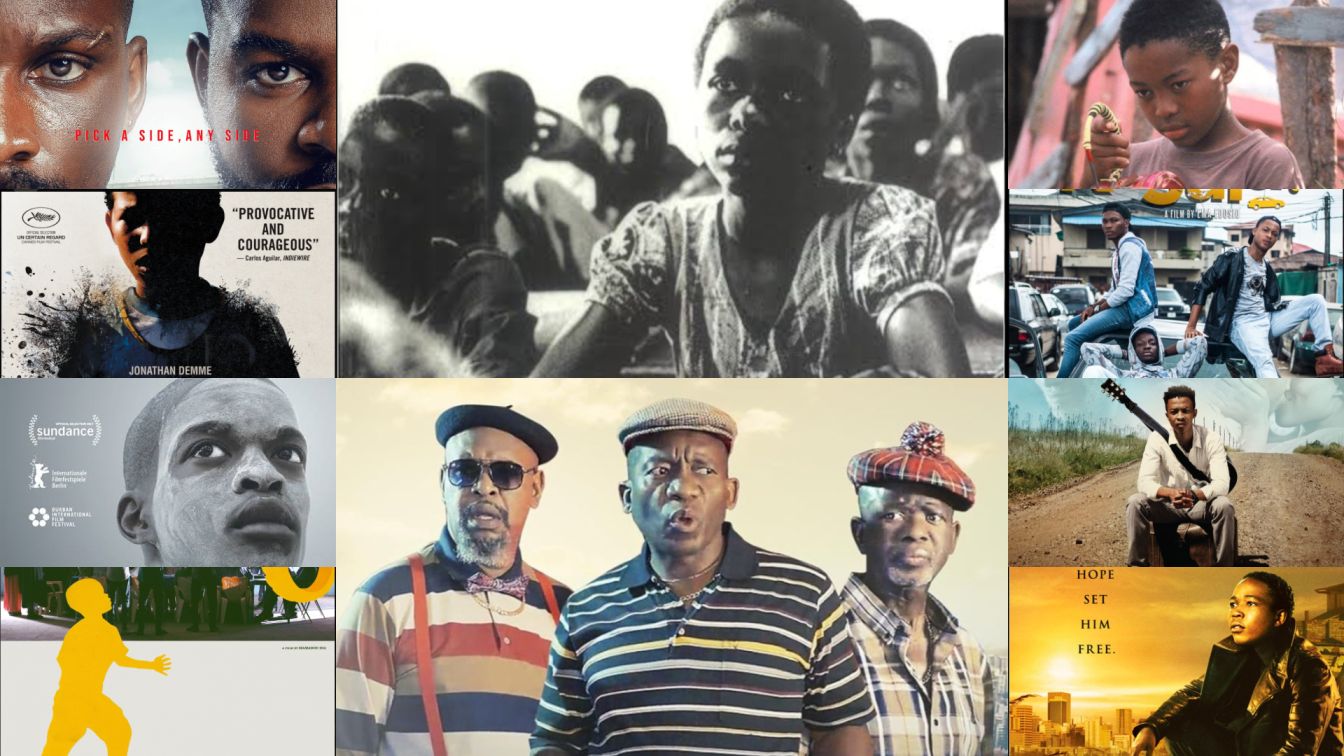

These ten African films remind us that friendship is not merely a social luxury. It is often a lifeline.
By Joseph Jonathan
Conversations about men’s mental health often centre on romantic relationships, family expectations, or professional support. Far less attention is paid to friendship, even though friendships are often among the most enduring relationships in men’s lives. Long before many men meet romantic partners, they have friends. Long after relationships end or careers change, it is often friends who remain.
Yet male friendship is frequently misunderstood. Popular culture tends to imagine men as emotionally distant, reluctant to communicate, or incapable of meaningful intimacy outside romance. While there is some truth to the emotional constraints many men face, friendship has long provided a space for companionship, support, mentorship, and belonging. Men may not always express affection in obvious ways, but care can be found in loyalty, shared struggles, acts of sacrifice, and simply showing up when it matters.
African cinema offers numerous examples of these relationships. Across the continent, filmmakers have explored friendships forged in childhood, tested by poverty, strengthened through common purpose, and strained by ideology, violence, and social expectations. Some of these films celebrate brotherhood as a source of resilience; others reveal how the same bonds can become destructive when loyalty eclipses individual judgement.
In recognition of Men’s Mental Health Awareness Month, Afrocritik presents ten African films that reveal the many forms male friendship can take — from Sango Malo’s quiet mentorship in a Cameroonian classroom to Brotherhood’s violent interrogation of what loyalty actually demands. These ten African films remind us that friendship is not merely a social luxury. It is often a lifeline.
Sango Malo (1990)
The most instructive thing about the male bond at the centre of Sango Malo is that it was never supposed to exist. Bernard Malo is a newly graduated teacher posted to a rural Cameroonian village, brimming with ideas about practical education, cooperative farming, and political consciousness. His headmaster represents the opposite philosophy: rigid, deferential to authority, invested in the conventional order. What develops between them is not friendship in any conventional sense, but something arguably more honest: an antagonistic mentorship in which each man, through resistance and conflict, defines himself against the other.
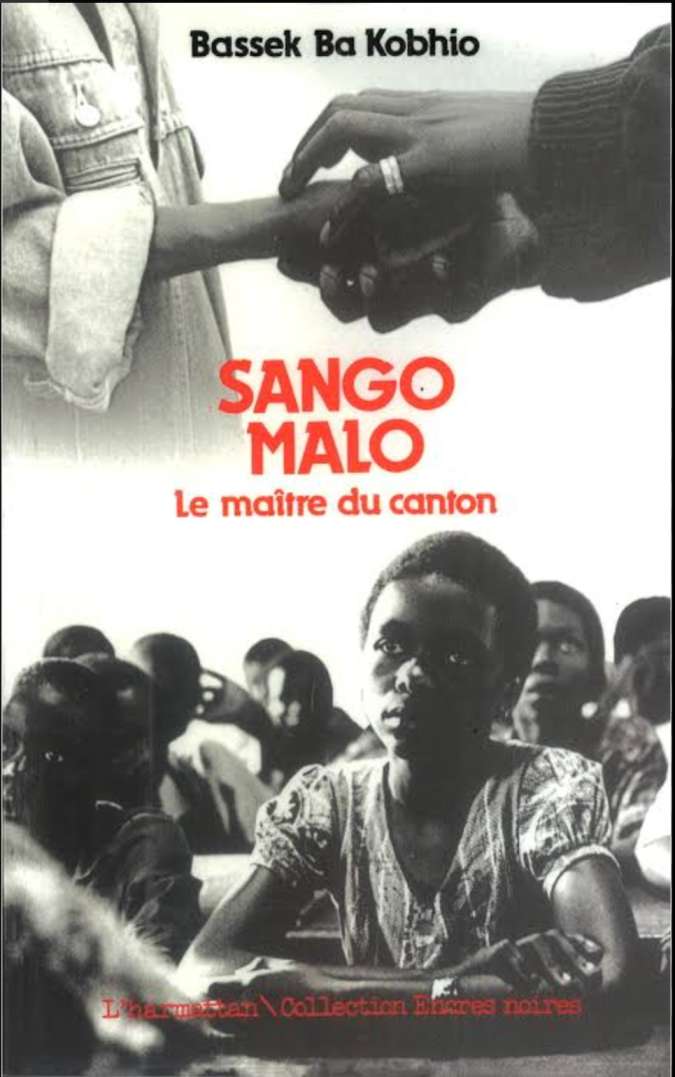
Director Bassek Ba Kobhio uses this dynamic to expose how institutions shape men’s relationships to power and to each other. Malo’s progressive instincts are not merely educational; they challenge the village’s entire social structure. That the headmaster resists him is not personal; it is systemic. What the film understands, and what makes it endure, is that male mentorship is rarely neutral. It carries ideology, authority, and the implicit question of who gets to define what knowledge is worth having.
Tsotsi (2005)
Gavin Hood’s Academy Award-winning adaptation of Athol Fugard’s novel is, on its surface, a crime film. Beneath it is something quieter: a study of what happens to male bonds when survival has consumed everything else. Tsotsi leads a small gang through Johannesburg’s townships with a coldness that functions as self-protection until an act of violence leaves him responsible for an infant, and the armour begins to crack.
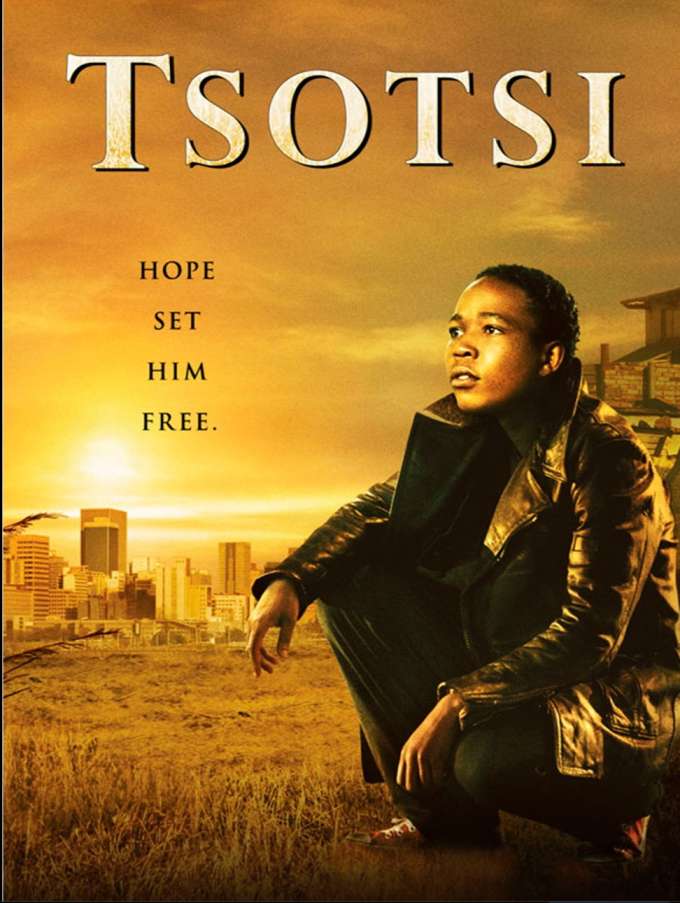
The film’s most psychologically rich relationship is between Tsotsi and Aap, the gang member whose open emotionality Tsotsi despises and, eventually, cannot stop thinking about. Aap weeps. He remembers his mother. He is, by the film’s logic, weak, and his punishment for this vulnerability is brutal. Hood understands that male cruelty often flows not from indifference to feeling but from terror of it. Tsotsi’s violence against Aap is the violence of a man destroying the part of himself he cannot afford to acknowledge. It is one of African cinema’s most precise portraits of how masculinity, unexamined and under pressure, devours the very bonds it needs.
Horses of God (2013)
Nabil Ayouch’s film about the 2003 Casablanca bombings is structured as a love story between brothers. Still, it is the friendship between Yachine and his childhood companions that quietly carries the film’s argument. Growing up in the Sidi Moumen slums, the boys form bonds in the only way available to them: through shared poverty, football, and the particular intimacy that comes from surviving the same conditions. Those bonds are precisely what make them vulnerable to radicalisation. The mosque offers not ideology first but belonging.
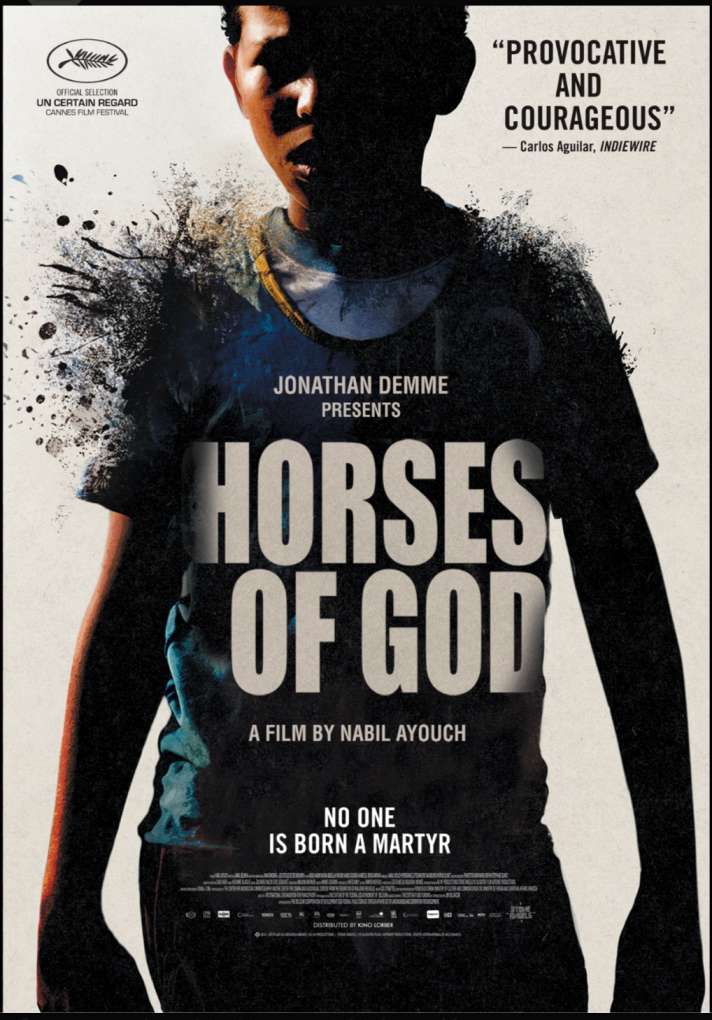
This is the film’s uncomfortable insight: the same hunger for brotherhood that makes male friendship beautiful is what makes it exploitable. The recruiters do not arrive with theology; they arrive with the promise of purpose, family, and a cause that gives the friendship meaning beyond mere survival. Horses of God never sentimentalises the boys’ bond, but it understands it completely. By the time the ending arrives, the tragedy is not only political. It is the tragedy of friendship weaponised, of loyalty redirected toward destruction by men who understood its power better than the boys themselves.
Inxeba (The Wound) (2017)
Ulwaluko, the Xhosa initiation ritual at the centre of Inxeba, is explicitly about making men. Boys enter the bush and emerge, weeks later, as adults, their boyhood selves ritually buried, their new identities sealed by shared ordeal. John Trengove’s film is interested in what this process does to male bonds: how intimacy and violence become inseparable when masculinity is treated as something that must be painfully constructed rather than simply lived.

Xolani, an older initiation guide, returns annually not only out of duty but because the bush is the only place his feelings for another man can exist, however partially. The arrival of Vija, the initiate he is assigned to oversee, introduces a witness and a threat. What unfolds is a film about the cost of maintaining masculinity as performance. The younger men observe, imitate, and eventually enforce the codes they have inherited. Trengove does not simply critique initiation; he shows what it forecloses. The bonds formed in the bush are real. So is the damage done by the rituals that produce them. Inxeba refuses to separate the two.
Kasala! (2018)
There is a version of Kasala! that is simply a very good comedy about four Lagos friends who destroy a borrowed car and spend one frantic night trying to fix the problem before the owner returns. That version is entertaining enough. But what Ema Edosio is actually making is a film about the architecture of young male friendship; how it is built from shared recklessness, tested by panic, and revealed under pressure to contain more tenderness than anyone would admit in daylight.

The film’s genius lies in the specificity of its group dynamics. Each character’s response to the crisis reflects not only individual personality but the particular role each has come to occupy within the friendship: the responsible one, the reckless one, the mediator, the one who breaks first. Kasala! understands that male friendships in Lagos — forged in the crucible of shared economic anxiety and neighbourhood solidarity — carry enormous emotional weight even when, especially when, they cannot be discussed directly. Comedy is the mechanism through which that weight is both expressed and deflected. By the end of one night, these four young men know things about each other they will probably never name. That is the film’s quiet, generous argument.
Nafi’s Father / Baamum Nafi (2019)
Mamadou Dia’s debut feature is set in a Senegalese border town and concerns a bond between two brothers that has endured for decades until ideology makes it impossible. Tierno is the local imam, moderate in his religious authority. Ousmane is his reformist schoolteacher brother, secular in his convictions. Between them stands Nafi: Tierno’s daughter, Ousmane’s son’s intended bride. But the film is really about what happens when a lifelong male bond collides with the question of what each man actually believes.
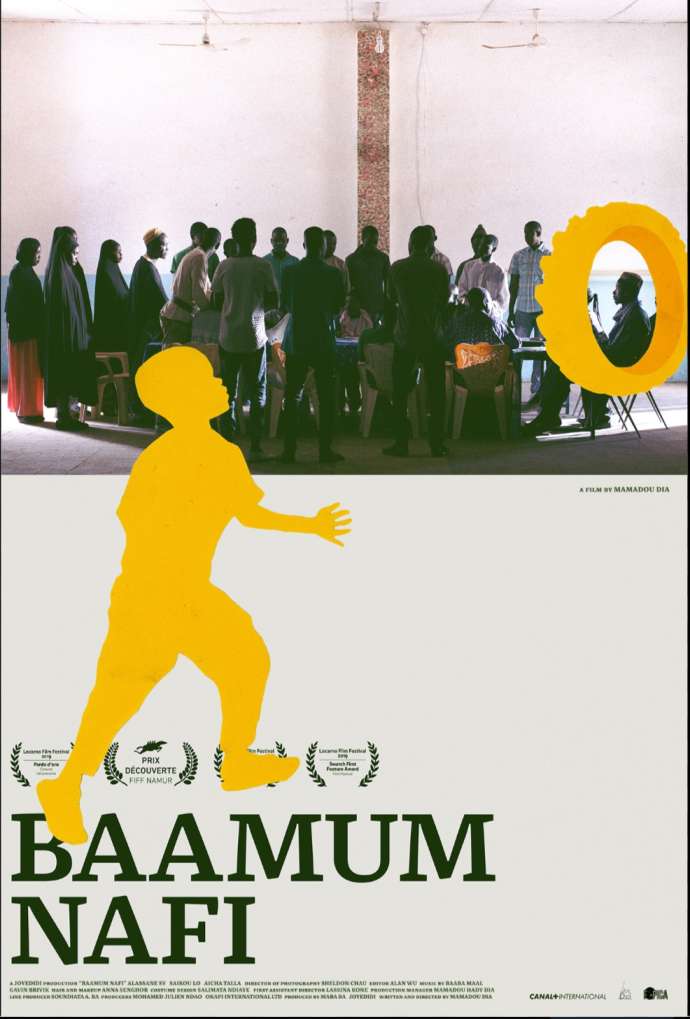
Dia is careful not to reduce Tierno’s growing religious conservatism to simple radicalisation; it is a sincere response to perceived social disorder, not a cartoonish turn toward extremism. That restraint is what makes the bond’s dissolution so painful. These are not enemies discovering their incompatibility. They are brothers who find, too late, that the world they shared was always fragile. Nafi’s Father belongs to a tradition of Senegalese cinema that takes male interiority seriously while never allowing it to float free of social consequence. The personal and the political cannot be separated here, and neither can friendship and faith.
The Wooden Camera (2003)
Ntshavheni Wa Luruli’s film is ostensibly a coming-of-age story about two thirteen-year-old township boys whose lives change when a dead body rolls down into the railway embankment they’ve made their playground. The dead man is still clutching his briefcase, which the boys discover contains a gun and a video camera. Sipho takes the gun. Madiba takes the camera, hiding it inside a wooden box to avoid questions. That divergence in a single moment is the film’s thesis: the same circumstances, the same friendship, two entirely different directions.


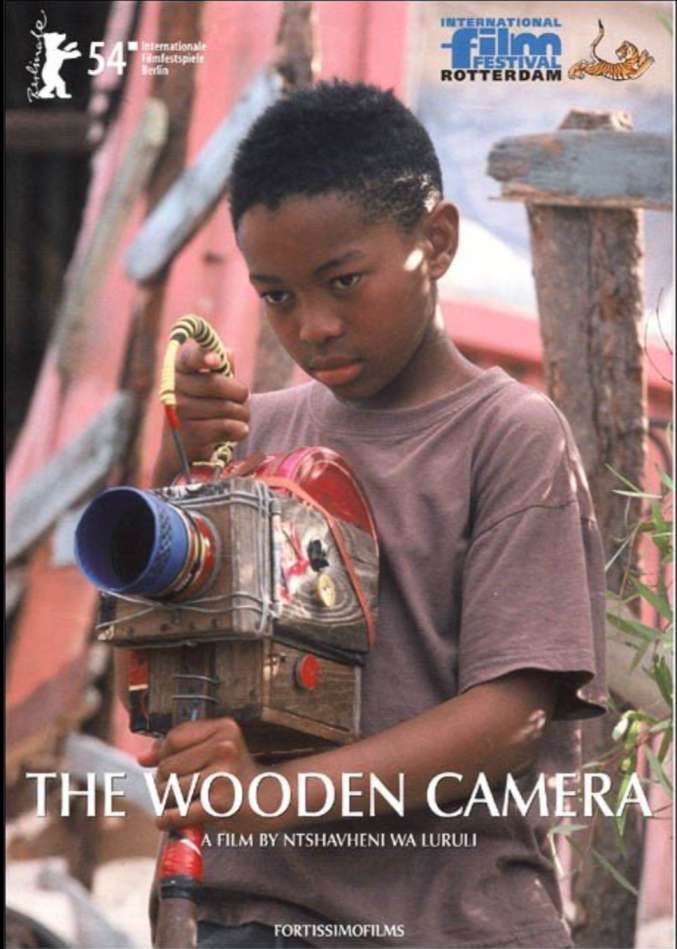
What Wa Luruli builds around this premise is a quietly devastating study of how male bonds survive or fail to survive when the world begins pulling two people apart. Madiba’s camera draws him toward connection: toward Estelle, the white girl from a world his own has barely touched, and toward the possibility of documenting rather than taking. Sipho’s gun pulls him deeper into the street economy Cape Town offers to boys with nothing. The friendship does not shatter dramatically. It simply becomes harder to sustain across the distance of two different choices.
Set in the uncertain early years of post-apartheid South Africa, the film understands that political transformation does not automatically translate into social proximity. The wooden camera of the title is both a hiding place and a metaphor; the lengths required to carry something valuable through a world that was not built to protect it.
Brotherhood (2022)
Loukman Ali’s action film is built around a premise that African storytelling has long understood: that brotherhood by blood does not automatically mean loyalty by choice. Akin and Wale are twin brothers on opposite sides of the law. One is a police SWAT officer serving the Nigerian state; the other is the leader of an armed robbery crew. When they are placed in direct collision, the film becomes a meditation on what obligation means when love and duty point in opposite directions.

What distinguishes Brotherhood from similar action cinema is its emotional intelligence about the specific texture of sibling bonds. Ali is not interested in the abstract idea of brothers at war; he is interested in what these particular men, who shared a childhood and a loss, owe each other. The film’s action sequences are well-executed, but its real tension is psychological: each confrontation carries the weight of everything the brothers have not said and cannot resolve. Brotherhood understands that the most devastating betrayals are not those between strangers but between people who were, once, the closest thing each had to safety.
Abomkhulu (2023)
Most South African films about apartheid are about struggle. Abomkhulu is about the aftermath. Three former freedom fighters (Mahooks, Taozen, and Shishi) are reunited after thirty years, two of them emerging from prison into a South Africa that has been transformed beyond recognition. What Kganki Star Mphahlele’s comedy does, quietly and with genuine warmth, is ask what happens to male friendship when the cause that originally forged it has been replaced by the far more bewildering project of simply living.
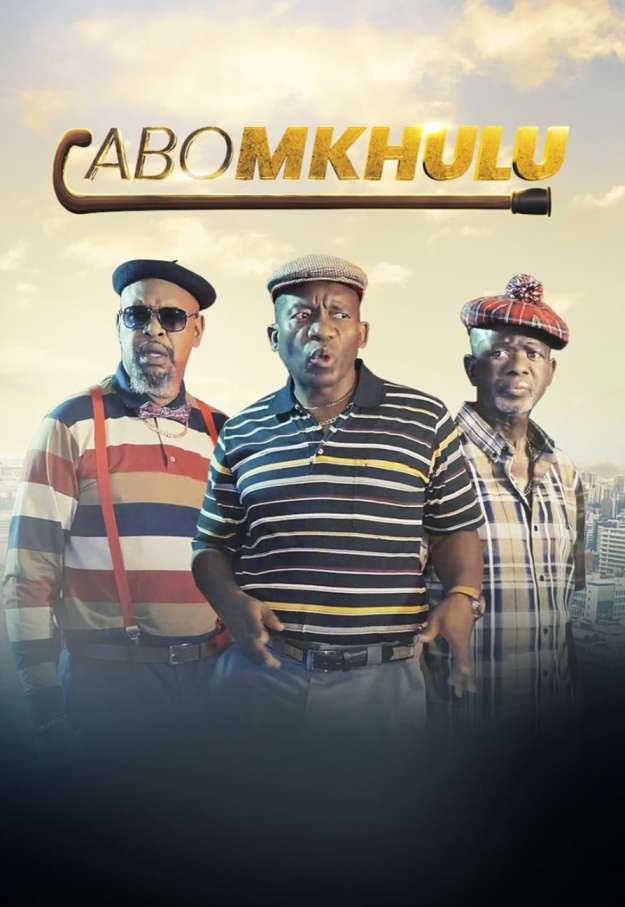
The three men are funny together in the way that people are funny only after decades of genuine intimacy: finishing each other’s sentences, knowing exactly which argument to have and which to avoid. But the film’s sharpest insight is about Shishi, the outlier who spent the intervening years outside prison but is, in many ways, the most dislocated of the three. For him, his friends are his family. The film treats that not as a limitation but as a form of dignity. In a political landscape full of grand narratives about liberation, Abomkhulu insists on something smaller and perhaps more important: the friendship that got you through.
The Lucky Specials (2017)
There is a specific quality of male companionship that exists in workplaces, particularly in spaces where physical labour is shared, and the conditions of that labour are hard. Reabetswe Rangaka’s musical drama about a group of South African miners who spend their weekends performing as a music band captures that quality with rare precision. These men work together underground, which is to say they trust each other in the most literal sense possible, with their lives. The band is the space in which that trust finds another expression.
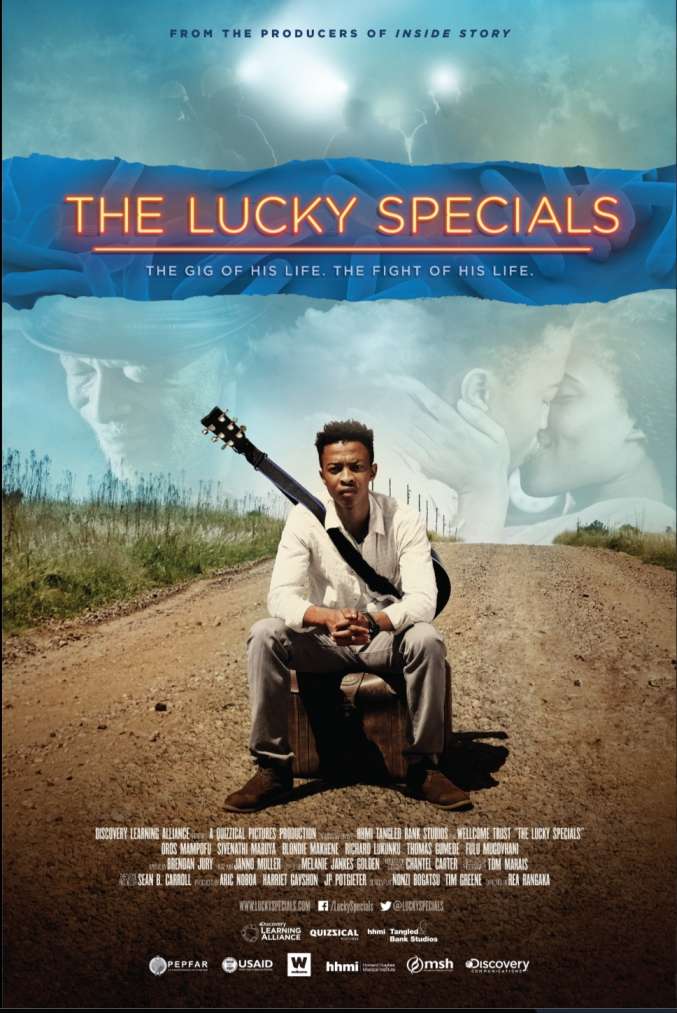
The Lucky Specials does not sentimentalise the mining industry, nor does it ignore its human cost. But it understands something important: that the bonds men form in conditions of shared risk often produce a quality of solidarity that is difficult to replicate elsewhere. Music becomes, for these men, the language in which they articulate what the work itself cannot accommodate: joy, play, the desire to be heard as more than a body in a shaft.
Joseph Jonathan is a historian who seeks to understand how film shapes our cultural identity as a people. He believes that history is more about the future than the past. When he’s not writing about film, you can catch him listening to music or discussing politics. He tweets @Chukwu2big