

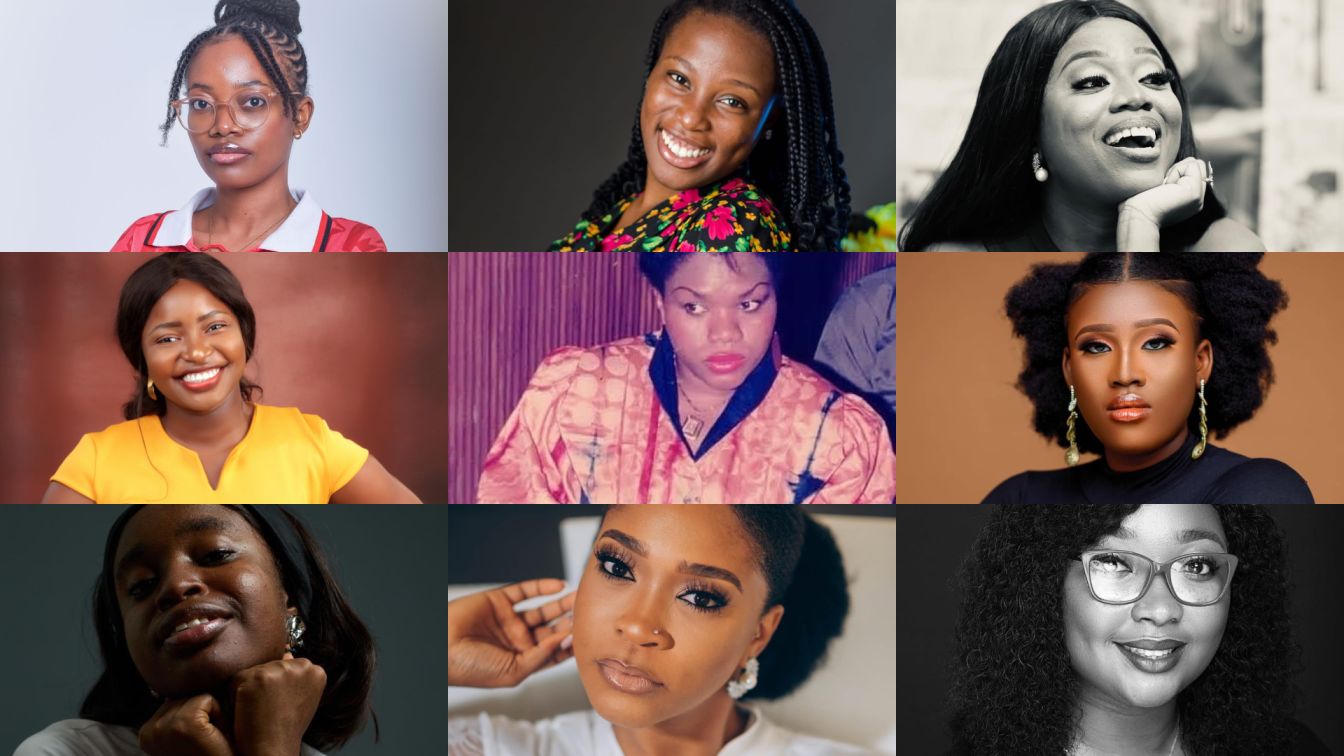

Nigerian film journalism has always had women at its centre. Before there was a name for what they were doing, they were doing it…
By Joseph Jonathan
There is no archive. This is the first thing you discover when you go looking for the women who made Nigerian film criticism worth taking seriously. No database to consult, no institutional record, no shelf in any library where the work has been gathered and preserved. What exists instead is scattered; a piece here, a platform there, a byline that no longer resolves to an active URL.
The women who built the intellectual ecosystem of Nigerian film journalism largely did so without the infrastructure that would have made their labour cumulative, their names retrievable, and their contributions undeniable. They showed up anyway.
Nigerian film journalism has always had women at its centre. Before there was a name for what they were doing, they were doing it; establishing that Nollywood deserved serious attention, building platforms from personal conviction, reviewing films that the culture had not yet decided were worth reviewing. Some of those women are still writing.
Others have moved into filmmaking, tech, media operations, or simply the quiet that follows years of work done largely without compensation. This list is a record of both what they built and what it cost.
It is also, of necessity, an incomplete one. This listicle does not name every woman who has contributed to Nigerian film journalism. Some names could not be recovered with enough detail to do them justice. Others will simply have been missed. This list, organised into two loose groupings—pioneers and present-day voices—attempts to document some of the most important women in Nigerian film journalism.
THE PIONEERS
May Ellen Ezekiel Mofe-Damijo
Every ecosystem needs someone who shows up before the ecosystem exists. For Nigerian entertainment journalism — the soil in which film criticism would eventually take root — that someone was May Ellen Ezekiel, known widely as MEE. Working in a Nigerian press culture that did not yet consider entertainment coverage serious journalism, MEE proceeded as though the argument had already been settled. She published Classique Magazine, one of the country’s earliest entertainment journals. She wrote for Sunday Concord, Newswatch, and Quality Magazine.

She hosted and produced her own talk show on NTA. She collaborated with journalists — Dele Momodu, Rudolf Okonkwo, Ben Charles Obi — who would go on to define Nigerian media. What she was doing, in practical terms, was insisting that Nigerian popular culture deserved printed, sustained attention. In the Nigerian press of the 1980s, that was not a given. MEE made it feel like one.
She died in 1996 at forty. Everything she built — the magazine, the column, the show, the precedent — she built in roughly two decades, without a template and without institutional backing. She left no funded journal, no editorial school, no successor institution. What she left was the proof that the work was worth doing. That proof would take years to find its inheritors.
Molara Wood
If MEE established that Nigerian popular culture deserved attention, Molara Wood established what serious critical attention actually looked like. Born in 1967 and returning to Nigeria in the early 2000s after two decades in the UK, Wood brought to Nigerian cultural journalism a rigour and range that was virtually without precedent.
As Arts and Culture Editor of Next Newspaper — one of the most ambitious journalism projects in modern Nigerian history — she built an institutional home for serious cultural criticism and edited, among other things, Teju Cole’s celebrated Letters to a Young Writer series. When Next closed in 2011, she moved her arts column to The Guardian Nigeria.
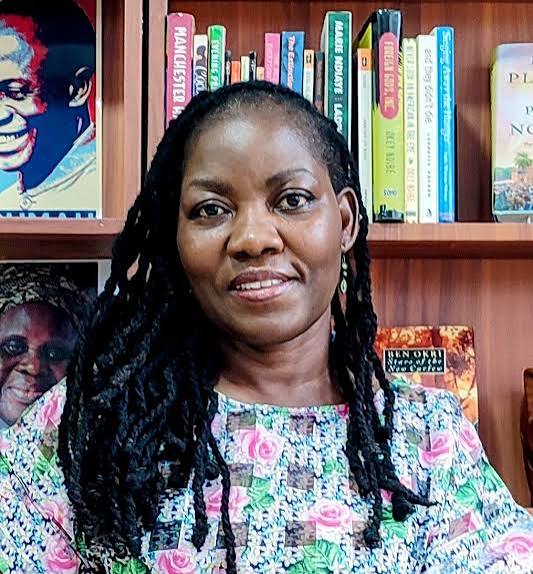
Wood’s primary identity is as a literary and cultural critic rather than a film critic in the dedicated sense, but her occasional dabble into film criticism was serious enough to be noticed at a time when almost no serious film criticism existed in Nigeria.
A 2009 article in Modern Ghana surveying Nollywood commentary online at the time, specifically named her review of Kunle Afolayan’s The Figurine as one of only two pieces of credible film criticism available on the internet at the time. That detail reveals the state of the ecosystem she was operating in. She was rigorous when rigour was scarce. Wood’s contribution to the culture of critical attention that made film criticism possible in Nigeria is not in dispute.
Oge Ezigboh — Nollywood Reinvented
In 2011, serious digital criticism of Nigerian cinema was largely unclaimed territory. Oge Ezigboh claimed it. Nollywood Reinvented, the film review website she founded that year, would go on to run for thirteen years; a duration that, in the landscape of Nigerian digital media, where platforms fold and restructure and quietly stop updating with exhausting regularity, constitutes an extraordinary achievement.
NR was not merely a review site. It was a record: a longitudinal document of how Nigerian cinema evolved, stagnated, surprised, and disappointed across more than a decade. Thirteen years of that document, maintained without institutional backing, by individual will.
When Ezigboh announced the closure of NR in 2024, she noted that the archives would remain accessible for a while. That qualifier — for a while — matters more than it might seem. Thirteen years of Nigerian film criticism now sit in digital limbo: accessible until it isn’t, maintained by no institution, guaranteed by no funding.
Even the post explaining why NR closed is no longer accessible — the website’s social media page has since been archived. The documentation of the closure is subject to the same precarity as the work it was explaining. This is not a minor irony. It is the condition on which the whole ecosystem is built.
Precious Nwogu — Mamazeus
To be a genuine fan of Nigerian cinema and a rigorous critic of it simultaneously is harder than it sounds. The fan wants to believe. The critic has to see. Precious Nwogu, who wrote under the name Mamazeus, managed both, and the tension between them was what made her work at Pulse Nigeria so alive.
From blogging in 2015 to reviewing Nollywood movies in 2017, she wrote in the voice of someone who had watched enough Nollywood to know exactly where and why it kept disappointing her, and who kept watching anyway because she also knew what it looked like when it got things right.
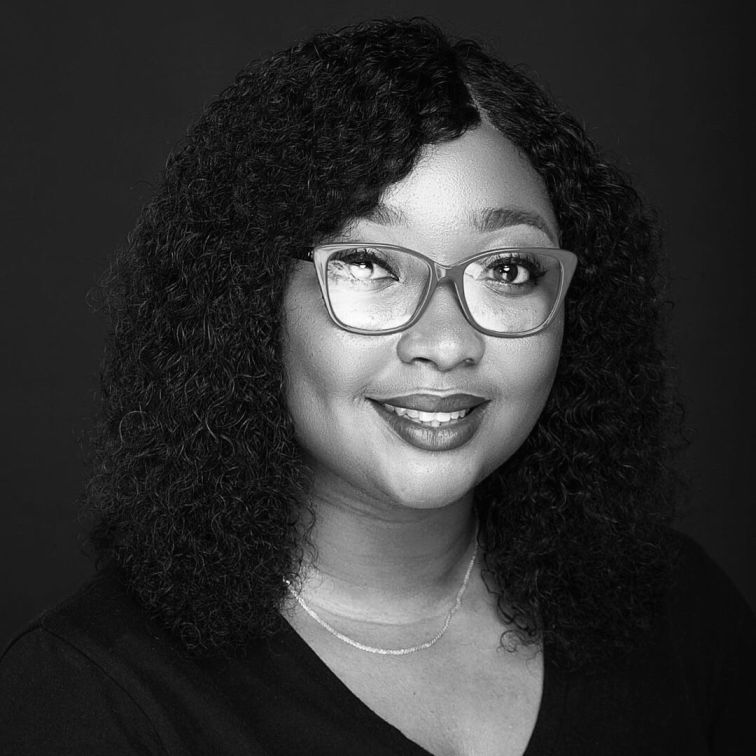
In her review of King of Boys: The Return of the King, she described her Nollywood goodwill as perpetually at war with a deep-seated scepticism born from years of disappointment, and then proceeded to assess the film on its actual merits rather than its hype. That is what serious fan-criticism looks like: invested enough to care, rigorous enough not to pretend.
Her bylines eventually stopped appearing. She is no longer primarily active as a film critic. Nigerian film journalism lost a distinctive voice when she stepped back, and the ecosystem still does not have a clear account of why.
Ife Olujuyigbe
Ife Olujuyigbe arrived in Nigerian film criticism with a literary sensibility — she had been writing fiction and essays before she turned her attention to film — and that background gave her reviews a reader’s precision that the space sorely needed. Writing at True Nollywood Stories from around 2016, with her film criticism becoming more visible through 2017 and 2018, Olujuyigbe brought to Nollywood commentary the kind of close reading usually reserved for prose.
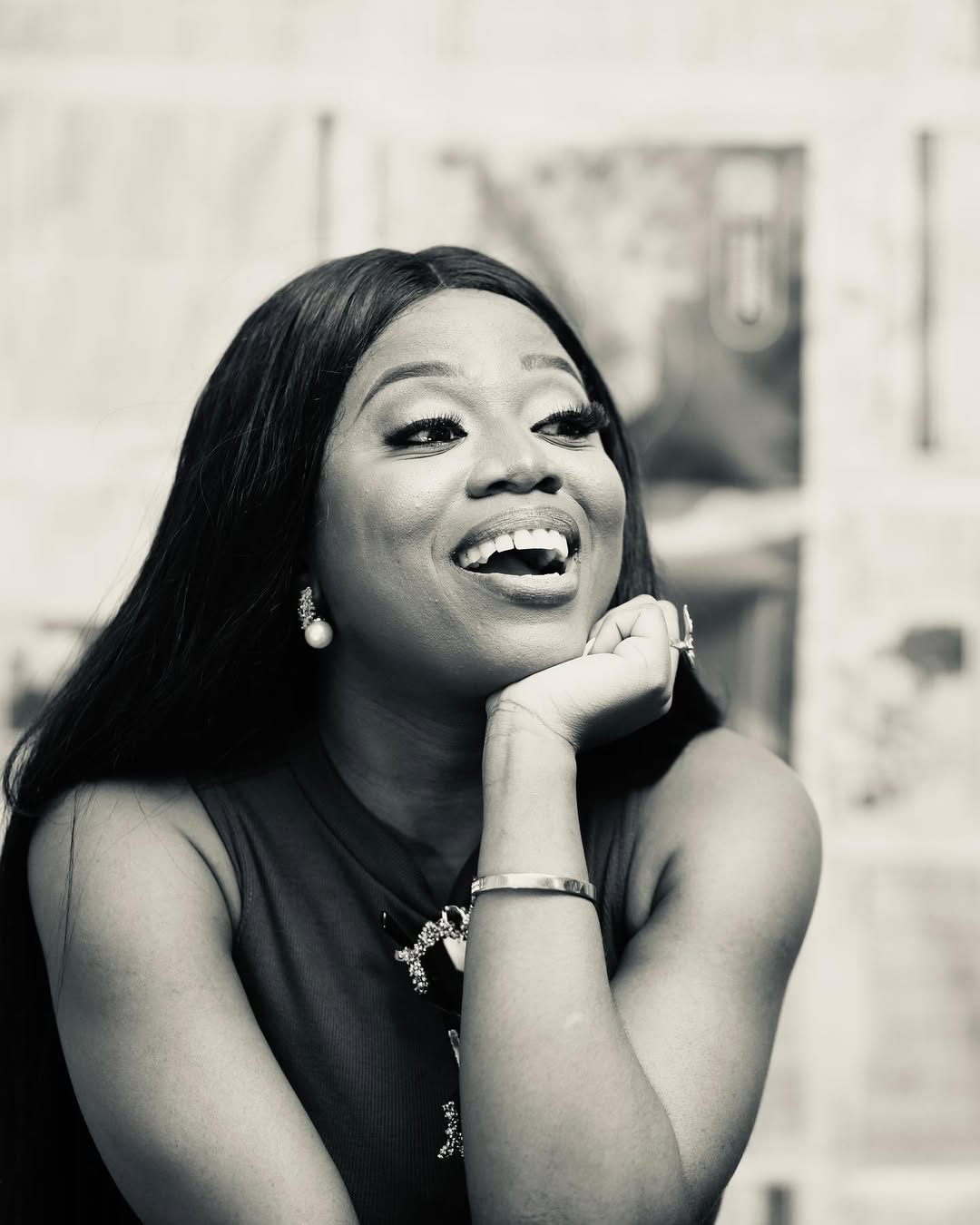
She cared about how sentences in a screenplay were working, about whether a character’s interiority was being honoured by the direction. That care was not common. True Nollywood Stories is no longer accessible online, which means a full accounting of her contribution requires more than a digital search. She has since moved into filmmaking — a lateral move, not a retreat. She continued loving film. Filmmaking, it turns out, was simply another way of saying so.
Delphine Okobah — The Delphinator
Writing under the name The Delphinator, Delphine Okobah brought to the mid-2010s Nollywood criticism ecosystem something it was actively missing: directness. Her reviews did not soften assessments in deference to the industry’s well-documented sensitivity about being criticised. When a film was bad, she said so. When it was good, she explained why with the same specificity she brought to the bad ones.
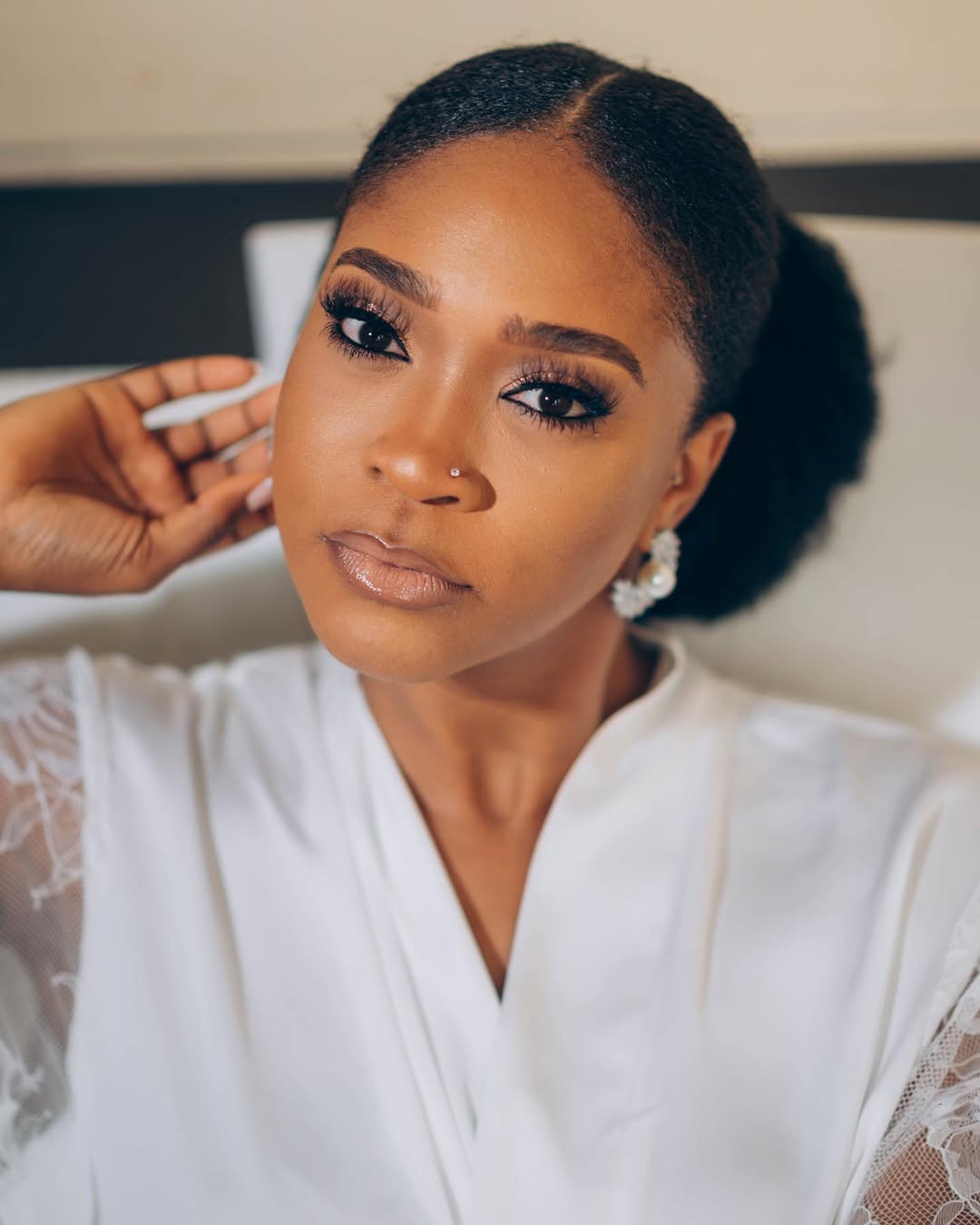
That is a rarer quality than it should be in an industry that has sometimes treated friendly coverage as the price of access. Okobah was also among the early adopters of video reviews — at a time when that format had not yet found its footing in Nigerian film commentary — producing content that managed to be entertaining and analytically serious in the same breath. That combination, which looks easy and isn’t, helped establish that film criticism did not have to choose between rigour and watchability.
Anita Eboigbe
Most people who exit a practice simply leave. Anita Eboigbe left and built a door for others to walk through. That distinction is worth dwelling on. Eboigbe came to Nigerian film journalism through data journalism, which shaped everything about her critical approach. Where many critics arrived at Nollywood through aesthetics or culture, she arrived through the industry’s own numbers — asking where the money went, what it did, and what the answers revealed about power and structure in the Nigerian film business.
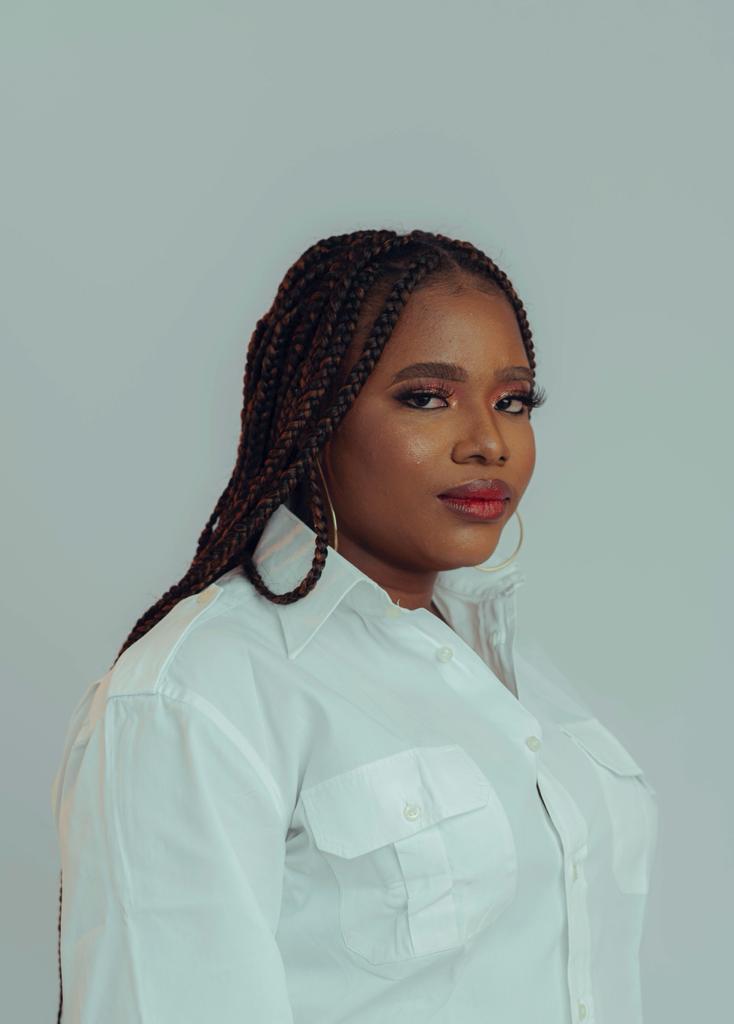
Her writing on IN Nollywood, the platform she co-founded with Daniel Okechukwu, was marked by that analytical rigour: industry-facing, structurally serious, unwilling to aestheticise what were essentially problems of political economy.
She is now COO of Big Cabal Media. But before she made that move, she co-founded the IN Nollywood Film Journalism Fellowship in 2022 — a first-of-its-kind structured training programme for writers who wanted to cover Nigerian film seriously. The inaugural cohort of fifteen fellows has since been followed by further editions, with over twenty-five journalists trained in total. Many of the present-day voices on this list passed through it. That Eboigbe built all of this on her way out of active film journalism is not a footnote. It may be the most consequential thing she did in the space.
PRESENT DAY
Vivian Nneka Nwajiaku
The question Vivian Nneka Nwajiaku keeps asking — essay after essay, review after review — is deceptively simple: what does Nigerian cinema think women are for? She asks it not as an ideological exercise but as a genuine critical preoccupation, rooted in close reading and a refusal to let the industry off the hook with good intentions.
As senior writer, editor, and head of the film department at Afrocritik, Nwajiaku has built one of the most consistent bodies of Nigerian film criticism currently in existence. In her 2022 essay on Nollywood’s sexist tropes, she traced the femme fatale archetype from the Nneka the Pretty Serpent (1994) through to contemporary releases, demonstrating with specific textual evidence that the industry’s imagination of womanhood had calcified in ways that neither box office success nor critical applause had disrupted.

In a 2025 long-form piece on sexual violence in Nollywood, she argued that the routine cycle of outrage and amnesia around exploitative depictions was failing because situating the critique within individual reviews was insufficient — what was needed was sustained analytical pressure that named the problem as systemic.
That is what her best work does. It insists that aesthetics and politics are not separate categories, and it insists on this with a precision that makes the argument impossible to dismiss as mere advocacy — a quality evident in her essay in the Afrocritik Report 2025. She holds a master’s degree in law and has noted, with characteristic directness, that she spends most of her time watching, reading about, and discussing films and television. Nigerian film criticism is fortunate for that priority.

Shalom Tewobola
Not enough Nigerian film criticism pays attention to how a film feels as a physical, spatial experience — to what it does with light and setting and atmosphere, to the way a location can carry emotional information that dialogue never quite reaches. Shalom Tewobola pays that attention, and it makes her work among the most formally engaged criticism currently being produced in the Nigerian space.

Writing at Culture Custodian before moving to Pulse Nigeria, Tewobola has developed a critical voice that is expansive in its concerns and specific in its execution. Her review of Akinola Davies Jr.’s My Father’s Shadow demonstrated a critic fully capable of meeting a film on its own terms. She engaged its use of Lagos as an emotional register, its relationship to the political rupture of June 1993, and its temporal structure, without reducing the film to its historical significance or using significance as a substitute for analysis.
She has also written with sharp intelligence on the gap between visibility and fidelity — on what Nigerian cinema actually owes itself when it crosses into international territory, and what gets lost when filmmakers or critics mistake global acclaim for cultural honesty. These are not the concerns of a critic interested in coverage. They are the concerns of someone thinking seriously about what Nigerian cinema is for.
Chinalurumogu Eze
Chinalurumogu Eze — known as Nalu — was among the inaugural fifteen fellows of the IN Nollywood Film Journalism Fellowship in September 2022, one of the first class of writers formally trained through the programme that Anita Eboigbe built. That fellowship was designed to do something specific: produce critics who engage the Nigerian film industry seriously, ask hard questions of it, and bring sustained attention to films that deserve more than a star rating. Eze is among its clearest successes.

Her work across TV and online outlets reflects both the rigour the fellowship set out to cultivate and the independent voice that no fellowship can manufacture; it has to already be there.
Oluwatomisin Olorunfemi
Also from the inaugural IN Nollywood Film Journalism Fellowship cohort, Oluwatomisin Olorunfemi has established herself as a consistent and serious critical voice in Nigerian film and culture journalism.
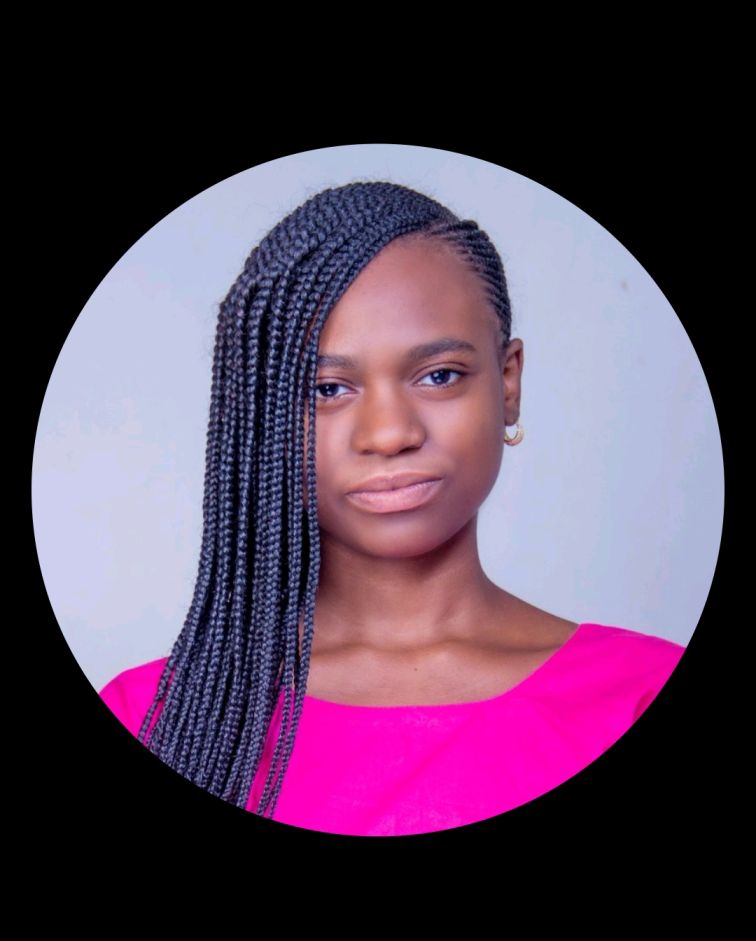
Her work carries the analytical ambition that distinguished the better writers who came out of the fellowship’s first edition: a willingness to engage the industry on structural terms rather than merely assessing individual films in isolation. She is actively publishing and remains one of the more visible voices the fellowship has produced.
Fancy Goodman
Fancy Goodman was also part of the inaugural IN Nollywood Film Journalism Fellowship cohort, and she covered Nigerian film with genuine seriousness before transitioning to tech reporting. Her trajectory is not unusual — it is, in fact, one of the most common stories in Nigerian film journalism.
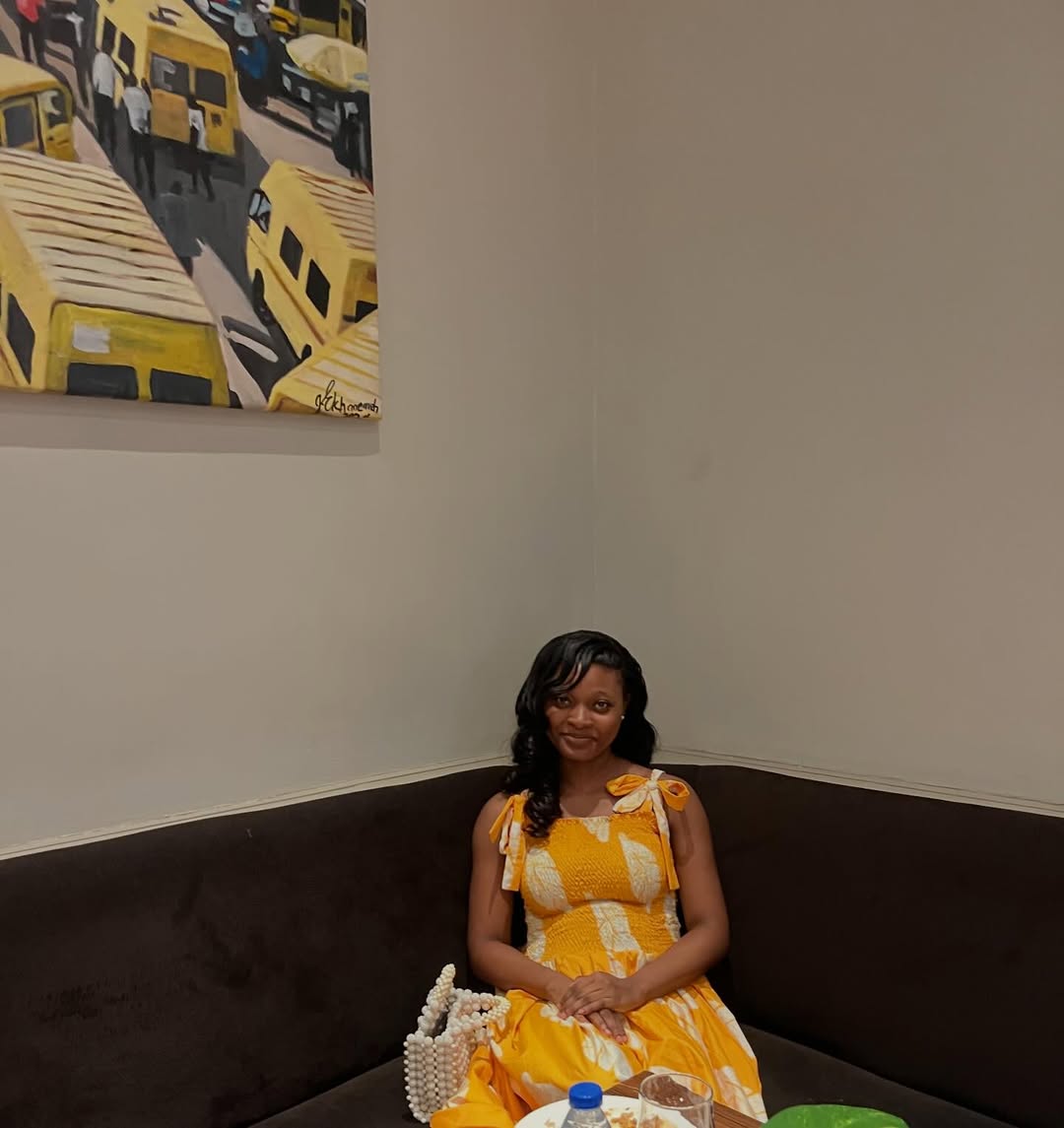
The economic model for serious film criticism in Nigeria has never been stable, and the writers who do it longest are often the ones who can afford to, either because they have other income or because they are willing to work for less than their labour is worth. Goodman’s decision to move toward work that paid adequately is not merely a criticism of the ecosystem she left. It is a description of it.
Shalom Obisesan
Shalom Obisesan’s work does something that sounds simple but is rarer than it should be: it engages with what is actually on screen. In a critical environment where reviews can default to plot summary dressed in evaluative language, Obisesan is among the writers holding the line for what genuine textual attention looks like.
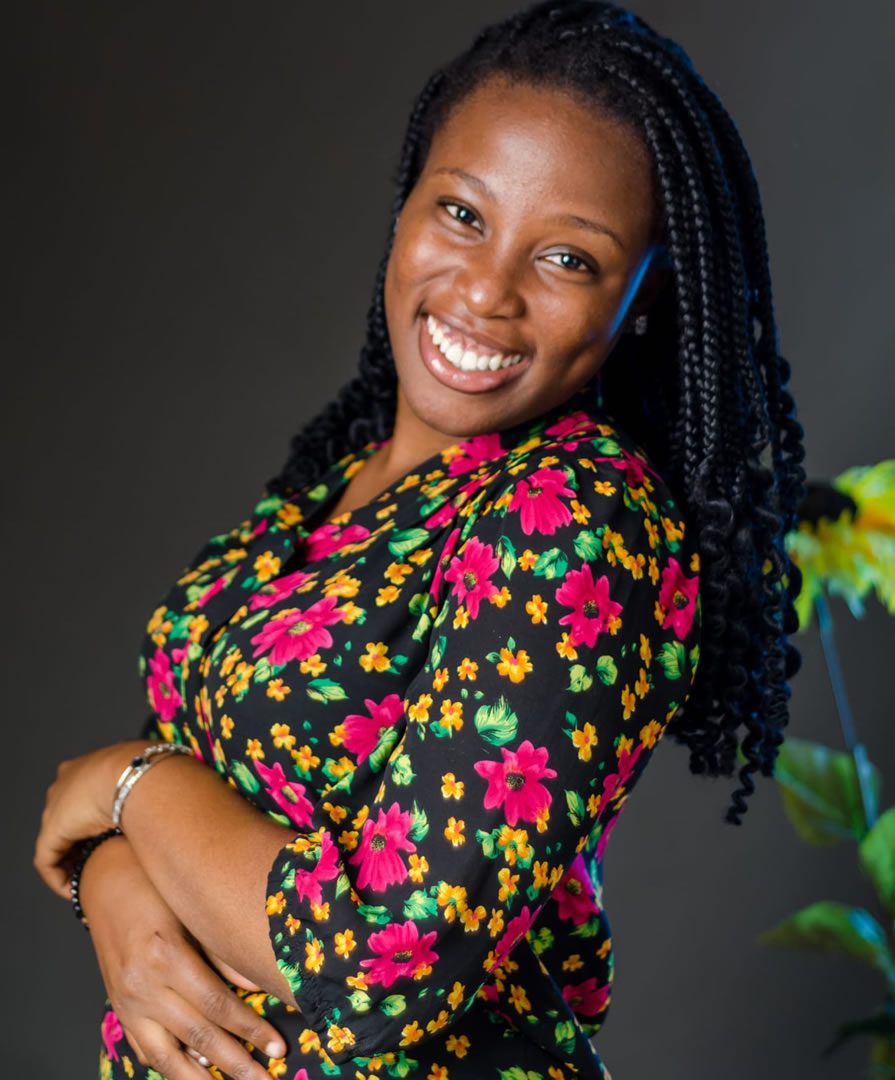
Her coverage of Nollywood’s genre films — horror, thriller, drama — is grounded in specific observation rather than ambient opinion, and that specificity is what distinguishes her criticism from most.
Esther Kalu
Esther Kalu has built a steady and serious presence in the Nigerian film journalism ecosystem. Her work covers both film reviews and cultural commentary, and she is among the writers whose sustained output has contributed to making the present critical landscape more populated — and more substantive — than any previous generation managed to sustain.
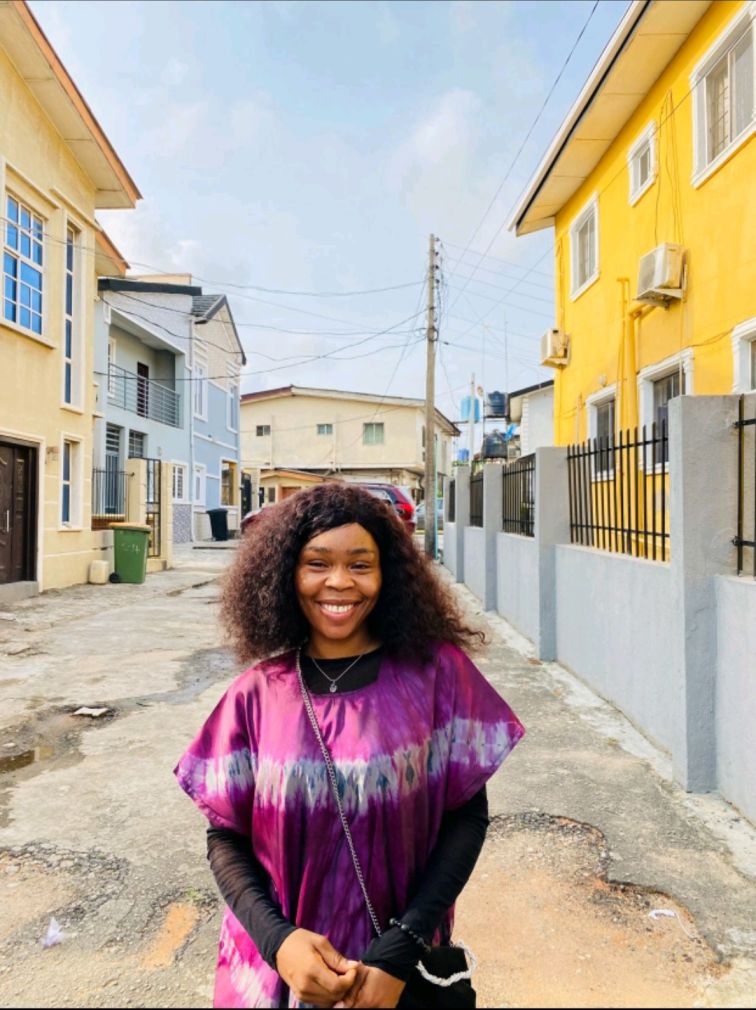
The platforms available to her generation are more institutionally grounded than those available to the critics who came before. That is progress. It is not yet the full infrastructure the work requires.
Praise Vandeh
Praise Vandeh is a film critic, culture journalist and filmmaker whose work has sharpened noticeably with each passing year — not just in confidence, but in analytical depth and critical independence. She is among the younger voices in Nigerian film journalism who have arrived with enough seriousness to suggest they intend to stay, and enough talent to make staying worthwhile.
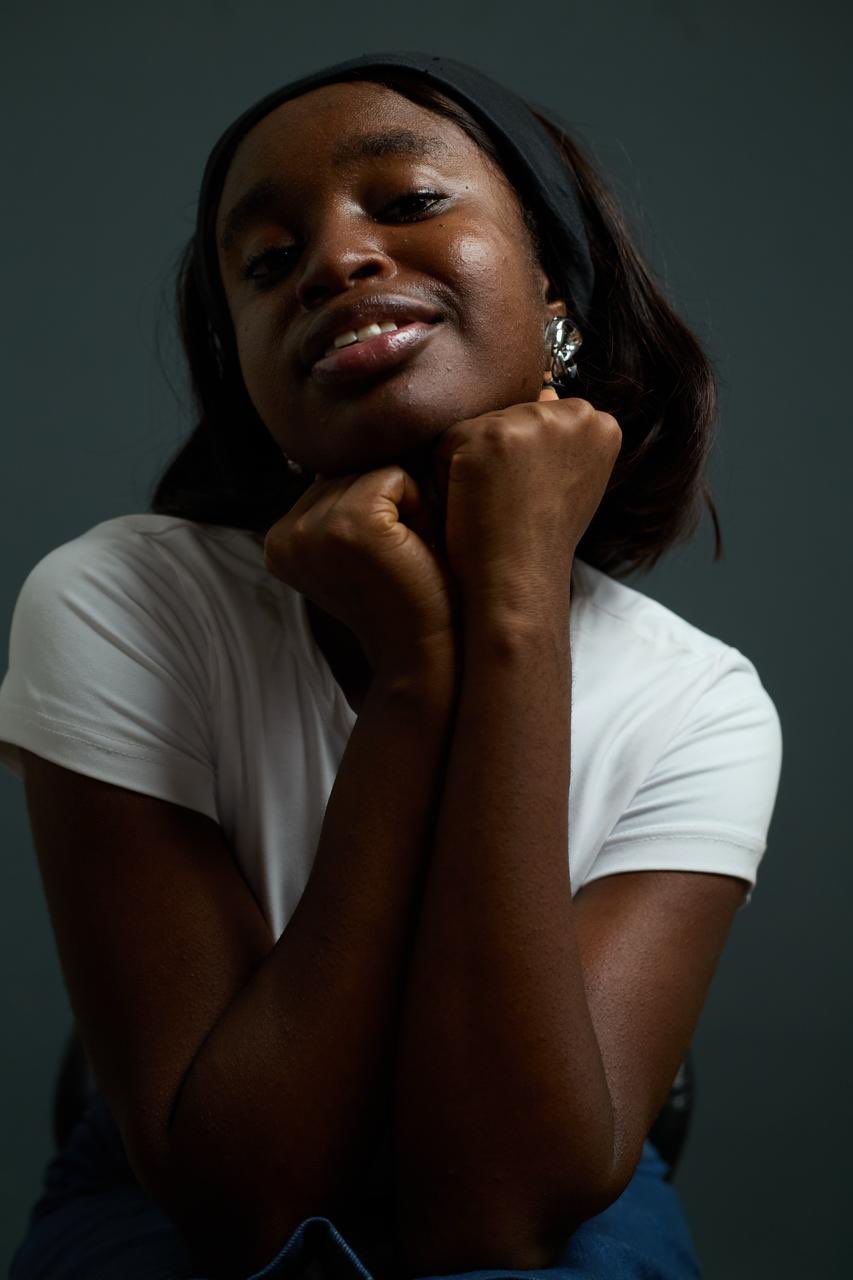
Whether the conditions of the ecosystem will allow that is, as it has always been, the open question. But if the history on this list teaches anything, it is that the women who showed up and did the work regardless of what the ecosystem offered them are the ones worth watching. Vandeh is one of those worth watching.
Joseph Jonathan is a historian who seeks to understand how film shapes our cultural identity as a people. He believes that history is more about the future than the past. When he’s not writing about film, you can catch him listening to music or discussing politics. He tweets @Chukwu2big