

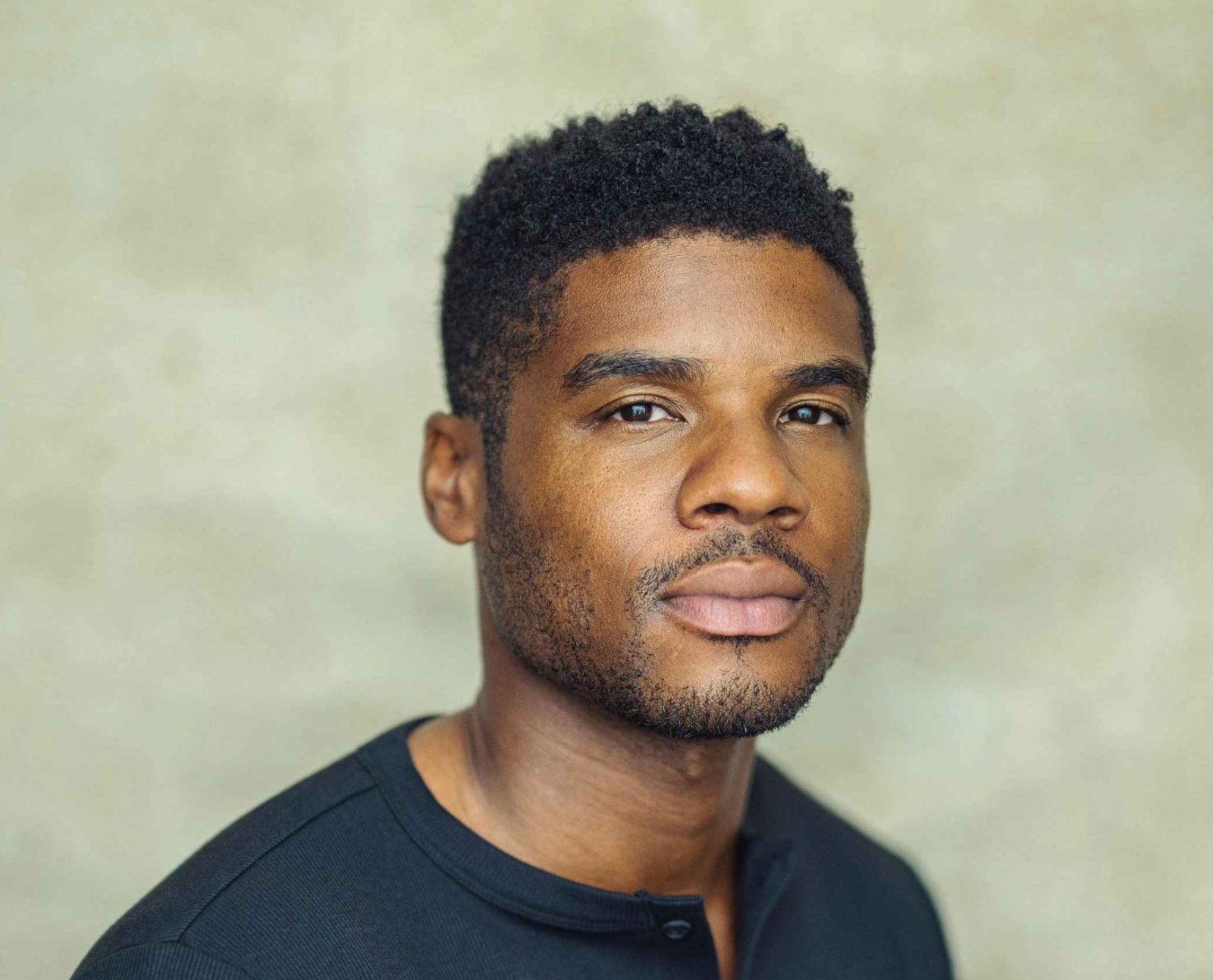

“I think most people, if pushed, will do something questionable for a greater good, or for their greater good.” — Efosa Osaghae
By Adedamola Jones Adedayo
The promise of remote work lies in the freedom it is believed to offer, allowing people to earn a living without being confined to traditional office spaces. But for many freelancers, this freedom is an illusion: constant pressure to be productive, demonstrate competence, and justify one’s employment turns it into a continuous cycle of performance.
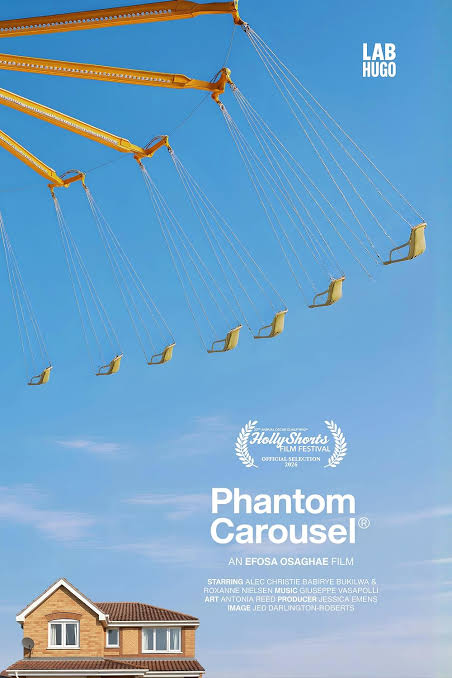
British-Nigerian filmmaker Efosa Osaghae acknowledges the anxieties of remote work and the irony of the freedom it offers in Phantom Carousel (2026), a short film about the uneasy relationship between labour, surveillance and personal ethics.
Phantom Carousel follows Bento Moura (Alec Christie), a man whose dire economic circumstances force him into covert work. Financially incapacitated and under family pressure, he takes up a job in a compliance firm to spy on London’s remote workforce. Bearing a Prius and long lens, he documents activities deemed incompatible with work, from an advertising creative missing agency meetings to a project manager dancing in his underwear and a software developer prioritising a gym session over a client meeting.
However, a routine assignment takes an unexpected turn when Bento moves on from stalking to breaking into the home of a worker, Olara Adeyemi (Babirye Bukilwa), an incident forcing him to confront the moral implications of his work and question how far he is prepared to compromise his principles to keep his job. What begins as a seemingly harmless workplace surveillance gradually exposes the disturbing absurdities of corporate oversight.
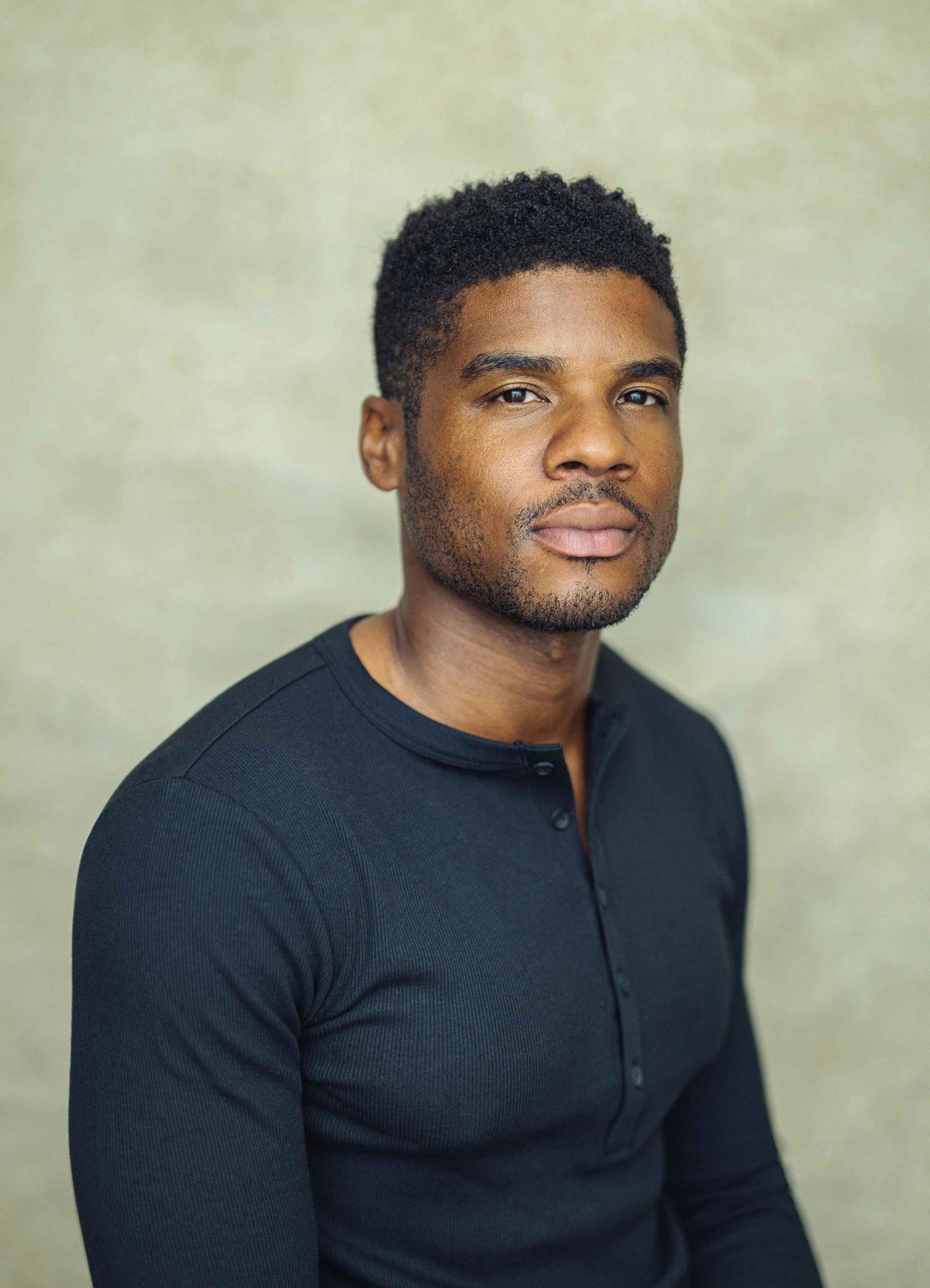
Written, directed, and edited by Osaghae, Phantom Carousel was previously screened at the 2026 HollyShorts Film Festival and the Powerhouse London Film Festival. The short film is also scheduled to premiere at the Norwich Film Festival in November 2026. It is produced by Jessica Emens, with Jed Darlington-Roberts serving as director of photography.
Like many filmmakers whose stories are rooted in personal realities, Osaghae traces the origin of his film to his experience as a freelancer. “I’ve also always been preoccupied by work itself, and by the performance of it. That theme was there from the start, and it was the spy story that grew out of it. I was interested in always-on culture as something people have to perform, and in a film world where failing to perform it is treated as a crime”
This preoccupation with the performance of work is expressed through the film’s representation of a system in which the idea of productivity is tied to constant engagement and demonstration of competency. With Bento functioning as a covert investigator, Phantom Carousel examines what it means to be accountable and how the quest for accountability may interfere with one’s private affairs.
While the film might seem exaggerated, its concerns have real-world parallels. During his research, Osaghae found out that Bento’s kind of work cannot be divorced from reality even if the film fictionalises the situation. “Weirdly enough, I also found out that Bento’s job exists in real life, though not quite in this form,” he explains. “In the UK, employers can literally hire private investigators to check whether employees are lying about sick leave.”
This discovery adds a layer of immediacy to the film’s exploration of workplace surveillance. But Phantom Carousel is not excessively about how established systems govern individual employment decisions. It is also about a protagonist whose conduct raises questions about personal responsibility, particularly when one’s economic instability blurs the distinction between what is right and what is necessary.
Bento comes off as a morally ambiguous character in the film. His actions are cause for concern and scrutiny, but his personal circumstances make it easier to attribute those actions to social pressure and survival. This ambiguity affects how Osaghae thinks about such characters. “I’m most interested in morally questionable protagonists,” the filmmaker discloses. “I think most people, if pushed, will do something questionable for a greater good, or for their greater good.”
Developing this protagonist required finding the right actor who could embody the complexity of the character without relying heavily on dialogue. Osaghae felt that he needed an actor who could say a lot without saying much, a quality that he found in Alec Christie. The emphasis on restrained performance also aligns with the film’s minimalist approach to storytelling, which adopts sparse exposition to convey Bento’s circumstances.


This restraint is further corroborated by the film’s tone. Combining dark humour, social commentary and drama, Phantom Carousel takes on a subject that could easily become either a completely comedic critique of corporate culture or a sombre examination of economic precarity. Maintaining a balance between these elements without undermining the film’s overall thematic concerns equally boiled down to editorial discipline. “I had to be extremely strict in the edit to keep the tone stable enough to sustain the runtime,” Osaghae explains. “I cut scenes and takes that were overtly comic, and I made sure the serious scenes never tipped into melodrama.”
With a runtime of approximately 19 minutes, Phantom Carousel encounters a challenge attributable to its short filmmaking form: the presentation of a world that feels sufficiently developed even within rigid temporal limitations. Focusing on the fact and place of the working class in society, the film explores workplace surveillance, economic insecurity, family relationships and personal responsibility, with each theme being self-sufficient to sustain a comprehensive narrative.
“A significant amount of the film was cut to reach 19 minutes,” Osaghae responds to a question about working around the film’s time challenge. “I had to remind myself that it’s short and the runtime has to be respected, which meant cutting a lot of texture and atmosphere in favour of getting straight to the story.” Nonetheless, Osaghae hopes to incorporate the omitted parts of the narrative material into a feature or TV series for a more comprehensive rendition of the story. But until then, the short film remains a concentrated presentation of the ideals and struggles that he stands for and expects the audience to connect with.
The title of the film Phantom Carousel offers final insights into the world of Bento. The word “carousel” here suggests a repetitive cycle of activity, illusion, and entrapment, whereas “phantom” refers to the notion of being deceptive, elusive or unreal. Put together, there is the metaphorical impression of a cycle that is difficult to escape, an indication of Bento’s possibly endless quest for survival.
“The title represents a ride we can’t get off because it isn’t clear we’re on it,” Osaghae explains. “Without spoiling the ending, I think it pays off with Bento’s final moments.”
Adedamola Jones Adedayo is a film journalist and critic with special interest in African cinema. Through writing and audiovisual mediums, he creates conversations around cinema in Africa and the Diaspora. You can find him on Instagram @jonesthegoodboy and X on AdedamolaAdeda4.