

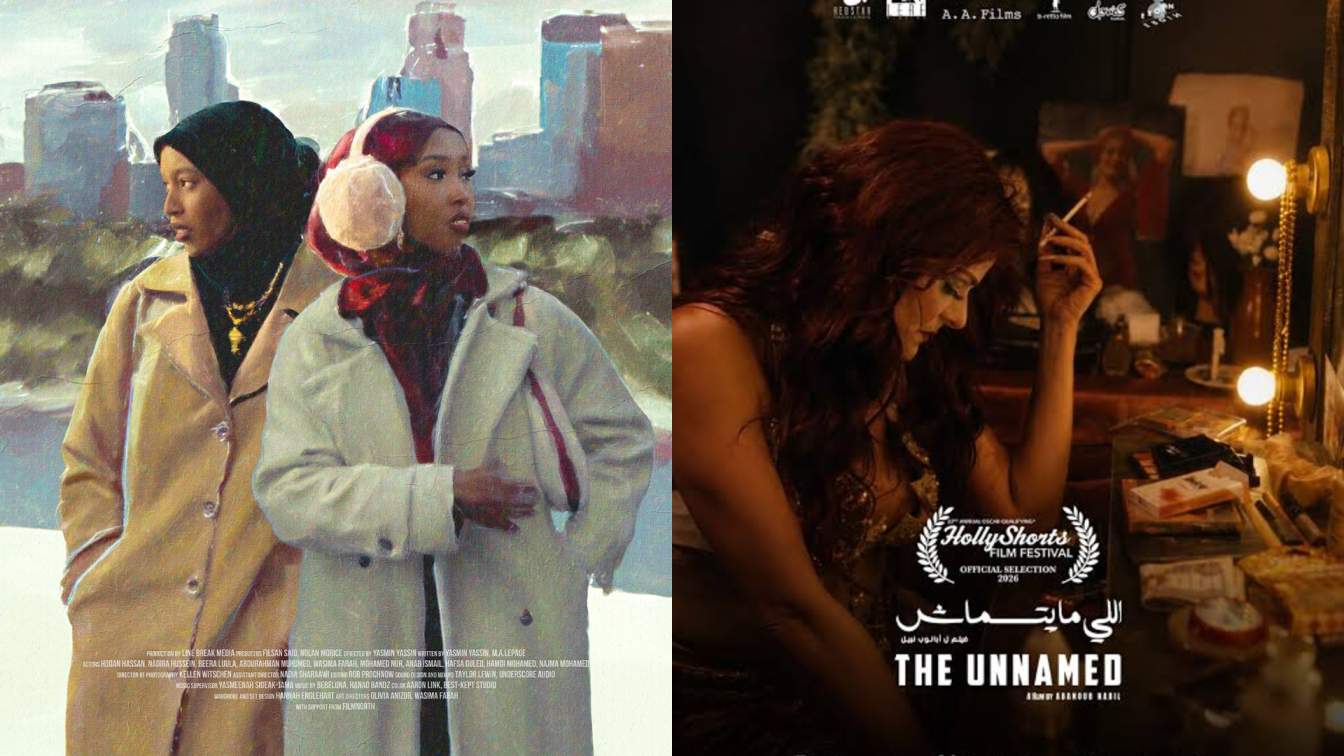

Woman Land and The Unnamed films focus on women as central figures in their own stories, capable of making independent decisions, defining the trajectories of their lives, and managing changing definitions and expectations of identity.
By Adedamola Jones Adedayo
At the recently concluded edition of the HollyShorts Film Festival, concerns around identity and vulnerability emerge through stories that situated women and girls in the middle of complex social and personal relations. Two such stories from African filmmakers that resonate are Woman Land and The Unnamed.
Woman Land, written and directed by Somali-American filmmaker and photographer Yasmin Yassin, leans into the Somali worldview in the Diaspora, examining womanhood through sisterhood, ambition and the negotiation between tradition and modernity. On the other hand, The Unnamed, directed by Abounab Nabil, draws its influence from Egyptian landscape and culture, revealing how the soft, emotional tie between mother and daughter prompts the latter to take action and embrace maturity beyond her age.
Stemming from unique social, cultural and geographical contexts, both films focus on women as central figures in their own stories, capable of making independent decisions, defining the trajectories of their lives, and managing changing definitions and expectations of identity.
Woman Land
Woman Land presents Somali women as ambitious and interesting people capable of making an impact in the diaspora. Through the social empowerment of its female protagonists, the 11-minute short film explores tensions between traditional expectations from parents and the desire to find one’s voice in modern times. It also touches on modern dating and the influence of digital media in navigating romantic relationships.
The narrative is about two young Somali sisters, Hafsa and Sumaya, based in South Minneapolis, the United States, who run a secret online matchmaking platform where they help conduct background checks on the love interests of female clients. As the platform becomes popular, attracting women of different ages, the sisters must decide how to proceed while keeping the business out of their mother’s knowledge, protecting their identities and avoiding social stigma.
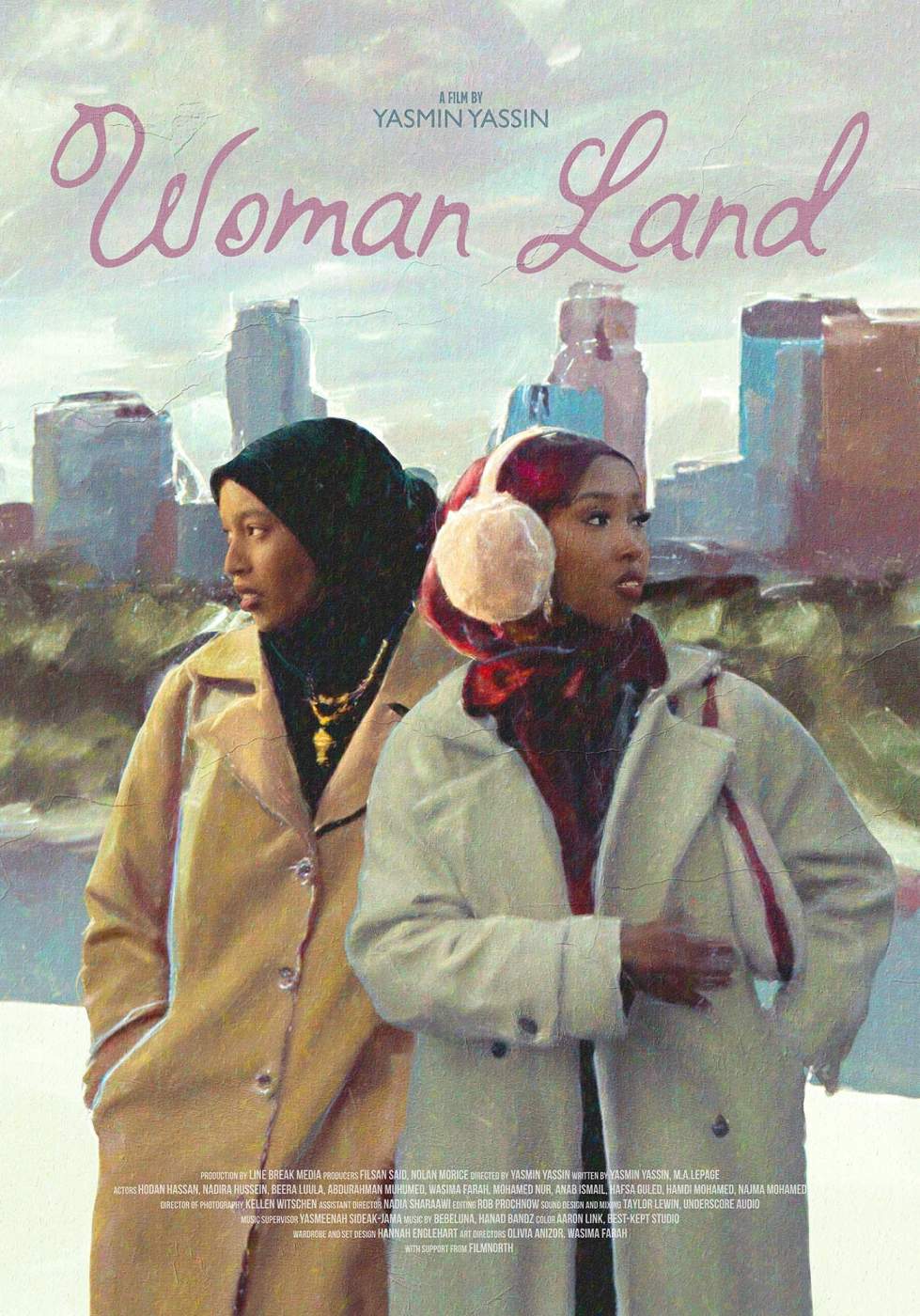
Hafsa is content with preserving and taking the business to the next level, whereas Sumaya, the older and more adventurous sister, wants to leave the city after finishing college. This creates a conflict between their private ambitions, but also makes a welcome statement about the ability of women to make independent choices about their futures, even when those choices deviate from familial expectations and established traditions. At the same time, the film acknowledges the vulnerabilities women face, particularly in their pursuit of companionship, as seen through the depiction of a dating programme designed for women.
Historically, women in Somalia have faced immense social pressure and cultural restrictions. They have been victims of the country’s decades of violent extremism and humanitarian crises, with the country being home to one of the world’s largest populations of internally displaced persons. The country also has one of the lowest levels of gender equality globally, which makes life for women and children challenging.
As of 2024, according to UNICEF, Somalia ranked as the country with the highest rates of female genital mutilation in the world, a situation that underscores the oppression and systemic control of women’s bodies and autonomy. All of these factors explain the profound ways in which Somali women are culturally and socially expressing agency and determining the course of their own lives without undue influence.
In Woman Land, Yassin reimagines the image of Somali women, moving beyond traditional perceptions to portray them as audacious, sophisticated, and capable of becoming authorities in their own spaces, asserting their desires, and shaping modern culture even beyond their homeland. Though situated outside Somali geography, the film comes off as a breath of fresh air in the representation of Somali womanhood, offering a more profound portrayal of women as they negotiate cosmopolitan identities and aspirations.
The Unnamed
Set in Alexandria, Egypt, The Unnamed is about a girl holding onto a part of her mother’s body while trying to navigate the city on her own. Writer-director Abounab Nabil’s story begins with the young girl Jannah witnessing her mother Safi’s final performance as a belly dancer at a nightclub.


After this, Safi proceeds to undergo a mastectomy, a surgical procedure that will alter her body and her ties to the profession. This operation signifies an attempt to redefine her identity, even though it is occasioned by illness, and emerges as another instance in which women may reclaim agency over their bodies, dreams, and ambitions, remotely similar to how Woman Land conceives modern womanhood.
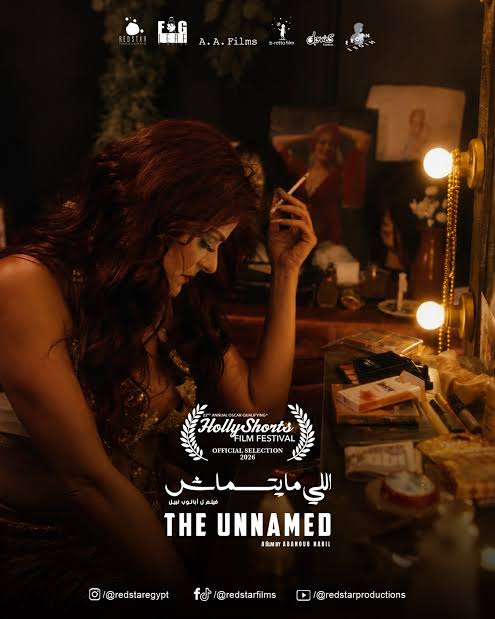
However, at the hospital, the medical procedure takes a complicated turn when there is a technical malfunction, necessitating Jannah’s taking a jar containing her mother’s pathological sample to another laboratory in the city. Carrying out this errand is not easy for the child: Jannah has to navigate systemic bottlenecks and the pressures of survival in the city, with her mother’s wellbeing dependent on the girl’s ability to execute this errand. For the girl, the journey becomes an initiation into adulthood, symbolising her premature transition into a state of maturity and responsibility.
The Unnamed tacitly creates conversations around female identity, ranging from the conceptualisation of women through professional engagement to autonomy and the ways in which identity can be shaped by bodily changes. Jannah’s willingness to help Safi reflects the strength of the mother-daughter bond, whereas Safi’s medical condition is an expression of female vulnerability. Also, while the jar carried by Jannah may seem like a harmless medical object, it becomes a symbol of an identity that is under threat, going beyond simply representing her mother’s health circumstances.
Being one of the oldest in Africa, Egyptian cinema has thrived on storytelling that reflects the cinematic traditions of the Middle East and North Africa. It is home to commercially viable productions that cut across culture, romance, drama, musicals and social commentary. A slice of the cinema’s golden era of musical and dance films is reflected in The Unnamed through Safi’s nightclub engagement. But Nabil also looks beyond traditions to succinctly capture urban life and drama in an Egyptian city, focusing on the intersection of medical science, health and personal affairs.
Adedamola Jones Adedayo is a film journalist and critic with special interest in African cinema. Through writing and audiovisual mediums, he creates conversations around cinema in Africa and the Diaspora. You can find him on Instagram @jonesthegoodboy and X on AdedamolaAdeda4.