


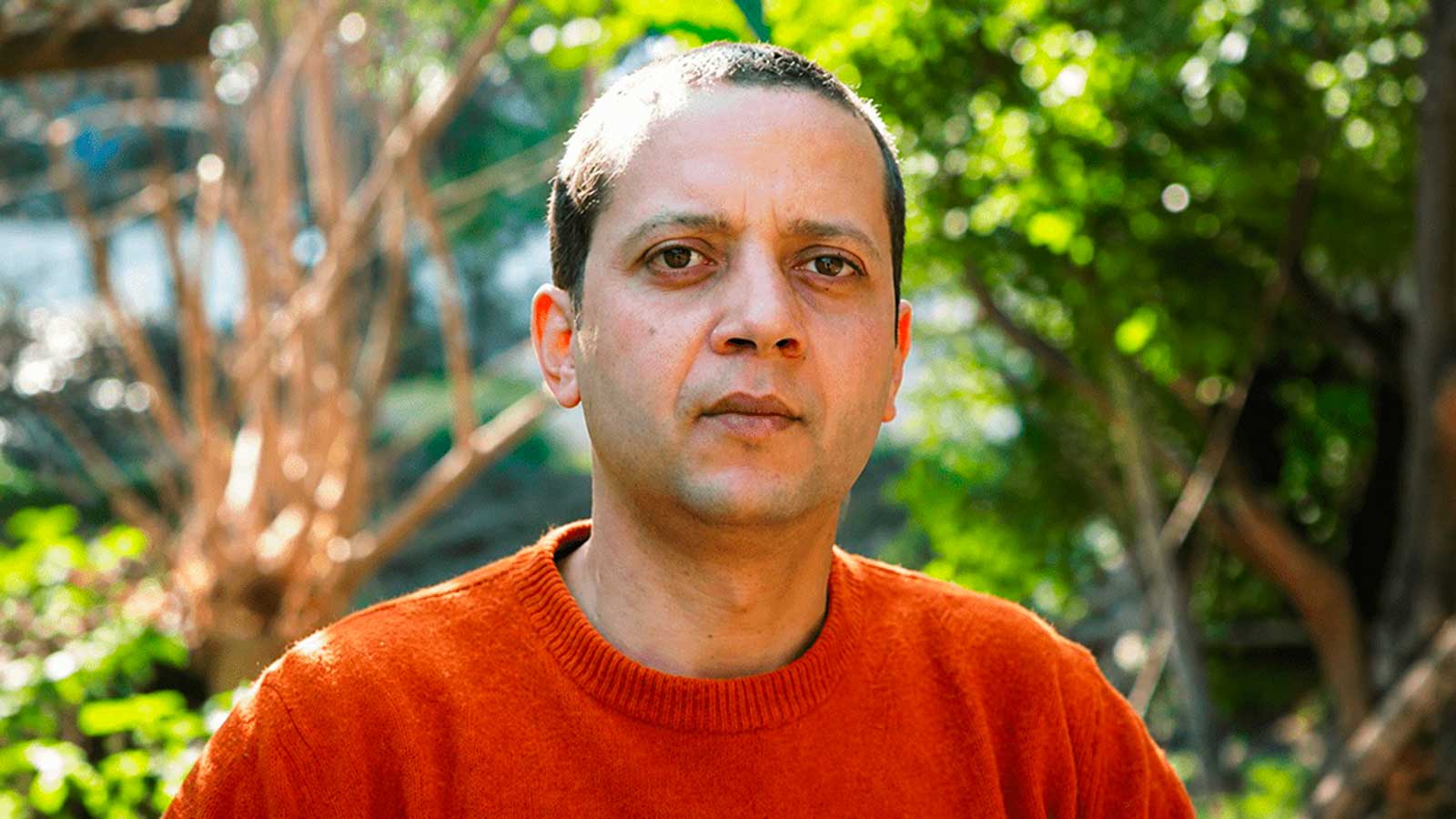
“Right now, there is a big, big, big change in the world. I think it’s a kind of tsunami. Many people in the future, I think, will have no place. I think this technology will kill our humanity.” – Kamel Laaridhi
By Vivian Nneka Nwajiaku
The sole African entry at the 2026 edition of the Venice International Film Critics’ Week (Settimana Internazionale della Critica (SIC)), an independent and parallel section of the Venice International Film Festival, is a dystopian science fiction drama set in 2059 Tunisia, where biochips regulate memory and suppress emotion, while hypnotherapy is forbidden.
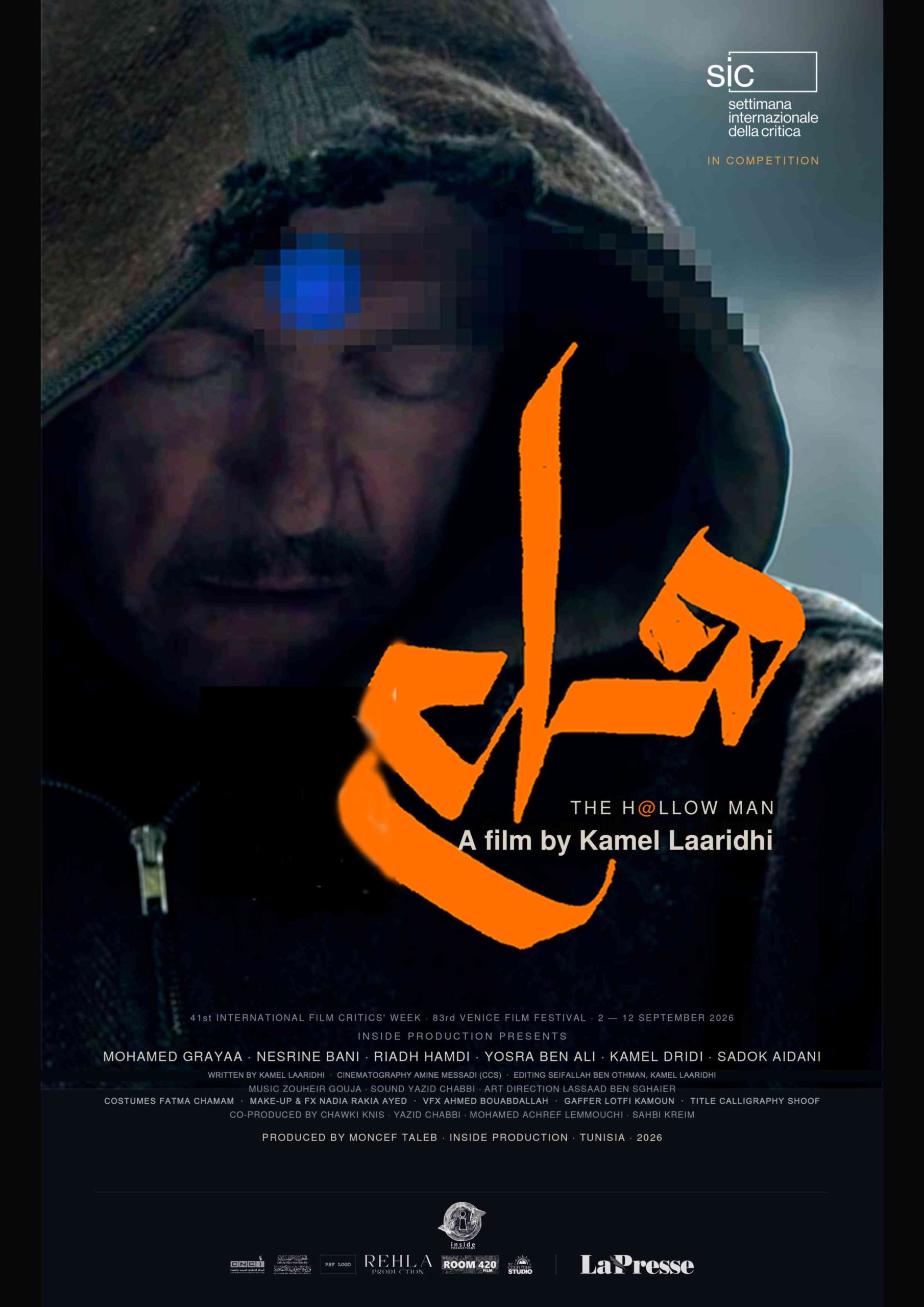
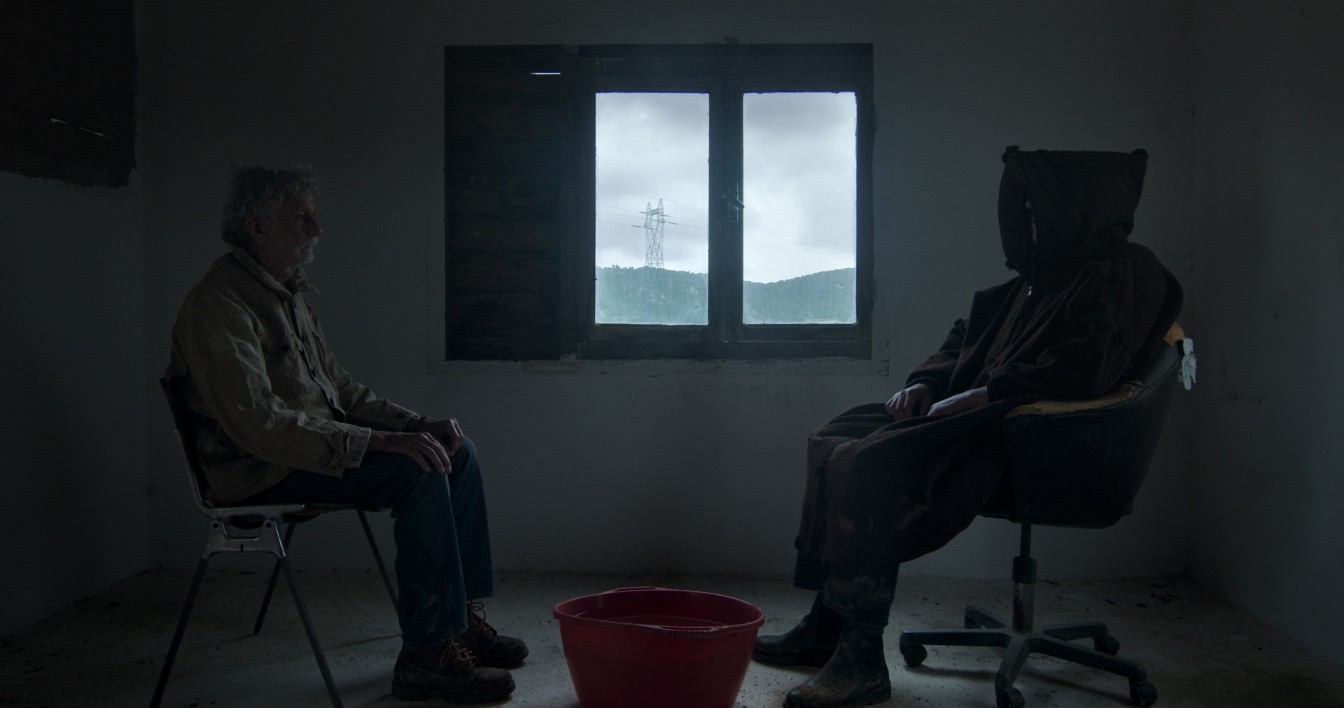
Titled The H@llow Man (2026), the Tunisian production follows its protagonist, Taha (played by Mohammed Grayaa), as he secretly undergoes hypnosis to reclaim his memories, defying the laws of the dystopian world he lives in. But in revisiting his origins, he discovers a disturbing past that feels apocalyptic in itself, marked by violent extremism, infrastructural neglect, and environmental degradation.
In this interview with Afrocritik during the 2026 Venice International Film Festival and Venice Critics’ Week, where the film premiered in competition, director Kamel Laaridhi discusses The H@llow Man, his personal and poetic inspirations, and the potential dangers technology poses to humanity.
*This interview has been edited for style and clarity.
In The H@llow Man, you imagine a dystopian future in which technology can control and suppress memory and human emotion. What was the starting point for this future world in your conception?
I want to start with a story. When I was a kid, I watched [an] American TV show about 1999. It was science fiction, so it had all the clichés of science fiction. So, when I was a kid, I was so excited to see what [would] happen in 1999. 1999 came, and nothing changed. So, this is one of the things that inspired me. Then also, five years ago, I moved to the United States, not so far from Silicon Valley. I heard many stories about technology or biochips. So, these are the two things that inspired me about this future.
You mentioned the clichés of sci-fi. But The H@llow Man does not resemble conventional sci-fi or futuristic cinema. Was it an active choice to resist those visual and narrative conventions typically associated with science fiction and dystopian films?
Absolutely, it was. I think [with] all this technology, AI and everything, right now, there is a big, big, big change in the world. I think it’s a kind of tsunami. Many people in the future, I think, will have no place. They will have no place in this future. I think this technology will kill our humanity.
In the film, you don’t focus on the future; instead, you focus on the past, which you show through the protagonist’s memories. And that past feels dystopian on its own. Does this say something about our current reality?
Yeah, of course. I opened the film with the quotation from Gramsci: “The old world is dying, and the new world struggles to be born”. Even if the film opens in the future and comes back into the past, for me, the film is about our present. Because I think we, all of us, dream about a new world. This world struggles to appear. So, I think it’s a film about the present, our present.
You do begin with a quote, but the film is heavy on poetry. The hypnotherapist relies on poetry, and even the title of the film, The H@llow Man, is drawn from “The Hollow Men” by T. S. Eliot. Why did you adopt poetry for this story, and why “The Hollow Man” in particular?
There is an “@”. It could be “The Hallow Man” or “The Hollow Man”. There [are] two poems in the film. So, there is “The Hollow Men”, T. S. Eliot, and there is another poem from a Palestinian poet, Refaat Alareer, “If I Must Die”.
Eliot, in general, we can say, is a poet of the apocalypse. And Refaat Alareer, he lived in the apocalypse. Refaat Alareer was killed in Gaza (in 2023). And The H@llow Man, because it’s about how this technology makes us hollow.
I think that poetry, it’s maybe the only thing which can save us. Poetry. So, we need poetry right now.


Hypnotherapy as a tool for reclaiming memory in the film is also quite interesting, considering the debate around hypnotherapy. Your protagonist remembers things that he couldn’t have witnessed physically. Was that something you had in mind, the potential for hypnotherapy to forge or recreate memories?
Yeah, I think memories, most of our memories, are a kind of reconstitution. So, we don’t know if these memories are true or not. It’s a kind of reconstitution, not only a kind of archive or so.
There are references to environmental degradation, technology, and so on. But the protagonist’s memories revolve around an act of terrorism. Why did you choose that particular vehicle for the story?
You know, I wanted to choose not terrorism, but Salafism. It’s an Arabic word, and now, I think it’s a word everybody can understand. “Salaf” means ancestor. Salafism can generate terrorism. [Salafists] are people who think that this world, the future, is in the wrong direction. And so, they decide to live like their ancestors.
I think in this time, with this big change, there will be some kind of Salafism, not only the Islamic way or religious way. I think, in general, many people will find themselves outside, or they [will] have no place. So, I think they will go back. And I know many people who want to live in the forest or like their ancestors. So, it’s not specifically about terrorism. It’s about Salafism.
How has the experience been throughout the journey of making The H@llow Man and then presenting it to the world on such a big film stage?
For us, it’s such an honour to be in the Settimana. We started filming in 2017, and we finished the film [in] 2025. It’s a very low-budget film, so we work as a family. We have the producer (Moncef Taleb); he’s at the same time the sound engineer. The DOP (Amine Messadi), even the actors, we know each other. So, this movie struggled to be born as the new future, but finally, it’s here. I’m so happy to be in the Settimana. It’s such an honour.
Vivian Nneka Nwajiaku is a writer and film critic writing from Lagos. She has a master’s degree in law but spends most of her time consuming, studying and discussing film and TV. She’s particularly concerned about what art has to say about society’s relationship with women. Connect with her on X @Nneka_Viv